When you get on a scale and learn that you’ve lost weight, you feel happy, but at the same time you may notice you feel weak. This is one of the most widespread weight-loss inadequacies. Losing weight does not mean you are losing fat. Most people do not understand that trying to lose weight often results in the loss of muscle mass, which causes a decrease in the metabolism rate and strength. As a nutritionist, I often receive the question: “How to lose fat while preserving muscle?” The answer is neither radical diet nor hours on a treadmill. Sustainable loss of fat should be achieved without losing muscle.
In this article I will discuss the science of fat loss, mistakes that people make, and ways to preserve muscle and burn fat.
Why Muscle Matters During Fat Loss
As you minimize calorie intake, your body requires energy.
Energy should come from fat reserves. But if you eat insufficient food or create too large of a calorie deficit, your body has no choice but to decompose muscles.
Muscles are essential not for just the way your body looks; they are crucial for:
- Metabolism
- Ability to carry weights
- Athletic performance
- Injury prevention
Research confirms that when you preserve muscles while losing weight, you get better results in weight control and metabolic health.
Fat Loss vs Weight Loss: Know the Difference
The majority of individuals tend to check only the scale numbers.
However, body weight is made up of:
- Fat
- Muscle
- Water
- Bones
- Glycogen
- Intestinal contents
Let’s take a look at two people who lost 8 kg respectively:
Person A lost:
- 6 kg of fat
- 2 kg of muscle
Person B lost:
- 7.5 kg of fat
- 0.5 kg of muscle
Both people weigh the same, but Person B has achieved a greater change in terms of health.
That is why nutritionists care more about body composition than body weight.
Why People Lose Muscle During Dieting
There are several mistakes that lead to muscle loss when trying to lose weight.
- Very Low-Calorie Diets
Crash diets can make a deficit that is too large for the body. When the body goes through a fad diet, it can cause the body to conserve energy by reducing the metabolism and degrading muscle.
Research has shown that even a small effort of limiting calories is better than going for an extreme method.
- Not Consuming Enough Protein
The role proteins play here is providing the organism with amino acids for repairing the muscles. If the body lacks protein, it will lead to the slowing down of protein synthesis.
- Excessive Cardio Workouts
Hours of performing cardio exercises could result in making the brain believe that there is the need to keep muscles. However, strength training tells the organism that it must protect the muscle.
- Inadequate Recovery
Insufficient sleep and constant stress lead to higher levels of cortisol, which is responsible for muscle wasting.
Nutritionist Tips to Lose Fat Without Losing Muscle
- Establish a Medium Calorie Deficit
One of the most common misconceptions is that consuming less food leads to fat loss faster.
Actually, an intensive calorie deficit can lead to greater loss of muscles and makes gaining weight easier.
It is better to target a medium calorie deficit of about 300 to 500 calories per day, depending on the body mass of a person, as well as physical activity and goals in terms of health and weight management.
A customized diet will make sure the person loses fat and not lean muscle tissue.
- Make Protein Your First Choice in Every Meal
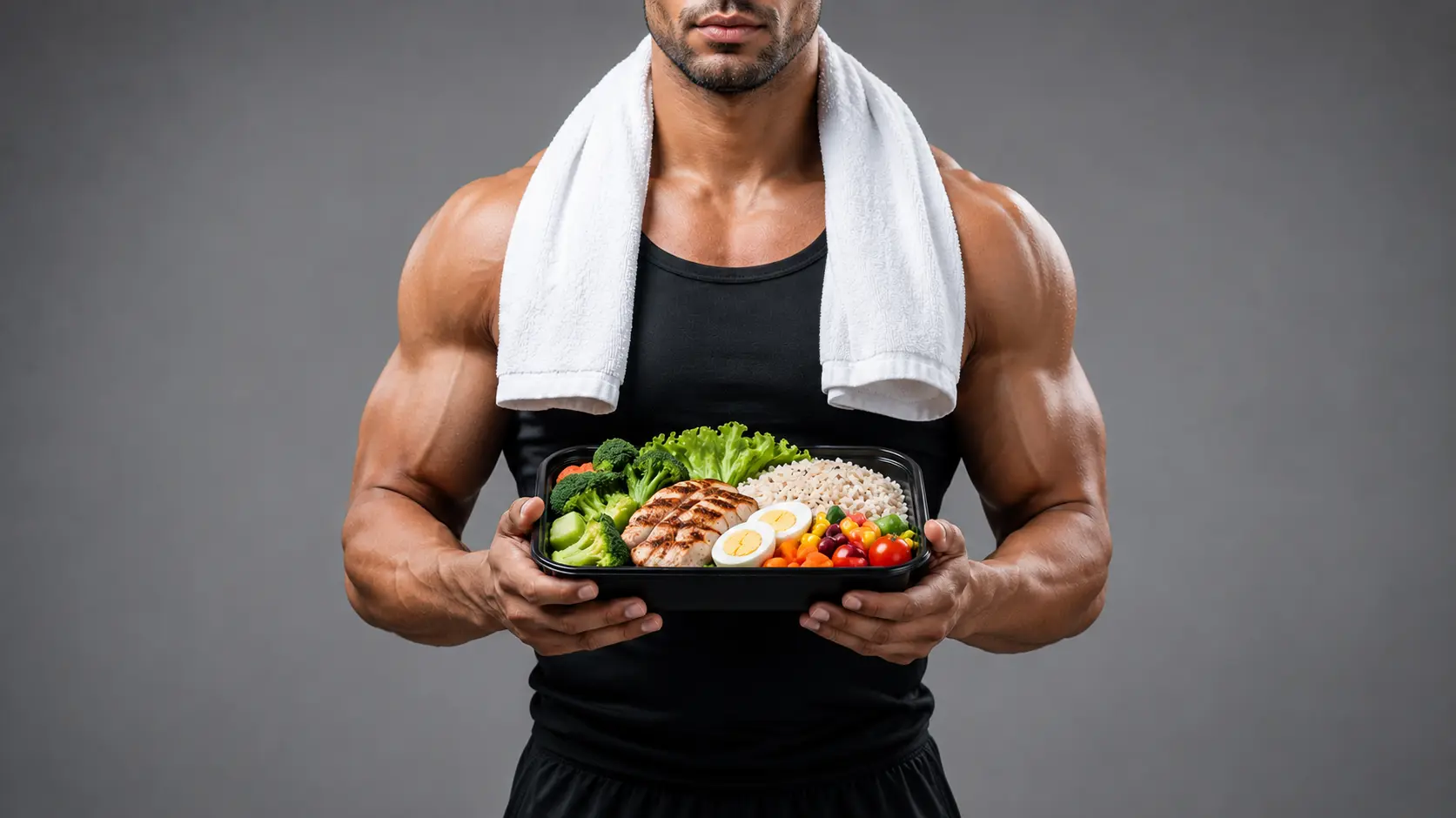
Protein is the most crucial nutrient for preserving muscles.
Studies show that for people who are trying to burn fat without losing muscles, the most effective option is to consume 1.2-2.2 grams of protein per kilogram of body weight per day, depending on the training status, age, and health in general.
The best sources of protein are:
- eggs
- Greek yogurt
- cottage cheese
- tofu
- chicken
- fish
- lean meats
- lentils
- beans
- soy products
- whey protein (if needed)
Instead of concentrating on proteins only in the evening meal, it is recommended to spread them throughout all meals.
- Don’t Forget to Do Strength Training
It is impossible to keep muscle just by eating.
Resistance training sends signals to your body that it should stay in shape.
Make sure to engage in compound exercises like:
- Squat
- Deadlift
- Row
- Push-up
- Lunges
- Overhead press
Even beginners can conserve muscles to an extent by practicing strength training two to four days a week.
- Carbohydrates Shouldn’t Worry You
A lot of people exclude carbohydrates from their diet.
It usually results in such things as:
- Low physical performance.
- Fatigue.
- Poor recovery.
- Increased muscle breakdown.
Complex carbohydrates provide the energy needed for effective hardware training.
You need to eat:
- Oats
- Brown rice
- Millets
- Sweet potatoes
- Whole grain wheat
- Fruits
- Legumes
Carbohydrates should have a strategic use to allow you to perform well and recover fast.
- Incorporate Healthy Fats
Healthy fats assist in the process of producing hormones that also help in metabolic rates and muscle upkeep.
Include:
- Nuts
- Seeds
- Avocados
- Olive oil
- Fatty fish
- Nut butter
It is essential to have a balance.
- Stay Hydrated
A decrease in even mild dehydration can affect your ability to exercise effectively and recover from workout injuries.
Water performs other vital functions such as:
- Transport nutrients
- Perform muscles
- Regulate temperature
- Remain active during training
As such, periodically drink fluids.
- Sleep is Your Hidden Secret to Fat Loss
When you have poor quality of sleep, it leads to the unbalanced production of hunger hormones such as leptin and ghrelin. This results in an increased feeling of hunger and less recovery.
Research shows that for optimal muscle recovery, hormonal balance, and body composition, people need to get 7-9 hours of good-quality sleep per night.
- Assess Your Progress Beyond the Weight Scale
There is much more to progress than what the weighing scale shows.
Make sure to keep track of the following:
- Waist size
- Percentage of body fat
- Increase in strength
- Progress pictures
- Energy levels
- Fit of the clothing
Since body composition can develop even if the weight remains constant.
Foods That Help Preserve Muscle During Fat Loss
A healthy food intake needs to involve food from the different main food categories.
High-protein foods
- Eggs
- Chicken
- Fish
- Paneer
- Soy
- Greek yogurt
- Lentils
Complex carbohydrates
- Oats
- Brown rice
- Millets
- Sweet potatoes
- Whole grains
Healthy fats
- Almonds
- Walnuts
- Chia seeds
- Flaxseeds
- Olive oil
Vegetables
The colorful fruits and vegetables are rich sources of vitamins, minerals, and antioxidants essential for healthy living and healthy recovery.
Fruits
Whole fruits are rich sources of antioxidants that can help you reduce exercise related oxidative stress.
Common Fat Loss Mistakes That Cost You Muscle
Stay away from these typical mistakes:
- Missed meals
- The use of detox diets
- Protein-deficient diet
- Excessive cardio coupled with absence of strength training
- Complete avoidance of carbohydrates
- Poor sleep patterns
- Irregular dietary habits
- Expectation of quick results
Bear in mind that slow fat loss usually means more durable outcomes.
When Should You Consult a Nutritionist?
Our metabolism, genes, lifestyle, health status, and body are unique and different from each other. A personalized nutrition program is very important when you:
- Suffer from PCOS
- Are diagnosed with Diabetes
- Have a condition of the thyroid disorders
- Are above 40 years old
- Engage in athletic activities
- Reach a plateau
- Want to lose fat without losing muscles
A personal nutritionist can compute what calorie intake and proteins you need, when to eat, and how to train.
How QUA Nutrition Helps You Lose Fat Without Losing Muscle
At QUA Nutrition we believe that successful fat loss is not about eating less but rather eating smart.
Our qualified nutritionists provide evidence-based personalized nutritional protocols which lead to fat reduction but not muscle loss.
Our Weight Management Program helps you achieve sustainable fat loss while preserving lean muscle through nutrition plans designed by our qualified experts.
Our approach consists of:
- Comprehensive nutrition assessment
- Body composition analysis instead of weight
- Meal planning based on your lifestyle and preferences
- Protein optimization so that you can keep muscles
- Nutrition strategies to enhance exercise performance and recovery
- Help with medical issues like diabetes, PCOS, thyroid problems, and obesity
- Ongoing monitoring and expert help.
Instead of generic diet charts, we help create healthy habits which can last a lifetime and produce long-lasting results.
FAQs
Q: Is it possible to simultaneously lose body fat and develop muscles?
A: The answer is yes, particularly if one is either new to strength training or returning to it after an absence or has a high level of body fat. The term for this process is body recomposition, which involves consuming sufficient protein and engaging in resistance training as well as following the right caloric intake.
Q: What amount of protein is needed for muscle preservation during fat loss?
A: Most active adults who wish to retain muscle while being engaged in fat loss are advised to consume between 1.2–2.2 g of protein for every kilogram of their weight daily, depending on their age, the intensity of their training, and their health condition. A certified nutritionist can help define the appropriate amount of protein.
Q: Is cardio sufficient for losing fat?
A: Foods rich in iron, protein, nuts, seeds and omega-3 fatty acids promote hair growth.
Q: Is cardio sufficient for losing fat?
A: Although cardio contributes to a higher number of calories spent and helps with the well-being of the heart, it is critical to engage in resistance exercise for muscle preservation during fat loss. The optimal approach is to combine the two of them.
Q: How does QUA Nutrition develop individualized fat cutting strategies?
A: QUA Nutrition consults on body composition, medical history and lifestyle and prepares a diet plan based on current fat level and plans for fat loss.
Q: How long does fat loss occur without muscle loss?
A: Normal healthy fat loss involves losing about 0.5–1% of body weight per week although the results depend on factors such as initial body composition, calorie deficit, physical activity, and commitment.