Diet For High Cholesterol

Contact Us
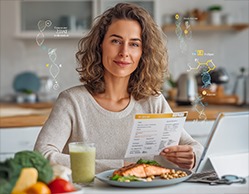
High cholesterol is rarely a problem of just eating too much fat. It is a metabolic signal that your body is inflamed or that your liver is struggling to process lipids efficiently. Standard advice focuses on cutting out butter and eggs, but this outdated approach often fails to move the needle on your Lipid Profile.
You can eat a low-fat diet and still have dangerous cholesterol levels if your carbohydrate intake is driving up triglycerides.
A clinical diet for high cholesterol is not about deprivation. It is about altering the chemical environment of your blood. We focus on reducing bad cholesterol (LDL), increasing good cholesterol (HDL), and drastically lowering inflammation. At Qua Nutrition, we move beyond the simple “Total Cholesterol” number to address the real risk factors: oxidized LDL, high triglycerides, and insulin resistance.
Importance Of Diet For High Cholesterol
Your liver produces about 80% of the cholesterol in your body. Only 20% comes directly from food. This is why simply avoiding cholesterol-rich foods often results in minimal improvement.
When you consume a diet high in processed sugars and refined carbohydrates, your insulin levels spike. This signals the liver to produce more cholesterol and triglycerides. A strategic diet plan for high cholesterol focuses on controlling this insulin response. By stabilizing blood sugar and increasing soluble fiber, we mechanically bind bile acids in the gut, forcing the liver to pull cholesterol from the blood to make more bile.
This biological mechanism is more effective than vague advice to “eat healthy.” Without a specific nutritional strategy, plaque continues to accumulate in the arteries, regardless of how many salads you eat. A proper diet for high cholesterol changes how your body transports and stores fat.
1-Day Simple Diet For High Cholesterol
This sample diet for high cholesterol illustrates how to integrate soluble fiber, plant sterols, and anti-inflammatory fats into a single day. This is not a prescription but a structural example of a high cholesterol diet plan.
Upon Waking: Methi (Fenugreek) water. Soak one teaspoon of seeds overnight and chew them in the morning. Fenugreek contains saponins that help reduce the body’s absorption of cholesterol from fatty foods.
Breakfast: Steel-cut oats cooked with water or almond milk, topped with a tablespoon of ground flaxseeds and berries. Oats contain beta-glucan, a soluble fiber that physically traps cholesterol in the digestive system. Flaxseeds provide Omega-3s to lower inflammation.
Mid-Morning: A green apple and 4-5 walnuts. Walnuts improve blood vessel function (endothelial health) even after a high-fat meal.
Lunch: Chickpea salad or Dal with brown rice and a side of steamed spinach. Soluble fiber in legumes binds to cholesterol particles. Spinach provides antioxidants to prevent LDL oxidation.
Evening Snack: Green tea and roasted soybeans. Soy protein has been clinically shown to lower LDL levels by a small but significant percentage.
Dinner: Grilled fish (or Tofu) with sautéed vegetables in olive oil. Oily fish provide EPA and DHA, which lower triglycerides. Olive oil increases HDL, the “good” cholesterol that acts as a scavenger in your bloodstream.


Foods To Avoid With High Cholesterol
The biggest enemy of cholesterol is not necessarily natural fat. It is the combination of fat and sugar, and the presence of trans fats. Identifying specific high-cholesterol foods that trigger inflammation is crucial.
Trans Fats and Hydrogenated Oils: Often found in bakery biscuits, rusks, and non-dairy creamers. These are metabolically toxic. They raise LDL and lower HDL simultaneously.
Processed Meats: Sausages, salami, and bacon. The issue here is not just the saturated fat but the nitrates and high sodium content that damage blood vessel walls, giving cholesterol a place to stick.
Refined Carbohydrates: White bread, pasta, and pastries. These do not contain cholesterol, but they spike insulin. High insulin turns these carbs into triglycerides, which thickens the blood and makes LDL particles smaller and denser.
Fried Foods: Deep-frying alters the chemical structure of oil, creating oxidized fats. Consuming oxidized fats increases oxidative stress in the body, which accelerates the hardening of arteries.
Tips And Lifestyle Changes To Manage High Cholesterol
A diet plan for high cholesterol must be paired with lifestyle mechanics to work effectively. The enzyme responsible for breaking down fats, lipoprotein lipase, becomes inactive when you sit for long periods.
Increase Soluble Fiber Intake: Aim for at least 10-25 grams of soluble fiber daily. Psyllium husk (Isabgol) can be a useful therapeutic addition if dietary intake is insufficient. It acts like a sponge in the digestive tract.
Manage Stress Levels: Cortisol, the stress hormone, triggers the release of glucose and fatty acids into the bloodstream for energy. If you don’t burn this energy, it gets re-packaged as cholesterol. Chronic stress keeps lipid levels high even if the diet is perfect.
Prioritize Sleep: Sleep deprivation increases ghrelin (hunger hormone) and insulin resistance. Poor sleep quality is directly linked to higher triglyceride levels.
Strategic Movement: Cardio burns calories, but resistance training improves insulin sensitivity. Better insulin sensitivity means the liver produces less VLDL (Very Low-Density Lipoprotein).


Why Consult With A Nutritionist For Cholesterol?
Cholesterol management is not one-size-fits-all. Some people are “hyper-responders” to dietary cholesterol, meaning an egg spikes their levels immediately. Others can eat saturated fat with no change in their numbers but have high cholesterol due to poor thyroid function or genetic factors (familial hypercholesterolemia).
A generic list of high cholesterol foods to avoid does not account for your genetics.
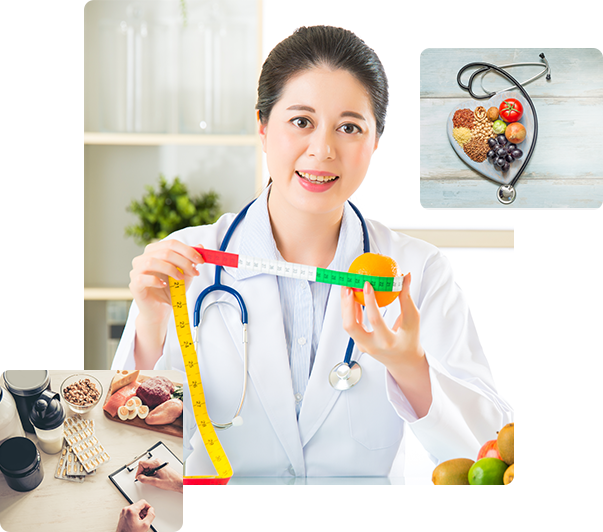
We analyze your ratio of Triglycerides to HDL, which is a far better predictor of heart disease than total cholesterol. We look at homocysteine levels and HbA1c. A nutritionist for high cholesterol helps you navigate the conflict between different conditions. For example, a high-fat Keto diet might help with diabetes but could wreck a specific genetic cholesterol profile.
The actual plan varies depending on your APOE genotype, your liver enzyme markers, and whether your high cholesterol is driven by fat intake or sugar intake.
How Qua Nutrition Helps You With High Cholesterol?
At Qua Nutrition, we reverse the “wait and watch” approach. We do not wait for a cardiac event to take nutrition seriously. Our process starts with a genetic test. We look at the sub-fractions of your lipid profile to understand the actual risk.
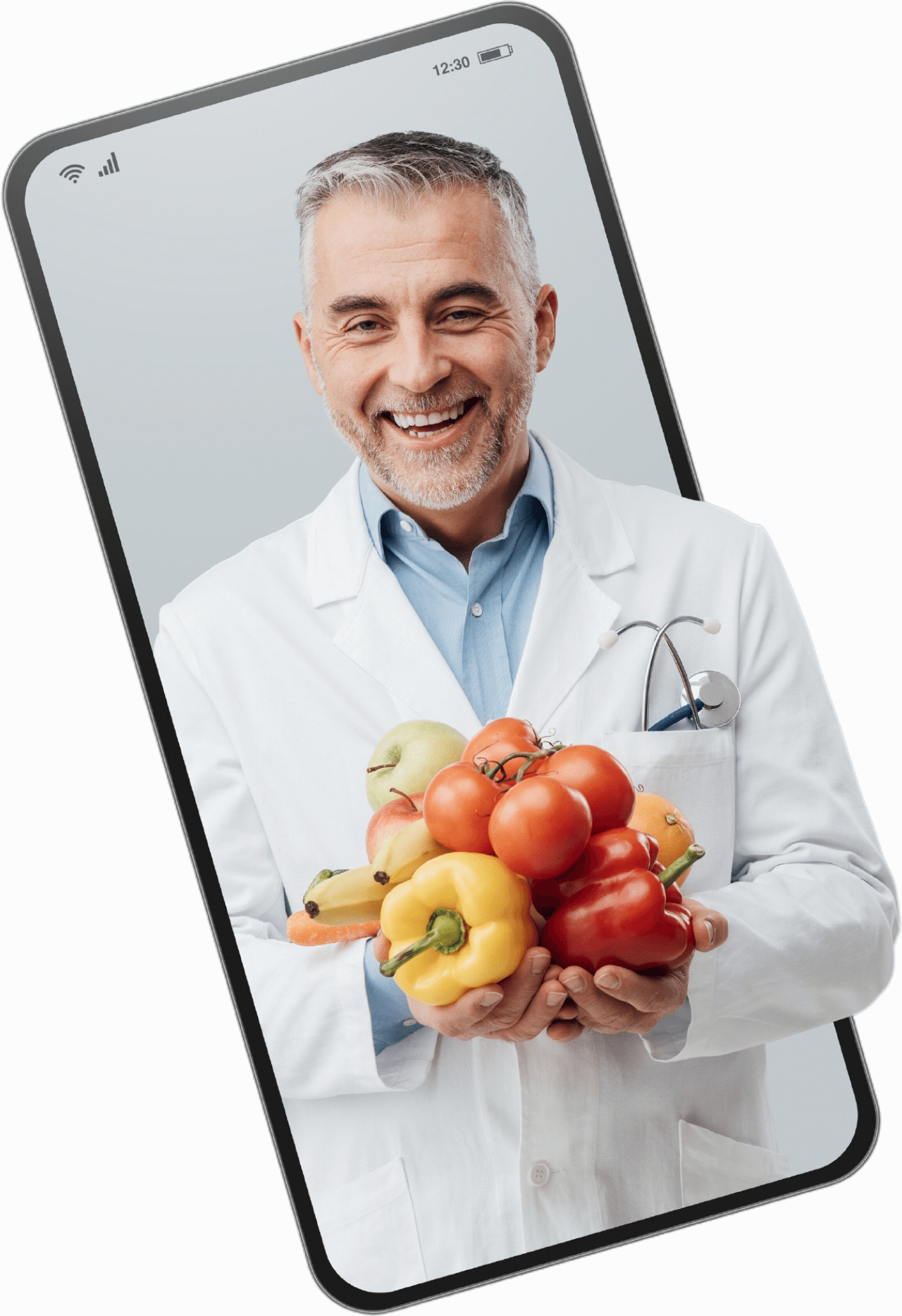
Our dietitian and nutritionists for high cholesterol design a diet for high cholesterol that fits your life. If you travel frequently, we teach you how to order at hotels to keep triglycerides low. If you are a vegetarian, we structure your plant proteins to ensure you aren’t overconsuming carbohydrates.
With genetic testing to see how your body metabolizes saturated fats versus monounsaturated fats. This takes the guesswork out of the equation. We don’t just tell you to eat walnuts; we tell you exactly how many grams of fat your liver can process in a meal. By monitoring your genetic report, we adjust the diet plan for high cholesterol until your levels stabilize in the optimal range, often reducing the need for high-dosage statins under your doctor’s supervision.
Our Top Nutritionist






Our Success Stories
Q: What is the best diet for high cholesterol?
A: There isn’t one single “best” diet, but the Portfolio Diet and the Mediterranean Diet have the strongest clinical evidence. These diets emphasize plant sterols, soluble fiber, and healthy fats while minimizing processed foods.
Q: What foods should I avoid if I have high cholesterol?
A: Strictly avoid trans fats (vanaspati, margarine), bakery items like puffs and biscuits, and processed meats. Reduce intake of full-fat dairy and red meat if you are genetically sensitive to saturated fats.
Q: What foods help reduce cholesterol?
A: Oats, barley, beans, eggplant, nuts, vegetable oils (canola, sunflower), fatty fish, and fruits rich in pectin (apples, grapes, strawberries) actively help lower LDL levels.
Q: Can diet alone lower high cholesterol?
A: For many people, yes. A strict nutritional protocol can lower LDL by 20-30%. However, for those with genetic Familial Hypercholesterolemia, diet is the foundation, but medication is often necessary.
Q: Are eggs bad for high cholesterol?
A: For 70% of the population, dietary cholesterol in eggs has a minimal effect on blood cholesterol. However, if you are a “hyper-responder,” you may need to limit egg yolks. The whites are always safe.
Q: Can I eat chicken if I have high cholesterol?
A: Yes, chicken is low in saturated fat compared to red meat. However, skinless chicken is essential, and it should be grilled or curried with minimal oil, not fried (like nuggets or schnitzels).
Q: Which cooking oil is best for high cholesterol?
A: Extra Virgin Olive Oil is superior for salads. For Indian cooking, filtered Mustard Oil or Rice Bran Oil are good options due to their balance of fats and high smoke points. Avoid reused oil.
Q: Are nuts good or bad for cholesterol?
A: They are excellent. Nuts contain plant sterols that block cholesterol absorption. Almonds and walnuts are particularly effective at lowering LDL. Portion control is key; a small handful is medicine, a bowl is just excess calories.