Snacking was typically seen as a luxury until recently. It is not the case anymore. In fact, snacking has become an essential part of an athlete’s, corporate professional’s, or parent’s life. At Qua Nutrition, we believe that nutrition is not just about eating. It is about fueling your body with precision.
But the most common dilemma lies in choosing between whole food snacks and packaged healthy snacks. Let us compare whole-food snacks and packaged healthy snacks.
What are whole food snacks?
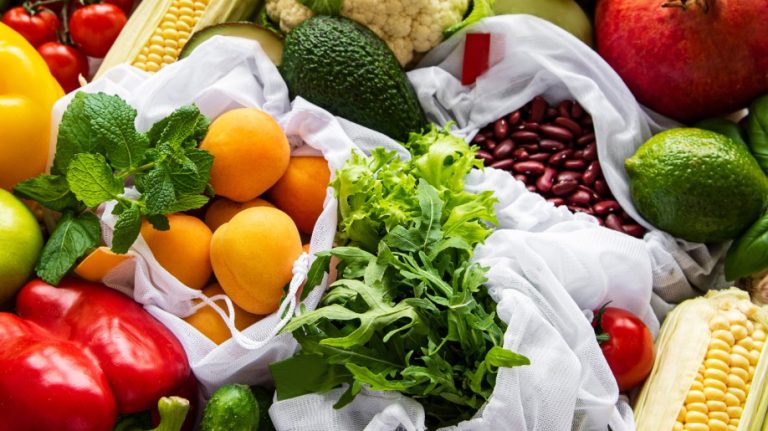
Whole food snacks are foods that remain quite close to their natural state. They remain unrefined and unprocessed, free from added sugars, artificial flavors, and preservatives.
A few good examples of whole food snacks include
- Fruits: Apples, bananas, berries, and citrus fruits.
- Vegetables: Carrot sticks, cucumber slices, and bell peppers.
- Nuts and Seeds: Raw almonds, walnuts, pumpkin seeds, and chia seeds.
- Legumes: Boiled chickpeas.
The nutritional profile
Whole foods are highly rich in nutrients. They pack a high volume of vitamins, minerals, and antioxidants. These foods also contain natural fiber, which is an excellent option for your gut health.
What Are Packaged Healthy Snacks?
Packaged healthy snacks are processed foods. However, they are marked as a better food option from a health perspective. Of course, they go through a manufacturing process, but they are also designed to meet specific dietary needs, such as high-protein or low-carb.
A few examples of packaged healthy snacks include
- Protein Bars: Concentrated sources of protein, often whey or plant-based.
- Baked Chips: Grain or legume-based chips that are baked instead of fried.
- Granola and Muesli Bars: Rolled oats combined with sweeteners and dried fruits.
- Greek Yogurt Pots: Preportioned dairy or vegan alternatives.
Common Ingredients and Processing
These snacks often contain isolated nutrients (such as soy protein isolate), emulsifiers to maintain shelf life, and sugar alcohols or natural sweeteners (such as stevia or dates) to enhance taste.
Nutritional Comparison: Whole vs. Packaged Snacks
The real difference between the whole and packaged foods can be well understood from the following table.
| Feature | Whole Food Snacks | Packaged Healthy Snacks |
| Fiber | High, naturally occurring | Often added as “functional fiber” (inulin) |
| Additives | None | Preservatives, emulsifiers, and flavors |
| Sugar | Natural (fructose/lactose) | Often includes hidden sugars (syrups/maltodextrin) |
| Satiety | High (due to chewing and volume) | Moderate (often calorie-dense but low volume) |
| Bioavailability | High nutrients are easily absorbed | Variable; synthetic vitamins may be less effective |
A look at Hidden Sugars and Preservatives
Many “healthy” packaged snacks use marketing terms like “No Added Sugar”. But they contain high amounts of fruit juice concentrates or rice syrup. The sugars can spike blood sugar just as quickly as table sugar. Preservatives like BHA or high levels of sodium are also common to ensure the product remains shelf-stable for months.
Benefits of whole food snacks
A few of the prime benefits offered by the whole food snacks include
- Natural Nutrient Synergy: Whole foods contain a complex mix of micronutrients that work together. For example, the Vitamin C in an orange helps you absorb the iron in a handful of spinach.
- Better Digestion and Satiety: The intact fiber structure in whole foods takes longer to break down, keeping you full for longer and preventing the “energy crash” associated with processed snacks.
- Zero Chemical Load: By eating whole foods, you eliminate exposure to artificial colors and synthetic stabilizers that can sometimes trigger inflammation or gut sensitivity.
Benefits of Packaged Healthy Snacks
As with the whole food snacks, the packaged food snacks also come with their own set of benefits –
- Convenience: For a professional traveling or an athlete needing a quick fuel-up post-workout, a protein bar is significantly easier to carry than a bowl of quinoa salad.
- Portion Control: Packaged snacks come in pre-measured servings, which can prevent mindless overeating—a common issue when snacking directly from a large bag of raw nuts.
- Fortified Nutrients: Some packaged snacks are fortified with Vitamin B12, Vitamin D, or Iron, which can be beneficial for individuals with specific deficiencies.
When to Choose Whole Foods vs Packaged Snacks?
The right snack typically depends on multiple factors. These may generally depend upon your lifestyle.
- At the Office: Whole foods like an apple or a handful of roasted chana are ideal because you have access to storage.
- During travel, packaged snacks like high-quality trail mixes or air-dried fruit leathers are safer bets to avoid spoilage.
- Pre/Post Workout: An athlete may require the rapid glucose delivery of a fruit (whole food) or the concentrated protein of a high-quality bar (packaged), depending on the intensity of the session.
Best Whole Food Snack Ideas you can implement
At Qua Nutrition, we recommend a few easy-to-use and healthy snack combinations.
- Apple Slices with Almond Butter: The snack combines fiber with healthy fats.
- Greek Yogurt with Berries: It offers high protein with antioxidants.
- Hummus and Bell Pepper Strips: You can get complex carbs with plant-based protein.
- Boiled Eggs with Black Pepper: This is the gold standard for bioavailable protein.
These are just a few options that Qua Nutrition recommends. You can, however, seek assistance from our nutritionists for more such ideas.
Best Packaged Healthy Snacks for a Healthy Lifestyle
Well, we typically do not recommend packaged food. However, if you do want to choose processed foods, make sure they have clean labels. A clean label means an ingredient list that you can actually recognize.
Here are a few simple things that you should look for on your label –
- The 5-Ingredient Rule: Choose snacks with 5 or fewer ingredients.
- Check the Sugar: Look for “Total Sugars” and “Added Sugars.” Aim for less than 5g of added sugar per serving.
- Fiber-to-Carb Ratio: A good rule of thumb is 1g of fiber per 10g of carbohydrates.
- Sodium: Never consume more than 200 mg per day of sodium.
Common Mistakes to Avoid When Choosing Snacks
Want to make the right choice between whole-food and packaged snacks? It is always important to avoid a few common mistakes.
- Misleading “Low-Fat” Labels: When fat is removed, manufacturers often add sugar or salt to compensate for the loss of flavor.
- “Gluten-Free” Means Healthy: A gluten-free cookie is still a cookie. It is often loaded with refined rice flour and sugar.
- So-called “Healthy” Fats: Nuts are whole foods. But they are also calorie-dense. Eating a whole bag of walnuts can easily exceed 600 calories.
Which One Should You Choose?
At Qua Nutrition, we follow a specific rule. Our recommendation is to choose an 80/20 approach. 80% of your snacks should come from whole, unprocessed sources to ensure your body receives the raw phytonutrients it needs for longevity and performance. The remaining 20% can be high-quality packaged snacks that offer convenience and help you stick to your goals when life gets busy.
However, the key lies in intentionally choosing the right food. Do not have snacks just for convenience. We help you choose the right portion sizes based on your specific goals.
FAQs
Q: Are packaged healthy snacks really healthy?
A: Yes, some of the packaged healthy snacks are indeed healthy. However, some of them may be ultra-processed. If the snack includes sugar or refined oils, it is never healthy.
Q: Can packaged snacks replace whole foods?
A: No, packaged snacks lack the complex fiber structure found in whole food snacks.
Q: What are the best snacks for weight loss?
A: Snacks high in volume and fiber but low in calories are best suited for weight loss. A few examples are cucumber with hummus, air-popped popcorn (without butter), or a small bowl of papaya.
Q: How to read nutrition labels for snacks?
A: Look at the serving size first. Many packages contain two servings, so you have to double the listed calories and sugar if you eat the whole bag.
Q: Do packaged healthy snacks contain preservatives?
A: Yes, most healthy snacks contain preservatives. They are added to enhance the shelf stability. Always look for snacks with natural preservatives.
Q: Are protein bars considered healthy snacks?
A: They can be useful for muscle recovery, but many are essentially “candy bars with protein.” Avoid those with high sugar alcohols (sorbitol/maltitol) if you have a sensitive stomach.
Q: What should I look for on snack ingredient labels?
A: Look for whole food ingredients listed first (e.g., “Whole Oats” instead of “Oat Flour”). Avoid hydrogenated oils and artificial sweeteners.
Q: Are “low-fat” packaged snacks actually healthy?
A: Not necessarily. They may contain higher levels of starch and sugar to maintain texture and taste.
Q: Can packaged snacks be part of a balanced diet?
A: Yes, however, you should use them in accordance with portion control, even during travel.
Q: What are the best snacks for clean eating?
A: The best foods or snacks are those with no labels. We mean choose fresh fruits, raw nuts, and fresh vegetables.
Get Free Nutrition Consultation
Talk to our experts and get personalized guidance for your health goals.