Summer eating habits have a real and direct effect on how the body holds up against the heat. In India, where temperatures and humidity both climb steeply, the body is under far greater strain than most people account for. When energy dips, the instinct is often to grab something sweet or packaged, but the foods eaten day to day shape everything from digestion and skin condition to fluid levels and physical stamina.
The right choices help regulate temperature efficiently and keep energy levels consistent. Heavier, low-nutrient foods do the opposite because they slow digestion, trigger fluid loss, and leave the body feeling drained. This guide covers what to eat and why, from the most hydrating seasonal fruits to simple, practical meals that suit the demands of a hot Indian summer.
Why Your Summer Diet Matters
Heat puts the body under sustained physiological stress. To manage rising core temperatures, blood vessels widen, sweat production increases, and the heart works harder. Appetite often drops, fatigue sets in, and dehydration becomes a real risk. Heavy, oily, or very spicy foods make this worse because digestion itself generates heat, adding further strain during hot weather.
Water-rich, nutrient-dense, lighter foods work with the body rather than against it. They support easier digestion and more effective temperature regulation. Fluid loss through sweat is only part of the problem, though. Minerals such as sodium, potassium, and magnesium that are essential for nerve and muscle function are lost alongside water. Without adequate replenishment, the consequences include cramps, persistent headaches, and a general sense of weakness. Bananas, yoghurt, coconut water, and leafy greens all help address this, restoring mineral balance and keeping the body functioning properly through the hottest months.
Best Hydrating Foods for Summer
Hydration does not come only from what you drink. Many summer foods have a water content of 85 to 96 per cent, which means eating them actively contributes to your daily fluid intake. Here are the top choices:
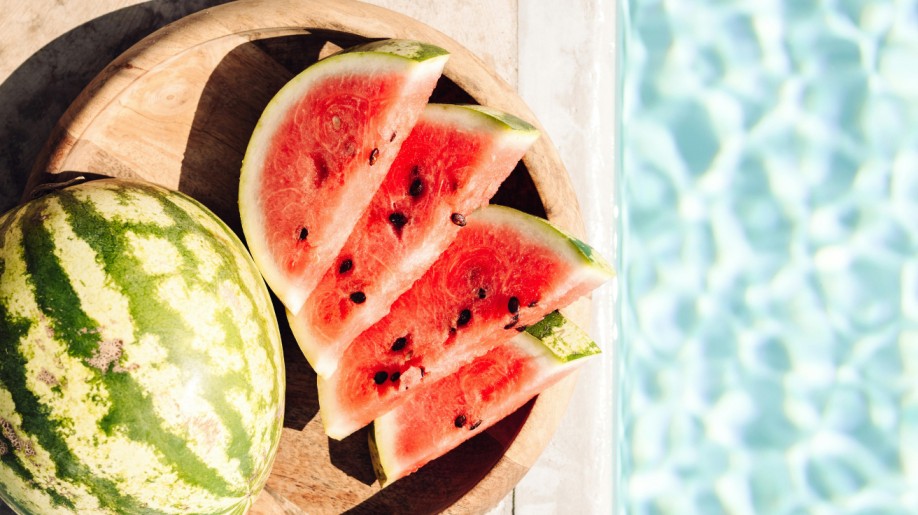
- Watermelon: Around 92% water with natural sugars, lycopene, and citrulline, which support circulation and reduce muscle soreness.
- Cucumber: Over 95% water content, low in calories, and rich in silica, which supports skin health during sun exposure.
- Muskmelon (Kharbuja): A rich source of beta-carotene, vitamin C, and potassium. Extremely hydrating and easy to digest.
- Buttermilk (Chaas): A traditional Indian summer drink that combines hydration with probiotics, calcium, and cooling lactic acid.
- Coconut water: Nature’s electrolyte drink. Contains potassium, magnesium, and sodium in proportions that closely match your body’s fluids.
- Tomatoes: Around 94% water, high in lycopene (a sun-protective antioxidant), and versatile in salads and chutneys.
- Oranges and sweet lime (Mosambi): High in vitamin C and water. Great as fresh juice or eaten whole for added fibre.
Cooling Foods to Include in Your Summer Diet
Certain foods have a thermogenic effect (they raise body heat), while others have a genuinely cooling effect on your system. Traditional Ayurvedic and clinical nutrition wisdom both support this idea, showing that these foods help reduce internal inflammation and improve the body’s ability to tolerate heat.
- Curd (Dahi): This is probiotic-rich, cooling, and soothing for the gut. Eat it plain, as raita, or blend it into a lassi. It also provides calcium and protein.
- Mint (Pudina): Contains menthol that activates cold receptors in the skin and mouth, creating a cooling sensation. Use it in chutneys, drinks, or salads.
- Fennel seeds (Saunf): Often consumed after meals, fennel aids digestion and has a cooling effect. Try fennel-infused water during the day.
- Amla (Indian gooseberry): As one of the richest natural sources of vitamin C, amla boosts immunity, cools the body, and supports liver function.
- Raw mango (Kacha Aam): When consumed as aam panna with mint and black salt, it is an outstanding summer cooler that replenishes electrolytes and prevents heat stroke.
Protein-Rich Summer Foods for Energy
Heat tends to drain energy, but reducing protein intake is a mistake. Protein keeps you satiated, preserves muscle mass, and stabilizes blood sugar so you don’t crash mid-afternoon. The key is choosing lighter protein sources that don’t generate excessive digestive heat.
- Eggs: Quick to prepare, easy to digest, and packed with complete protein. Boiled or lightly scrambled eggs are ideal summer breakfast options.
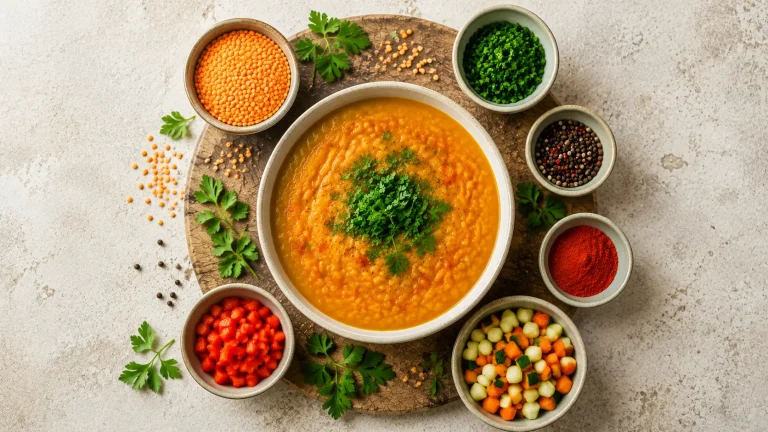
- Lentils and dal: A plant-based protein staple. Moong dal is especially recommended in summer as it is cooling, light, and easy on the stomach.
- Paneer: A good source of casein protein and calcium. Pair it with fresh vegetables or herbs rather than heavy gravies.
- Fish: Lighter than red meat, high in omega-3 fatty acids, and rich in selenium. Grilled or steamed fish suits summer well.
- Chickpeas (Chana): High in fibre and protein, particularly good in cold salads with lemon, coriander, and cucumber.
- Low-fat Greek yoghurt: Combines the benefits of protein and probiotics. Works well as a base for dips, dressings, or smoothie bowls.
Healthy Summer Snacks
Snacking smartly in summer means choosing foods that hydrate, provide steady energy, and don’t spike your blood sugar. Avoid heavily processed or fried snacks, which increase internal heat and cause energy crashes. Good summer snack options include:
- Sliced watermelon or muskmelon with a sprinkle of chaat masala
- Roasted makhana (fox nuts) is light, crunchy, and surprisingly filling
- Fresh fruit chaat with lemon and black salt
- Cucumber slices with hummus or hung curd dip
- A small handful of soaked almonds or walnuts
- Coconut water with a wedge of lime
- Dhokla steamed and fermented is relatively low in fat, making it a lighter savoury snack option.
- Cold smoothies made with banana, yoghurt, and a few mint leaves
Foods to Avoid During Hot Weather
Knowing what to leave off your plate is just as important as knowing what to eat. These foods either increase body heat, dehydrate you, or put unnecessary strain on your digestive system:
- Deep-fried foods: Samosas, pakoras, and fried snacks are hard to digest and raise internal body temperature.
- Excessive red meat: Harder to digest than fish or poultry and generates more metabolic heat.
- Sugary cold drinks: Sodas, packaged fruit juices, and energy drinks may feel refreshing but are loaded with sugar, cause blood sugar spikes, and contribute to dehydration.
- Spicy curries and pickles: Capsaicin increases sweating and raises body temperature. Use sparingly.
- Alcohol: A diuretic that accelerates fluid loss. Particularly risky during summer heat.
- Refined carbohydrates: White bread, maida-based foods, and pastries offer little nutritional value and cause rapid blood sugar fluctuations.
- Too much caffeine: Tea and coffee in excess have a mild diuretic effect and can disrupt sleep, which is already disrupted during hot nights.
Summer Diet Tips for Weight Management
Summer can be a good time to manage weight if you maintain balanced eating habits. Your appetite naturally decreases in the heat, which can work in your favor, but only if you are still getting sufficient nutrition.
- Eat smaller, more frequent meals rather than two or three large ones. This reduces the digestive load and prevents that post-meal sluggishness.
- Prioritize fiber and protein at every meal to stay full without overeating.
- Start meals with a bowl of salad or a cup of soup to reduce total caloric intake.
- Replace evening fried snacks with fresh fruit or a light yogurt.
- Stay hydrated. Thirst is often confused with hunger. Drink a glass of water before reaching for a snack.
- Avoid drinking fruit juices in excess. Eat the whole fruit instead to benefit from fibre, which slows sugar absorption.
- Be mindful of cold desserts. Kulfi, ice cream, and mithai are tempting but dense in calories and sugar.
Best Summer Foods for Children and Older Adults
Children and older adults are at higher risk of dehydration and heat-related illness because they are less efficient at regulating body temperature and may not recognize thirst signals as readily.
For children:
- Fresh fruit popsicles made from real fruit and coconut water
- Diluted chaas or coconut water between meals
- Curd rice, which is cooling, easy to digest, and comforting
- Mashed banana with a little yoghurt as a quick snack
- Boiled corn on the cob with lemon and rock salt
- Avoid giving children cold fizzy drinks or concentrated fruit squash
For older adults:
- Soft, easily digestible foods like khichdi, dal, and steamed vegetables
- Plenty of fluids throughout the day, even if thirst is not strongly felt
- Calcium and protein-rich foods like paneer, curd, and lentils to support bone and muscle health
- Avoid raw and undercooked foods in summer, as the risk of food-borne illness is higher in heat
- Small meals every 3 to 4 hours rather than long gaps between eating
Easy Summer Meal Ideas
You don’t need to spend hours in a hot kitchen to eat well in summer. These meal ideas are quick, nutritious, and designed to keep you cool:
- Breakfast: Overnight oats with chopped mango, chia seeds, and low-fat milk are a great morning option.
- Mid-morning: A glass of aam panna or coconut water with a handful of roasted makhana.
- Lunch: Curd rice with cucumber raita and a small bowl of moong dal is light, complete, and cooling.
- Afternoon snack: Watermelon slices or a fresh fruit chaat.
- Dinner: Grilled fish or paneer tikka with a cucumber-tomato salad and jowar or bajra roti is lighter than wheat-based options and easier to digest.
- Dessert: A small bowl of chilled Greek yogurt with berries or a slice of watermelon rather than sugar-heavy sweets.
Building a Healthy Summer Eating Routine
Eating well in summer is not about following a complicated plan. It comes down to eating light, staying hydrated, choosing seasonal foods, and reducing your intake of processed, fried, and sugar-heavy options. The foods that grow in summer, fresh fruits, vegetables, curd, coconut water, and legumes, are exactly what your body needs during these months.
That said, every person’s nutritional needs are different. Factors like activity level, health conditions, age, and goals all influence what the right summer diet looks like for you. If you want personalized guidance built around your specific needs, whether you are an athlete managing performance in the heat, a professional dealing with fatigue, or a parent wanting the best for your children, Qua Nutrition offers expert nutrition guidance tailored to individual health goals, daily routines, and long-term wellbeing.
FAQs
What are the best foods to eat in summer for good health?
The best summer foods are those that are high in water and nutrient content. Watermelon, cucumber, muskmelon, coconut water, curd, moong dal, fresh fruits, and green leafy vegetables are good options. They keep you hydrated, provide essential vitamins and minerals, and are easy on the digestive system as well.
What fruits keep the body cool?
Watermelon, muskmelon, raw mango, litchi, oranges, sweet lime, and pineapple are among the best cooling fruits for summer. They are rich in water, natural electrolytes, and antioxidants that help reduce internal heat.
Is curd good during hot weather?
Yes, curd is one of the best summer foods you can eat. It has a cooling effect on the digestive tract, is rich in probiotics that support gut health, and provides calcium and protein. Eating plain curd or drinking diluted chaas (buttermilk) is particularly beneficial during peak summer months.
How much water should you drink in summer?
A general guideline is 3 to 4 liters of fluid per day during summer, though this varies based on body weight, activity level, and how much you sweat. Don’t wait until you feel thirsty. Make sure to include water-rich foods in your diet throughout the day.
Are smoothies healthy for summer?
Smoothies can be very healthy in summer if made with the right ingredients. Blending fresh fruits, yogurt, a handful of nuts or seeds, and no added sugar gives you hydration, fiber, protein, and micronutrients in one glass.
Which foods give energy in hot weather?
Complex carbohydrates like oats, brown rice, and millets provide sustained energy. Pair them with protein (curd, dal, eggs, paneer) and stay hydrated. Bananas are excellent for quick energy.
Is coconut water good for hydration?
Coconut water is excellent for hydration, especially after exercise or time outdoors in the heat. It contains potassium, magnesium, and sodium in naturally balanced ratios. It is low in calories, has no artificial additives when consumed fresh, and is often better than commercial sports drinks.
What snacks are healthy during summer?
The best summer snacks are those that hydrate and satisfy without heavy digestion. Fresh fruit chaat, cucumber with curd dip, roasted makhana, a small bowl of curd with fruit, soaked nuts, or a glass of chaas are all smart choices.