When one thinks about one’s heart health, one typically thinks of spending hours on the treadmill or sacrificing a few of their favourite foods. But, keeping your heart in good condition is not just about eliminating your foods. It is also about what you invite into your plate.
At Qua Nutrition, we specialize in building a personalized nutrition plans that work for your specific lifestyle. We look beyond generic calorie counting. We analyse everything from blood chemistry to lifestyle choices and genetic factors to help you plan your nutrition.
What Makes a Food a “Superfood” for Heart Health?
The term superfood is thrown in today quite loosely. But, from the nutritional point of view, superfood definitely has a different and more detailed meaning. A superfood is a whole food that boasts an exceptionally high density of micronutrients, antioxidants, and essential fatty acids relative to its calorie content.
In terms of cardiovascular health, these superfoods offer several benefits. They come with high concentrations of compounds that actively support blood vessel elasticity, reduce systemic inflammation, and help regulate blood pressure.
The standard dietary staples like white rice provide you energy and micronutrients. In contrast, heart-healthy superfoods actively work to protect your internal biochemistry. These foods target lipid profiles and shield the delicate lining of your arteries from damage.
Why Heart Health Deserves Special Attention?
The cardiovascular diseases have been identified as the largest cause of mortality globally. The world today is leaning towards prolonged desk bound sitting, chronic psychological stress, and highly processed, convenience-driven diets. These factors have become the prime cause for heart related complications even in people with low risk.
But, we have a good news. Most of the risk factors for heart diseases are modifiable. You may not have a control over your age or family history. But, you can definitely control your daily diet, movement habits, and stress levels.
A Nutritionist’s Top Superfood Picks
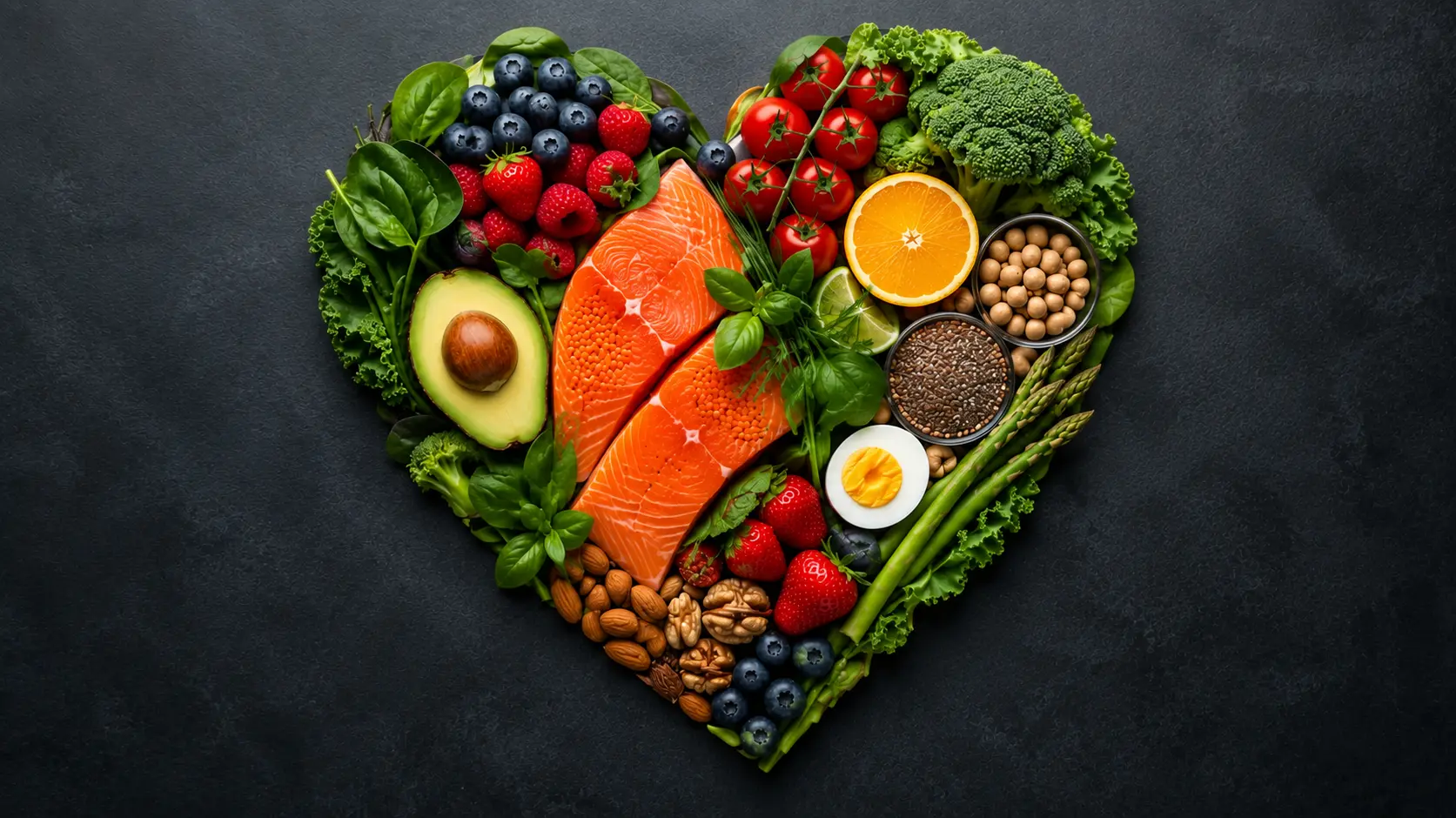
You just need to focus on your grocery list for ensuring a better heart health. Nutritionists at Qua Nutrition focus on three effective food groups.
Fruits and vegetables
- Berries (Blueberries, Strawberries): These fruits are packed with anthocyanins. These are powerful antioxidants that protect the endothelium which is the inner lining of your blood vessels. They also help reduce oxidative stress.
- Leafy Greens (Spinach, Kale): Exceptionally rich in dietary nitrates, leafy greens help relax and widen blood vessels. That should naturally optimize blood flow and reduces structural strain on the heart muscle. They are also an excellent source of Vitamin K. The Vitamin K helps manage proper blood clotting.
- Avocados: Unlike most fruits, avocados are packed with monounsaturated fatty acids (MUFAs). They help lower LDL (often termed “bad”) cholesterol while maintaining protective HDL levels.
Whole Grains and Legumes
- Oats: Oats contain a unique type of soluble fiber called beta-glucan. This fiber acts like a sponge in your digestive tract. They bind to cholesterol molecules and safely pull them out of the body
- Lentils and Beans: Legumes are nutritional powerhouses filled with plant-based protein, minerals, and soluble fiber. They help stabilize blood sugar response. This will directly reduce arterial damage caused by insulin spikes.
- Quinoa: A complete plant protein that is naturally gluten-free and fiber-rich, quinoa delivers a steady release of complex energy along with magnesium. It can support cardiac muscle relaxation.
Healthy Fats and Proteins
- Fatty Fish (Salmon, Mackerel): These cold-water fish are premier sources of eicosapentaenoic acid (EPA) and docosahexaenoic acid (DHA). These are the two main omega-3 fatty acids. They help reduce blood triglycerides and minimize the risk of dangerous arrhythmias.
- Nuts and Seeds (Walnuts, Flaxseeds): Walnuts stand out for their rich alpha-linolenic acid (ALA) content, a plant-based omega-3. Flaxseeds offer a massive dose of lignans and fiber. They are the best for maintaining structural blood vessel health.
- Olive Oil: A foundational element of the heart-healthy Mediterranean diet, extra virgin olive oil is loaded with monounsaturated fats and oleocanthal, a compound renowned for its robust anti-inflammatory properties.
Key Nutrients That Support Heart Health
What micronutrients helps take care of the heart health? Let us check them out to help you choose your superfoods wisely.
- Omega-3 Fatty Acids: These essential fats lower systemic inflammation, reduce blood clotting risks, and help maintain stable electrical conduction across the heart tissue.
- Dietary Fiber: Soluble fiber lowers overall circulating blood cholesterol. The insoluble fiber optimizes gut health
- Antioxidants and Polyphenols: These active plant compounds neutralize free radicals. The free radicals are the unstable molecules that oxidize LDL cholesterol. Preventing this oxidation is key, as oxidized LDL is what sticks to arterial walls and initiates plaque formation.
- Potassium and Magnesium: These two minerals act as a natural balancing system for fluid levels and muscle function. Potassium actively coaxes the body to excrete excess sodium via urine to alleviate arterial tension, while magnesium allows blood vessels to fully relax.
Benefits of Including These Superfoods in Your Diet
Why should you build foods around these micronutrients and heart healthy foods? Well, it does offer you several benefits.
- Lower Cholesterol Levels: The combined force of soluble fibers and healthy monounsaturated fats reduces the liver’s production of harmful lipids and enhances their excretion.
- Reduced Blood Pressure: Natural dietary nitrates and high potassium levels relax vascular smooth muscle. This will keep your blood pressure numbers well within a safe, healthy range.
- Decreased Inflammation: Chronic inflammation is the true driver of long-term arterial damage. The antioxidants found in berries, greens, and olive oil work continuously to put out these inflammatory fires.
- Improved Cardiovascular Function: Together, these factors improve endothelial function, ensuring your blood vessels remain elastic, resilient, and fully capable of adjusting to daily physical stressors.
Who Should Focus on Heart-Healthy Superfoods?
Of course, the use of heart healthy foods is a prerequisite and beneficial for everyone. But, some groups should primarily focus on the heart healthy superfoods.
- Individuals currently managing elevated cholesterol or borderline high blood pressure.
- Anyone with a strong family history of premature heart disease, strokes, or circulatory issues.
- People actively managing lifestyle conditions like Type 2 diabetes, metabolic syndrome, or obesity.
- Proactive individuals looking to optimize their longevity and prevent chronic diseases before symptoms ever manifest.
How to Add These Superfoods to Your Daily Meals?
You do not need to choose an overnight overhaul of your kitchen. You can make a few gradual and permanent changes.
- Smart Morning Swaps: Eliminate your morning processed cereal or white toast for a warm bowl of steel-cut oats topped with a handful of fresh blueberries and ground flaxseeds.
- Upgrade Your Fats: Swap out commercial vegetable oils or butter for high-quality extra virgin olive oil when dressing salads or cooking vegetables.
- Power Snacking: Ditch the processed potato chips and keep a jar of raw walnuts and almonds at your office desk for a quick, filling snack that fuels your brain and shields your heart.
- Smarter Main Courses: Replace a heavy meat-based dinner once or twice a week with a grilled salmon fillet or a robust, flavorful lentil stew paired with a side of lightly sautéed spinach.
Common Myths About Superfoods and Heart Health
Myth 1: Eating superfoods can completely undo the damage caused by a poor lifestyle.
Fact: No amount of blueberries or kale can counteract damage caused by other factors. These include chronic sleep deprivation, heavy smoking, or a highly sedentary lifestyle. Superfoods must be integrated into a holistic, well-rounded healthy lifestyle to truly work their magic.
Myth 2: Heart-healthy superfoods are always incredibly expensive and difficult to find.
Fact: The exotic berries or rare powders get a lot of social media attention. But, everyday staples like locally sourced lentils, oats, and frozen spinach are highly budget-friendly and offer identical, if not superior, cardiovascular benefits.
Myth 3: If a food is labeled a “superfood,” you can eat unlimited quantities of it.
Fact: Even healthy fats like avocados, olive oil, and nuts are dense in calories. Balance and portion awareness remain essential to avoiding unintended weight gain, which can strain the heart.
The Future of Heart-Healthy Nutrition
There is no generalised dietary advice as such that fits every individual. Advanced research in cardiovascular nutrition highlights a few key points. The variations in our DNA change how we process different fats, respond to sodium, and clear out cholesterol.
For the most accurate nutrition advice and a personalized diet plan for heart health, consult a qualified nutritionist or dietitian.
This is where the power of Personalized Nutrition comes in. At Qua Nutrition, we use specialized tools to build diet blueprints. These are customised entirely to your body’s unique genetic makeup.
Protecting your heart should be a daily practice. It is always advisable to include nutrient-rich options like fresh berries, vibrant leafy greens, wholesome whole grains, and clean omega-3 fatty acids into your meals. Are you ready to stop guessing and start fueling your body with accuracy? Connect with our expert team at Qua Nutrition. Let us design a customized nutrition strategy tailored explicitly to your genetics, your goals, and your unique lifestyle.
FAQs
Q: Which superfood is best for heart health?
A: You cannot have one magic food that helps in heart health. However, for beginners, fatty fish (for essential omega-3s) and oats (for cholesterol-binding soluble fiber) provide an incredible foundation.
Q: Can diet alone reduce heart disease risk?
A: No. But, a balanced diet can be one of the best options to reduce the risk of heart diseases. You should pair your nutritious meals with regular physical activity, healthy stress management, and quality sleep.
Q: How soon can dietary changes improve heart health?
A: Medical markers like your blood pressure, cholesterol levels and cellular inflammation can reduce soon enough. However, the structural benefits may take a little while more.
Q: Are supplements a substitute for these foods?
A: No. Supplements can help fill specific nutritional gaps when necessary, but they lack the complex matrix of natural fibers, synergistic micronutrients, and protective bioactive compounds.
Q: How often should these superfoods be eaten?
A: You should include at least one or two heart-healthy superfoods in your meals every day. You can even opt for a handful of walnuts, a serving of leafy greens, or a bowl of oats throughout the week.