Stress was once considered a momentary emotional outbreak. But, today, stress has transitioned from an occasional response to a chronic, daily backdrop for many. It can affect different individuals with different backgrounds.
We often look for external solutions to unwind. One of the most powerful toolkits for stress management is sitting right on your kitchen counter. Yes, you heard that right. The food we consume does far more than just provide raw calories. It actively dictates our internal chemistry.
At Qua Nutrition, we specialize in decoding these exact biochemical relationships. Through highly personalized diet plans and tailored nutritional counseling, we empower individuals to eat their way to hormonal balance and lasting vitality.
What Is Cortisol and Why Does It Matter?
Cortisol is recognized as the body’s primary stress hormone. It is produced and secreted by the adrenal glands. The cortisol plays a foundational role in the classic “fight-or-flight” survival mechanism.
In controlled bursts, cortisol is incredibly beneficial. It regulates your sleep-wake cycles. It also maintains blood pressure, reduces systemic inflammation, and alters metabolism. The primary purpose of the cortisol is to make sure that the brain has a quick access to glucose.
However, imagine a situation where the stressors do not go away. When cortisol remains chronically high, it ceases to be a protective mechanism and becomes destructive. Prolonged exposure to elevated cortisol alters immune system responses, suppresses the digestive tract, and interacts negatively with areas of the brain.
Signs of High Cortisol and Chronic Stress
When your body goes through a high cortisol, your body shows some subtle signs.
Physical Symptoms
- Persistent Fatigue: Feeling completely exhausted in the morning, even after a full night’s rest.
- Unexplained Weight Gain: Specifically concentrated around the midsection and face, driven by cortisol’s tendency to relocate fat storage deep within the abdomen.
- Poor Sleep Quality: Experiencing the “tired but wired” phenomenon, where elevated evening cortisol keeps your brain alert when it should be winding down.
Emotional and Cognitive Symptoms
- Brain Fog: Difficulty concentrating, poor working memory, and a general lack of mental clarity.
- Heightened Anxiety: An amplified sense of worry or panic over minor daily disruptions.
- Irritability: Quick emotional triggers and a noticeably lower threshold for patience.
If you come across any of these symptoms, it should be high time you should seek medical attention. In addition, we also recommend you to opt for targeted nutritional intervention.
How Diet Influences Cortisol Levels?
Yes, your dietary preferences directly influence your internal stress response. One such pathways is the gut-brain connection. Your gastrointestinal tract is lined with millions of nerve cells and produces roughly 90% of the body’s serotonin. A poor diet disrupts the balance of the gut microbiome, sending distress signals up the vagus nerve directly to the brain’s stress control centers.
Blood sugar stability is another factor that is linked to cortisol imbalance. When you consume sugary foods or highly processed foods, your blood sugar experiences a sharp hike and a sudden decrease. Your nervous system views this as a critical emergency. The adrenal glands pump out cortisol to release stored glucose back into the blood.
Finally, some nutritional deficiencies leave the nervous system without the necessary building blocks to self-regulate. This can worsen the stress response.
Best Foods to Help Lower Cortisol and Stress
If you want to control your cortisol levels, it is advisable to have scientifically backed food.
Fruits and Vegetables
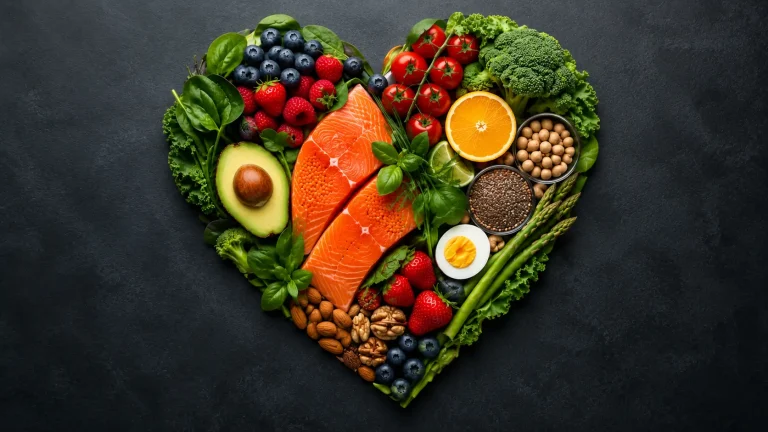
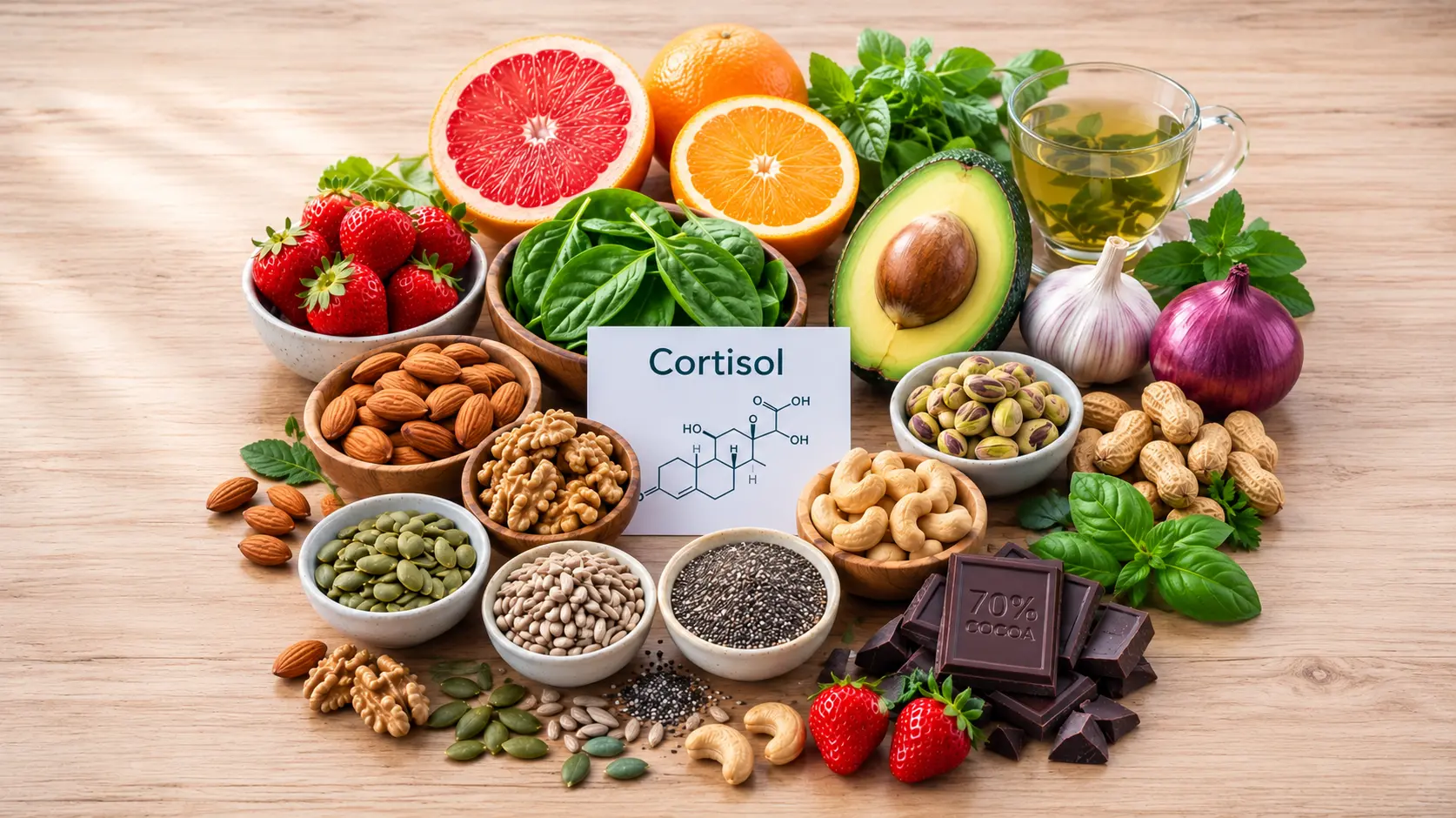
- Leafy Greens (Spinach, Kale): Packed with magnesium, these dark greens work wonders to relax contracted muscles and soothe overactive neural pathways.
- Citrus Fruits and Berries: Oranges, grapefruits, blueberries, and strawberries are exceptional sources of antioxidant compounds that combat the oxidative stress generated during high-pressure scenarios.
- Avocados: Rich in monounsaturated fats and essential minerals, avocados assist in stabilizing blood pressure spikes caused by stress.
Whole Grains and Complex Carbohydrates
- Oats: A comforting bowl of steel-cut oats promotes a steady, controlled release of serotonin without causing erratic insulin spikes.
- Sweet Potatoes: These supply the brain with complex energy while satisfying sweet cravings naturally, preventing stressful blood sugar plunges.
- Brown Rice and Quinoa: These whole grains provide a sustained release of cellular energy, ensuring your brain never perceives a lack of fuel as a stress emergency.
Protein and Healthy Fats
- Fatty Fish (Salmon, Mackerel): Excellent sources of marine-based healthy fats that reduce systemic inflammation and prevent large spikes in stress hormones.
- Nuts and Seeds (Walnuts, Almonds, Pumpkin Seeds): A handful of these delivers healthy, protective fats and vital minerals that build resilience against anxiety.
- Dark Chocolate (In Moderation): High-quality dark chocolate (70% cocoa or higher) contains powerful antioxidants proven to lower systemic stress indicators.
Gut-Friendly and Calming Foods
- Fermented Foods (Yogurt, Kefir, Kimchi): These reintroduce beneficial bacterial strains to your gut microbiome, strengthening the gut-brain axis against external stressors.
- Herbal Teas (Chamomile, Ashwagandha, Green Tea): Chamomile and green tea (rich in the amino acid L-theanine) encourage calm focus, while ashwagandha acts as a powerful adaptogen to assist the body in normalizing its internal cortisol balance.
Key Nutrients That Help the Body Manage Stress
Well, just the way we have seen the foods that can help you manage stress, let us also check out te key nutrients that help your body to mange the stress efficiently.
- Magnesium: Known as the ultimate relaxation mineral, it actively blocks stress neurotransmitters from binding to receptors in the brain.
- Omega-3 Fatty Acids: These protect brain cells from structural damage caused by long-term high cortisol levels.
- Vitamin C and B Vitamins: Vitamin C is rapidly depleted by the adrenal glands during stress. That is what makes replenishment crucial. Meanwhile, B vitamins keep your nervous system fueled and healthy.
- Probiotics and Gut-Supportive Fiber: These elements nourish the gut microbiome. This will make sure that smooth production of mood-stabilizing chemicals.
Foods and Habits That Can Raise Cortisol Levels
We have already covered the foods that help you reduce the cortisol levels. However, it is equally important to check out the foods that can raise your cortisol levels.
- Excess Caffeine: Relying heavily on energy drinks or endless cups of coffee artificially forces your adrenal glands to secrete more cortisol. It mimics a perpetual state of emergency.
- Refined Sugar and Processed Foods: These trigger rapid inflammation and cause severe blood sugar spikes. It keeps your body’s survival instincts on high alert.
- Alcohol and Skipped Meals: Alcohol may feel relaxing initially. But, it ultimately disrupts sleep patterns and causes blood sugar imbalances. Similarly, skipping meals forces your body into a state of perceived scarcity. It triggers a protective spike in cortisol.
Building a Stress-Reducing Eating Pattern
Are you going through a chronic stress issues? Well, we recommend a holistic approach to your daily routine. Start your day with steel-cut oats topped with sliced almonds and fresh berries. For lunch or dinner, enjoy wild-caught salmon paired with roasted sweet potatoes and a generous side of sautéed kale.
You should also focus on the consistent eating behaviour. Eating regular, balanced meals prevents blood sugar drops. A proper hydration keeps your cellular functions running smoothly.
For a more accurate diet plan for stress relief, consult a qualified nutritionist or dietitian for personalized dietary guidance.
Managing your stress levels needs you to develop a multifaceted approach. however, you do not have a single magic formula that works as a universal cure. At Qua Nutrition, we recognize that no two individuals possess the same reasons and stressors.
Our team of expert nutritionists is dedicated to curating highly personalized, scientifically driven diet plans tailored to your specific needs. Discover the power of customized nutrition. Visit Qua Nutrition today to start building your roadmap to a balanced, stress-resilient life.
FAQs
Q: Can diet alone lower cortisol levels?
A: A nutrient rich food can effectively reduce the cortisol levels. However, you should also look for lifestyle adjustments. We also recommend adequate sleep, regular physical activity, and stress-reduction techniques
Q: How long does it take for diet changes to reduce stress?
A: You should get improvement in your baseline energy and mental clarity within a few days. However, long-term regulation of chronically elevated cortisol typically takes a few months of consistent nutritional habits.
Q: Is caffeine completely off-limits for high cortisol?
A: You need not leave coffee completely. We recommend limiting caffeine intake to one or two cups early in the day, ensuring you never consume it on an empty stomach, which can cause a sharper cortisol spike.
Q: Are supplements necessary alongside these foods?
A: Whole foods should always form your foundation. However, if deep nutrient deficiencies are present, targeted supplementation under professional guidance can accelerate your recovery.
Q: What is the best time of day to eat stress-reducing foods?
A: Focus on incorporating complex carbohydrates and magnesium-rich foods into your evening meals. This supports the natural downward curve of cortisol, paving the way for restful, deep sleep.