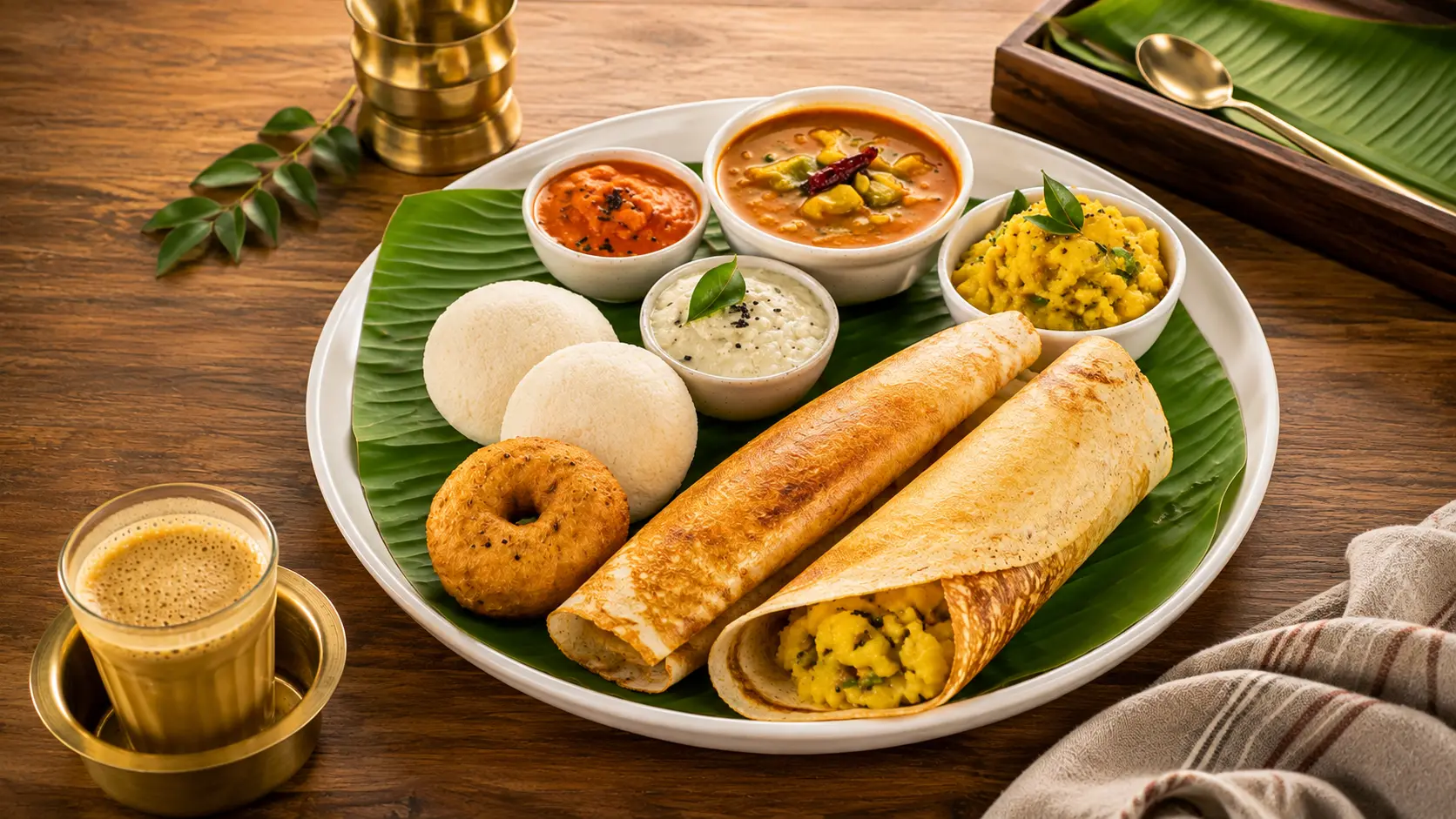
Eating the appropriate breakfast can help keep hunger, energy and food choices in check throughout the day. But if the goal is weight loss, the Indian breakfast doesn’t have to be boring, restricting, or altogether different from what you already love.
Many classic Indian breakfasts, from idli and dosa to poha, upma, pongal, paratha and chapati, can be part of a healthy weight-loss regimen. It’s usually a matter of portion size, the ingredients, the cooking methods and what you match with your meal.
The idea is simple: Eat a breakfast that nourishes you, keeps you content and matches your overall calorie and nutrition demands.
So what does an ideal Indian weight-loss breakfast look like? Here’s the breakdown.
Why Do Some Indian Breakfasts Make Weight Loss Difficult? Understanding Hidden Calories and Portion Sizes
Walk into most Indian kitchens and breakfast is the same. Idli, dosa, poha, paratha, upma. Comforting. Familiar. Virtually all carbohydrates. Little protein, little fiber and typically more oil than anyone is keeping track of.
This is what it does to your body:
1. The blood sugar rise and fall cycle: Refined carb breakfasts (white rice idli/dosa batter, maida paratha, sweet upma) are digested quickly. Blood sugar increases, insulin follows and 2-3 hours later you’re slammed with a crash – which your brain interprets as hunger. Which is why you’re plundering the pantry by 11 AM.
2. The protein gap: For a healthy adult, around 0.83g of protein per kilogram of body weight per day is advised. For a 60kg adult, that’s about 50g/day and most Indian breakfasts include only about 4-6g of it. Protein keeps you full, retains your muscle while you lose fat, and slows digestion to prevent spikes and crashes.
3. Portion blindness: A bowl 3x the size of what is advised for a “healthy” breakfast means it is no longer nutritious. The rules recommend about 50-60g of cereals per meal for an adult. Most restaurant or home servings of poha or upma are double that and have no protein to balance it.
Adjust the protein gap and the portion size and the same foods you already adore become weight loss friendly.
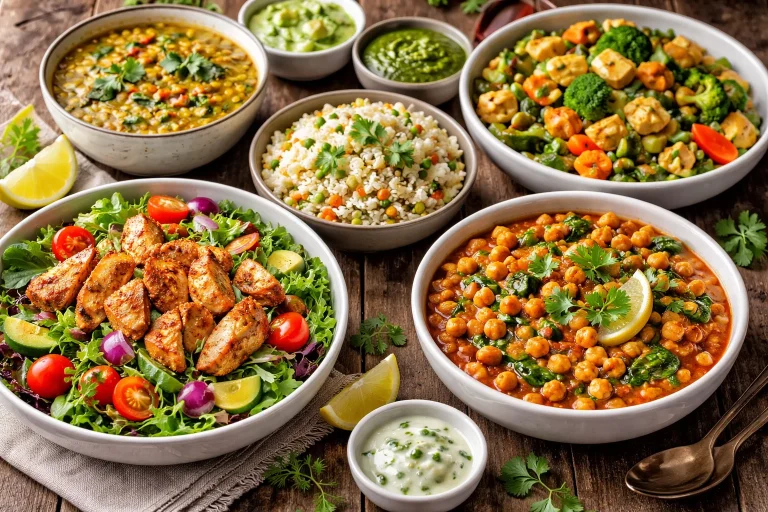
Indian Breakfast Ideas for Weight Loss: Healthy, High-Protein, and Filling Options
Each one below is based on a better protein-to-carb ratio, greater fiber, and a smarter portion not a diet food swap
1. Moong Dal Chilla
~180 calories | ~12g protein
Savory pancake with soaking, ground moong dal. It is high in protein, naturally gluten-free and goes well with some mint chutney.
Qua Tip: Soak the dal a bit longer (6–8 hours) and blend it thick, not runny—a denser batter holds more dal per chilla, which equals more protein in the same size pancake.
2. Besan Cheela (Vegetable)
~200 kcals | ~10g protein
Grated carrot, onion and coriander chickpea flour pancake. All in one pan fiber and protein.
Qua Tip: Add a spoonful of curd while preparing the batter – it adds protein, makes the cheela soft and prevents it from getting rubbery as it cools down.
3. Sprouted Moong/ Poha Salad:
~160 calories | ~11g protein
Substitute ½ the poha with sprouted moong. All the comfort of poha with double the protein and fiber.
Qua Tip: Sprout your own moong (soak overnight, drain, cover for a day) instead of buying pre-sprouted – fresher sprouts keep their protein and crunch far better than packaged ones.
4. Multigrain Roti with Egg Bhurji
~280 kcal | ~18g protein
Scrambled eggs with onion, tomato and green chiles rolled within 1 tiny multigrain roti. One of the very best protein selections on this list.
Qua Tip: Cook the eggs low and slow, not high and fast. This preserves them soft and prevents the protein from getting rubbery, so this dish remains pleasant rather than dry.
5. Paneer Bhurji Rolls
~220 kcal | ~ 14g protein
Paneer crumbled and sautéd with veggies and minimal spices. Great vegetarian choice and it actually fills you up.
Qua Tip: Use fresh unpressed paneer, not the packed frozen sort. It crumbles better, and has more protein per gram than the low-fat store varieties.
6. Ragi Dosa
~150 kcal | ~6g protein (+8g if you add sambar)
Finger millet dosa – This is lower in glycemic load than rice dosa. It is high in calcium and fiber. Always have it with sambar or a side of curd for the protein boost.
Qua Tip: This is a carb-heavy dish on its own, so never miss the sambar or curds on the side. That combination is what makes it a meal instead of a snack.
7. Oats Idly
~140 calories | ~7g of protein
Steamed instead of fried is a low GI option to rice idli. Serve with a protein rich chutney (peanut or moong dal chutney) to make it a complete meal.
Qua tip: Add a spoonful of soaked moong dal to the oats batter before steaming – it adds some protein without affecting the texture and is a great partner for the peanut chutney.
8. Sattu Drink with Boiled Eggs
~200 kcal | ~15 g protein
Roasted gram flour with water, lemon and a touch of salt is a North Indian favorite that is a natural protein shake. Add a boiled egg on the side and you’ve got a whole dinner.
Qua Tip: Sattu itself is rich in protein but low in carbs, always combine it with the boiled egg or a tiny multigrain roti so you’re getting a complete meal, not just a drink.
9. Vegetables with Dalia (Broken Wheat Upma)
~180 cal | ~7g protein
Broken wheat provides more fiber and protein than rice upma. Load it up with vegetables and a dollop of roasted peanuts.
Qua Tip: Dry toast the broken wheat in the skillet for a minute before adding water it does something to the texture and helps it grab onto the peanuts and vegetables better, so you actually consume the protein and don’t leave it in the bottom of the bowl.
10. Roasted Chana and Fruit with Curd
~190 kcal | ~12g protein
No cooking necessary. Roasted chana for a nice crunch and protein. Curd for probiotics and satiety.
Qua Tip: Add the roasted chana only at the time of eating and not while the curd is still warm from the fridge. Keeping it separate till the last moment retains the crunch and makes the dish more delicious and less likely to be gobbled down too fast.
11. Stuffed Methi/Palak Paratha with Curd (small)
~230 calories ~9g protein
The trick: one small paratha, not two big ones, and always with curd, never a second butter or pickle alone.
Qua Tip: Make the parathas thin, not thick. Thinner parathas mean less refined flour per piece, and hence, less carb load, and the curd on the side delivers the protein.
12. Quinoa Upma
~190 calories | ~8g protein
Like ordinary upma, but quinoa has complete protein (all 9 essential amino acids).
Qua Tip: Make sure to rinse the quinoa well before cooking to get rid of the bitter coating. It’s a tiny step that makes people actually eat the bowl instead of leaving the protein-rich half behind.
13. Idiyappam with Egg Gravy
~250 calories | ~14g protein
Steamed rice noodles with a light egg curry instead of a coconut-heavy stew, a South Indian staple.
Qua Tip: Lighten up the curry on the coconut milk and beef up the egg. It changes the calories from fat to protein without changing the taste much at all.
Each of these recommendations is a minor approach, not a product swap. If you’d rather not guess your way through amounts and pairings, that’s exactly what a personalized diet plan from Qua Nutrition is for, customized to your body, your objectives, and the breakfasts you actually want to eat.
The Weight Loss Breakfast Formula: How to Create Your Own Balanced Indian Breakfast
You don’t need to learn 15 recipes. One formula will be enough. Save this it works for literally any Indian breakfast, not just the ones on this list.
🍳 PROTEIN + 🌾 COMPLEX CARB + 🥦 FIBER/VEG + 🥜 HEALTHY FAT = A WEIGHT LOSS BREAKFAST THAT TRULY KEEPS YOU FULL
1. Protein: eggs, paneer, moong dal, sprouts, curd, chana
Keeps you full Maintains muscle Slows digestion
2. Complex carbs: millets, oats, brown rice, broken wheat
Consistent energy, no blood glucose drops
3. Fiber/Veg: onion, tomato, spinach, carrot, methi
Adds volume and nutrition for next to no kcal.
4. Good fat: peanuts, ghee, few nuts
Fullness, taste, in the right quantity
The rule of thumb: if you’re missing any one of these four on your plate, you’ll be hungry again in two hours, no matter how “healthy” the food looks on paper.
If your breakfast includes all four, it’s working for your weight reduction, not against it.
Foods to Limit or Avoid at Breakfast During Weight Loss: Common Indian Choices to Watch
Not every typical breakfast item deserves a place on your plate every day. A group of foods have been classified as HFSS high in fat, sugar and salt and recommended to be consumed in minimal amounts in the ICMR-NIN Dietary Guidelines for Indians (2024) since regular consumption is connected to a higher risk of obesity, diabetes and heart disease. This is well in the wheelhouse of a couple of popular breakfast culprits:
1. Heavily fried preparations: Puri, bhature and deep fried vadas are the major culprits. Deep frying adds calories but also increases the fat content of the food significantly and the problem is compounded by the fact that frying oil is often re-used or re-used.
2. Excess added oil/ghee: According to standards, a high-fat diet is one in which > 15% of the daily caloric intake is from added cooking oils, ghee or butter. This corresponds to about 30g of visible fat per day in a 2000 kcal diet. A ghee-loaded paratha, or an oil-slicked upma can take a huge chunk of that limit before 9 AM.
3. Breakfast foods and drinks high in sugar: Sweetened tea/coffee, packaged fruit juices, sugary cereals and breakfast items made with jaggery or sugar syrup (like some variants of sheera or shrikhand) spike blood sugar early and contribute to the added-sugar load which the guidelines suggest keeping below 5% of daily energy.
4. Highly processed foods: Packaged breakfast cereals, quick noodles, bakery items such as bread and biscuits made with refined wheat, and ready-to-eat snack mixes are often poor in fiber and micronutrients but high in calories – filling you up with the wrong stuff.
5. High fat, salt and sugar: Commercially prepared samosas, kachori, packaged namkeen and bakery products like cakes and cookies, for example. Handy for breakfast when you’re in a rush, but the guidelines say these are the foods to actively minimize not eliminate, but don’t build a daily habit around either.
The idea of the recommendations is moderation not elimination, so none of this means these items are off bounds permanently. The idea is to ensure that your regular breakfast does not fall in this category and reserve the puri-bhaji or the bakery delicacy for a plate for a special occasion rather than a Tuesday routine.
Does the Way You Cook Your Breakfast Affect Weight Loss? Understanding Oil, Frying, and Portion Control
Yes and this is one of the most underutilized levers in a weight loss breakfast. The same ingredients, cooked differently, may hold on to more nutrients, be easier on the digestion system or silently add extra fat. This is discussed in great detail in the ICMR-NIN 2024 recommendations, and is worth incorporating to your morning routine.
- Fermentation: idli, dosa and dhokla batters are important in Indian cuisine. Fermentation also helps make the micronutrients in the batter more digestible and bioavailable for your body to absorb more of them. This helps to make fermented breakfasts lighter than non-fermented ones.
- Germination/sprouting: Sprouting whole grains and legumes such as moong boosts vitamin and mineral bioavailability and vitamin content. You only want to grow the sprouts until they are as long as the grain. After that they eat up the nutrients they developed.
- Steaming : one of the best ways of cooking. Steaming prevents leaching of water-soluble vitamins and antioxidants because the food never comes into contact with the water used to cook it. Beta-carotene and lutein are more available. Same base ingredients, wildly varied nutrient retention. So steaming idli always beats frying.
- Boiling and pressure cooking: Good for pulses and legumes, as they eliminate antinutrients that interfere with digestion and reduce phytic acid that blocks absorption of iron, calcium, magnesium and zinc.
Use enough water so that if you pour it out you don’t lose B-complex vitamins and vitamin C. Overcooking lowers protein quality, so boil pulses until tender but not mushy.
The amount of oil used in the preparation is more about cooking than execution. Shallow frying is “lighter” than deep frying, but it breaks down nutrients more because the food is exposed to air and heat. Deep frying at high heat creates oxidized compounds and boosts fat consumption faster. But high-heat stir-frying with a little oil maintains nutrition and flavor.
The practical takeaway: Steaming is better than frying, pressure cooking is better than long boiling, and fermented or sprouted batters are better than plain batters for nutrient retention and digestion. When two breakfasts on this list have similar ingredients, the steamed or fermented version is generally the preferable choice.
Common Breakfast Mistakes That Can Sabotage Your Weight Loss Progress
1. Skipping breakfast entirely: This one tends to backfire – most people eat too much at lunch or snack more throughout the afternoon, negating any calorie “savings.”
2. Fruit-juice-only mornings: Juicing fruit strips it of its fiber and gives you an instant rush of sugar with no protein. Eat the fruit as it is, and add a protein source.
3. No protein tracking: Many people eating “clean” Indian breakfasts are nevertheless protein-deficient without knowing it since nobody told them to check. If you don’t know where you stand, it’s worth finding out.
Conclusion
You don’t have to give up the Indian breakfasts you enjoy to lose weight. It’s about making better choices regarding quantities, protein, fiber, cooking methods and added fats. A balanced breakfast of protein + complex carbohydrates + vegetables/fiber + a little healthy fat will help you feel more satiated, maintain muscle and control your overall calorie consumption.
If you are looking for Indian options that can slot into a weight-loss diet, there are lots of familiar choices from moong dal chilla and egg bhurji to ragi dosa with sambar, paneer bhurji or sprouts chaat. The secret is not perfection or restriction but the proper combination and portion for your needs.
FAQs
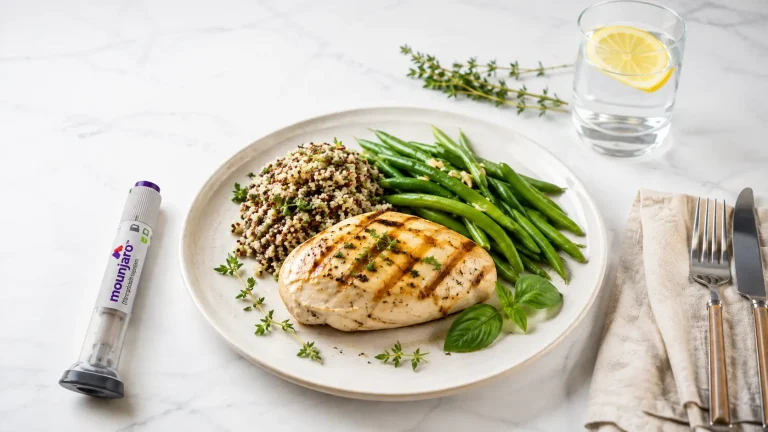
Q: Is Mounjaro superior to dieting for weight loss?
A: Mounjaro may lead to more effective weight loss than dieting alone for many people by helping control appetite and improve blood sugar levels. However, the best results are achieved when Mounjaro is used alongside a healthy and balanced diet and lifestyle changes.
Q: Is it possible to lose weight naturally without Mounjaro?
A: Indeed. Many people have been able to achieve effective weight loss through proper nutrition, regular exercise, sleeping well, and changing their habits. The key is to implement a practicable and sustainable approach to the way of living.
Q: Should I follow a diet while taking Mounjaro?
A: Yes. Even though Mounjaro may help in reducing appetite, it is important to follow a diet to have all the necessary nutrients and help the retention of muscles and health.
Q: Will I gain back weight when I stop taking Mounjaro?
A: Regaining weight may be an issue for individuals who have not continued eating healthily and exercising after stopping treatments. Thus long-term lifestyle practices may be important for success.
Q: Can QUA Nutrition help while I take Mounjaro?
A: Yes. At QUA Nutrition, we can design customized nutrition plans tailored to the weight loss treatment regarding medicine. We will ensure proper nutrition and tackle any side effects, as well as maintaining muscle.