
Have you ever thought about why the same diet that worked for you to lose 5 kilograms in your 20’s might not work anymore at the age of 40?
You’re eating healthy.You’re exercising.
You’re cutting calories.
But, the scale is refusing to budge.
As a nutritionist, it is one of the most common issues I hear from clients in their 40s and older.
The reality is, you’re not hallucinating.
Weight loss after 40 is different because your body is different. Hormonal changes, lowering muscle mass, slower recovery, stress, bad sleep, and lifestyle alterations impact the way the body burns calories and stores fat.
The good news is that your metabolism is not “broken,” and it just needs a more intelligent approach, instead of a stricter one.
Let’s figure out what exactly changes after the 40s and, what is more important, how you adapt your nutrition and lifestyle for effective fat loss.
Why Is Weight Loss Harder After 40?
A majority of individuals believe that metabolism collapses once they turn 40.
Studies indicate that though resting metabolic rate doesn’t change largely due to age, body structure changes drastically. As people age, it is common for them to lose muscle tissue, this process is called sarcopenia, and that muscle tissue can only be maintained through proper diet and exercises.
Muscle cells utilize energy more than fat and thus losing muscle doesn’t require your body to consume lots of calories.
There are numerous reasons for this situation.
1. Muscle Mass Loss (Sarcopenia)
From the age of 30, adults may lose 3% to 8% of muscle mass per decade with even faster muscle loss after age 60 when no preventive action is taken or other factors are considered. Hence:
Less muscle means:
- Lower metabolism
- Less strength
- Increased fat accumulation
- Decreased calorie burning.
This is one of the main reasons eating less often won’t help you.
2. Hormonal Changes
Hormones have a role to play in hunger, fat storage, muscle development, and energy consumption.
For Women
In women’s perimenopausal and menopausal periods:
- There are decreased estrogen levels
- Fat distribution is changed
- Muscle loss is increasing
- Sleep quality declines in many cases.
No wonder many women have issues with belly fat while keeping their diets relatively the same.
For Men
Men experience an age-related decline in testosterone levels:
The result is the following:
- less muscle mass
- More fat in the belly region
- Reduced energy levels
- Decreased performance in sports.
3. Decreased Movement
Those with work demands, family obligations, and long stationary hours usually are less active physically each day.
Although people may continue to work out as usual, they burn fewer calories in total as people do not move as much as usual during the day.
4. Insomnia and Stress Levels
Insufficient sleep results in:
- Ghrelin (a hunger hormone) levels rise
- A higher desire for sweet foods and stress-induced eating will be observed
- Cortisol level increases occur chronically.
- High cortisol levels can lead to increased storage of abdominal fat which makes weight loss more difficult.
5. Lower Insulin Sensitivity
Some people can experience lower insulin sensitivity with age.
This means:
- Blood sugar levels grow more easily
- Fat storage increases
- Energy dips happen more regularly
- Hunger returns faster after meals
One should take care of their diet after 40 years.
The Biggest Mistakes People Make After 40
Numerous individuals unintentionally hinder their progress due to adhering to outdated weight-loss guidance.
Eating too little
Crash diets tend to result in muscle depletion rather than the loss of fat.
The outcome?
- A lower metabolic rate
- Loss of energy
- Nutrient shortage
- Regaining weight
Excessive Cardio Exercise
Walking and running for hours on end without performing strength training burns calories but fails to retain muscle mass. It is crucial that muscle is preserved.
Insufficient Protein Intake
Protein plays several critical roles.
- Muscle maintenance is no exception.
- Repairing.
- Feeling full.
- Good metabolic health.
Many adults are not eating adequate protein.
Neglecting Strength training
Resistance training is proven to be one of the most effective ways of
- preserving muscle mass
- Boosting sensitivity to insulin
- Decreasing strength
- Promoting bone health
- Raising metabolic rate
Using Diet Trends from Social Media
Detox plans. Or juice cleanses. Or extreme fasting.
These are often impractical and seldom succeed in addressing the true causes of weight gain.
How to Lose Weight Successfully After 40
Instead of using the phrase “eat less,” cultivate an interest in achieving better body composition.
Make Sure There Is Protein in Every Meal
Protein plays a vital role in successful aging.
Evidence indicates that high protein diets allow people to lose weight while maintaining their muscles.
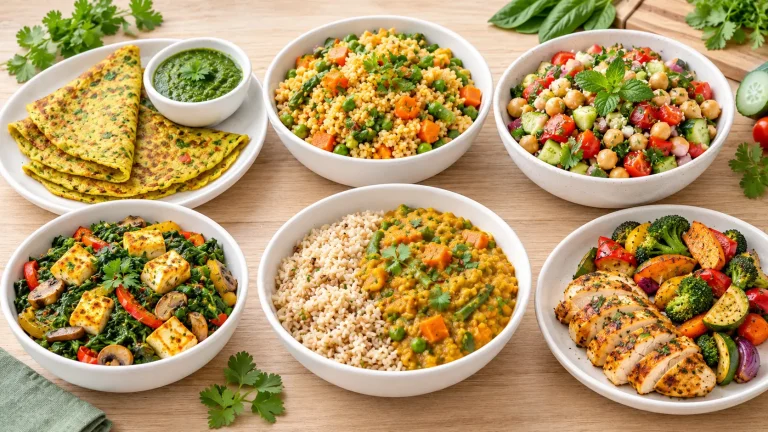
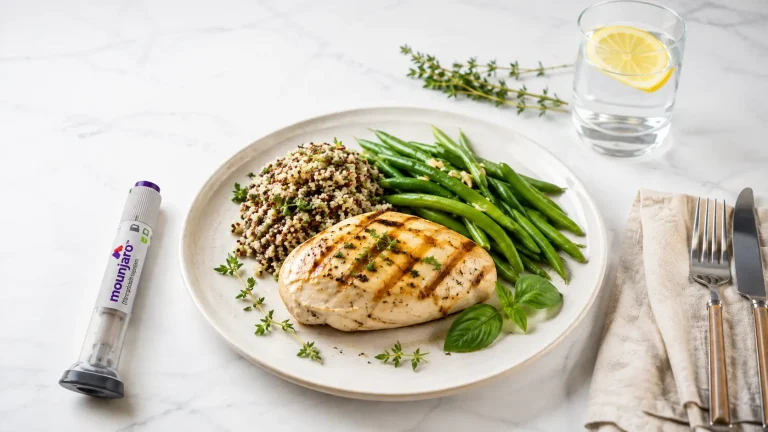
Specific foods that are good sources of protein include:
• Eggs
• Fish
• Chicken
• Greek Yogurt
• Paneer
• Tofu
• Lentils
• Soyfood
• Lean meat
• Whey protein (as appropriate)
Ensure to distribute the intake of protein evenly, rather than taking more protein in the evening only.
Make Sure to Strength Train Regularly
Strength training is one of the most effective means of aging successfully.
It is recommended to train muscles at least 2–4 times a week, all muscle groups included.
Some advantages of strength training that should be listed are:
• More muscle mass
• Better metabolism
• Lower percentage of fat
• Stronger bones
• Better posture
Bear in mind that the objective is not about weight loss but muscle loss as fat is burned.
Don’t be Afraid of Wholesome Carbohydrates
Carbohydrates are frequently held accountable for weight gain.
Nevertheless, quality is more essential than quantity.
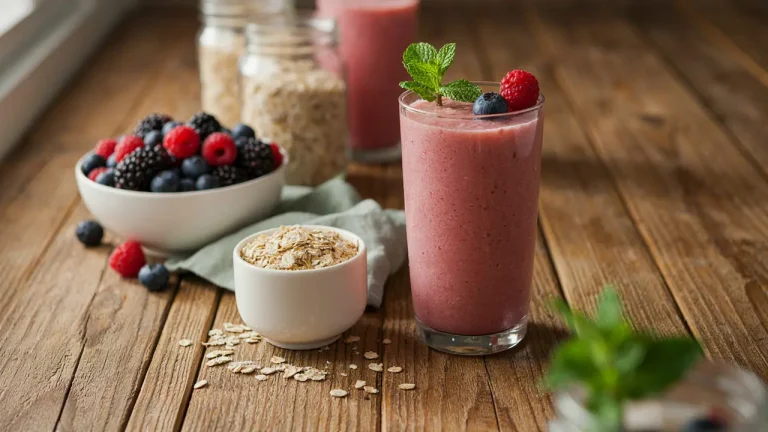
Here are some good choices:
- Oats
- Millets
- Brown Rice
- Whole Wheat
- Quinoa
- Fruits
- Beans
- Sweet potatoes
These edibles have a lot of fiber, vitamins, minerals, and steady energy.
Make sure to Add Beneficial Fats
Good fats help with hormone regulation and support brain and heart health.
Here are things to include:
- Nuts
- Seeds
- Olive oil
- Fatty fish
- Avocados
Portion control is also important because fats are high in calories.
Increase Fiber Intake
Fiber helps to:
- Increase satiety
- Aid digestion
- Stabilize blood sugar
- Help eliminate excessive eating
Ensure the intake of large volumes of fruits, vegetables, legumes, and complex carbs every day
Follow Good Sleep Practices
7 to 9 hours of good sleep every night is what adults should target.
Good sleep has positive effects on:
- Controlling appetite
- Healing
- Loss of weight
- Balance of hormones
- Energy levels.
Control Stress
Long-lasting stress has consequences on our eating habits and body condition.
Ways to control stress:
- Practicing yoga
- Meditating
- Performing deep breathing exercise
- Going for a walk in the nature
- Journaling
- Spending time with close people.
Be Physically Active in Addition to Exercising
Exercising isn’t enough.
You should increase your NEAT (Non-Exercise Activity Thermogenesis) through:
- Walking after eating
- Climbing stairs
- Standing up often
- Stretching between work hours
- Gardening
- Doing house chores.
Nutrition Is Personal After 40
The process of aging is different for each individual.
Your nutrition strategy should take into account:
- Hormonal balance
- Medical issues
- Blood test results
- Quality of sleep
- Stress levels
- Composition of the body
- Food choices
- Physical activity
This is the reason generalized meal plans do not work effectively.
A tailored nutrition plan provides better long-lasting results.
How QUA Nutrition Helps You Lose Weight After 40
At QUA Nutrition, we know that achieving weight loss isn’t achieved by starving yourself, rather it means understanding your body’s changing needs.
Our nutrition experts make personalized science-based plans after taking into account your lifestyle, health goals, and metabolic profile.
Our treatment is made up of the following techniques:
- Nutrition assessments.
- Personalized meal plans according to your taste.
- Body composition analysis (we care about fat loss not just weight loss).
- Protein optimization (need to preserve muscles).
- Advice on nutrition for strength training.
- Hormone-balanced nutrition plans.
- Help with menopause, perimenopause, and healthy aging.
- Blood test results analysis to check for deficiencies.
- Coaching on establishing a sustainable lifestyle with regular support.
We won’t prescribe you a restrictive diet but will develop the habits supporting healthy life in the long term.
Foods That Support Healthy Weight Loss After 40
A balanced diet should include nutrient-dense foods that help preserve muscle, improve satiety, and support metabolic health.
- Protein-Rich Foods
- Eggs
- Chicken
- Fish
- Greek yogurt
- Paneer
- Tofu
- Lentils
- Beans
- Fiber-Rich Foods
- Leafy greens
- Broccoli
- Carrots
- Apples
- Berries
- Oats
- Healthy Fats
- Almonds
- Walnuts
- Flaxseeds
- Chia seeds
- Olive oil
- Complex Carbohydrates
- Brown rice
- Millets
- Quinoa
- Sweet potatoes
- Whole grains
FAQs
Q: At what age is weight loss more difficult?
A: It is harder to lose weight after the age of 40 mainly due to various factors such as changes in the body composition, hormonal changes, loss of muscle mass, decreased activity level, poor sleep quality, and increased stress. All these factors can lower your daily energy expenditure and make it more difficult for you to lose fat, unless you change your lifestyle habits.
Q: Calculate how much protein I need to lose weight at the age of 40.
A: The need for protein is determined not only by your age but also by a number of other factors including body mass, health problems, and the level of physical activity. According to numerous studies conducted, the average amount of protein you need to consume is around 1.2-1.6 grams per kilogram per day.
Q: Which type of exercise is better - cardio or strength training?
A: Both varieties of exercising are necessary but strength training becomes particularly important after the age of 40 since it allows preserving your muscle mass, taking care of your bone health, improving the insulin sensitivity, and maintaining the metabolic rate.
Q: Do hormonal changes during menopause hinder weight loss?
A: Indeed, perimenopause and menopause can impact fat distribution in the abdomen, muscle mass, sleep, and appetite, therefore, working with a custom nutrition program, including adequate amounts of protein and regular strength training, can help overcome these changes.
Q: Does QUA Nutrition contribute to weight management after 40 years of age?
A: Of course! QUA Nutrition provides clients with individual nutrition programs based on scientific evidence taking into consideration personal factors such as age, body composition, health history, lifestyle, and health objectives.