
When someone comes in after a cancer diagnosis, they’re not just asking for a diet. They’re looking for a way to feel in control again. Cancer treatment, whether it’s chemotherapy, radiation, or immunotherapy, can be hard on the body. While doctors focus on treating the disease, a specialized dietitian for cancer helps the person stay strong enough to handle the treatment.
Today, nutrition in cancer care is becoming more personal. Instead of giving the same general advice to everyone, we now try to understand what works best for each individual. With tools like genetic testing, we can gain insights into how a person’s body uses nutrients, manages inflammation, and clears out treatment-related waste. Simply put, it’s about creating a plan that fits the person, helping them support their body and feel a bit more in control during a very challenging time.
How Cancer and Its Treatments Affect Nutritional Needs
Cancer isn’t just something that stays in one spot. It can affect the whole body. A tumor can make your body work overtime, using up energy faster than normal, which can leave you feeling weak or tired. Treatments like chemotherapy don’t only target cancer cells; they can also affect healthy cells, especially in the mouth and digestive system. Because of this, people may experience a sore mouth or mouth ulcers, changes in taste, nausea or vomiting, loss of appetite, and trouble digesting food. In short, both the illness and its treatment can make it harder for the body to get and use the energy it needs, which is why the right nutrition and support are so important during this time.
Why Nutritional Support Is Important During Cancer Treatment
Maintaining weight during cancer treatment is a big win for your health. Losing too much weight can force doctors to lower chemotherapy doses or postpone treatment. Eating well gives your body the nutrients it needs, such as protein, zinc, and selenium, to keep your immune system strong and safeguard vital organs. Good nutrition also boosts your energy and helps you manage treatment side effects better.
Choosing the right foods can support muscle strength and help avoid fatigue. Staying hydrated is just as important because fluids help remove toxins from treatment. Small, frequent meals can help you get enough calories, even if you don’t feel very hungry. A well-planned diet provides your body with what it needs to heal and recover better.
Key Nutrients Cancer Patients Need During Treatment
During cancer treatment, the body requires extra support to remain strong and recover. Good nutrition helps maintain energy, boosts the immune system, and repairs tissues. Identifying the nutrients your body needs most can make a big difference in how you feel each day.
- Protein: You need significantly more protein during treatment than a healthy adult does. Think of it as the foundational element for repairing tissues.
- Healthy Fats: Fats are calorie-dense, which is vital for patients with low appetites. Omega-3s found in walnuts and flaxseeds can also help reduce inflammation.
- Hydration: Chemotherapy drugs are often hard on the kidneys. Regular fluid intake helps flush these toxins through the system.
Best Foods to Include During Cancer Treatment
During treatment, focusing on nutrient-dense foods helps your body get the most from every bite. Choosing foods that are easy to digest and rich in vitamins, minerals, and protein can support energy, healing, and overall wellness. Make sure you include the following in your meals:
- Plant-Based Proteins: Lentils, chickpeas, and edamame are easier to digest than heavy red meats.
- Cruciferous Power: Broccoli and kale contain glucosinolates, which support the liver’s natural detoxification pathways.
- Quinoa and Oats: These provide slow-release energy without the sudden spikes and drops in energy associated with white bread or pasta.
Foods Cancer Patients May Need to Limit or Avoid
Safety is the top priority when your immune system is compromised during treatment. Low white blood cell counts, especially neutrophils, make it harder for your body to fight off foodborne bacteria. Being mindful of what you eat can prevent infections and keep you on track with recovery.
- Raw Foods: This is the time to skip sushi, medium-rare steaks, and unwashed raw sprouts.
- Refined Sugars: It’s a myth that sugar directly feeds cancer, but eating a lot of sugar can increase inflammation and cause insulin spikes, which may make recovery harder.
- Greasy/Fried Foods: These stay in the stomach longer and are the primary triggers for chemotherapy-induced nausea.
Managing Common Eating Challenges During Cancer Treatment
Eating during cancer treatment can be difficult, as symptoms like nausea, mouth sores, and changes in taste make meals less appealing. With a personalized diet plan from a dietitian for cancer patients, making small adjustments and personalized strategies can help you get the nutrition your body needs
- The Metallic Taste: Use bamboo or plastic cutlery. Marinate proteins in citrus or maple syrup to cut through the metallic taste often caused by chemo.
- Managing Mouth Sores: Avoid spicy or acidic foods. Use a blender to make power bowls of avocado, silken tofu, and mild fruits.
- Small Meals: Skip three big meals and have 5–6 small, high-calorie snacks throughout the day.
How Cancer Genetic Testing Helps Personalize Nutrition
Nutrigenomics is the study of how your genes respond to food. By performing cancer genetic testing, we can provide insights into how your body processes nutrients, detoxifies, and handles inflammation. Understanding these genetic factors helps create a personalized diet that supports your health and recovery.
- MTHFR Gene Variations: Does your body have trouble processing folate, an essential nutrient for DNA repair?
- Detoxification Pathways: How well do your GST genes handle the toxic byproducts left after chemotherapy?
- Inflammatory Markers: Are you genetically at risk for high inflammation? If so, we may increase the use of curcumin and ginger extracts.
It’s important to adjust the diet to your unique genetic profile so that your body isn’t fighting the food you’re consuming.
Sample 1-Day Diet Plan During Cancer Treatment
A balanced diet can promote your health and recovery, especially when it meets your needs. This sample 1-day plan focuses on nutrient-rich foods that offer protein, fiber, and healthy fats. Each meal is designed to be easy on digestion while maximizing energy and nourishment.
- Breakfast: Overnight oats with chia seeds, almond butter, and blueberries (high fiber, high calorie).
- Snack: A small cup of Greek yogurt or a plant-based protein shake.
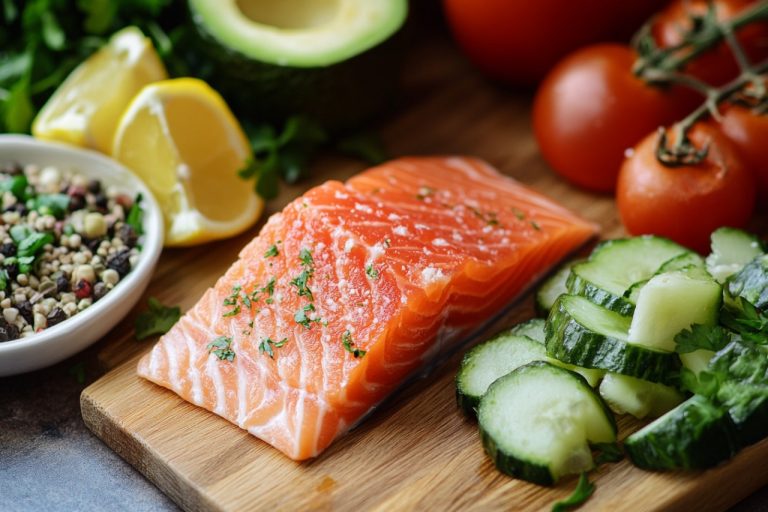
- Lunch: Flaked salmon or tofu over a bed of quinoa with steamed zucchini.
- Snack: Hummus with soft-boiled carrots.
- Dinner: Homemade chicken or vegetable soup with extra olive oil stirred in for calories.
- Before Bed: A small glass of ginger-infused coconut milk.
Lifestyle Tips to Support Nutrition During Cancer Treatment
Nutrition is the fuel, but lifestyle is the engine that helps your body actually use that fuel. When you are going through treatment, your body is under immense stress, and small daily habits can significantly impact how well you absorb nutrients.
- Prioritize Restorative Sleep: Your body does its heaviest repair work while you sleep. Aim for 7-9 hours. If treatment causes insomnia, try a consistent wind-down routine with herbal teas like chamomile.
- Gentle Movement: You don’t need a gym. A simple 10-minute walk or light stretching can stimulate your appetite and prevent muscle atrophy. Movement also helps with fatigue.
- Hydration is Vital: Chemotherapy drugs can be taxing on the kidneys. Sip on water, infused fruit waters, or clear broths throughout the day to help flush toxins out of your system.
- Mindful Eating: When taste changes occur, try to focus on the textures of food rather than just the flavor. Eating in a calm, stress-free environment can also help reduce digestive upset.
When to Consult a Dietitian During Cancer Treatment
Many people wait until they have lost significant weight to speak with a dietitian, but the best time to start is the day you receive your diagnosis. A specialized oncology dietitian can bridge the gap between your oncologist’s clinical plan and your daily routine. You should definitely reach out if:
- Unintentional Weight Loss: You lose more than 2% of your body weight in a month.
- Persistent Side Effects: Nausea, diarrhea, or mouth sores are preventing you from eating for more than 24 hours.
- Difficulty Swallowing: You feel a lump or pain when trying to eat solid foods.
- Personalization: You want to move beyond generic advice and use cancer genetic testing to see which nutrients your body needs to recover faster.
Personalized Nutrition: Your Path to Healing
The journey through cancer is deeply personal, and so is your nutrition. We have moved past the era of just eating whatever you can. Today, through the science of nutrigenomics, we can look at your DNA to understand your unique inflammatory markers and metabolic speed.
By combining the insights of a supportive dietitian with the precision of genetic science, we can build a plan that doesn’t just feed your body to fuel your comeback. At Qua Nutrition, we believe that every meal is an opportunity to heal. Our approach is backed by ongoing research in nutrigenomics and cancer‑focused nutrition science, ensuring that every recommendation is rooted in evidence and designed to help you get better. Take the first step toward personalized nutrition today with us.
FAQs
Q: What foods should cancer patients eat during treatment?
A: The focus should be on protein-rich foods, healthy fats, and antioxidants. Incorporate eggs, avocado, berries, and lentils into your meals.
Q: What is the best diet during chemotherapy?
A: A neutropenia-friendly diet that is high in calories and protein is best. However, using genetic testing to find your specific nutrient deficiencies makes the diet even more effective.
Q: How can cancer patients maintain weight during treatment?
A: Don’t drink water right before meals (it fills you up). Instead, use liquid calories like smoothies and soups that are fortified with healthy oils or protein powders.
Q: What foods help reduce chemotherapy side effects?
A: Ginger and peppermint are excellent for nausea. Plain crackers or dry toast can help settle the stomach in the morning.
Q: Can nutrition improve cancer treatment outcomes?
A: Absolutely. Well-nourished patients are more likely to stay on their treatment schedule, have fewer infections, and recover faster after surgery.
Q: How does cancer genetic testing help with diet planning?
A: It tells us which vitamins your body is naturally low in and which foods will best support your specific metabolic pathways during recovery.
Get Free Nutrition Consultation
Talk to our experts and get personalized guidance for your health goals.