Reaching that finish line in a marathon is a monumental achievement for any athlete or marathon enthusiast. But, it requires a lot of physical endurance and mental fortitude. However, that should not be the end of the marathon journey.
The next journey is all about your physiological recovery. Look at what you consume in the minutes, hours, and days following a marathon. It decides how rapidly and efficiently your body repairs itself.
At Qua Nutrition, our specialized sports nutritionists design personalized mwal plans for you. This makes sure that the body recovers faster after a marathon.
What Happens to Your Body After a Marathon?
After a marathon run, your body goes through a huge change. It enters into a recovery mode.
Glycogen depletion: Carbohydrates are saved in the muscles in the form of glycogen. It serves as the primary energy source for your body. By the e nd of a marathon, these glycogen reserves are thoroughly exhausted. It can cause profound systemic fatigue. It can also cause weakness until these stores are systematically replenished.
Muscle breakdown: Running for hours causes widespread structural micro-tears in muscle fibers. This can result in an inflammatory response in the body. You will experience acute muscle soreness, stiffness, and diminished muscular strength post-race.
Fluid and Electrolyte Loss: The body loses a lot of water and essential minerals via sweat. Critical electrolytes like sodium, potassium, magnesium, and calcium are lost. This disrupts intracellular communication, fluid balance, and normal muscular contractions.
Inflammation and Fatigue: Your immune system experiences a temporary downturn. That means structural rest and targeted nutrition are vital to protect overall health. It can elevate levels of inflammatory and muscle-damage biomarkers, such as creatine kinase and C-reactive protein.
Key Nutrients Needed for Marathon Recovery
After a marathon, your body will need to go through a complete recovery. There are a few nutrients that your body may need.
Carbohydrates for Glycogen Replenishment: The first step in your recovery is to restore the muscle glycogen. Consume fast-acting, easily digestible carbohydrates. They can help in a faster synthesis of glycogen.
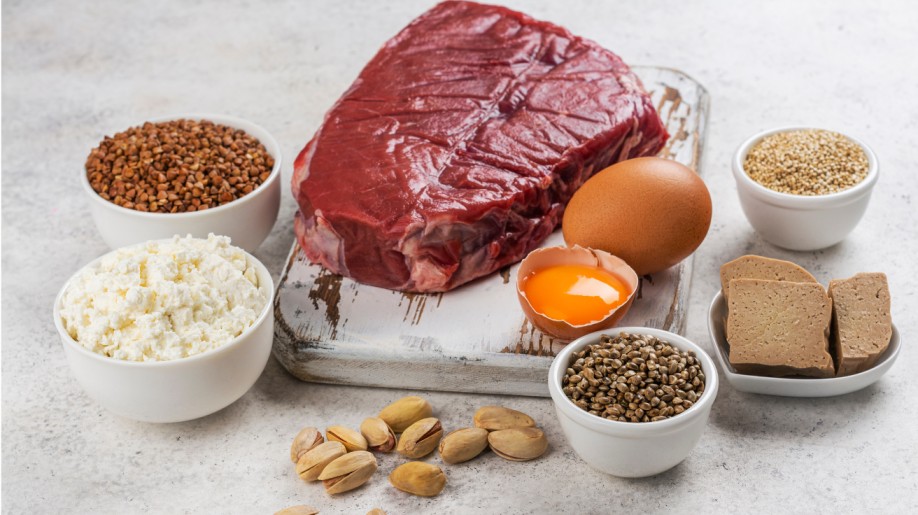
Protein for Muscle Repair: You need a high-quality source of dietary protein for muscle protein synthesis. Protein supplies the necessary amino acids required to repair damaged microstructures. It also helps rebuild muscle tissue and facilitate structural adaptation
Electrolytes for Rehydration: Just plain water will not rehydrate you. Electrolytes like sodium are important. They can help restore osmotic balance and enhance fluid retention.
Antioxidants for Recovery: Extreme endurance exercise increases oxidative stress. This produces many free radicals. These radicals cause muscle soreness and cellular fatigue. Antioxidants, such as vitamins C and E, polyphenols, and flavonoids, help control them.
Best Recovery Foods After Running a Marathon
Here are a few great foods that help in recovery after a marathon.
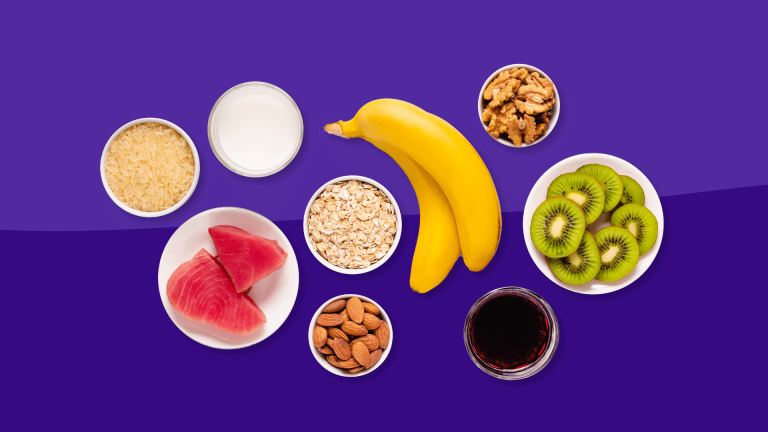
Banana : It is an exceptional source of easily digestible simple carbohydrates. It helps in glycogen replenishment. They provide potassium as well. This can help replace lost intracellular electrolytes.
Chocolate milk: It has a naturally optimal 3:1 or 4:1 carbohydrate-to-protein ratio. It offers rapidly absorbing sugars alongside whey and casein proteins. This can be extremely useful in hydration and muscle repair.
Eggs: They are a gold standard for bioavailable complete protein. It offers all essential amino acids along with healthy fats, vitamin D, and choline. These nutrients support cell membrane recovery.
Greek Yogurt: It yields higher protein concentrations than standard yogurt. It also provides calcium for muscular function. You also get beneficial probiotics to support gut health post-stress.
Lean chicken : It provides clean, dense protein containing high levels of leucine. It helps in triggering muscle protein synthesis.
Salmon: It is rich in high-quality protein and omega-3 fatty acids. It treats systemic inflammation. It also reduces delayed-onset muscle soreness (DOMS).
Sweet Potatoes : It is packed with beta-carotene, vitamin C, and potassium. It provides sustained energy release to replenish liver and muscle glycogen stores.
Rice and whole grains: Highly versatile and digestible carbohydrate foundations that allow runners to efficiently meet their elevated caloric and macronutrient needs post-race.
Watermelon: It is high in water content. That should help in immediate rehydration. Water melon is also naturally rich in L-citrulline. It also helps enhance blood flow and alleviate muscle soreness.
Nuts and seeds: They can help dense quantities of magnesium, zinc, and vitamin E. It also provides healthy monounsaturated fats to support cellular restoration and reduce oxidative damage.
Ideal Post-Marathon Recovery Meals
If you want to enjoy the best post-recovery after a marathon, you should focus on the right diet plan for marathon training.
Recovery Breakfast Ideas: Oatmeal prepared with milk, topped with a sliced banana, a handful of walnuts, and a scoop of quality whey protein isolate. You can also go with a three-egg scramble served with spinach on toasted whole-grain sourdough bread, accompanied by a glass of fresh orange juice.
Recovery Lunch Ideas: Our best recommendation is a grilled salmon fillet served over a bed of quinoa, alongside roasted sweet potatoes and a mixed green salad dressed with olive oil. It provides you a powerful dose of omega-3s, complex carbohydrates, and essential micronutrients.
Recovery Dinner Ideas: Roasted chicken breast paired with brown rice or whole-wheat pasta, served alongside stir-fried broccoli, bell peppers, and carrots is an excellent choice. It offers you vitamins, minerals, antioxidants, and macronutrients for overnight recovery.
Recovery Snack Options: Greek yogurt mixed with mixed berries and a drizzle of honey, or a recovery smoothie blending frozen watermelon, a scoop of plant or dairy protein powder, and a pinch of sea salt.
Foods and Drinks to Avoid Immediately After a Marathon
Here are a few foods that you should avoid soon after a marathon.
Excess Alcohol: Dehydrates the system further by acting as a diuretic, while directly impairing muscle protein synthesis and glycogen storage pathways.
Highly Processed Foods: Often rich in trans fats and simple refined sugars without providing the structural micronutrients or high-quality proteins required for biological healing.
Sugary Beverages: While rich in simple sugars, sodas and artificial beverages lack the balanced electrolyte profile necessary for proper rehydration, occasionally inducing gastrointestinal discomfort.
Heavy Fried Foods: High fat content significantly delays gastric emptying, slowing down the digestion and absorption of urgently needed carbohydrates and proteins.
Hydration Strategies for Faster Recovery
After a marathon, it is important to maintain a proper fluid balance in your body. The runners should ideally weigh themselves before and after the race. Roughly 1.5 liters of fluid for every kilogram of body weight should be consumed progressively over the next several hours.
Drinking only water can dilute your plasma levels. We recommend integrating electrolyte-rich beverages, sports drinks, or coconut water. You can monitor the color of your urine to understand the hydration status.
Recovery Timeline After a Marathon
Here is the optimum recovery timeline after you have run a marathon.
First 30 Minutes: The Metabolic Window
Focus on liquid nutrition. We recommend a beverage containing a balanced blend of carbohydrates and proteins, such as chocolate milk or a recovery shake. You should also consider an electrolyte tablet to immediately halt muscle breakdown and initiate glycogen synthesis.
First 24 Hours: Structural Replenishment
This timeline should focus on solid, whole-food meals every 3 to 4 hours. Continue hydrating regularly, listening closely to natural hunger cues as the metabolic rate remains elevated.
48–72 Hours After the Race: Managing Inflammation
Have foods rich in antioxidants and omega-3 fatty acids to manage peak tissue inflammation and alleviate delayed-onset muscle soreness.
Additional Recovery Tips Beyond Nutrition
In addition to the above food, we also recommend the following recovery tips for an enhanced degree of recovery.
Sleep and Rest: Deep sleep is helpful in physiological recovery. When you sleep, the pituitary gland releases human growth hormone (HGH). This helps in tissue repair and cellular adaptation.
Stretching and Mobility: Light dynamic stretching, yoga, and self-myofascial release is another good option. It can help restore normal muscle length, and relieve tightness.It also improves structural range of motion.
Active Recovery Techniques: Engage in low-intensity activities like casual walking, swimming, or easy cycling. This promotes local blood circulation. It also improves the removal of metabolic waste products without placing additional mechanical stress on damaged muscles.
Stronger Tomorrow Starts With Smarter Recovery Today
The proper recovery from a marathon requires you to combine strategic nutrition, systematic rehydration, and dedicated physical rest. In achieving this, you will need assistance from a certified nutritionist and expert.
At Qua Nutrition, we recognize that every runner exhibits unique metabolic rates, sweat profiles, and digestive tolerances. Connect with our sports nutritionist today to build your customized marathon roadmap.
FAQs
Q: What should I eat immediately after a marathon?
A: Within the first 30 minutes, have easily absorbable carbohydrates and proteins in a fluid form. We recommend chocolate milk, a targeted recovery shake, or a banana along with an electrolyte drink.
Q: How much protein do runners need after a race?
A: Runners should consume approximately 20 to 30 grams of high-quality, complete protein. Do so within the immediate hours.
Q: Is chocolate milk good for recovery?
A: Yes, chocolate milk is highly effective due to its natural 3:1 or 4:1 ratio of carbohydrates to proteins. It helps in simultaneous glycogen re-synthesis, muscle tissue repair, and fluid rehydration.
Q: How long does marathon recovery take?
A: The deep structural muscle repair and immune system normalization typically take anywhere from two to four weeks. However, immediate recovery should ideally begin in a few hours.
Q: What foods help reduce muscle soreness after running?
A: We recommend foods rich in omega-3 fatty acids. A few good examples are salmon and walnuts. Also, have foods rich in antioxidants. We recommend tart cherries, blueberries, and sweet potatoes.