
You are dreaming of a body resembling your favourite actor’s. Or perhaps some other role model. That definitely needs an intensive workout. But let’s make one thing clear. You cannot perform if you have an empty tank.
Confused? Well, what we mean is that you need to have the right food before or after the workouts. Your performance is completely dictated by what you put inside your body.
At Qua Nutrition, we believe the right nutrition is the invisible trainer that works in the background! Your coach may handle your performance, and your trainer can measure your strength. But a personalized nutrition plan is what works in the background of all this.
Why Fueling Strategy Matters for Long Workouts?
Your body is nothing less than a performance vehicle. But, just like your car needs fuel to perform, your body needs the right nutrition. If you indulge in workouts that go beyond 90 minutes, your internal fuel store begins to go down. If you do not have a proper meal plan to refill it, you may fail in your performance so much so that the workouts may not yield the expected results.
Proper fueling helps in the following ways:
- Maintaining Blood Glucose: Keeping your brain and muscles energized.
- Preventing Muscle Breakdown: Ensuring your body doesn’t eat its own muscle tissue for energy.
- Speeding Up Recovery: Starting the repair process before the workout is even over.
- Mental Clarity: Avoiding the “brain fog” that leads to poor technique and injury
Importance of Nutrient Timing in Sports Nutrition
Before you rush to the kitchen or the wellness store to fill yourself up, let us warn you about one important factor. What you eat is, of course, important. But the timing of the nutrient intake also has an impact on your workouts.
You are expected to consume specific nutrients at specific times for the best benefits. You should eat often, and you should eat at the right time. Align your intake with your metabolic window. That is what makes your body build up faster.
The Energy System In Long-Duration Exercises
Well, we just explained why fueling is important. But to fuel it properly, you should understand where your energy comes from.
During your long-term exercises, your body relies upon carbohydrates (Glycogen) and fats.
This is exactly what happens –
- The Glycogen Window: Your body stores carbohydrates in the muscles and liver as glycogen. This is your “high-octane” fuel. However, these stores are limited (usually around 1,800 to 2,000 calories).
- Fat Oxidation: For lower-intensity, long-duration efforts, your body burns fat. While we have nearly endless fat stores, the process of converting fat to energy is slow.
- The Aerobic Threshold: As your intensity increases, your body shifts from burning mostly fat to burning mostly glycogen.
Qua Nutrition tip – A customized nutrition plan helps train your body to become “metabolically flexible,” allowing you to burn fat efficiently while sparing your precious glycogen for the final sprint.
Pre-Workout Nutrition: How to Fuel Before Long Workouts
The purpose of pre-workout nutrition is to replenish your glycogen stores. This will ensure that you are well hydrated and full before beginning the exercise.
2–3 Hours Before Exercise
Have a meal rich in carbs, moderate in proteins, and low in fiber and fats.
This is because fats and fibers slow down digestion. When you are working out, you want the blood to rush to your muscles, not to your gut.
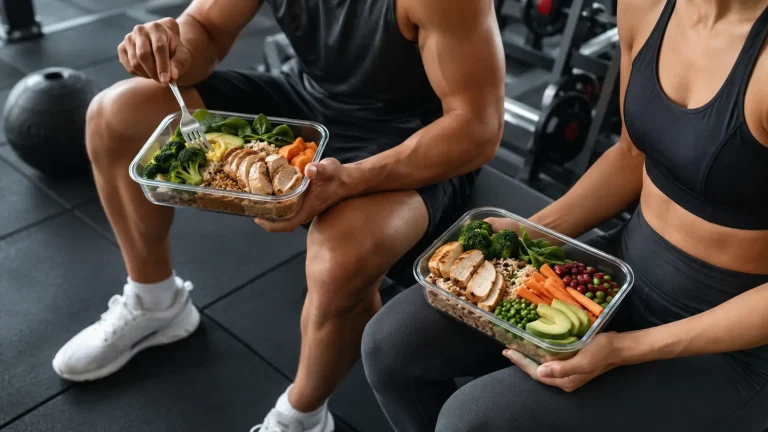
A few meal ideas include
- Whole-grain toast with almond butter and sliced strawberries.
- Brown rice with a small portion of lean chicken or tofu.
30–60 Minutes Before Exercise
This is the final top-up before you hit the gym or do any other workout. Have simple carbs so they enter the bloodstream immediately.
Some meal ideas include
- A piece of fruit (banana or orange).
- A handful of pretzels.
- A specialized sports gel or drink.
What to Eat During Long Workouts?
As soon as you pass 30 to 60 minutes of the workout, your body begins to run out of energy. That is why you need to eat something during the workout.
The carbohydrates
Look for 30 to 60 grams of carbohydrates per hour. For ultra-endurance athletes who work for over 3 hours, 90 grams per hour is the best option. You can even mix glucose and fructose to aid in absorption.
Electrolytes and Hydration
When you work out, you will not be losing water alone. You are losing sodium, potassium, and magnesium. Sodium acts as the best electrolyte for maintaining fluid balance and minimizing cramps.
At Qua Nutrition, we recommend having a good mix of real food and supplements. Small boiled potatoes with salt, rice cakes, or dates can be easier on the stomach during very long, low-intensity efforts.
Post-Workout Nutrition: Optimize Recovery and Muscle Repair
Your workout does not end when you stop moving. The effects of the workout will be visible only when your body has recovered and your muscles have built up.
This is what we recommend –
- Refuel: Replace the glycogen you burned with high-quality carbohydrates.
- Repair: Consume 20–30 grams of high-quality protein to fix the micro-tears in your muscle fibers.
- Rehydrate: Drink 1.5 liters of fluid for every kilogram of body weight lost during the session.
A good meal to consider includes a smoothie with Greek yogurt (protein), banana, and berries (carbs), or a bowl of quinoa with grilled fish and sweet potato.
Common Sports Nutrition Mistakes During Long Workouts
This is perhaps the most essential factor to consider. Even the most seasoned athletes may end up committing a few mistakes.
- Over-fueling on Fiber: Eating a massive salad or high-fiber cereal right before a run. Result? Urgent bathroom breaks
- Neglecting Sodium: Drinking gallons of plain water but ignoring salt. This can lead to hyponatremia (dangerously low blood sodium).
- Trying Something New on Race Day: Never test a new gel, bar, or meal on the day of a competition. Always “train your gut” during practice sessions.
- Under-eating Post-Workout: Thinking you’ll lose more weight by skipping the post-workout meal. This actually slows your metabolism and increases cortisol.
Role of a Sports Nutritionist in Performance Optimization
Well, you are reading this blog and can find most of the information on proper nutrition for pre- and post-workouts. Isn’t this enough? Why do you need a sports nutritionist?
Well, a sports nutritionist can help you in several ways –
- Blood Biomarkers: Are you deficient in Vitamin D or Iron?
- Sweat Rate Testing: Exactly how much salt and water do you lose?
- Body Composition Goals: Are you trying to gain lean muscle or drop fat while maintaining power?
- Lifestyle: How does your fueling fit into a 9-to-5 job or a busy travel schedule?
When to Consult a Sports Nutritionist?
If you resonate with any of the following, it’s time to seek professional advice:
- You experience frequent “bonking” or hitting the wall.
- You suffer from chronic GI issues during exercise.
- You are training hard but not seeing changes in your body composition.
- You feel constantly fatigued or have lingering muscle soreness.
- You are preparing for your first major endurance event (Marathon, Ironman, Trekking).
The Right Food Refuels And Boosts Your Performance
At the end of the day, a proper recovery is essential in a workout. The right nutrition before, during, and after the workout can help you achieve optimum recovery. If you do not want to leave your performance to chance, you should learn proper nutrition.
Ready to take your performance to the next level? Visit Qua Nutrition or book a consultation with our expert sports nutritionists today. Let’s build the fuel plan that takes you across the finish line stronger than ever.
My Headline
Q: What should I eat before a long workout for energy?
A: Have slow-releasing complex carbohydrates like oats, sweet potatoes, or whole-grain bread about 2–3 hours before. You can also add a small amount of protein to keep your energy high.
Q: How much should I eat during endurance exercise?
A: The general rule should be 30 to 60 grams of carbs per hour. Make sure to take it in small amounts.
Q: What is the best post-workout meal for recovery?
A: Choose a combination of lean protein and fast-acting carbohydrates. A chicken and sweet potato bowl or a whey protein shake blended with fruit and oats should be a good idea.
Q: Do I need carbs during long workouts?
A: Yes, you should take carbs after 60 to 90 minutes of workout. Your performance will drop without carbs.
Q: Is it okay to train on an empty stomach?
A: If you are into highly intensive workouts, it is never recommended to train on an empty stomach.
Q: How do I avoid fatigue during long workouts?
A: Focus on consistent fueling, proper hydration with electrolytes, and maintaining a steady pace.
Q: What are the best hydration strategies for athletes?
A: Do not drink only when you are thirsty. Sip a reasonable amount of water at regular intervals.
Q: How much protein do I need after a workout?
A: Aim for 20–30 grams of high-quality protein (like whey, soy, lean meat, or legumes) to stimulate muscle protein synthesis.
Q: What foods help with muscle recovery?
A: Anti-inflammatory foods like tart cherry juice, turmeric, fatty fish (rich in Omega-3s), and antioxidant-rich berries help reduce muscle soreness and oxidative stress.