Diet for Pregnant Women

Contact Us
Good nutrition is the foundation of a good pregnancy. During this crucial period, the physiological changes in the mother’s body are enormous, and the diet is the only source of nourishment for the developing child. Eating healthily during pregnancy does not mean eating twice as much food; it means eating more of the important vitamins, minerals, and macronutrients needed for cell growth, organ development, and maternal health.
Qua Nutrition provides a scientific and personalized approach to nutrition throughout pregnancy. Our nutritionists for pregnancy can propose blood tests or genetic testing to detect nutritional deficiencies and specific health risks, depending on your needs. A specific nutrition plan for the pregnant mother is developed after analyzing the findings to help her and the unborn child during the pregnancy.
How Important Is a Personalized Diet Plan for Pregnant Women?
Each pregnancy has different nutritional needs. Some may experience severe nausea and vomiting in the first trimester, while others may have problems like gestational diabetes, anemia, acidity, constipation, or excessive weight gain in the latter stages. Such conditions can be a unique problem that a one-size-fits-all pregnant dietary plan wouldn’t address very effectively.
An individualized diet plan for pregnant women ensures that nutritional intake is matched to body composition, medical conditions, activity levels, and trimester-specific needs. Women who have twins, thyroid problems, dietary intolerances, PCOS, diabetes, or high blood pressure typically need additional structure in their nutritional support.
At Qua Nutrition, we carefully analyze blood parameters, lifestyle factors, and food habits before recommending a plan from our expert nutritionists. Mothers are guided with a tailored nutritional approach to attain and sustain a healthy weight during their pregnancy. A balanced diet for pregnant women also helps to enhance digestion, reduce fatigue, regulate cravings, and boost postpartum recovery.
1-Day Simple Diet Plan for Pregnant Women
The sample pregnancy diet plan below provides an idea of how meals can be balanced in a day. The actual diet plan may vary depending on factors such as age, growth stage, activity level, food preferences, and overall health.
Early Morning: A glass of warm water with soaked almonds and walnuts.
Breakfast: Vegetable oats or moong dal chilla with curd and seasonal fruits.
Mid-Morning Snack: Fresh coconut water along with fruits such as a banana, orange, or apple.
Lunch: Brown rice or whole wheat roti with dal, grilled fish or paneer, cooked vegetables, salad, and curd.
Evening Snack: Buttermilk with roasted chana or fruit with peanut butter.
Dinner: Vegetable khichdi or multigrain roti with chicken curry, tofu, or mixed lentils, along with sauteed vegetables.
Bedtime: A glass of milk with turmeric or a handful of nuts.
This type of diet plan for pregnant women ensures a steady intake of protein, fiber, calcium, iron, and healthy fats throughout the day.

Essential Nutrients Required During Pregnancy
Pregnancy requires a lot of nutrition for the body. Some nutrients are especially important because they are directly involved in fetal growth and maternal health.
Folic Acid: Folic acid is vital early in pregnancy, as it can lower the chance of neural tube abnormalities. Sources of folate are spinach, legumes, citrus fruit, and fortified cereals.
Iron: Iron helps your blood flow healthily and carry oxygen. Iron deficiency during pregnancy can cause fatigue and anemia. Good additions to a healthy pregnancy diet include lean meats, lentils, dates, beans, and leafy greens.
Vitamin D and calcium: Calcium and vitamin D help the baby’s development of bones and teeth. To boost calcium levels, include milk, yogurt, paneer, and fortified dairy products in the diet, along with exposure to sunlight.
Protein: Protein is important for fetal growth and tissue repair. A pregnancy diet plan should include eggs, fish, poultry, legumes, dairy products, nuts, and seeds on a regular basis.
Omega-3 Fatty Acids: Omega-3 fatty acids promote the growth of the brain and eyes. Good sources include salmon, walnuts, chia seeds, sardines, and flaxseeds.
Fiber: Fiber helps to prevent constipation and promote good digestion. Fiber is present in whole grains, fruits, vegetables, and legumes.
Foods to Include in a Healthy Pregnancy Diet
During pregnancy, it’s best to choose nutrient-dense foods. They give you long-lasting nourishment and energy.
Fruits and veggies: Fresh fruits and vegetables provide antioxidants, vitamins, minerals, and fiber. Spinach, broccoli, carrots, sweet potatoes, berries, bananas, oranges, and avocados are all great to eat during pregnancy due to their nutritional content.
Whole grain: Whole grains like oats, quinoa, brown rice, whole wheat bread, and millets offer long-lasting energy and support digestive health.
Protein Sources: Protein-rich foods like eggs, poultry, fish, lentils, paneer, curd, nuts, and seeds are essential for fetal growth and tissue repair.
Dairy: Milk, yogurt, and cheese can provide the extra calcium and protein needed during pregnancy.
Good Fats: Healthy fats from nuts, seeds, olive oil, and fatty seafood help maintain hormone balance and fetal brain development.
Hydrating Beverages: Water, soups, buttermilk, and fresh coconut water keep you hydrated and support digestion.
Foods to Limit or Avoid When Pregnant
Just as there are nourishing foods to include in your pregnancy diet, there are also some foods to avoid to ensure a safe and healthy journey.
Raw or Undercooked Foods: Raw seafood, undercooked eggs, and partially cooked meat can contain harmful bacteria and parasites.
Raw Dairy Products: Soft cheeses and unpasteurized milk products can contain bacteria that cause infection.
Mercury-Rich Fish: Swordfish and king mackerel can be rich in mercury, which can affect brain development in a fetus.
Processed and Sugary Foods: Processed foods, fizzy drinks, and fried snacks are high in calories but low in nutrition.
Alcohol and excess caffeine: Avoid drinking alcohol when you’re pregnant and cut back on caffeine.


Tips and Lifestyle Changes for a Healthy Pregnancy
A pregnancy diet plan is only part of the equation for a healthy pregnancy. Lifestyle choices also play a huge role in the health of a mother and her fetus.
Eat Small, Frequent Meals: Smaller, regular meals can help decrease acidity, bloating and nausea.
Stay Physically Active: Doctor-prescribed exercises, walking and prenatal yoga can all help circulation, posture and vitality.
Maintain Proper Hydration: Adequate water intake supports amniotic fluid balance, nutrient transport, and digestion.
Prioritize Sleep and Stress Management: Hormonal changes and exhaustion can affect general health and appetite, so it’s important to get enough sleep and manage stress.
Avoid Restrictive Dieting: Skipping meals and crash diets are not recommended during pregnancy. Pregnant women should have a balanced diet and focus on nourishment, not calorie restriction.
Why Choose Qua Nutrition for Pregnancy Nutrition Guidance
At Qua Nutrition, we understand that prenatal nutrition is not only about regular meal recommendations. First, our nutritionists perform a detailed consultation to understand the mother’s health history, dietary preferences, lifestyle choices, and nutritional concerns. Pregnancy genetic testing may be proposed according to the needs of the person to identify deficiencies and health risks.
From these results, our experts develop a personalized healthy diet for pregnant women that facilitates proper fetal growth, healthy weight gain, enhanced energy and improved digestion. Regular follow-ups and support ensure that the nutrition plan is maintained as the pregnancy progresses.
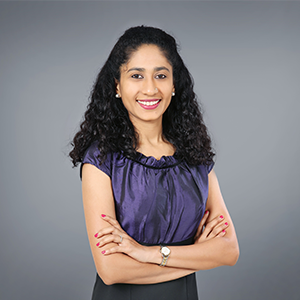
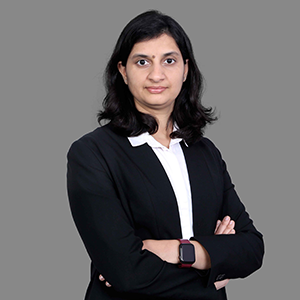
Our Top Nutritionist




Our Success Stories
Q: What should pregnant women consume daily?
A: Eat fruits, vegetables, whole grains, dairy, healthy fats, and protein-rich foods such as eggs, salmon, lentils, nuts, and seeds every day.
Q: What foods should be avoided during pregnancy?
A: Pregnant women are advised to avoid raw seafood, undercooked meat, unpasteurized dairy products, alcohol, and mercury-rich fish.
Q: How much protein does a pregnant woman need?
A: Protein needs do vary, but most pregnant women typically need roughly 70 to 100 grams of protein every day.
Q: How many calories are needed during pregnancy?
A: Depending on your activity level and any health issues, most women require about 300 more calories a day throughout the second and third trimesters.
Q: What are the key nutrients during pregnancy?
A: Some of the most critical nutrients in pregnancy are folic acid, iron, calcium, vitamin D, protein, omega-3 fatty acids, and fiber.
Q: What foods help reduce morning sickness?
A: Eating smaller, more frequent meals; bananas; ginger tea; plain bread; apples; and crackers may help minimize nausea.
Q: How much water should pregnant women drink?
A: Pregnant women should aim for at least 8-10 glasses of water daily to maintain hydration.
Q: How can pregnant women improve their iron levels naturally?
A: Iron levels can be improved through foods like leafy greens, beans, lentils, dates, lean meats, and vitamin C-rich foods that improve iron absorption.