
The most frustrating aspect of menopause may be the weight gain, particularly if it occurs without any dietary changes. So many women find that shedding pounds just gets harder, particularly around the midsection, even while sticking to what feels like a genuinely healthy diet. This isn’t just “getting older” in some vague sense. Shifting hormones, muscle loss, and a metabolism that’s naturally winding down all factor into how your body handles fat.
The good news? Small modifications to your diet can make a big difference. And strangely enough, some things you’re told are “healthy” may be working against your goals at this time of life. Hidden sugar, refined carbs and excessively processed food can pack in the calories without truly filling you up.
This guide walks through why weight loss gets tougher post-menopause, points out five foods that might surprise you, and offers better alternatives that support your health long-term. It’s not about giving up your favourite meals forever, it’s about making better choices that work with your body as it changes, not against it.
Why Weight Loss Is Harder After Menopause
Estrogen drops as menopause approaches and this changes the fat storage around the body from hips and thighs to more around the belly and this is why many women notice more fat around the belly without doing anything different. At the same time, sarcopenia, or age-related muscle loss, accelerates in midlife. Muscle burns more calories at rest than fat, so losing lean mass reduces your overall calorie needs, making your body’s needs in your 50s very different from your 30s. At this stage, diet choices are more important than ever. Eating nutrient-dense, protein-forward foods helps you preserve muscle, stay satisfied and keep a metabolism that works for you.
5 Surprising Foods to Avoid for Weight Loss After Menopause
Flavoured or Low-Fat Yoghurt: Low-fat yogurt often conceals hidden sugars added to replace stripped fat, sometimes matching a dessert’s sugar content. Switch to plain or Greek yoghurt for higher protein, sustained satiety, and control over sweetness using fresh berries.
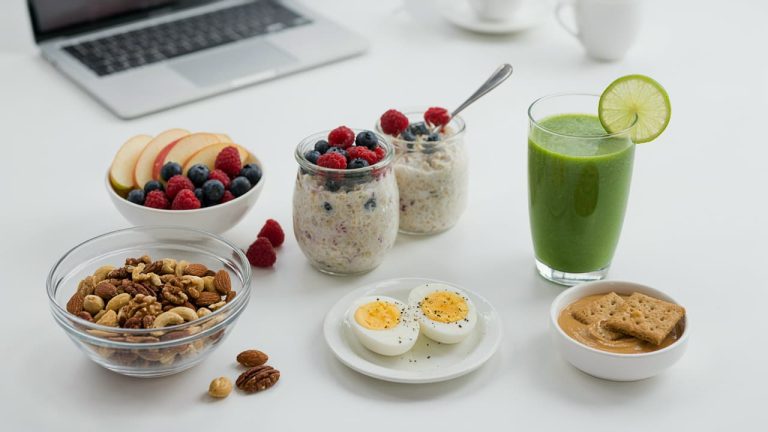
Granola and cereal bars: Often marketed as a healthy snack, these bars are often loaded with syrups and refined grains, providing the same amount of calories as a candy bar without the sustained energy. Choose whole oats or a homemade trail mix with nuts and seeds for sustained energy.
Fruit Juices and Smoothies: Juicing removes essential fibre, while shop-bought smoothies often include hidden syrups and fruit concentrates that spike blood sugar. Eating whole fruit provides the necessary fibre, vitamins, and antioxidants to keep your appetite in check.
Alcohol (Especially Wine): Alcohol hinders weight loss by delivering empty calories, disrupting sleep, and pausing fat-burning while your liver processes it. Enjoy it only occasionally, sip slowly, and avoid sugary mixers to protect your progress.
“Diet” or Low-Fat Packaged Foods: Diet or low-fat products typically replace the missing fat with additional sugar and refined starches, which will leave you hungry and ready to overeat. For better long term nutrition, eat more whole, less processed foods like vegetables, eggs, fish and legumes.
What to Eat Instead for Healthy Weight Loss After Menopause
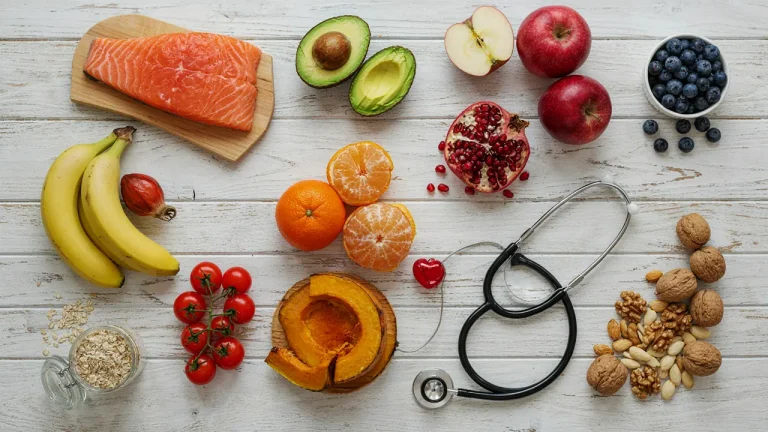
Instead of fixating only on what to cut, it helps to build meals around foods that protect your muscle, support your bones, and actually keep you full.
Protein-rich foods to preserve muscle mass
Try to work protein into every meal. Solid choices include:
- Greek yoghurt
- Eggs
- Fish such as salmon or sardines
- Chicken and lean meats
- Tofu and legumes
Protein helps hold onto muscle and keeps hunger at bay between meals.
Fibre-rich whole foods for satiety
Fibre slows down digestion, supports gut health, and helps keep appetite in check. Make room for plenty of:
- Oats
- Brown rice and millets
- Lentils and beans
- Leafy vegetables
- Apples, berries, and pears
Healthy fats and calcium-rich foods
Healthy fats are important for hormone balance and calcium is more important for protecting the bones after menopause sets in. Good sources include:
- Salmon and other oily fish
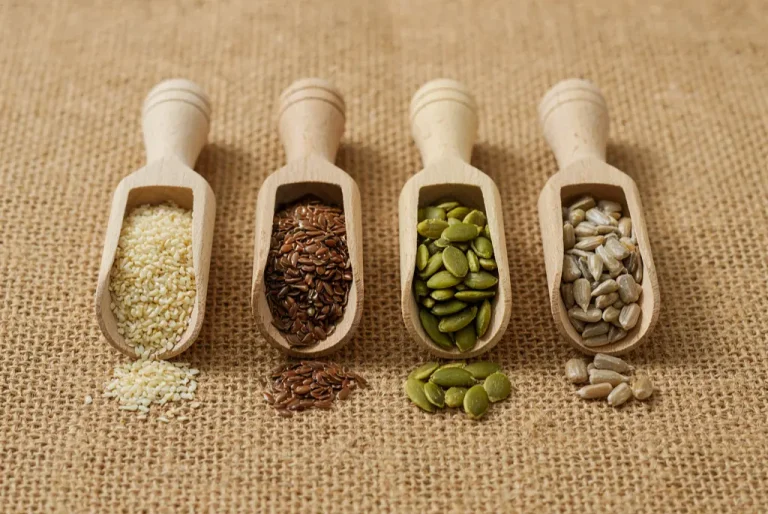
- Walnuts and flaxseeds
- Milk or fortified plant-based alternatives
- Yoghurt and low-fat cheese
- Broccoli and leafy greens
Additional Lifestyle Tips for Weight Loss After Menopause
Strength training to support metabolism
Resistance training is one of the best ways to combat muscle loss. A couple of sessions a week can help strengthen your muscles and stop your metabolic rate sliding any further.
Prioritising sleep and stress management
Cutting back on sleep increases hunger hormones and the urge for sweet food. Get 7 to 9 hours of quality sleep if you can, and include some stress-reducing routines like walking, yoga, meditation, or even just breathing exercises.
Staying consistent rather than restrictive
Extreme diets almost never hold up long-term. Small, doable habits, such as eating more protein, cutting back on sugary drinks, and staying active tend to outperform any attempt to cut out entire food groups overnight.
Common Myths About Menopause and Weight Loss
| Myth | Fact |
| Weight gain is unavoidable after menopause. | Hormones raise the risk, but eating well and staying active can still support weight loss. |
| Eating less is the only solution. | Eating too little can actually accelerate muscle loss and slow the metabolism further. |
| Low-fat foods are always healthier. | Many are loaded with added sugar and refined carbs instead. |
| Belly fat cannot be reduced after menopause. | Fat distribution shifts, yes, but steady nutrition and strength training can still reduce overall body fat. |
| Carbohydrates should be completely avoided. | Whole grains and fibre-rich carbs are actually beneficial and support health long term. |
Final Thoughts
Menopause changes how your body stores fat and burns energy, but that doesn’t put healthy weight management out of reach. Keeping an eye on hidden sugars, processed “diet” foods, alcohol, and calorie-heavy snacks can add up to a real difference over time.
The approach that actually works isn’t about being perfect; it’s about building meals around protein, fibre, healthy fats, and whole foods, and staying active along the way. Small, steady changes hold up far better than restrictive dieting ever does.
If menopause-related weight gain has you stuck, or you’d like a nutrition plan built specifically for you, working with an experienced dietitian can make a real difference. At Qua Nutrition, our team builds evidence-based meal plans shaped around hormonal changes, lifestyle, and long-term health goals, helping women manage weight sustainably through menopause and beyond.
FAQs
Q: Is it normal to gain weight even while eating healthy after menopause?
A: Yes. Hormonal changes, loss of muscle and a slower metabolism can lead to weight gain even if your eating habits have not changed. But changing your diet and activity can still make a real difference.
Q: Can I still eat these foods occasionally?
A: Of course. The occasional treat is part of a healthy, balanced life. It’s about moderation, not total avoidance.
Q: What is the best diet approach for menopausal weight loss?
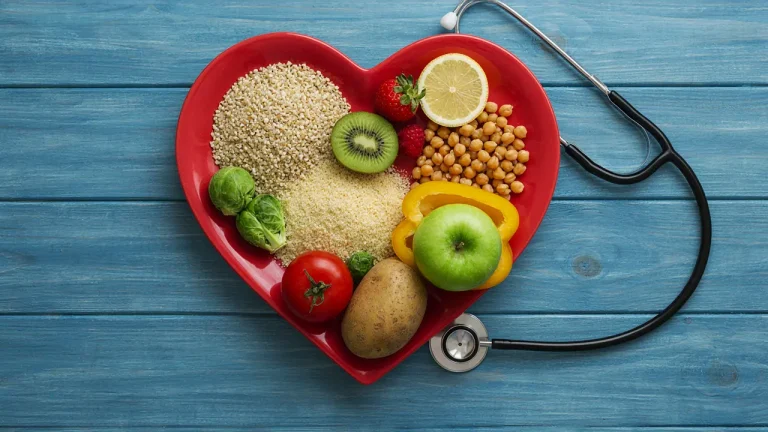
A: A balanced diet built around protein, fibre, vegetables, whole grains, and healthy fats tends to work better than anything overly restrictive. Holding onto muscle mass matters especially during this stage.
Q: Does cutting these foods guarantee weight loss?
A: No. Weight loss comes down to overall calorie balance, activity, sleep, stress, and individual health factors. Cutting these foods just removes some common roadblocks along the way.
Q: How important is exercise compared to diet at this stage?
A: Diet lays the groundwork for managing weight, while strength training and regular movement help protect muscle, support metabolism, and keep you healthy well beyond menopause.