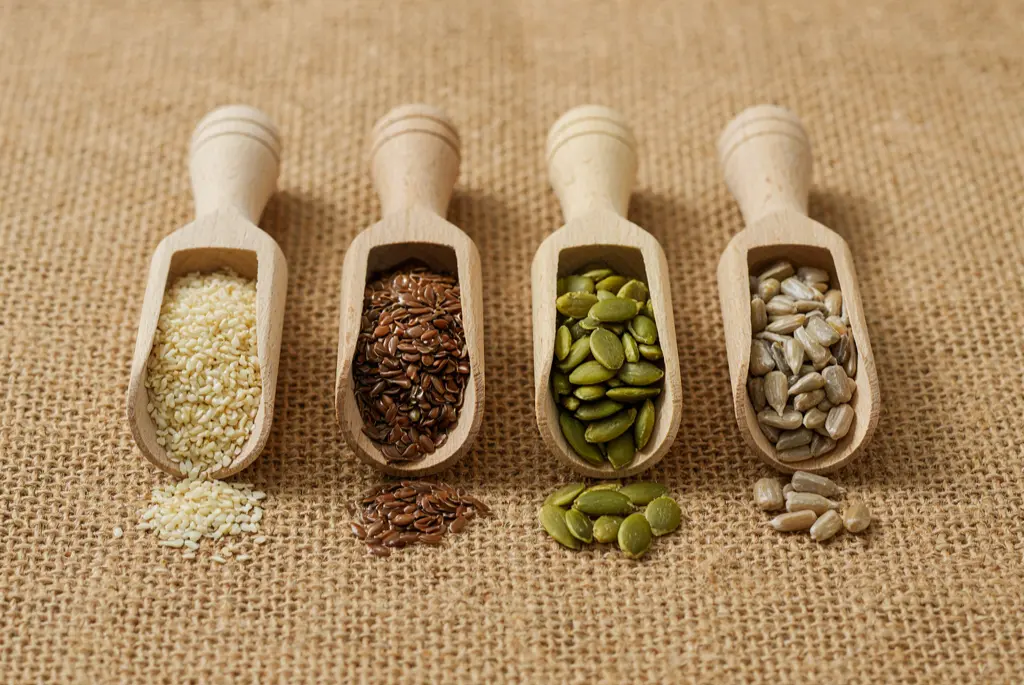
The seeds are small, but they have a lot of nutrition on your plate. They contain fibre, plant protein, healthy fats, vitamins, minerals and bioactive plant compounds, depending on the variety. From flax seeds and chia seeds to garden cress and sabja, traditional Indian seeds, each seed has a different nutritional profile.
But you do not have to eat every seed every day. The better way is to pick a few that fit into your diet and use sensible portions and rotate them through the week.
Why Should You Include Seeds in Your Daily Diet? Understanding Their Nutritional Benefits
Seeds are a nutrient-rich food that can add fibre, protein, unsaturated fats, and micronutrients to your diet.
They can provide depending on the seed:
1. Dietary fiber
2. Vegetable protein.
3. Unsaturated lipids
4. Plant Omega-3s
5. Magnesium, zinc, iron and other mineral
6. Vitamin E and other vitamins
7. Polyphenols, antioxidant compounds and other antioxidants
Examples include flax and chia, which are good sources of fibre and alpha-linolenic acid (ALA), a plant-based omega-3 fatty acid. Pumpkin seeds are high in magnesium and zinc and sunflower seeds are high in vitamin E. Sesame seeds contain lignans such as sesamin and sesamol, and hemp seeds supply protein/essential amino acids.
Seeds can be exceptionally easy to add into everyday meals. They can be added to curd, oats, smoothies, salads, soups, rotis, chutneys and homemade snack mixes.
The point is not to eat all the seeds every day. A few kinds, used regularly and rotated through the week, are all you need.
10 Healthy Seeds to Eat Every Day for Better Nutrition and Overall Wellness
1. Flaxseeds: Fibre, Plant Omega-3 & Lignans
Flaxseeds (also known as linseeds) consist of three important components: fibre, ALA omega-3 and lignans.
Soluble and insoluble fibre are good for the digestive system and ALA is a plant based source of omega-3 fatty acids. Lignans are plant compounds that have antioxidant activity.
Flaxseed has been studied for cardiovascular and metabolic health. Research suggests it may help improve some measures of cholesterol and blood pressure. But the results may differ depending on the dose, the length of time and the form in which it is taken.
Best way to eat: Ground flaxseed is better than whole flaxseed, generally, because grinding it helps make the nutrients more available, when you digest it. Add to oats, curd, smoothies, rotis or breakfast bowls 1-2 tsp.
2. Chia Seeds: Fibre & Plant Omega-3
Chia seeds are a good source of fibre, ALA omega-3, protein, magnesium, manganese and antioxidant polyphenols.
They absorb water and form a gel, which makes them handy for overnight oats, puddings and smoothies. They also can aid in fullness and digestive health because of their fibre content.
Research has examined chia in relation to blood pressure, triglycerides and cholesterol with some promising results. However, chia should be considered part of a healthy diet, rather than a treatment.
Best way to eat them: Either soak them or add them to moist foods like curd, overnight oats and smoothies.
3. Pumpkin Seeds: Magnesium, Zinc & Plant Protein
Pumpkin seeds provide plant protein, magnesium, zinc, iron, fibre and unsaturated fats. They also contain antioxidant compounds such as tocopherols and carotenoids.
Magnesium helps support normal muscle and nerve function and zinc is important for immune function and many biological processes. Pumpkin seeds are a studied food for metabolic, cardiovascular and inflammatory health, but the evidence is mixed across health outcomes.
Best way to eat: Raw: Eat a small handful or add to salads, soups, curd bowls or roasted veggies If possible, opt for unsalted or lightly salted versions.
4. Sunflower Seeds: Vitamin E & Healthy Fats
Sunflower seeds are high in vitamin E, protein, fibre, magnesium, selenium, copper, zinc, iron and folate. They are also a good source of unsaturated fats, especially linoleic acid, an omega-6 polyunsaturated fatty acid.
They also contain oleic acid, which is a mono-unsaturated fat.
Vitamin E is an antioxidant. Replacing foods that are high in saturated fat with sources of unsaturated fat can be part of a heart-healthy eating pattern.
Best way to eat: Add to salads, oats, curd bowls, homemade granola or trail mixes. Opt for unsalted or lightly salted varieties wherever possible.
5. Sesame Seeds: Healthy Fats & Plant Compounds
Sesame seeds are a regular part of Indian kitchens and are a source of healthy fats, protein, fiber, minerals and bioactive plant compounds.
Sesamin and sesamol are two compounds that have attracted scientific interest due to their antioxidant and other biological activities. There’s been research on sesame in terms of inflammation, oxidative stress and cardiovascular health.
But some of the evidence is based on preliminary or lab studies, so health claims should not be overstated.
Best way to eat: In chutneys, sabzis, rotis, salads, stir fries and traditional til preparations.
6.Hemp Seeds: A Convenient Plant Protein
Hemp seeds are especially good for getting more plant protein into your diet. They provide a good source of high quality protein, essential amino acids, omega-3 and omega-6 fatty acids. They are also high in compounds like polyphenols and terpenoids, which are being researched for their anti-inflammatory and antioxidant properties.
Best way to eat: Stir hemp seeds into smoothies, salads, yogurt, soups, muesli or grain bowls. They have a mild nutty flavor which makes them easy to incorporate into vegetarian meals.
7. Watermelon Seeds: An Underrated Nutrient Source
Watermelon seeds are edible and contain protein, healthy fat, iron and zinc.
Once prepared properly they are a convenient snack or addition to homemade seed mixes. They get a nice crunch from roasting.
Best way to eat: Eat roasted watermelon seed kernels or use in trail mixes and salads. Pick plain or lightly salted varieties to keep added sodium and additives to a minimum.
8. Muskmelon Seeds: A Traditional Indian Ingredient
Muskmelon seeds are popular in Indian gravies, sweets and traditional seed mixes.
They are a source of protein, fats and fibre and will add a rich and creamy texture when blended into recipes.
Best Way to Eat: Add to gravies, kormas, traditional sweets or homemade seed mixes.
9. Garden Cress Seeds: A Traditional Nutrient-Dense Seed
Garden cress seeds (halim, aliv) contain high levels of Iron folic acid, essential fatty acids and minerals. In India they are traditionally used in making laddoos and seed-based mixtures. Their slightly peppery flavour means a small quantity is generally enough.
Best way to eat: Add small amounts to laddoos, porridge or home-made seed mixes.
10. Sabja Seeds: The Soaked hydrating Seed
Sabja or basil seeds need to be soaked before consumption. On contact with water they swell to form a gelatinous outer layer.
They can increase fibre intake and are especially easy to add to drinks and moist foods.
Best way to eat: Soak them properly and add to homemade drinks, fruit bowls, curd, smoothies or traditional desserts like falooda.
Should You Eat Seeds Raw, Roasted, Soaked, or Ground? Choosing the Best Way to Prepare Them
The right preparation depends on the seed.
Ground: Flax Seed
Soaked: chia and sabja
Roasted: Pumpkin seeds, Sunflower seeds, Watermelon seeds
Whole: Sesame seed
As is: Hemp seeds or hemp hearts.
Choose the preparation that is practical, well tolerated and easy to incorporate consistently.
Easy Ways to Include Healthy Seeds in Your Daily Diet
Seeds have no need for complicated recipes.
Breakfast: Oats, smoothies or curd with ground flaxseed or chia.
Lunch: Top salad or veggies with sesame or sunflower seeds.
Snacks: Keep to a measured serving of roasted pumpkin or watermelon seeds.
Dinner: Add sesame to chutneys or crush muskmelon seeds for gravies.
It is often easier to stick to small additions to foods you already eat than it is to use completely new recipes.
Can Seeds Support Healthy Weight Management? Understanding Their Role in a Balanced Diet
Seeds are a good food to include in a weight management diet, as the fibre, protein and fats can help with satiety. But seeds are not weight loss foods alone. And because they are so energy dense, you can eat a lot of them and get a lot of calories.”
One practical way to do this is to serve them as measured portions as part of balanced meals or to replace them with less nutritious snacks.
Can Seeds Support Heart Health, Healthy Blood Sugar, and Cholesterol Levels?
Seeds are good sources of nutrients and bioactive compounds that may be beneficial for cardiovascular and metabolic health.
Flaxseed has been well studied. Clinical trials suggest it may improve some measures of lipids and modestly reduce blood pressure. Chia has also been found to have some promising effects on some cardiometabolic markers.
Other seeds are sources of healthy fats, fibre, minerals and plant compounds that can contribute to a well-rounded diet. But the evidence is not equally strong for all seeds or for all health outcomes.
Seeds can be part of a healthy diet, but they are not medicines. If you have diabetes, high cholesterol, hypertension or other medical conditions, continue to follow your healthcare professional’s treatment plan.
Can Eating Too Many Seeds Cause Side Effects? Understanding Portions and Tolerance
Most people usually tolerate moderately sized quantities well. Problems can occur if portions are large or if fibre intake increases suddenly.
Possible concerns are:
1. Gas or bloating
2. Digestive discomfort
3. Excess caloric intake
4. Allergies to seeds
5. Difficulty swallowing dry seeds
People with known allergies, digestive sensitivities or specific dietary restrictions should seek professional advice tailored to their needs.
How Qua Nutrition Helps You Select the Best Seeds For You
There’s not a “best” seed for everyone.
The right choice depends on your nutritional needs, dietary pattern, health goals, food preferences, digestive tolerance and general diet.
Qua Nutrition is not about just adding every trending seed to your diet. A personalised nutrition approach looks at where certain foods fit into your overall eating pattern. If your diet is lacking in fibre, for instance, flax or chia seeds can be useful additions. Hemp or pumpkin seeds can round out your meals if you’re after more plant-based protein. For more mineral rich foods, maybe pumpkin, sesame or sunflower seeds would be appropriate.
Personalized guidance can also help you to work out:
1. What seeds can meet your nutritional needs
2. How much you will need.
3. To eat them ground, soaked, roasted or whole.
4. How to incorporate them in your current meals
5. How to control portion sizes so you don’t eat too many calories
6. If it would be better to rotate different seeds rather than use one regularly.
Instead of settling for a one-size-fits-all seed-mix recommendation, Qua Nutrition allows you to choose seeds based on your needs and build them into a sustainable eating pattern.
Conclusion
Seeds are tiny, but they’re a mighty and versatile food that can add a lot of nutrition to everyday meals. Flaxseeds are a source of ALA, fibre and lignans. Chia also adds fibre and plant-based omega-3 fats. Pumpkin seeds supply protein, magnesium and zinc, and sunflower seeds are high in vitamin E and unsaturated fats. Sesame brings healthy fats and lignans, and hemp offers high quality plant protein.
You can also add variety to your diet by eating watermelon, muskmelon, garden cress and sabja seeds. You don’t have to eat all 10 every day. Pick a few that meet your nutritional needs, rotate them during the week and keep portions sensible .
The seed with the longest list of health claims may not be the best seed for you. It’s the fit for your nutritional needs, your meals, your tastes and your lifestyle.
FAQs
Q: What are the top seeds to eat daily for your health?
A: There’s not just one healthiest seed. Flax, chia, pumpkin, sunflower, sesame and hemp are all nutrient dense options but their nutritional profiles are different. The best choice will depend on your particular dietary needs and goals.
Q: How many seeds can I have in a day?
A:
A good starting point for many adults is 1–2 tsp per day will work for larger seeds such as pumpkin or sunflower seeds and other seeds.
Requirements differ from person to person.
Q: Do you eat seeds soaked, roasted or ground?
A: “It’s the seed that counts.” Normally flaxseed is ground, chia and sabja are normally soaked. Sesame is often eaten whole or lightly roasted. Pumpkin, sunflower and watermelon seeds are often roasted.
Q: Can Seeds Help You Lose Weight?
A: Seeds are rich in protein, fiber and fats all of which may help you feel full. But they are also high energy. Weight management is still about portion control and the quality of your diet.
Q: Will Qua Nutrition assist me in selecting the right seeds?
A: Yeah. Personalized nutrition helps you find which seeds are good for your diet, your nutritional needs, your health goals, your preferences and your tolerance, and the right portions and ways to put them in your everyday foods.