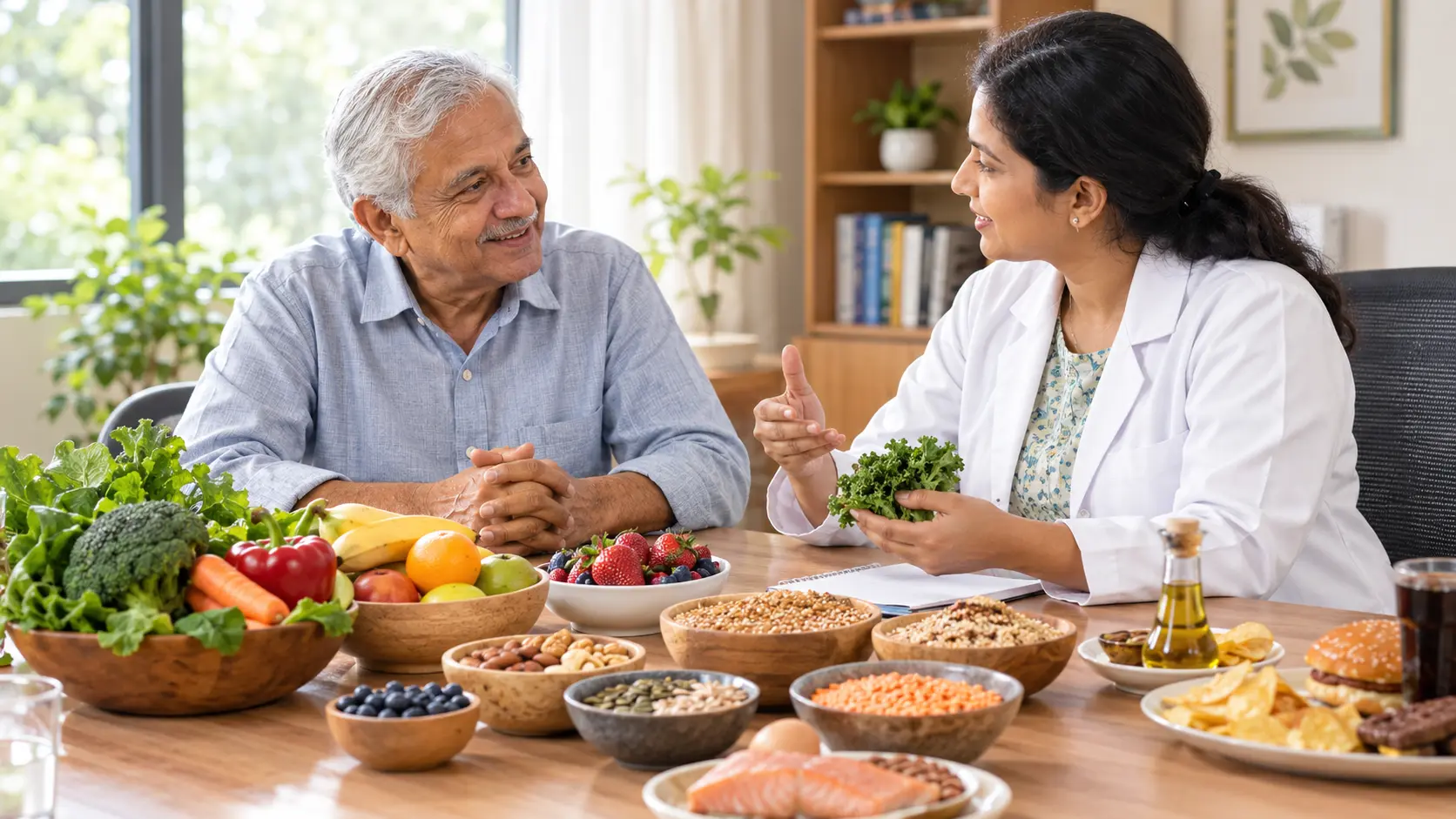
Parkinson’s disease is a progressive neurological disorder impacting movement, balance, coordination, and several non-motor functions. There is no specific diet to cure Parkinson’s disease but good nutrition can be an important factor to maintain strength, energy, bowel regularity, hydration and overall wellbeing.
Eating well can sometimes be a challenge for people living with Parkinson’s. Constipation, loss of appetite, difficulty chewing or swallowing, weight changes, and changes due to medications can all influence what and when you eat. Some people with Parkinson’s disease may find that the common medication Levodopa interacts with protein in their diet.
A healthy Parkinson’s diet in India need not be complicated or restrictive. Balanced eating patterns may include familiar foods such as dal, vegetables, fruits, roti, rice, millets, curd, nuts and seeds. The key is understanding individual nutritional needs and, where needed, adjusting meal composition and timing around medication.
Parkinson’s Diet: How Can Diet Help People With Parkinson’s Disease?
Nutrition in Parkinson’s disease is supportive, designed to help the body meet its energy and nutrient needs. A good diet can help to maintain muscle mass and strength, especially since less activity and unintentional weight loss can lead to muscle loss.
High-fibre foods and plenty of fluids can also help keep the bowel regular. Constipation is common in people with Parkinson’s and can be made worse by reduced physical activity, changes in gut function, medications and a lack of fibre or fluids.
Adequate calcium, vitamin D and other vital nutrients are also important for keeping bones healthy. This is especially important when mobility, balance and risk of falling are impacted.
Good nutrition may also help prevent unintentional weight loss and poor nutrient intake. But dietary needs can be hugely different from one person to another.
When planning meals, consider the schedule of medications, appetite, constipation, swallowing difficulties, weight changes, and tolerance to different foods.
Note: Nutrition is not a replacement for Parkinson’s medication or medical treatment. Instead the aim is to use food as a strategic tool to help nutritional status, strength and quality of life.
Foods to Limit or Avoid with Parkinson’s Disease
1. High-Protein Meals Around Levodopa
Some people find that a large meal high in protein can interfere with the absorption of levodopa and reduce or delay its effects. Avoid undue protein restriction. Timing may require adjustment on an individual basis.
Foods to avoid or limit in and around medication timing:
- Large chunks of paneer
- Big portions of rajma or dal
- Eggs.
- Poultry
- Seafood
- Meat
- Curd and large quantities of dairy
- Soya or tofu
- Lots of nuts and seeds
These foods can still be part of a healthy Parkinson’s diet. The concern is mainly about when and how much protein is taken in relation to levodopa, particularly in people who have motor fluctuations.
2. Highly Processed and Packaged Foods
Highly processed foods contribute sodium, unhealthy fats, added sugars, and calories, but offer less in the way of vital nutrients. Choosing them regularly can make it harder to eat a nutrient-dense diet.
Foods to limit or avoid:
- Crisps (Potatoes)
- Namkeen in packets
- Ramen noodles
- Biscuites en paquet
- Meat products
- Meals ready to eat
- Packages of savoury snacks
- Flavoured crackers
- Fried foods for commercial use
- Handling of frozen foods
Or choose less processed foods like fresh vegetables, fruits, whole grains, legumes, nuts and seeds more often.
3. Too Much Salty Foods
Eating too much sodium can contribute to eating too much sodium, and may increase the risk of high blood pressure. People with specific blood-pressure concerns may need personalised advice from their healthcare professional.
Foods to avoid or limit:
- Pickles
- Papad, Salty
- Nuts, salted
- Salted crackers
- Soups in bags
- Noodles
- Salted crisps
- Processed meat
- Pre-made sauces
- Too much table salt
Don’t cut out traditional foods like pickles or papad completely. Just keep the portions small and don’t make them everyday staples.
4. Refined Sugar and Sweets
Many foods and drinks that contain a lot of added sugars are high in calories but low in vital nutrients. Too much sugar may also make it harder to adhere to a nutrient-rich overall eating pattern.
Foods to avoid or limit include:
- Soda drinks
- Fruit drinks in package
- Sugar-sweetened drinks
- Cake
- Patisserie
- Crackers
- Mithai.
- Ice cream
- Chocolates
- Coffee or tea sweetened
- Breakfast cereals sweetened
Whole fruits are generally better than sugary drinks, as they contain fibre and other nutrients as well.
5. Deep-Fried and Fatty Foods
Eating deep-fried foods often adds lots of calories and fat without the nutrients that you get from vegetables, fruits, whole grains and other minimally processed foods.
Foods to avoid or limit
- Samosa
- Pakora
- Bhajiya
- Poori
- Bhature
- Kachori
- Vada
- French fries
- French fries
- Deep fried snack
These foods do not have to be completely eliminated from diet. Some foods can be part of a balanced eating pattern depending on the health and nutrition needs of the individual.
6. Too much Alcohol drinking
Alcohol is relatively low in nutrients and can cause health problems. In some people with Parkinson’s disease, alcohol may worsen balance, sleep or medication-related problems.
Foods and drinks to limit or avoid include:
- Beer
- Wine
- Spirits
- Cocktails
- Mixed drinks with alcohol
- Alcoholic desserts
People with dizziness, balance problems, falls or side effects of medications should be particularly careful. Talk to your treating healthcare professional about drinking alcohol, as medication combinations and health conditions differ from person to person.
7. Foods That May Worsen Constipation or Digestive Issues
Constipation is common in Parkinson’s disease and digestive problems can occur if you don’t drink enough or get enough fibre. Thus, foods should be selected according to an individual’s tolerance and total fibre and fluid intake.
Foods to reduce if they make symptoms worse:
- Plenty of white bread (White refined bread)
- Biscuits, refined
- Ultra-processed snack foods
- Large plates of fried food
- Low fibre packaged foods
- Refined cereals in excess
- Extremely heavy meals
- Foods that cause bloating or digestive discomfort for you personally
Rather than cutting foods out, add more vegetables, fruits, legumes, whole grains, nuts and fluids to help keep things moving.
8. Foods That May Be Hard to Swallow
Difficulty swallowing (dysphagia) is common in Parkinson’s disease and can make it difficult to eat some dry, hard or crumbly foods safely. If necessary, food texture should be modified to the person’s swallowing ability.
Foods that may need to be changed or limited:
- Dry crackers
- Toast, crisp
- Roti dry
- Dried rice
- Meat that is tough to cut
- Raw firm vegetables
- Complete nuts
- Corn
- Dried snacks
- Food that sticks
The answer isn’t necessarily to avoid these foods forever. If you have trouble swallowing, a speech-language pathologist or other healthcare professional can help you choose the right foods and swallowing techniques.
Does Timing of Protein and Parkinson’s Medication Matter?
Protein is a crucial part of a healthy diet. It provides the amino acids needed for muscle maintenance, tissue repair, and many essential functions in the body. Therefore, people with Parkinson’s should not automatically cut down on protein.
The problem is mostly one of timing of protein intake, especially for those on levodopa, who have fluctuations in how they respond to the drug.
Levodopa employs transport mechanisms that are also involved in transporting some amino acids from dietary protein. Some people find that if they take their medicine close to a large meal with a lot of protein, the effect of the medicine is less or delayed.
This is not the case for everyone. If a reaction to a medication seems to change after eating, a doctor or other health care professional may recommend protein timing or protein redistribution. This may involve spreading out protein intake over several meals rather than cutting down on total daily protein intake significantly.
Some common Indian sources of protein are dal , sambar , paneer , curd , milk , eggs , fish , chicken , soy and tofu .
A dietitian can help to distribute the protein appropriately throughout the day rather than consume most of the protein for the day in one big meal based on the individual’s medication schedule, nutritional needs and symptoms.
But protein restriction can be harmful if it leads to poor nutrition or loss of muscle. This is especially important for older adults or those who are already losing weight or muscle mass.
Therefore, any changes to protein intake or timing of medication should be individualised and discussed with the treating neurologist and a qualified dietitian. Do not change the medication schedule prescribed independently.
What comprises a Healthy Indian Parkinson’s Diet?
The Parkinson’s-friendly eating pattern is less about rigid food restrictions and more about consistently meeting nutritional needs.
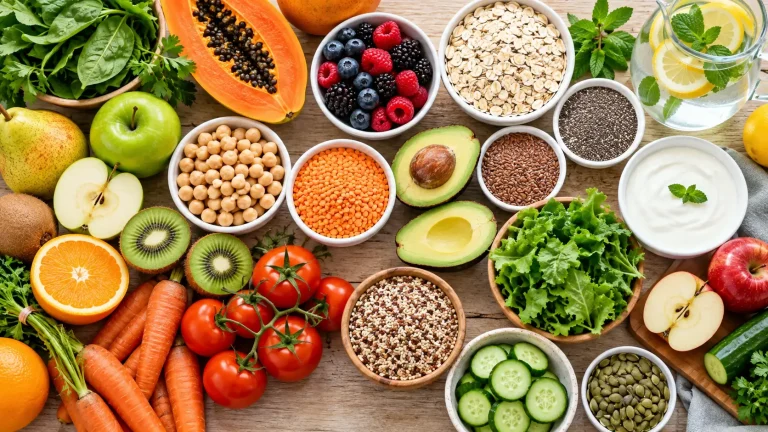
Vegetables : Vegetables should be a major part of meals. Leafy greens, carrots, beans, gourds, cauliflower, broccoli and other seasonal vegetables are a source of fibre, vitamins, minerals and beneficial plant compounds.
Fruits: Fruits such as guava, papaya, oranges, apples and other seasonal fruits can provide fibre, vitamins, minerals and antioxidants. Whole fruit is usually better than fruit juice because it contains more fibre.
Whole grains : Whole grains like oats, whole-wheat roti, brown rice and millets can provide fibre and other nutrients. Traditional Indian staples can easily be included in balanced meal plans.
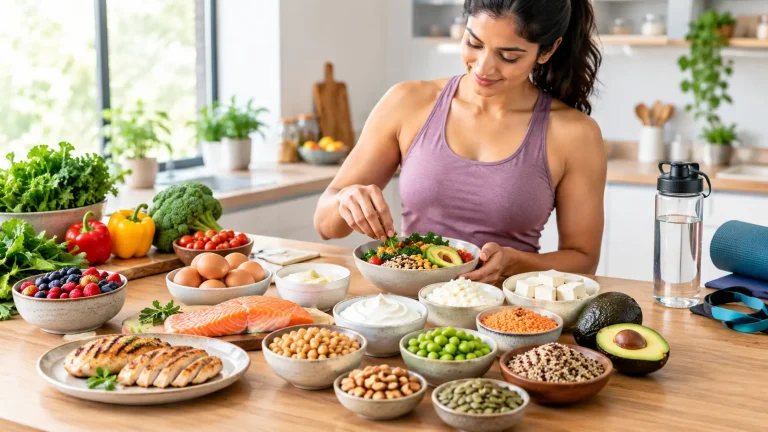
Legumes and other protein sources: Protein requirements can be met with legumes and other protein sources such as dal, beans, curd, paneer, eggs, fish, chicken, soy and tofu. Quantity and timing may need to be individually adjusted for levodopa-related fluctuations.
Nuts and seeds : Nuts and seeds are sources of healthy fats , protein , fibre and micronutrients . Add suitable amounts as snacks, or to meals.
Adequate fluid intake : Adequate fluid intake is also important, particularly when constipation is a concern. Hydration needs should be tailored to the individual, taking into account age, activity level, climate and medical conditions.
The general aim is to ensure enough calories, protein, fibre, fluids and micronutrients without making the meals hard to eat and boring.
Simple Indian Meal Ideas for Parkinson’s Disease
A healthy Parkinson’s meal plan can be based on familiar Indian food. The precise composition and timing needs to be adjusted according to individual nutritional needs and medication schedules.
Breakfasts
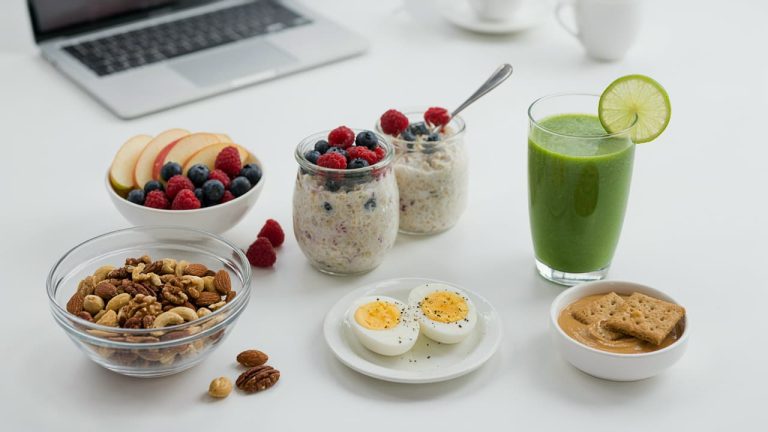
- Vegetable oats or vegetable upma with one serving of fruits
- Vegetable sambar with Idly
- Vegetable dosa with chutney
Mid-morning snack
- A whole piece of fruit with a few nuts or seeds
- Seasonal fruits may be selected as per individual tolerance
Lunch.
- Cooked mixed vegetables with rice or roti
- Dal or other protein source as appropriate
- Curd as appropriate
- Salad / extra vegetables if you can chew and digest them
Evening treat.
- Chickpeas, roasted
- An unsweetened beverage sattu
Dinner
- Khichdi (vegetable)
- Roti with cooked vegetables and a suitable protein source
- Roti with Vegetable Soup
For people on levodopa who have fluctuations related to protein, the timing of foods such as dal, paneer, curd, eggs or other protein sources may need to be adjusted.
The goal is to not create a completely new diet. Instead, common meals can be adapted to nutritional needs while accommodating medication schedules and individual symptoms.
People who have difficulty chewing or swallowing may need to change the texture and consistency of foods. Such changes should ideally be planned with appropriate professional guidance.
How to implement a Parkinson’s diet with Qua Nutrition
As Parkinson’s progresses, nutritional needs may change, so individualised dietary guidance can be very helpful.
At Qua Nutrition, we offer individualised nutrition planning that takes into account the individual’s symptoms, eating habits, nutritional requirements and lifestyle rather than a one size fits all diet.
A personalised nutrition assessment may include protein intake and distribution, fibre and fluid intake, calorie requirements, weight changes, constipation, digestive concerns and the adequacy of vital nutrients.
Meal planning can be customised to Indian food preferences, household routines and cultural eating patterns. In those taking levodopa, the timing of meals and protein may be considered in conjunction with the prescribed medication schedule, when appropriate.
The dietary approach may also need to consider nutrient density, meal texture and practical strategies for meeting energy and protein needs in cases of poor appetite or difficulty swallowing.
Most importantly, protein does not need to be restricted just because someone has Parkinson’s. Attention should be on meeting nutritional needs and individual medication-related problems.
Dietitians collaborate with the treating health care team to help make dietary changes practical, sustainable and appropriate as nutritional needs change.
How to Build a Balanced Parkinson’s Diet
There is not one universal Parkinson’s diet that works for everyone. A well-rounded diet should provide enough calories, protein, fibre, fluids, fruits, vegetables, whole grains and other foods with plenty of nutrients, but avoid foods that are highly processed, too salty, too sugary, and deep-fried.
For those on levodopa, the timing of protein may be important if dietary protein appears to affect medication response. However, protein should not be unnecessarily restricted, since it is needed to preserve muscle mass and nutritional status. Individualised nutrition support can be especially useful when Parkinson’s is associated with weight changes, constipation, swallowing difficulties, poor appetite or medication-related fluctuations.
It’s not about having a complicated list of foods to avoid. It is a pragmatic, nourishing and sustainable way of eating tailored to the individual’s nutritional needs, symptoms and daily life.
FAQs
Q: What should people with Parkinson’s disease avoid eating?
A: There is no universal list of foods that everyone with Parkinson’s disease should avoid. In general, it’s best to limit highly processed foods, excess salt, sugary foods and drinks, and frequent deep-fried foods. Some people on levodopa may also need to consider protein timing.
Q: Can Parkinson’s Disease Patients Eat Protein?
A: Yes. Protein is essential for muscle mass, strength and overall health. If you have Parkinson’s, don’t cut out protein without getting advice from a healthcare professional.
Q: Is curd good for Parkinson disease?
A: Curd is a source of protein and calcium and can be included in a well-rounded diet. If they have protein related levodopa fluctuations, then the timing of curd and other protein rich foods may need to be considered.
Q: What are the best Indian foods for Parkinson’s?
A: A balanced Indian Diet permits vegetables, fruits, whole grains, millets, legumes, nuts, seeds and appropriate protein sources like dal, curd, eggs, fish, chicken, paneer, soy and tofu.
Q: Is there a diet for constipation in Parkinson’s disease?
A: Eating a diet with adequate fibre and fluids can help keep bowel regularity. Fruits, vegetables, whole grains, legumes and other high-fiber foods may help. If you have constipation that lasts or is severe, talk to a health care professional.
Q: When should I see a dietitian?
A: If you are experiencing unintentional weight loss or gain, constipation, decreased appetite, muscle loss, difficulty swallowing, difficulty meeting nutritional needs or concerns about the timing of food and medication, dietitian support can be helpful.