Leafy greens, fatty fish, whole grains, nuts, and nitrate-rich vegetables form the base of an eating pattern that supports both a healthy heart and optimal circulation. Your heart and blood vessels work as one system, and what you eat can influence important factors such as blood pressure, cholesterol, and blood vessel function. This guide walks through those foods, the habits that work against them, and how a diet for heart patient care fits into an ordinary day of an Indian eating pattern.
Understanding the Heart-Circulation Connection
Circulation depends entirely on how well the heart moves blood through the body. The heart pumps oxygen-rich blood out through arteries and takes back oxygen-depleted blood as it returns through the veins. Over time, arteries that lose flexibility or narrow force the heart to work harder, and that added strain can raise cardiovascular risk.
Not every circulation problem announces itself clearly. Cold or numb hands and feet, tingling, swelling, or slow-healing wounds can all be signs of poor circulation, though each can have other reasons, too. This is not the same as chest pain or sudden breathlessness. This condition needs urgent medical assessment and not just a wait-and-see approach with diet alone, especially if this is new or severe.
Key Nutrients That Support Heart Health and Circulation
Omega-3 fats, dietary nitrates, plant compounds, fibre, potassium and magnesium are all nutrients that are important for cardiovascular health. Each acts differently inside the body, and getting a mix of them through food matters more than relying on any single one.
- Omega-3 fats from fish and seafood are good for your heart health, and increased intakes of EPA and DHA can assist in reducing your triglycerides.
- Leafy green vegetables and beetroot contain dietary nitrates, which boost nitric oxide production in the body and could help to maintain blood vessel function and blood pressure.
- Plant compounds called polyphenols, found in berries, citrus, and colourful vegetables, help protect the inner lining of arteries from oxidative stress.
- Fibre binds excess cholesterol in the gut before it can enter the bloodstream, and potassium and magnesium help maintain blood pressure and normal heart rhythm.
Which Foods Are Best for Heart Health and Circulation?
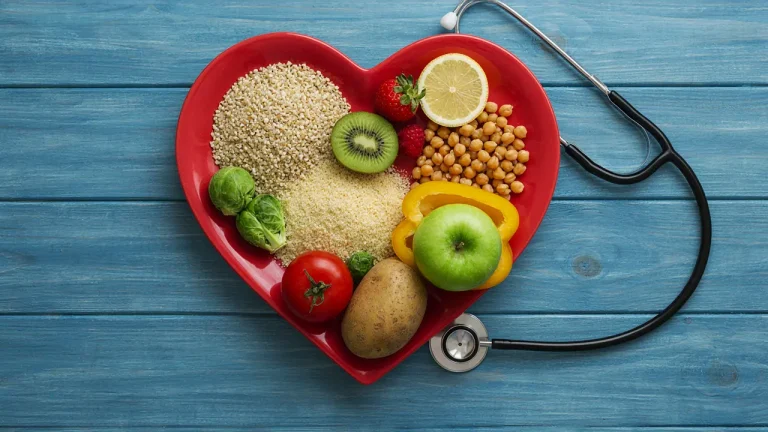
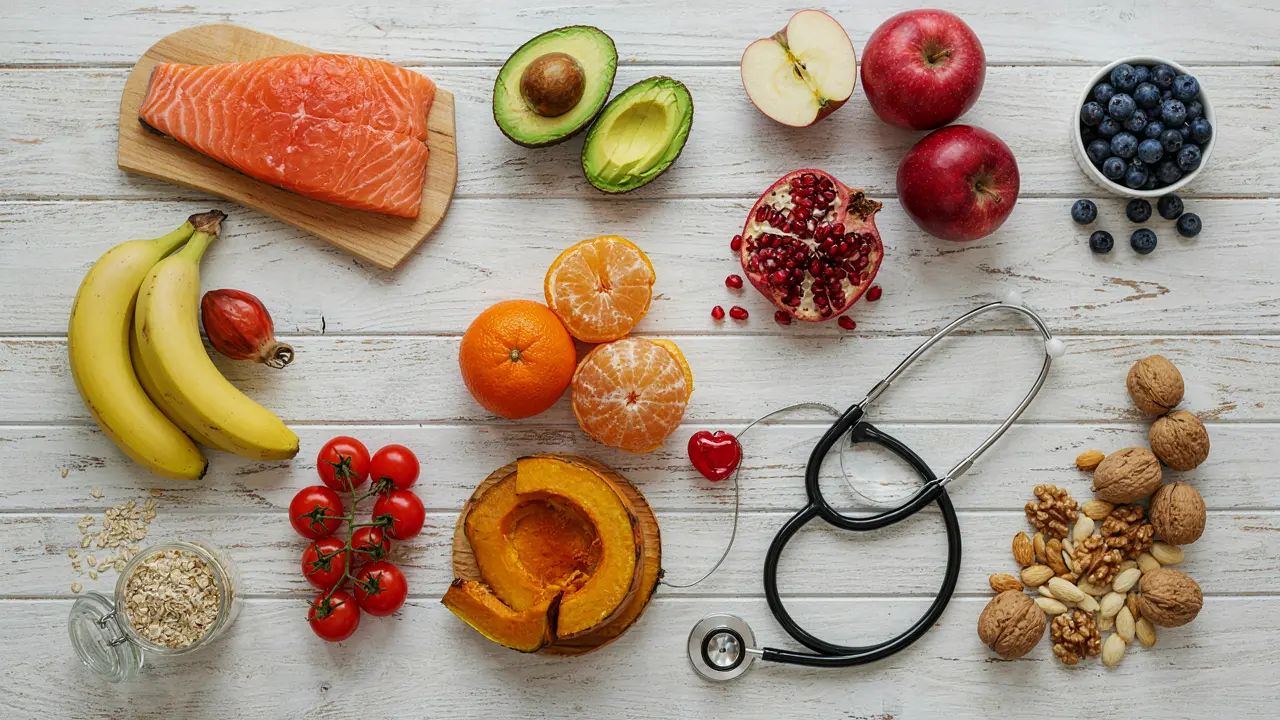
The best foods for heart health and circulation are those that provide fibre, healthy fats, potassium, nitrates, and protective plant compounds. Leafy greens, beetroot, fruits, fatty fish, nuts, seeds, whole grains, and legumes all support different parts of cardiovascular health, from blood pressure and cholesterol to blood vessel function.
Leafy Greens and Nitrate-Rich Vegetables
Spinach, kale, and other leafy greens provide nitrates, potassium, fibre, and other nutrients that support cardiovascular health. Beetroot works similarly and appears often in sports nutrition for the same reason, since beetroot trials have shown modest reductions in systolic blood pressure in some populations.
Fruits and Berries
Citrus fruits like oranges and sweet lime supply vitamin C and flavonoids that help protect vessel walls and support iron absorption from other foods eaten alongside them. Berries and pomegranate provide polyphenols and fit well into a plant-rich diet, though evidence on their effect on cholesterol specifically remains mixed.
Healthy Fats and Fish
Eating fish such as salmon and mackerel regularly can be part of a heart-healthy eating pattern, though meaningful triglyceride lowering generally needs a higher intake of EPA and DHA than a standard two-servings-a-week diet provides. Olive oil and avocados replace saturated fat with monounsaturated fat, supporting healthier LDL levels without removing fat from the plate altogether.
Nuts, Seeds, and Spices
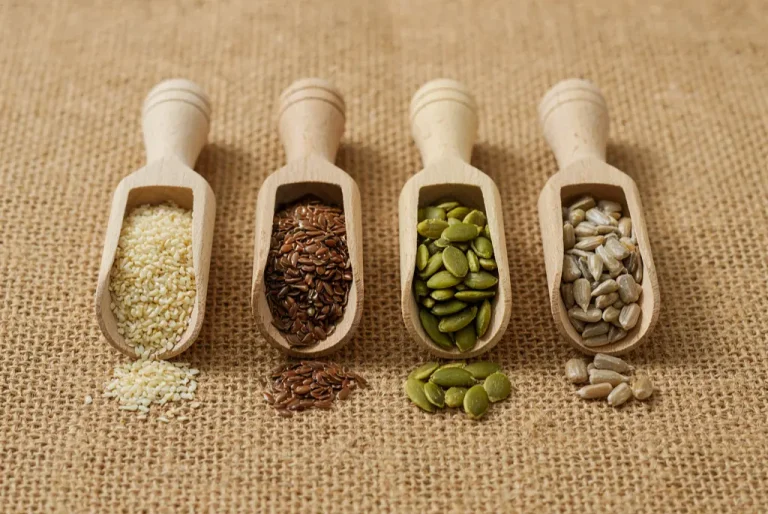
A small portion of walnuts or ground flaxseed is an easy way to add unsaturated fats, fibre, and plant-based ALA, a type of omega-3, especially useful if fish isn’t eaten regularly. Garlic and cayenne pepper can add flavour and help you rely less on salt, though they shouldn’t be treated as remedies for high blood pressure or poor circulation on their own; garlic preparations have shown blood pressure effects in some trials, but the evidence varies by form and dose.
Whole Grains and Legumes
Oats contain beta-glucan, a soluble fibre that traps cholesterol in the gut before it’s absorbed, which is why they remain one of the more studied grains for heart health. Lentils and beans add plant protein and folate to the same meal, supporting cholesterol management from a second angle at once.
Foods and Habits That Can Harm Heart Health and Circulation
A few daily habits work against even a well-chosen diet, and most Indian eating patterns carry more than one of them without anyone noticing. Sodium, trans fats, added sugar, and inactivity each affect a different part of the cardiovascular system.
- Packaged snacks and namkeen can contribute a large amount of sodium, especially when several servings are eaten at once; the AHA recommends no more than 2,300 mg of sodium daily, with an ideal target closer to 1,500 mg for most adults.
- Industrial trans fats, common in fried and processed snacks, can raise LDL cholesterol and lower HDL cholesterol, which is why they should be kept as low as possible.
- Sugary drinks, sweets and refined carbohydrates raise blood sugar and lead to weight gain around the abdomen, which is a standalone risk factor for heart disease.
- Smoking has a direct adverse effect on the inner lining of blood vessels, and prolonged periods of inactivity lead to decreased cardiovascular fitness and increased cardiovascular risk.
Lifestyle Habits That Boost Circulation Alongside Diet
Diet works best when paired with a few daily habits that keep blood moving efficiently, and skipping them limits how much even a well-planned diet can achieve. None of these require a major lifestyle overhaul.
- Regular physical activity, even brisk walking for thirty minutes most days, improves how efficiently the heart pumps and how well blood vessels respond.
- Drinking water makes it easier for the heart to pump blood through the body, especially during physical activity or hot weather.
- Getting enough quality sleep, generally seven to eight hours, supports blood pressure regulation and overall cardiovascular health, and managing stress helps keep both blood pressure and heart rate in a healthier range.
Sample Heart-Healthy Meal Ideas
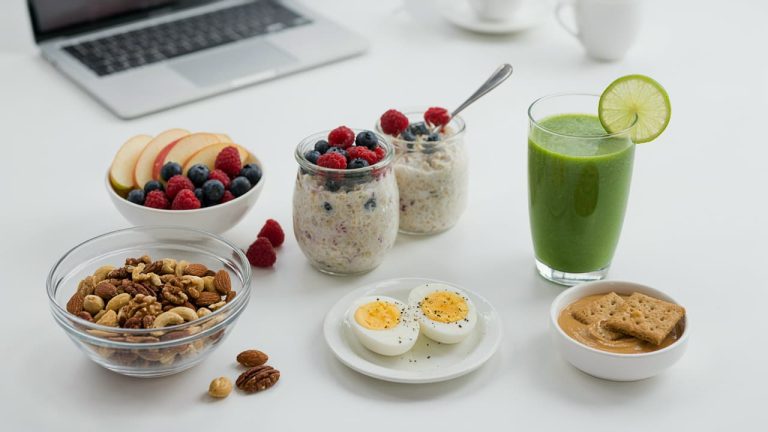
A heart-healthy day is about a few practical swaps rather than a separate diet. Working ingredients like leafy greens, whole grains, nuts, and fish into breakfast, lunch, dinner, and snacks doesn’t mean changing how you already eat.
Breakfast: Vegetable oats or a moong dal chilla, with a side of citrus fruit.
Lunch: Brown rice or a millet roti, a mixed dal, and a generous serving of sautéed spinach or methi.
Dinner: Grilled fish or a rajma preparation with a beetroot and cucumber salad.
Snack: A small handful of walnuts or almonds, or curd with a teaspoon of ground flaxseed.
Conclusion
Heart health and circulation depend on the same handful of choices repeated daily: nitrate-rich vegetables, fibre from whole grains and legumes, healthy fats from fish and nuts, and less sodium, sugar, and fried foods. None of these foods are hard to source, and the changes that matter most are usually small, practical, and consistent over time.
Consistency across weeks, not a single perfect meal, is what eventually shows up in your blood pressure and cholesterol numbers. If you are looking for the best cardiac nutritionist, our team at Qua Nutrition can help build an eating plan around your cholesterol levels, blood pressure, blood sugar, medical history, and food habits.
FAQs
Q: Which foods can help support blood circulation?
A: Leafy greens and beetroot are useful choices because their dietary nitrates can support nitric oxide production and blood vessel function. Fish, nuts, seeds, whole grains, fruits, and legumes also contribute nutrients that support overall cardiovascular health.
Q: Can poor circulation be reversed through diet alone?
A: Not always. A healthy diet can support circulation and help manage risk factors such as blood pressure and cholesterol, but poor circulation may also require exercise, medication, smoking cessation, or other treatment depending on the cause.
Q: What are the signs of poor circulation to watch for?
A: Possible signs include cold or numb hands and feet, tingling, swelling, skin colour changes, pain during activity, or slow-healing wounds. These symptoms can have other causes too, so persistent or worsening symptoms should be medically assessed.
Q: Are supplements necessary for heart and circulation health?
A: No, supplements are not necessary for everyone. Most people should first focus on a balanced diet that includes vegetables, fruits, whole grains, legumes, nuts, seeds, and appropriate protein sources, while supplements should be considered only when there is a specific nutritional or medical need.
Q: How does exercise complement a heart-healthy diet?
A: Exercise supports cardiovascular fitness, blood vessel function, blood pressure control, and weight management, while a balanced diet supplies the nutrients needed to support heart health. The two work better together than either one does alone.