Radiant skin, strong joints, shiny hair — these are all things that we want to have without feeling like our bones are going to break by the time we are in our 30s and 40s. But what if the key to achieving all of these things is not through fancy serums or injections but through what you eat every day?
This is where collagen comes into play. Contrary to popular belief, collagen is more than just a buzzword used by beauty brands. Collagen is the foundation of your body, and the food that you eat has an enormous impact on your ability to maintain optimal levels of collagen.
In this blog post, you will find all of the information needed to understand collagen and how to obtain enough of it through your daily diet — all of which is supported by science:
- What is collagen, and why is it important?
- Food sources that boost collagen production.
- How nutrients help your body to produce collagen.
- An example of a day’s worth of collagen-rich food.
- What QUA Nutrition can do to assist you with your collagen journey.
- Five common questions regarding collagen (with honest answers).
Let’s take a look at collagen and what makes it so much more than just a “buzzword.” Collagen is the structure of your strength and youthfulness — so let’s make the most of it!
What Is Collagen?
The human body has collagen, which is the most abundant protein and accounts for approximately 30 percent of all protein within the body. Through the use of long Fibers (Fibrils), collagen creates a supporting framework for many different types of tissue, including skin, bones, tendons, ligaments, blood vessels, hair, and nails.
Biological Roles
Collagen provides important therapeutic benefits to the body; some of the major roles of collagen in the human body are:
- Skin Elasticity and Hydration
- Bone Strength
- Joint Cushioning and Cartilage Integrity
- Muscle repair
- Gut lining support
There are more than 28 types of collagen in nature. The major types of human collagen are types I, II, and III.
- Type I Collagen – Skin, tendons, and bones
- Type II Collagen – Cartilage
- Type III Collagen – Blood vessels and organs
As humans mature, there is a natural decrease in the amount of collagen produced in the body (e.g., approximately 1.5% per year) by the age of 25. This decrease results in wrinkling, stiffness in joints, hair thinning, and delayed healing capabilities. Foods can be a huge help in maintaining good collagen levels.
Why Collagen from Food Matters
Collagen is found in dietary supplement collagen products; however, the natural food supply is the best source of healthy collagen manufacture within your body. Your body does not absorb collagen in its entirety; it breaks down the collagen into its basic units (amino acids) and creates new collagen. Therefore, your diet must do all of the following:
- Provide an adequate supply of the essential amino acids;
- Provide the nutrients that activate the synthesis of collagen;
- Provide the nutrients that stop or minimize the breakdown of preexisting collagen. Let’s examine these facts from a scientific standpoint.
The Science of Collagen Synthesis — What Your Body Needs
Essential Amino Acids
Collagen contains a relatively high concentration of glycine, proline, hydroxyproline, and alanine among the amino acids found in protein-rich foods. These amino acids are abundant in the diet from sources of collagen, and they also promote the development of structural proteins within the body’s tissues.
Vitamin C
The enzyme required to stabilize and crosslink collagen molecules (i.e., provide strength) depends on Vitamin C as a cofactor. Thus, without Vitamin C, the body cannot synthesize collagen regardless of how much dietary protein is consumed.
Copper and Zinc
These minerals are also necessary for the functioning of enzymes involved in the production of strong collagen fibres.
Antioxidants
Oxidative stress leads to an increase in collagen degradation. Foods that contain antioxidants such as polyphenols or carotenoids can provide protection from oxidative damage to collagen.
Top Collagen-Boosting Foods
Here is a list of foods that offer you collagen directly and foods that help boost your own collagen production.
Bone Broth – The Original Collagen Superfood
Simmered bones from animals make bone broth liquid collagen.
What Makes it Great:
- Provides collagen amino acids
- Has minerals released from the bones (calcium and magnesium)
- Helps with gut lining and joint support because of gelatin found in broth
Research suggests gelatin (from collagen) will enhance joint mobility and decrease osteoarthritis pain.
How to Eat It:
Put bones (with connective tissue) in a pot, simmer for 12 – 48 hours, and drink the broth daily.
- Fish & Seafood
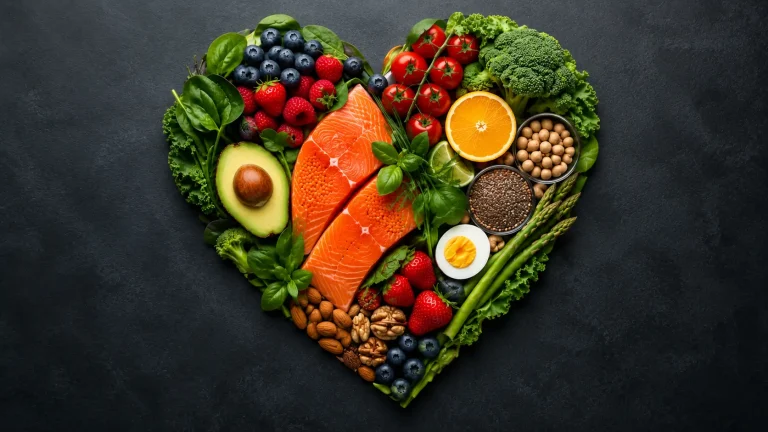
Fish (like salmon and tuna) and shellfish provide collagen because of:
- Collagen in the skin and scales
- Omega-3 fatty acids, which decrease inflammation that breaks down collagen
- Zinc and other trace minerals
Omega-3 fatty acids have anti-inflammatory properties, helping the collagen structures stay together for a longer time.
- Turkey and Chicken
Both Turkey and Chicken are considered poultry, as they contain high amounts of collagen in their connective tissue and cartilage.
Studies have found that the collagen found in chicken is beneficial for the symptoms of cartilage in joint pain and can provide support for mobility.
- Egg Whites
While egg whites do not contain collagen, they do have high amounts of what’s called proline, an amino acid that your body needs to build new collagen.
- Citrus Fruits (Vitamin C Superstars)
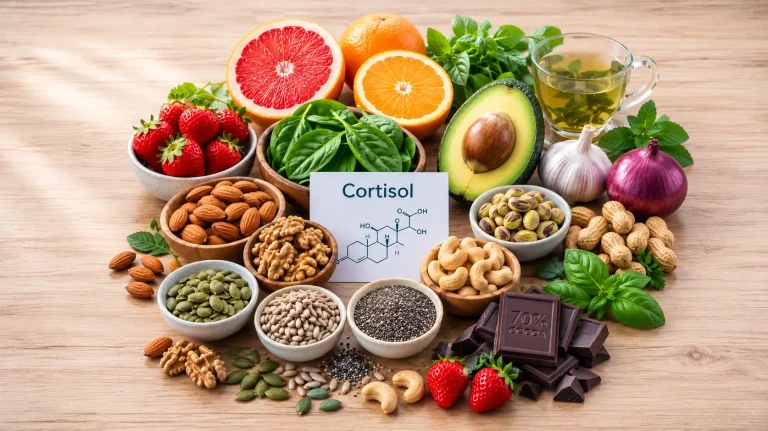
Oranges, lemons, grapefruits, kiwis, and guavas are all very high sources of vitamin C that will increase the enzyme activity responsible for creating collagen and their ability to act as inhibitors of free radicals (antioxidants). The lack of Vitamin C (e.g., scurvy) causes a breakdown in collagen formation.
- Berries
Blackberries, strawberries, raspberries:
- High in anthocyanins and polyphenols
- Help reduce oxidative damage leading to collagen breakdown
- Help maintain skin elasticity
- Leafy Greens & Veggies
Kale, spinach, broccoli:
- High in Vitamin C
- Contains chlorophyll (helps the body produce procollagen – the body’s building blocks for collagen)
- Nuts & Seeds
Pumpkin seeds, chia seeds, almonds, walnuts:
- Offer zinc, copper, and beneficial fatty acids
- Provide micronutrient assistance for collagen creation & production
- Red Vegetables & Tomatoes
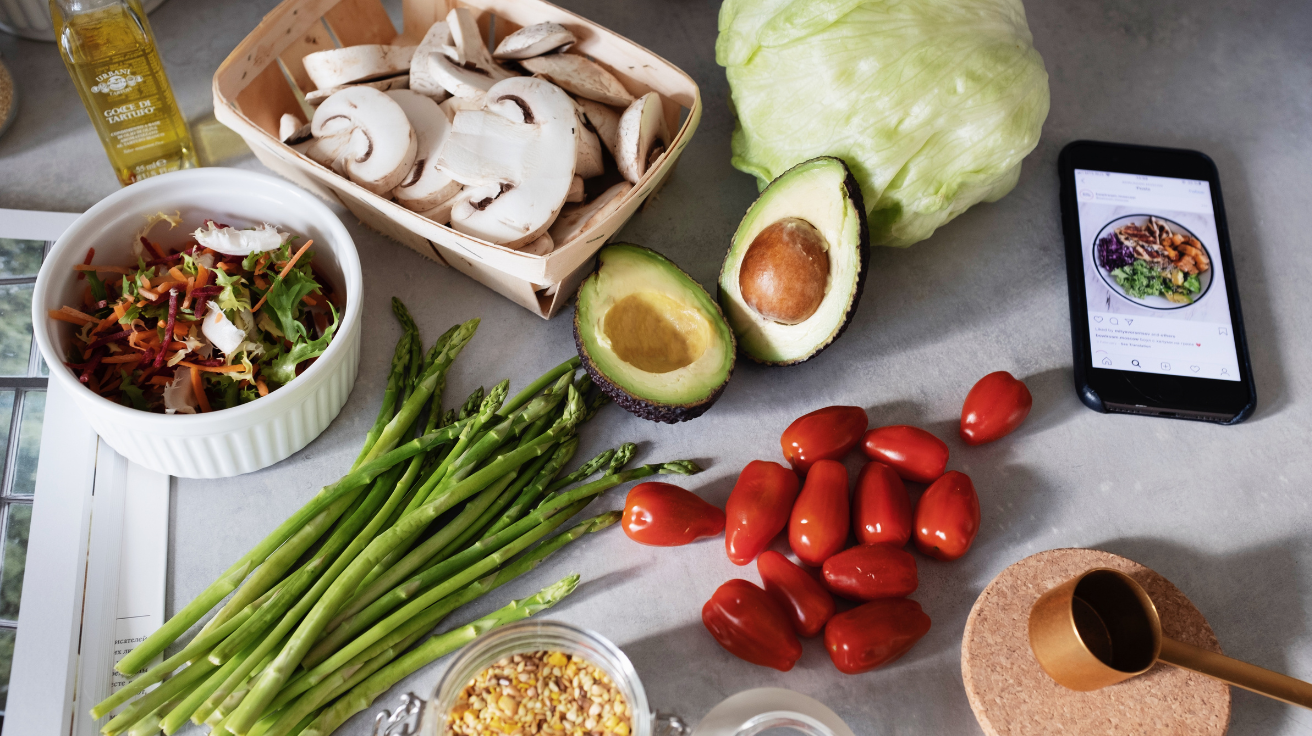
Tomatoes are high in lycopene, a strong antioxidant that helps protect collagen.
Red bell peppers are also rich in Vitamin C.
- Water-Rich Fruits
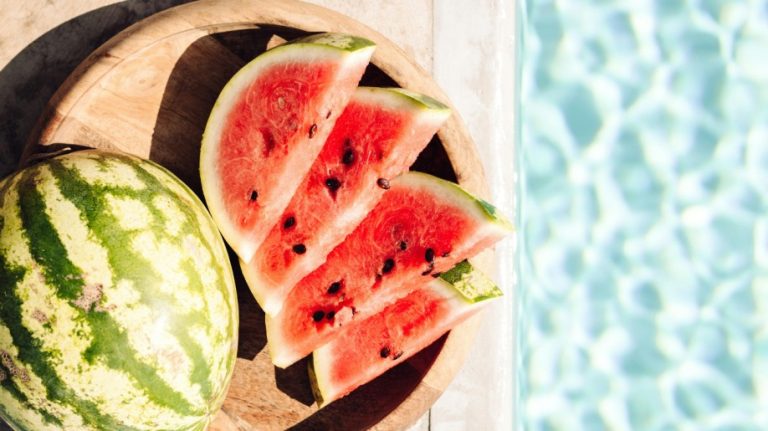
Cucumbers and watermelons help keep our skin hydrated, which is required for collagen to work correctly.
While hydration may not create new collagen, it will help to nurture and maintain tissues where collagen fibers are located.
How Collagen Foods Translate to Real Body Benefits
Let us present real results you can see and feel. The benefits of foods high in collagen precursors and Vitamin C on skin and aging have been proven with clinical studies. These foods improve skin elasticity, decrease wrinkles, and increase hydration—there’s been a significant increase in all three results with consistent intake.
Collagen from food has been shown to decrease joint pain caused by osteoarthritis and increase joint function.
Calcium and other minerals will strengthen your bones by providing the structural framework of your bones with collagen.
Collagen provides structural support for your muscle fibers and helps you recover after exercising.
Gelatin will provide support for the mucous lining of your gut, which may improve digestion and decrease the symptoms associated with “leaky gut.”
Simple 1 – Day Collagen-Boosting Meal Blueprint
This is how you can begin structuring your meals:
Breakfast: Greek yogurt with mixed berries, chia seeds, and some citrus, plus a little bit of green tea;
Lunch: Salmon salad, with leafy greens, tomatoes, nuts, and a lemon vinaigrette, as well as watermelon cubes;
Snack: Citrus smoothie (made with a collagen-friendly fruit) plus either almonds or walnuts;
Dinner: Bone broth soup with chicken, vegetables, steamed broccoli, and quinoa; and
Evening: Warm herbal tea (made from the leaves of plants) and some Brazil nuts or pumpkin seeds.
You should keep in mind that consistent consumption of high-collagen foods is vital, and multiple servings of high-collagen foods each day will ultimately lead to long-term changes to your body’s physiology.
Lifestyle Habits That Preserve Collagen
Food is one part of the equation. Some behaviours can significantly decrease collagen production and increase the rate of breakdown of existing collagen.
- Smoking
- Excessive exposure to UV radiation without adequate sun protection
- Consumption of high amounts of sugar — sugar contributes to accelerated glycation which leads to stiffening of collagen
- Chronic stress
- Poor quality sleep
You will support your body’s natural production of collagen by not just consuming the right nutrients, but also by taking care of your existing collagen.
Can You Take Collagen Supplements Instead?
Yes, but context matters when it comes to supplements such as hydrolyzed collagen. Hydrolyzed collagen can be beneficial because they are quickly absorbed, but they do not take the place of foundational nutrition and lifestyle habits. Whole food remains an individual’s best option for collagen production, but due to many modern day living styles, individuals may not be able to eat a sufficient amount of protein and micronutrients to properly support their body’s (cells) amino acid and micronutrient requirements through food alone. This is where 1Chaze Collagen powder, a product of QUA Nutrition, will be very valuable as part of your daily routine.
What Is Different About 1Chaze Collagen?
1Chaze Collagen has been formulated to complement your dietary intake of collagen by providing:
- Quality hydrolyzed collagen peptides
- Amino acids that will be easily absorbed (glycine, proline, hydroxyproline)
- Support for skin elasticity and hydration
- Joint and connective tissue support
- Support for muscle recovery
Because it is hydrolyzed, it means that the collagen has been broken down into smaller peptides (protein), creating faster digestibility and absorption rates than collagen from whole food protein sources.
The Science Behind Collagen Peptides
According to the research, hydrolyzed collagen peptides:
- Will improve the density of dermal collagen.
- Will improve skin elasticity and hydration.
- May help reduce discomfort caused by joints for active people.
- May aid in the regeneration of cartilage.
When combining collagen peptide supplementation with foods rich in Vitamin C (i.e. citrus fruits and berries), supplementation becomes even more effective. This is because Vitamin C activates the collagen synthesis enzymes.
For this reason, at QUA Nutrition we never recommend collagen alone but always recommend it with an appropriate dietary plan.
Who Can Benefit Most from 1Chaze Collagen?
1Chaze Collagen could be a great option for you if you’re over 25 & starting to see the beginning stages of aging on your skin, experiencing stiffness in your joints, have joint pain from working out, have low protein intake, have a vegetarian diet without collagen-rich animal foods or want to support anti-aging nutrition. it’s not a substitute for real foods but is instead a targeted performance enhancer for your body’s collagen support system.
How QUA Nutrition Helps You Optimize Collagen Naturally
At QUA Nutrition, collagen isn’t just something to be pretty but rather an essential component of your health, from the health of your skin to joint function to helping you age gracefully.
Here is how QUA helps you with collagen :
- Personalized Nutrition Plan
We don’t give generic advice so your plan is based on the following criteria:
- Age
- Body style
- Lifestyle
- Medical condition
These criteria guide our recommendations to help ensure you get all of the nutrients every day to build your collagen.
- Evidence-Based Food Recommendations
There’s no random list of foods. We have used evidence-based nutrition science and have measured:
- Foods that are high in amino acids
- Foods that are high in the co-factors Vitamin C, Zinc, and Copper
- Meals that will reduce the amount of inflammation
- Practical and Sustainable Meal Blueprints.
We provide you with a meal plan to follow as well as a screenshot of a recipe.
The following items will be included in your meal plans:
- Grocery list
- Meal timing strategies.
- Tricks or replacements to make meals that support collagen function
- Addressing Root Causes
We believe collagen is about more than just how much you eat; it is also about:
- How well you digest food
- Your lifestyle
- How you manage stress.
QUA will provide opportunities for you to discover any nutritional deficiencies that may affect your function of collagen.
- Continuous Outcome Monitoring
We continuously monitor the outcomes of the following:
- Skin elasticity
- Joint pain
- Energy
- Inflammation levels
We want your nutrition strategy to grow with you.
- 1Chaze Collagen Smart Supplementation
At QUA Nutrition, we don’t believe in random supplementation. As needed, we strategically incorporate 1Chaze Collagen into your individualized nutrition program based on:
- Collagen loss relative to your age
- Your skin health objectives
- Your joint concerns
- Your workout recovery needs
- Your protein consumption history
By doing this we ensure the supplement will work in synergy with your diet to maximize both absorption of the supplement and produce optimal long-term results.
Collagen Isn’t Magic, It’s Biology
Collagen is about more than just providing the appearance of healthy skin; it’s also used for your structural health, mobility, strength, and longevity.
The true answer to your issues with collagen is not simply one type of food or supplement.
Instead, it will requireモ
- Foods high in collagen
- Vitamin C and mineral supplementation
- An anti-inflammatory diet
- Lifestyle protection
And when necessary, supplementary products such as 1Chaze Collagen from QUA Nutrition.
While collagen can seem miraculous, collagen is part of normal human biology, and biology requires proper inputs to function correctly.
FAQs
Q: What’s the best food source of collagen?
A: The best food sources of collagen are bone broth and animal connective tissue because they are the most concentrated sources. However, in order to make collagen inside your body, you need also need to eat plant-based co-factors like Vitamin C.
Q: Does vitamin C really help collagen?
A: Vitamin C is essential for the activation of the enzymes that build and stabilize collagen molecules. If you don’t get enough vitamin C, you won’t be able to build collagen effectively.
Q: Can vegetarians boost collagen?
A: Yes, vegetarians can eat a variety of foods that are high in vitamin C, zinc, copper, and proline amino acids (ex. legumes, nuts, seeds, citrus fruits) and combine them together strategically. Supplements may help, but you should only use them under the direction of a physician.
Q: How long does it take to notice benefits from collagen-boosting foods?
A: It depends on the individual. Some people report an improvement in skin hydration in as few as 4-8 weeks while joint or deeper tissue changes may take 8-16 weeks with consistent good nutrition and other healthy lifestyle habits.
Q: Are collagen supplements better than collagen foods?
A: Collagen supplements furnish your body readily available building blocks for making collagen. Foods furnish your body with all of the co-nutrients that it needs to create collagen. A combination of the two approaches is the best regarding real food.