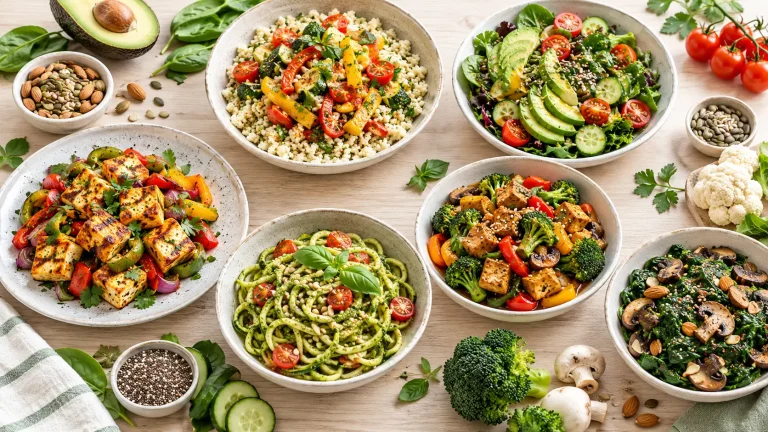
Drinks that help digestion and bloating are easy to overlook. Most people blame food when their stomach feels tight after lunch, gas builds by evening, or their gut feels slow in the morning. But the glass in your hand plays a part too. A good diet for bloating includes the right foods and drinks. Sodas, juices, and sugar-free drinks containing sorbitol can cause bloating, even if you eat well.
Fluids affect hydration, how food moves through your gut, and the bacteria living there. Some drinks settle things down, while others stir things up. Below, we cover what causes bloating, which drinks to choose or skip, and when to see a gut health nutritionist.
What Causes Bloating and Poor Digestion?
Most of the time, bloating comes down to what you eat and how you eat it. Wolfing down meals makes you swallow extra air, and that air has to go somewhere. Beans, onions, fizzy drinks, dairy, and sugar-free sweeteners are all known for creating gas. Some people also can’t handle lactose or gluten well, which leaves them gassy and uncomfortable after meals.
Not drinking enough water or getting too little fiber can cause constipation and leave you feeling bloated and uncomfortable. Stress and poor sleep can also slow your gut down. Conditions like IBS or an overgrowth of gut bacteria can also be the cause. If it keeps happening, gets painful, or comes with weight loss or blood in your stool, get it checked.
How Do Drinks Support Digestion and Reduce Bloating?
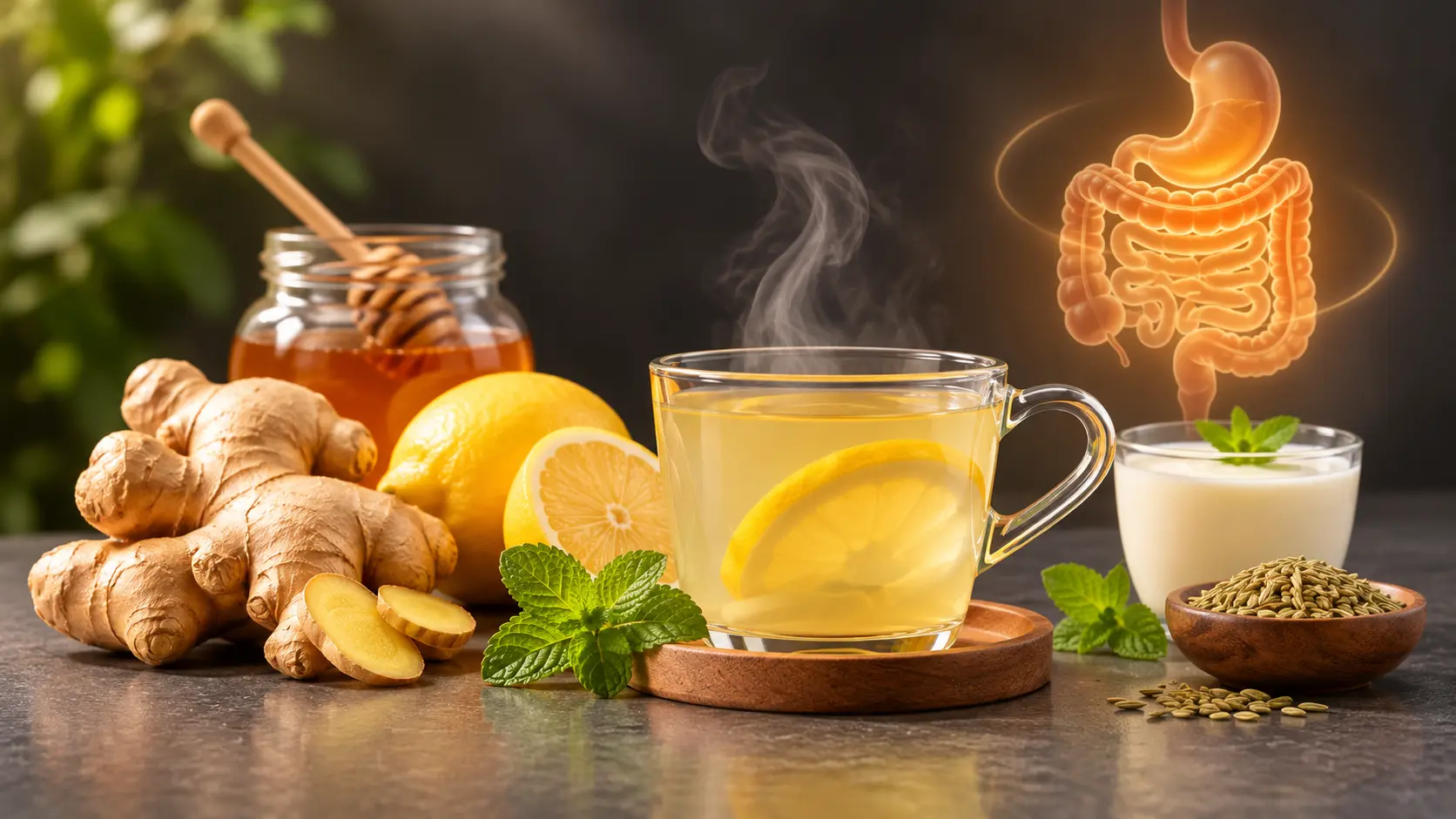
Water helps prevent constipation by keeping stools soft and making them easier to pass. Drinking water regularly throughout the day can also ease the bloated feeling that comes with constipation. Peppermint, ginger, and fennel tea may help with gas and stomach cramps. Chamomile tea is another option when stress leaves your stomach feeling unsettled. Try different teas to see which one works best for you.
Kefir and unsweetened yogurt drinks contain live bacteria that support gut health. Warm lemon water is also a common choice for people looking to ease bloating. However, research has not shown that lemon water aids digestion more than plain water.
Best Drinks for Digestion and Bloating
Bloating, gas, and an upset stomach after meals are common complaints, and what you drink can make a real difference. Some drinks relax the gut and ease discomfort, while others add gas or irritate the stomach. This guide covers the best drinks for digestion, the ones to limit, and the best times to have them.
Herbal Teas
Herbal teas are among the easiest ways to calm an unsettled stomach. Choose them unsweetened and drink them warm.
- Peppermint Tea: Helps relax gut muscles and ease cramping, though it can worsen heartburn in some people.
- Ginger Tea: Traditionally used to reduce nausea and help food move through the stomach.
- Fennel Tea: Valued for easing trapped gas and relaxing the digestive tract.
- Chamomile Tea: A gentle option that helps with stomach discomfort, especially when stress causes it.
Probiotic and Fermented Drinks
These drinks bring live bacteria into your gut, which can help when an imbalance is behind the bloating. Drink a small portion to see how your stomach responds.
- Buttermilk (Chaas) and Lassi: Plain buttermilk is easy on the stomach, and a glass after lunch with a pinch of roasted cumin works well. Sweet lassi is heavier, so have it only occasionally.
- Kefir: A fermented milk drink with live bacteria and yeasts. Choose one without added sugar.
- Kombucha: Contains live bacteria but is often high in sugar. Pregnant women and people with a weak immune system should check with a doctor first.
Warm and Traditional Drinks
Indian kitchens have long used these simple drinks after meals. They are inexpensive and simple to prepare at home.
- Warm Water with Lemon: A light, hydrating start to the day can help digestion.
- Cumin Water: Boiling or soaking jeera seeds in water may help relieve gas and indigestion.
- Ajwain water: Boiled carom seeds are traditionally used to ease gas and stomach cramps. Pregnant women should consult their doctor before drinking it.
- Apple Cider Vinegar in Water: Some people use a well-diluted amount, but it is acidic and can aggravate reflux or irritate teeth. Evidence for bloating is limited, so use it cautiously, if at all.
Hydrating and Natural Drinks
Simple drinks, such as plain water, can help you remain hydrated throughout the day. Drinking enough fluids is more important than trying different drinks.
- Plain and Infused Water: Cucumber and mint slices add flavour without sugar and encourage you to drink more.
- Coconut Water: Hydrating and light, but choose unsweetened and tender coconut water, and watch portions if you are managing blood sugar.
- Aloe Vera Juice: Use only food-grade, decolourised products. It can have a laxative effect, so avoid it if you are pregnant or have loose stools.
Drinks That Can Worsen Bloating
Some everyday drinks can work against your gut. Many people don’t realise how much their daily drinks add to gas and bloating. Reduce intake of the following to help ease symptoms.
- Carbonated Drinks and Sodas: The bubbles add gas straight into your digestive tract.
- Excess Caffeine and Alcohol: Both can irritate the gut lining and affect bowel movements.
- Sugary Juices and Artificial Sweeteners: High sugar can ferment in the gut, and some sweeteners, such as sorbitol, are known to cause gas and loose stools.
When and How to Drink Them for Best Results
When you drink matters almost as much as what you drink. The same cup of tea can soothe your stomach or sit heavily, depending on how fast you drink it and what else is in your gut at the time. These simple habits help you get more out of each drink:
- Sip warm drinks slowly instead of gulping them.
- Drink herbal tea 20–30 minutes after meals and avoid drinking large amounts of fluid with your food.
- Take cumin, ajwain, or lemon water earlier in the day if you find them comfortable.
- Be cautious if you have acid reflux, IBS, or are pregnant, and ask a doctor before regular use if you take medication, since some herbs can interact with it.
Pairing Drinks With a Diet for Bloating
A cup of warm water, jeera water, or fennel tea can ease the stomach for a short time. This cannot compensate for meals that keep irritating your gut. Your food choices and eating habits make all the difference.
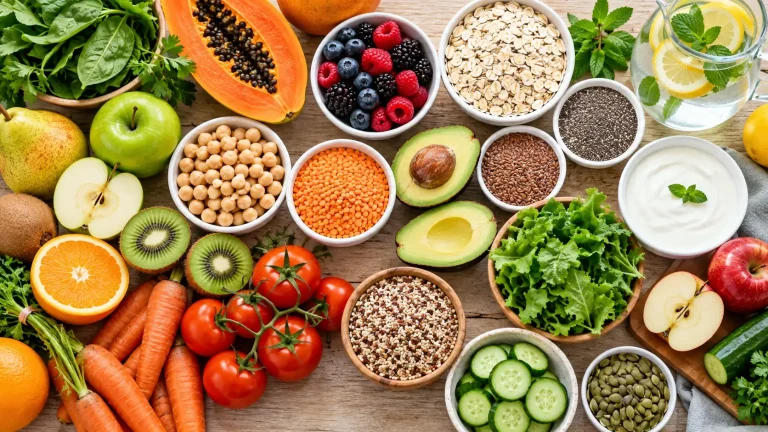
- Gut-Friendly Foods: Oats, ripe bananas, papaya, cooked vegetables, curd, and whole grains are usually easier to digest. Increase fibre over three to four weeks. A sudden increase often causes more gas and bloating.
- Eating Habits: Eat smaller portions at fixed times. Chew each bite well and eat without hurrying. Eating fast makes you swallow air, which adds to gas.
- Daily Routine: Walk for 10 to 15 minutes after meals. Sleep at regular hours and manage stress. The gut responds to stress, and bloating can occur on tense days even when your diet remains the same.
How a Gut Health Nutritionist Can Help
Bloating that continues despite good eating habits may point to a food intolerance or another digestive problem. A gut health nutritionist reviews your symptoms, diet, and medical history, and advises changes that suit your needs. At Qua Nutrition, we review your food habits, routines, and health background to understand which foods or habits cause the discomfort. We plan the diet around your own triggers, such as lactose intolerance or difficulty digesting certain fibres. We remove a food only when there is a clear reason, while keeping these changes simple to follow at home. If bloating comes with weight loss you cannot explain, blood in the stool, severe stomach pain, or repeated vomiting, please see a doctor before changing your diet.
Common Myths About Digestive Drinks
Some people believe that a particular drink can cleanse the gut or cure bloating on its own. Such claims are common on social media, but most are unsupported. Drinks can help digestion but cannot replace a balanced diet or medical care. The table below sets out common beliefs and the facts behind them.
| Myth | Fact |
| Detox drinks flush out toxins. | Your liver and kidneys do this. Drinks can support digestion, but they don’t cleanse you. |
| Warm lemon water fixes gut issues. | It can help, but it does not treat food intolerances or other causes. |
| More herbal tea means faster relief. | Large amounts can upset the stomach. Moderation works better. |
| Natural drinks are safe for everyone. | Some herbs interact with medication or are unsuitable in certain conditions, like pregnancy. |
Choosing the Right Drinks for Digestion and Bloating
A warm cup of fennel tea after dinner or a glass of buttermilk with lunch can change how your stomach feels. Peppermint tea, ginger tea, jeera water, and plain water work a little differently. Some relax the gut, some ease trapped gas, while kefir or chaas adds good bacteria. However, if you eat in a rush, skip fibre, or sit for hours after meals, no tea can help with that. Eating slowly, taking a short walk, sleeping at regular hours, and drinking enough water will do more over a few weeks than other remedies.
If you’re still bloated after trying these for a while, the cause points to something else. It could be lactose intolerance, a gut issue, or a food you haven’t spotted yet. At Qua Nutrition, our dietitians review your routine and health to build a diet for bloating.
FAQs
1. Which drink is best for bloating?
Ginger, peppermint, and fennel tea are common choices, especially when served warm. The best choice depends on what is causing your bloating.
2. Is it okay to drink warm water after meals?
A few small sips are fine, and many people find them comfortable. Drinking a lot during a meal can leave you fuller and more bloated.
3. Can herbal teas cure bloating?
No. They can ease symptoms, but lasting relief usually comes from changes in diet and daily habits. Sometimes a doctor’s review is needed too.
4. How quickly do these drinks work?
It varies from person to person. Some feel better within 30 to 60 minutes, while others need a few days of regular use before they feel a difference.
5. Should I see a gut health nutritionist for chronic bloating?
Yes, if the bloating is frequent or home remedies aren’t helping. A gut health nutritionist can help identify the cause and suggest a suitable diet for bloating.