Why Your Everyday Diet Matters for Healthy Aging
Ageing is a natural part of life. But how well we age is influenced by many factors, including genetics, lifestyle, environment, physical activity, sleep, and nutrition. One of them is the food and the nutrients we eat support the body on a cellular level.
As we get older, our bodies become more prone to oxidative stress, inflammation and other forms of cellular wear and tear. A diet full of colourful fruits and vegetables, healthy fats, whole grains, legumes, herbs, spices and other nutrient dense foods can help to support the body’s natural protective systems.
The good news is that eating for healthy aging doesn’t mean you have to buy expensive superfoods or follow complicated diets. The majority of us obtain antioxidants, fibre, healthy fats, vitamins, minerals and other compounds that promote overall health through our daily foods.
So what should you be adding to your plate if you want to support healthy ageing? Let’s examine it more closely.
How Does Aging Affect Your Body, Cells, and Nutritional Needs?
Ageing is a slow process of change throughout the body. The cells are doing what they’re supposed to do, but the body may not be as good at repairing and protecting itself over time.”
One of the factors in this process is oxidative stress.
During normal metabolism, our bodies naturally produce molecules known as free radicals. They are part of normal biological processes in balanced amounts. The body also has natural antioxidant systems to help keep them in check.
But oxidative stress can also be increased by pollution, excess ultraviolet exposure, smoking, poor dietary habits and other environmental stressors.
Excess oxidative stress may cause cellular damage and inflammation. Over time this can have an effect on a number of aspects of health including cardiovascular health, metabolic health, brain function and general vitality.
This is where nutrition becomes really important.
Antioxidants Explained: How They Support Your Body as You Age
Antioxidants are naturally occurring compounds in many plant foods and beverages They help the body fight free radicals and support the body’s natural defence mechanisms. Different foods have different antioxidants. Berries are rich in anthocyanins, tomatoes are rich in lycopene and colourful vegetables provide carotenoids like beta-carotene.
This is why eating a variety of foods is more useful than focusing on one “anti-aging” food.
Imagine your diet as a toolbox. The more diversity you add, the more diverse the range of nutrients and protective compounds your body gets.”
Everyday Foods to Include for Healthy Aging and Longevity
- Colorful Fruits and Vegetables: Nature’s Antioxidant Powerhouses
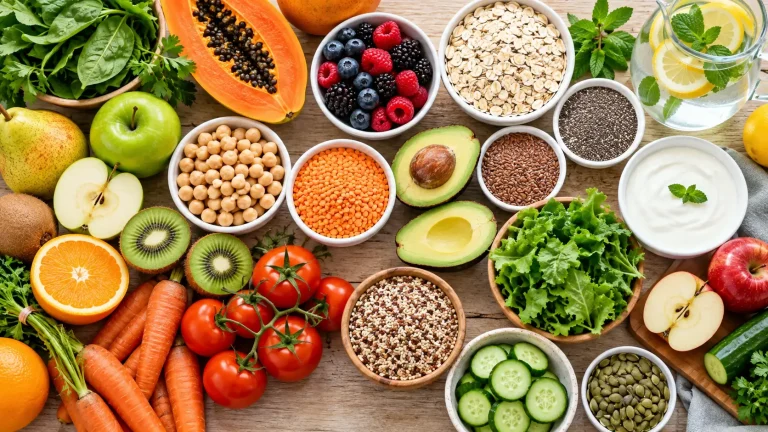
One of the easiest ways to improve your diet is to increase the variety of colours on your plate.
Different plant compounds are often indicated by different colours.
- Berries like strawberries and blueberries contain anthocyanins and other antioxidant compounds.
- Leafy vegetables like spinach are rich in carotenoids and other nutrients that are beneficial for your health.
- Tomatoes contain lycopene and carrots and sweet potatoes contain beta-carotene.
You don’t have to hunt for exotic produce. Indian seasonal fruits and vegetables can easily form the basis of a nutrient rich diet.
Practical tip: Try to get at least 2 or 3 different colours of fruits and vegetables into your meals every day.
- Omega-3-Rich Foods: Supporting Heart and Brain Health
Healthy fats are important for cell membranes, brain health and cardiovascular health.
You can get EPA and DHA, the two forms of omega-3 fatty acids that your body can use directly, from fatty fish such as sardines, mackerel and salmon.
Walnuts, chia seeds and flaxseeds offer a different type of omega-3 fat called alpha linolenic acid, which is good for vegetarians.
Practical tip: Add ground flaxseed or chia seeds to oats, curd or smoothies, or include fatty fish like sardines or mackerel in meals as suitable for your dietary pattern.
- Whole Grains and Pulses: Everyday Foods for Long-Term Wellness
Healthy aging is more than just antioxidants. And fibre is important too.
Wholegrains and pulses are a good source of fibre, plant based protein, vitamins and minerals. Fibre is good for digestive health and as part of a healthy overall diet can also help with blood sugar and cholesterol management.
Good choices
- Oats, brown rice, barley, millets, quinoa, lentils, chickpeas and beans.
- Dal, rajma, chana, whole-wheat roti and millets are some of the foods that can easily be incorporated into this pattern in an Indian diet.
Practical tip: Replace some refined grains with whole grains and make a dish with pulses a regular part of your diet.
- Nuts and Seeds: Small Foods Packed With Healthy Fats and Nutrients
Nuts and seeds are small but add a lot of nutrition to the diet.
- Almonds, walnuts, pumpkin seeds, chia seeds and flaxseeds have combinations of healthy fats, fibre, plant protein, vitamins and minerals.
- Walnuts and flaxseeds are particularly good sources of plant-based omega-3 fatty acids.
Portion size still matters because nuts and seeds are energy dense.
Practical Tip: Instead of reaching for processed snacks, keep a small portion of unsalted nuts or seeds handy for a convenient snack.
- Herbs and Spices: Adding Antioxidant Power to Everyday Meals
Indian kitchens are already ahead in terms of antioxidant rich foods.
Turmeric has curcumins and ginger has gingerols. Cinnamon and cloves also contain a variety of plant compounds that act as antioxidants.
These ingredients can contribute to flavour and other bioactive compounds to the diet.
You don’t need to eat large amounts. A pragmatic approach is their regular inclusion as part of normal cooking.
Practical tip: Add turmeric to dals and vegetable dishes, fresh ginger to cooking, and cinnamon to suitable breakfast or drink options.
- Fermented Foods: Supporting Gut Health as You Age
The gut microbiome is crucial for digestion, immune function and overall health. Therefore supporting a diverse and healthy gut environment can be an important part of a well-rounded diet.
- Fermented foods Beneficial microorganisms may be present in fermented foods like yoghurt and other traditionally fermented foods depending on the food and how it is prepared.
- Prebiotic foods such as onions, garlic, bananas and other high-fibre plant foods can also help feed the good bacteria in your gut.
Practical tip: Add plain curd or other appropriate fermented food regularly if it fits your dietary pattern and tolerance.
- Antioxidant-Rich Beverages: Simple Drinks With Added Benefits
What you drink can also play a role in your overall nutritional pattern.
- Green tea has catechins and other polyphenols.
- Coffee also has a number of naturally occurring plant compounds.
- Herbal teas such as chamomile and peppermint can serve as a hydrating alternative to sugary drinks.
But drinks are not to be a substitute for a varied diet.
Practical tip: Keep sipping water throughout the day, and if you fancy a cup of tea or coffee, opt for the unsweetened version.
- Water and Hydrating Foods: The Often-Overlooked Part of Healthy Aging
When we discuss healthy aging, we often leave out hydration.
Water is needed by the body to do many of its jobs. Not drinking enough fluids can cause symptoms such as tiredness and less sharpness mentally, especially if you become seriously dehydrated.
Individual fluid requirements vary according to body size, climate, activity level, diet and health status.
Water is lost from the body in the form of perspiration, urination and respiration.
Practical tip: Ensure water is available throughout the day and increase the amount of fluid consumed as required in hot weather or during physical activity.
Foods and Lifestyle Habits That May Accelerate the Aging Process
Adding healthy foods is only half the story. It’s also useful to know what foods and habits might contribute to lower dietary quality.
Added Sugar Too Much
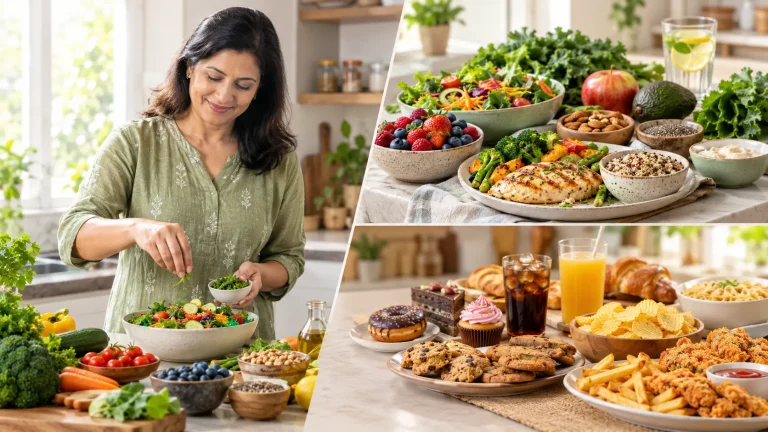
Eating a lot of added sugar regularly can make it easier to exceed our energy needs and may contribute to metabolic health problems. Extra glucose can also take part in a process called glycation , in which sugars react with proteins and fats. Choose whole fruits more often than sugary drinks, sweets and highly processed dessert.
Highly Processed Foods
Many ultra-processed foods are high in refined carbohydrates, sodium, unhealthy fats and added sugars, while they are relatively low in fibre or micronutrients.That doesn’t mean we have to eliminate all packaged foods. Minimally processed foods should be the mainstay of your diet.
Too Much Fried Food
Regular consumption of deep fried foods may lead to increased intake of energy and bad fats. Some fried foods can be substituted with steamed, roasted, grilled or lightly cooked foods to increase the overall quality of the diet.
Excessive alcohol
Although some research has examined potential benefits of some components in alcoholic beverages, alcohol itself is not required for healthy aging. Too much can contribute to inflammation, oxidative stress and other health concerns.
It makes sense for a person to restrict or abstain from alcohol for general health.
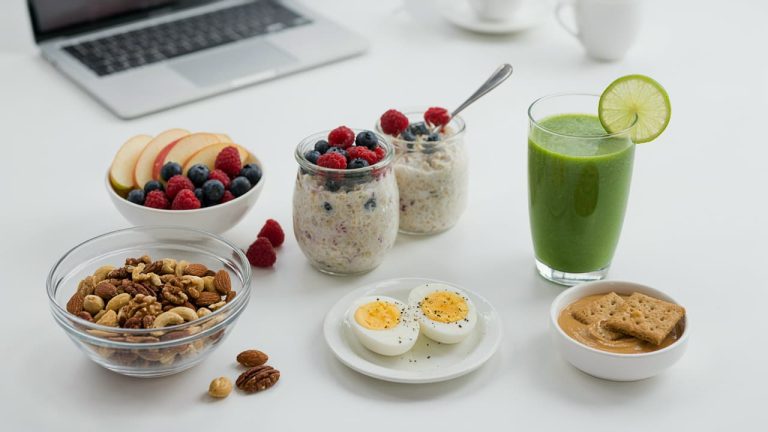
How to Build a Balanced Healthy-Aging Plate at Every Meal
When you consider the whole meal rather than individual “superfoods” it is easier to eat healthy.
A simple plate could have:
Vegetables: A good helping of seasonal vegetables or greens.
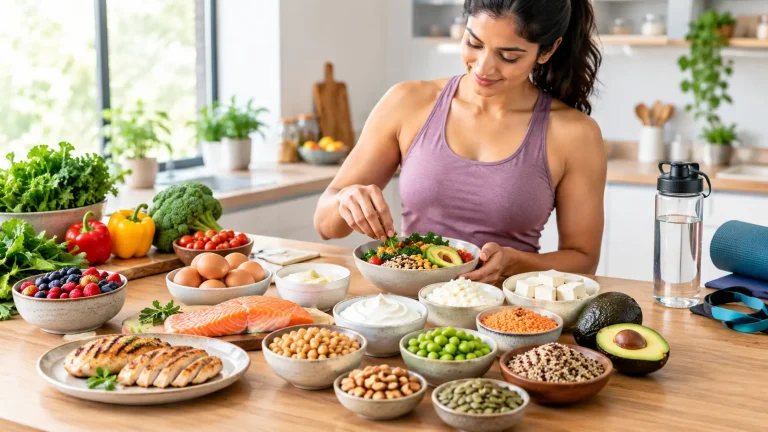
Protein: Dal, beans, chickpeas, egg, fish, poultry, curd or any other suitable protein source.
Whole grains: Brown rice, millets, oats, whole-wheat roti or any other minimally refined grain.
Healthy fats: nuts, seeds or appropriate cooking oils in appropriate amounts
Fruit: Seasonal Fruit With a Meal or As a Snack.
Fluids: Mainly water.
This way you get fibre, protein, healthy fats, vitamins, minerals and plant compounds without having to have a complicated diet.
Simple Everyday Food Swaps for Better Nutrition and Long-Term Health
You don’t need to change your eating habits all at once. Small substitutions can increase the nutrient density of your meals.
- Drink water or unsweetened drinks instead of sugary ones.
- Choose fruit and a small serving of nuts over refined-grain snacks.
- Instead of fried snacks, opt for roasted chana, nuts, fruit, or other minimally processed items.
- Don’t eat the same vegetable everyday, mix it up with other vegetables of the season.
- Use more whole grains or millets instead of refined grains.
- Instead of looking at healthy eating as a short-term diet, develop a pattern you can live with for years to come.
How QUA Nutrition Can Support Your Healthy Aging Journey
Your nutritional needs may vary according to your age, lifestyle, physical activity, dietary choices, health condition, medical history and personal goals.
QUA Nutrition’s personalized nutrition is not just a list of “healthy foods” that you should eat.
Our nutritionists can help you assess your individual needs and develop a practical eating plan that fits your lifestyle.
A customised approach may include:
– Nutritional assessment tailored to your individual needs
– Plan meals around foods you like
– Ways to increase antioxidant-rich and fibre-rich foods
– Recommendations according to your dietary needs and preferences
– Realistic food swaps that fit your lifestyle
– Ongoing support to develop sustainable eating habits
The point is not to go after some miracle anti-aging food. It is to establish a pattern of eating that supports your health consistently over time.
Small Food Choices Today Can Support a Healthier Tomorrow
Healthy aging starts with the daily choices you make at your table. A diet rich in a range of foods such as fruits, vegetables, whole grains, pulses, healthy fats and other nutrient-dense foods can help bolster your body’s natural defences and overall wellbeing. The little changes you make today can add up to healthier habits down the road.
At QUA Nutrition, personalized nutrition helps translate these principles into practical choices that fit your lifestyle, preferences and health goals.
FAQs
Q: Can diet actually slow aging down?
A: Nutrition will not stop the natural ageing process. However, a diet rich in vegetables, fruits, whole grains, pulses, healthy fats and adequate protein can help to improve overall health and address nutritional factors that contribute to healthy aging.
Q: Do we need antioxidant supplements?
A: Different foods contain different antioxidant compounds, as well as fibre, vitamins, minerals and other beneficial nutrients. A varied diet can provide a wide range of antioxidant compounds. Supplements can be useful in some situations, but they should be considered as part of someone’s nutritional needs and not as a substitute for a healthy diet.
Q: What are good Indian foods for healthy aging?
A: You may recognise several Indian foods that can be part of a healthy-aging diet. Examples are amla, guava, tomatoes, leafy vegetables, carrots, beans, lentils, chickpeas, millets, oats, walnuts, flaxseeds, curd, turmeric and ginger.
Q: Are superfoods expensive and needed for healthy aging?
A: No. There are plenty of healthy foods that are cheap and easy to find. Seasonal fruits and vegetables, pulses, oats, whole grains, nuts and seeds offer a wide range of nutrients without having to resort to expensive specialty products.
Q: When can I begin eating healthy?
A: You don’t have to wait until you’re a certain age. Healthy eating habits can help support health throughout adult life. It’s better to make small, sustainable changes than to try to make a dramatic change in your diet overnight.