IBS or Irritable Bowel Syndrome is more than “just having a sensitive stomach.” It is actually a type of gut problem where the digestion of food and how your digestive system moves food is affected by stress and how you take care of your body. Symptoms of IBS can be unpredictable and cause people to experience bloating, cramping, constipation, diarrhea, gas, and acidity.
Have you ever asked yourself the question, “Why do I react after I eat?” If so, you are not alone; approximately 10-15% of the world has IBS, and one of the worst triggers for IBS is food.
In this blog, we talk through the 10 worst foods for IBS, and we will back this up with scientific evidence, tell the story in simple terms, and show you examples from real users, as well as how QUA Nutrition can help you restore your gut health.
Why Certain Foods Trigger IBS
Consider your gut like a transportation network. When your food digests easily, then your digestion can run smoothly. However, when certain foods attract too much water into the intestines, ferment quickly, or impede gut motility, they may create “congestion” in the gut and exacerbate IBS symptoms. FODMAPs (Fermentable Oligosaccharides, Disaccharides, Monosaccharides and Polyols) comprise the predominant portion of IBS triggers. They are easily fermented, short-chain carbohydrates that do not absorb well and result in gas, bloating, and abdominal discomfort upon fermentation by gut bacteria. Next, let’s explore the 10 worst trigger foods for IBS and their relationship to science.
1. Dairy Products
Dairy products: Milk, Ice Cream, Milkshakes, Paneer, and cheese are all possible sources of problems for IBS patients, as they commonly suffer from lactose intolerance or low levels of lactase. This will result in undigested lactose passing into the colon, where fermentation occurs, leading to
- Bloating
- Gas
- Diarrhea
- Stomach cramps.
Scientific insight: Research shows that between 70% and 80% of those with IBS-D or IBS-M will have some level of lactose malabsorption. Better options would include: Lactose-Free Milk, A2 Yoghurt, Almond Milk, and Fortified Plant Milks.
2. Fried & Greasy Foods
Fat slows stomach emptying and stimulates irregular contractions in the gut. As a result, IBS patients with high-fat food consumption can experience the following symptoms:
- Sudden diarrhoea
- Stomach heaviness
- Acid reflux
- Inflammation
High-fat foods also cause the gut to over-stimulate, resulting in increased spasms and inflammatory pain for patients with IBS.
Better options: air-fried snacks, grilled foods, baked cutlets.
3. Beans & Legumes
The following foods contain Galacto-Oligosaccharides (GOS), which are an important FODMAP group: Rajma, chole, black beans, chickpeas, and soybeans. These foods can rapidly ferment in the colon, causing:
- Produce gas
- Bloating
- Severe cramps
As a result, a healthy food such as sprouts may trigger IBS if eaten regularly.
Consider eating: small portions, well-cooked dals, and moong dal.
4. Gluten-Containing Grains
Wheat based form of food (wheat roti, paratha, bread, pasta, and baked goods) are also a source of fructans (a FODMAP), which can lead to confusion with gluten intolerance among those who suffer from IBS. Symptoms can include:
- Bloating after eating a chapati,
- Excessive gas
- Constipation or diarrhea, and
- Feeling fatigued after meals.
Alternatives include rice, jowar, bajra, ragi, or gluten-free bread
5. Caffeine
Caffeine from coffee, cold coffee drinks, energy drinks, and strong teas can speed up your intestines, which can result in:
- Loose stools
- Faster transit of material through the intestine
- Abdominal discomfort
- Heartburn
If you drink a lot of caffeine and then find yourself frequently needing to run to the bathroom after consuming coffee, this is partly why.
Better options for caffeine alternatives are matcha (green tea powder), herbal tea, and golden milk (turmeric drink).
6. Carbonated Drinks
When bubbles from carbonated drinks expand within your gastrointestinal system, they create more gas than what is normally present in your intestines. This causes an increase in both distention and bloating throughout the abdominal region.
Another contributor to bloating caused by carbonated beverages is the introduction of artificial sweeteners.
Additionally, there are many better alternatives to sugary soft drinks, such as lemon mint-infused water and coconut water.
7. Artificial Sweeteners
The gums that don’t include sugar, sodas without sugary things, and snacks full of protein
There are several polyols that are FODMAPs, such as sorbitol, mannitol and xylitol.
These types of polyols will pull excess water into the intestines, hence causing a person to have diarrhea and cause gas and bloating since they ferment quickly.
For this reason, many of our clients at QUA Nutrition with IBS tend to see a dramatic improvement once all sugar-free foods are completely removed.
Raw honey, jaggery, and maple syrup are all much better alternatives (but should be eaten on an occasional basis).
8. Raw Vegetables (Especially Cruciferous)
Here are some sources of raw fibre that are not very well digested and can cause irritation of the gut: broccoli, cauliflower, cabbage, salads, and onions. Crustaceous vegetables can have a sugar (rafinose) that is a type of FODMAP, which means it may cause excess gas.
Signs that can indicate gas/stomach pains associated with these foods are as follows:
- sharp gas that seems stuck
- the ab’s feeling tight
- bloated stomach
More supportive foods include: cooked carrots, bottle gourd, zucchini, and pumpkin.
9. Spicy Foods
Curries with plenty of chili peppers; gravies in restaurants; red and green sauces made from fresh chiles.
Capsaicin (the substance that creates heat from chili peppers) causes pain receptors in your stomach to be overstimulated.
The pain signals from your stomach will result in:
- A burning feeling
- Diarrhea
- Stomach cramps
People with IBS will have hypersensitive nerves; therefore, spicy foods will trigger increased reactions.
Instead, choose mild (not hot) seasonings, such as ginger and turmeric, as well as cumin seeds (jeera).
10. Processed Foods
Chips, cookies, sausages, and pre-packaged noodles
How do they cause problems?
- Fat Content – High in fat, they can lead to gut spasms
- Emulsifiers – Emulsifiers can lead to inflammation of the gut
- Preservatives – Preservatives disrupt the microbiome
- Fiber Content – Very Low in fiber, so they can cause constipation
People with irritable bowel syndrome (IBS) will often notice a significant change in their health after eliminating processed foods.
What can I eat instead? Homemade snacks/roasted makhana/nuts in moderation
Foods that are IBS-Friendly
Though it’s important to avoid your triggers, you shouldn’t restrict your diet too much. You can find an IBS-friendly diet that is both enjoyable and provides you with balanced nutrition, as well as helps you heal your gut. There are some foods that are also friendlier for your gut; these include the following:
- Grains (rice; oats)
- Moong dal
- Ragi; jowar
- Eggs
- Fish
- yogurt (in moderation; for some)
- Oranges; strawberries; papaya
- Cooked vegetables
- Jeera water; fennel tea
Remember that IBS is a very individual condition. A food that bothers one person may not bother another. This is very important when it comes to the healing process.
How QUA Nutrition Helps You Manage IBS
There isn’t a single dietary change that will be good for everyone with an irritable bowel syndrome diagnosis (IBS). No two people are the same; every individual varies in terms of gut microbiota, hereditary or genetic susceptibility, sensitivity within the gastrointestinal tract, and lifestyle. QUA Nutrition will help you heal from IBS-related disorders through the following parameters:
Personalized FODMAP Diet – identifying the specific FODMAP foods that you are sensitive to (fructose, lactose, fructans, polyols, etc.) and creating a personalized diet based on your sensitivities.
Gut Microbiome Analysis – to understand imbalance in the gut bacteria, as well as inflammation markers, and foods that the gut is having difficulty digesting.
Symptom Tracking and Meal Rotation – to help you with journaling, eating to track patterns, and reduce the results of flare-ups.
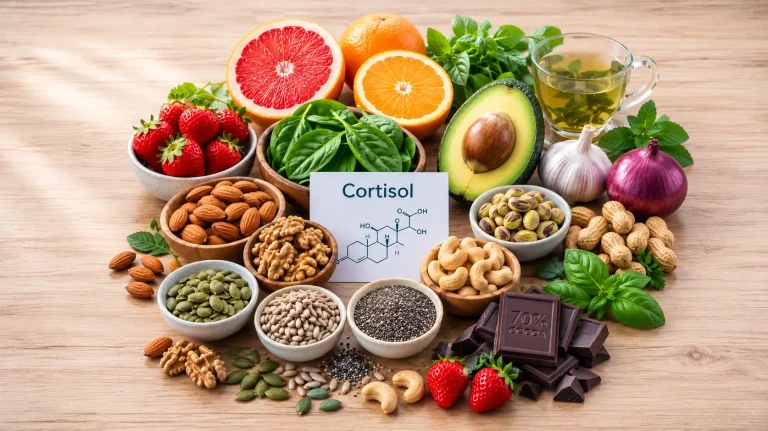
Stress Hormone Influenced Nutrition – because stress can make IBS worse, the nutrition plan will consist of foods that help regulate the cortisol level.
Supplement Recommendations – will be recommended based on what’s needed for you, i.e., collagen, probiotics, digestive enzymes, glutamine.
Long-Term Gut Repair – the overall goal is not just to have relief, but to have a stronger, healthier gut long-term. There have been hundreds of clients who have gone through QUA Nutrition with an IBS diagnosis who have shown wonderful improvement within 8-12 weeks due to personalized care.
FAQs
Q: Do only foods contribute to Irritable Bowel Syndrome (IBS)?
A: No, other things can add to IBS, including stress, hormones, lack of sleep, imbalance between good and bad bacteria in the gut, and infections. While food is a primary contributor to IBS, it is not the only contributor.
Q: Is Irritable Bowel Syndrome (IBS) and lactose intolerance the same condition?
A: No, lactose intolerance and IBS are different conditions, although they can frequently occur together in patients who have both conditions. Lactose intolerance affects the function of a digestive enzyme used to break down lactose. In contrast, IBS affects how well your intestines function.
Q: Is it possible to cure Irritable Bowel Syndrome (IBS)?
A: There is currently no cure for IBS, but under the right circumstances, it is possible to manage IBS to the point where you can return to living your normal life through diet.
Q: Are all FODMAP foods bad for people suffering from Irritable Bowel Syndrome (IBS)?
A: Not at all. You do not have to permanently avoid FODMAPs. The key to eating FODMAPs will be to determine your own specific food sensitivities through working with an expert dietitian.
Q: How long will it take to see changes in gut health through diet?
A: Generally, the majority of people will start to see changes in their gut health between 2-3 weeks. More serious changes to the gut are usually seen within 8-12 weeks when following an appropriate diet plan.