
Diet for PCOD

Contact Us
Polycystic Ovarian Disease (PCOD) is a common condition affecting one-third of all menstruating women across the world. This condition is characterised by the release of multiple immature or partially mature eggs from the ovaries, which can potentially turn into cysts. Irregular periods, acne, weight gain, infertility, and hair loss are some of the issues caused by this condition. Living with PCOD can be challenging; however, with proper dietary and lifestyle changes, it is possible to manage this condition effectively. Getting the right nutrition for PCOD is a big part of easing the symptoms and improving health in general.
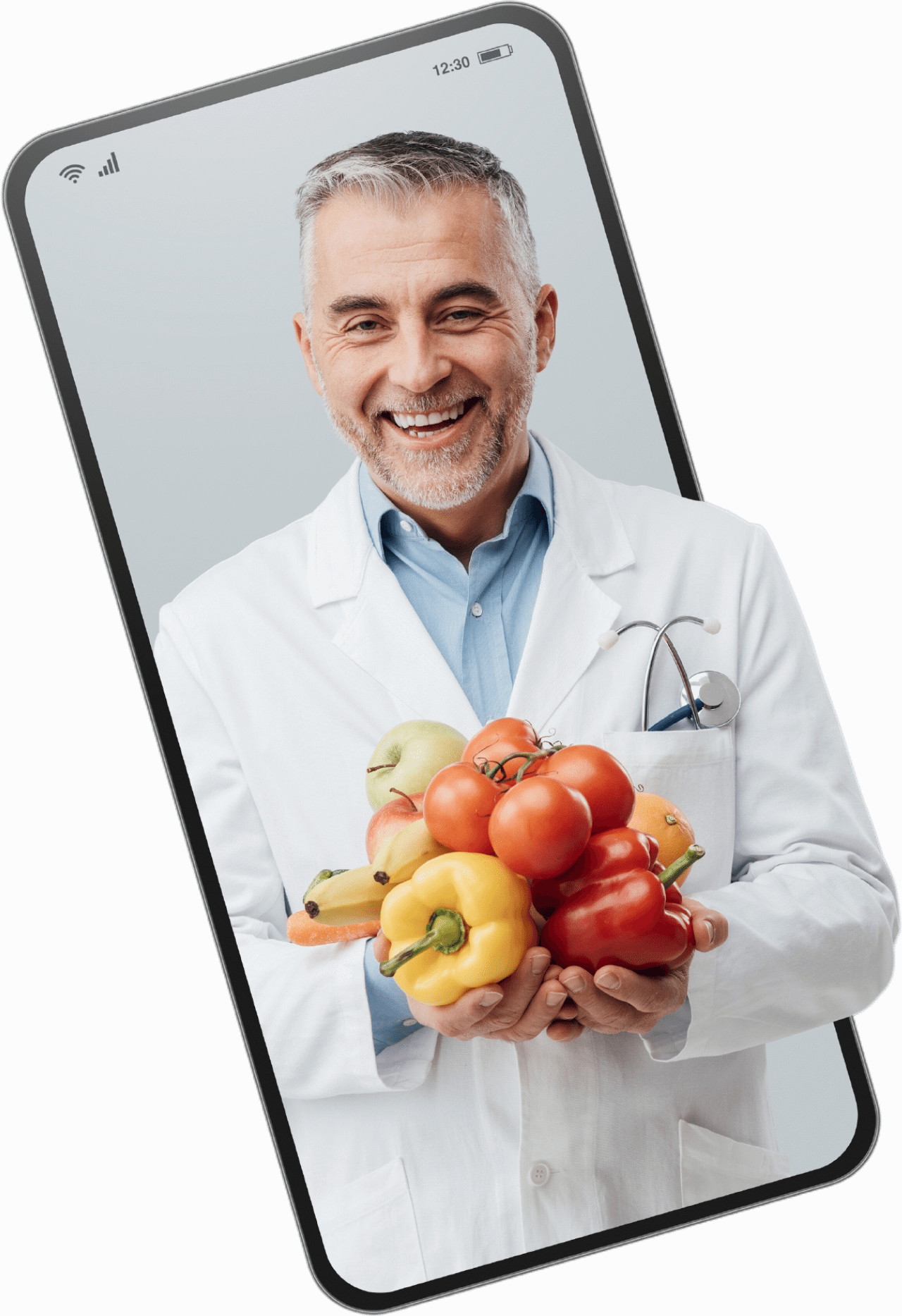
Importance of Diet in Managing PCOD
Many women with PCOD suffer from insulin resistance. When the body cannot use insulin effectively, glucose stays in the blood, and the body then produces more insulin. High insulin levels can cause the body to produce more androgens, resulting in irregular periods. Apart from the immediate symptoms, unmanaged insulin resistance also raises the risk for more serious issues down the road, like type 2 diabetes, heart disease, and high blood pressure. Because what you eat can either calm these hormones or flare them up, your diet becomes your most powerful tool for getting your health back on track.
Diet plays a major role in managing PCOD as it can make the condition better or worse. A good, balanced plan doesn’t just help with weight loss; it helps steady your hormones and brings your energy back. At Qua Nutrition, we focus on helping you build habits that actually can be followed, focusing on lowering inflammation and getting those hormones back in sync.
Women with PCOD must follow a diet that includes low-glycemic index (GI) foods, healthy fats, and lean proteins, all of which reduce sugar spikes, reduce inflammation, and help manage weight. Eating more fruits, vegetables, whole grains, and less processed foods and sugary drinks is also important. A healthy PCOD diet can increase general energy levels, decrease acne and hair loss, and enhance menstrual regularity. A diet for PCOD is a habit you should develop and adhere to regularly in order to live a healthier life.
1-Day Simple Diet Plan for PCOD
Breakfast: Oats with nuts and seeds, or 2 idlis with sambar, or eggs with whole-grain toast
Mid-morning snack: A fruit like an apple or an orange with a handful of almonds
Lunch: 2 rotis or brown rice with dal, vegetables, and a protein source like chicken or paneer
Evening snack: Green tea with roasted chana or a small bowl of sprouts
Dinner: Light meal like vegetable upma, chapati with sabji, or grilled fish with salad
Hydration: Drink water throughout the day, at least 2–3 litres
The exact diet will vary from person to person. Factors like your hormone levels, insulin resistance, lifestyle, and activity level all play a role. Our nutritionists for PCOD offer a personalised diet plan for PCOD, taking into account your overall condition and lifestyle.
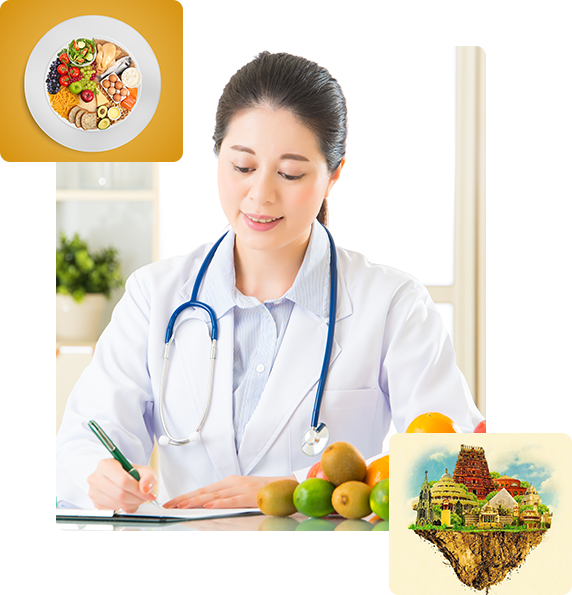

Tips and Lifestyle Changes to Manage PCOD
Diet alone isn’t enough; you need a few lifestyle changes to support it. When made regularly, even minor adjustments can have a significant impact.
- Stay active (even 30 minutes of walking helps)
- Maintain a regular sleep schedule
- Avoid skipping meals
- Eat smaller meals at regular intervals
- Consume adequate water
- Simple routines such as yoga or deep breathing might help you manage your stress
Foods to Include in a PCOD Diet
Some foods naturally help keep hormones in order and make PCOD easier to handle.
High-fibre foods: Vegetables, fruits, oats, and whole grains help slow down sugar absorption.
Lean proteins: Eggs, chicken, fish, lentils, and tofu keep you full and support muscle health.
Healthy fats: Nuts, seeds, olive oil, and avocado help reduce inflammation and support hormones.
Low GI carbohydrates: Brown rice, millets, and whole wheat provide steady energy without spikes.
Anti-inflammatory foods: Berries, leafy greens, turmeric, and fatty fish help calm internal inflammation.
The goal is to keep your meals balanced rather than focusing on just one type of food.
Foods to Avoid with PCOD
There are certain foods that can make your symptoms worse. Those are
- Refined carbs like white bread and pastries
- Sugary drinks, desserts, and packaged juices
- Fried and fast food
- Processed meats
- Excess coffee and alcohol
When you eat these foods, your blood sugar levels tend to rise quickly, trigger inflammation, and the hormonal imbalance gets worse. Cutting down gradually is more realistic than stopping everything at once.


Why Consult with a Nutritionist for PCOD
PCOD doesn’t affect everyone in the same way, so a one-size-fits-all diet rarely works. A diet for PCOD that works for someone else might not do a thing for you, which is why those “one-size-fits-all” plans you find online usually fall short.
A nutritionist for PCOD takes the guesswork out of the process. Our dietitian nutritionists help you understand how your body specifically reacts to certain foods and build a plan around your actual lifestyle and health needs. It is much easier to continue on the correct road without worrying about what to eat next when you have someone monitoring your progress and making adjustments as you go.
How Qua Nutrition Helps You Manage PCOD
At Qua Nutrition, we keep things practical. We don’t do crash diets or quick fixes; instead, we look at your medical reports and daily routine to build a plan that actually fits your life.
You aren’t left to figure it out on your own, either. We focus on continuous support and regular follow-ups to make sure the habits you’re building are sustainable. We prioritise managing PCOD in a way that feels realistic and, most importantly, effective.
Our Success Stories
Q: How can I balance my hormones with a PCOD diet?
A: Eating a PCOD-friendly diet helps lower insulin and keep your hormones steady. Focus on low-GI foods like oats, lean proteins like chicken, and healthy fats like avocado. It’s also important to avoid sugary or processed snacks.
Q: What are low-GI foods and why do they matter?
A: Foods like quinoa, berries, and beans are low in GI. Since they release sugar into your blood slowly, they are great for preventing insulin spikes.
Q: Can diet alone cure PCOD?
A: Diet alone won’t cure PCOD, but it can really help manage the symptoms. When you combine it with regular exercise and good sleep, it can improve your overall health.
Q: Should I completely avoid carbohydrates if I have PCOD?
A: No, you don’t have to avoid carbs entirely. Instead, choose healthier options like whole grains, oats, and millets, which release energy slowly and help manage insulin levels.
Q: Can skipping meals worsen PCOD symptoms?
A: Yes, skipping meals can cause blood sugar fluctuations, which may worsen cravings and hormonal imbalance. Eating at regular intervals is important.