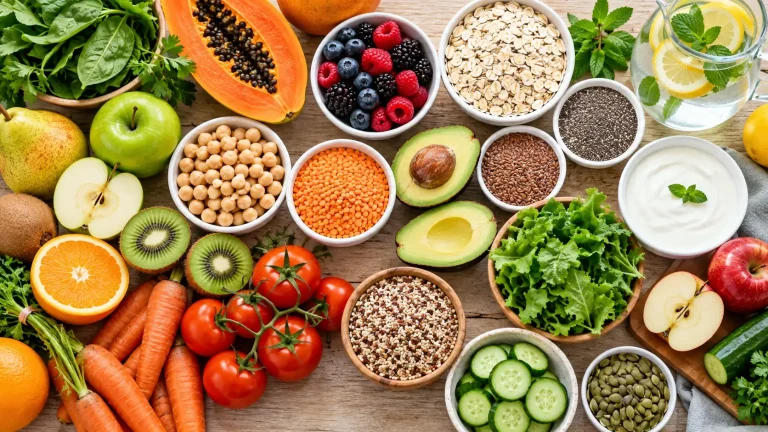

Triglycerides are a type of fat in your blood that your body uses for energy. However, high levels can increase the risk of heart disease and, in severe cases, pancreatitis. Diet plays an important role in managing triglyceride levels, as your food choices can influence them. Choosing fibre-rich foods and healthy fats while limiting added sugar and refined carbohydrates can help manage triglyceride levels.
No single food can lower triglycerides on its own, but certain foods can support heart health as part of a balanced diet. They also provide essential nutrients that contribute to overall health. Here are eight foods to include in your meals to support healthy triglyceride levels.
Understanding High Triglycerides
Triglycerides and cholesterol are both fats found in your blood, but they serve different purposes. Triglycerides store excess calories and supply energy when your body needs it, while cholesterol helps build cells and produce hormones. Both circulate in the bloodstream, and high triglyceride levels often occur with low HDL (“good”) cholesterol. This is why a lipid profile measures all these levels together.
Fasting triglyceride ranges, in mg/dL:
- Normal: below 150
- Borderline high: 150 to 199
- High: 200 to 499
- Very high: 500 and above
Common causes include excess sugar and refined carbohydrates, alcohol, excess weight, diabetes, inactivity, certain medicines, and inherited tendencies. Untreated, high levels raise the risk of heart disease, and levels of 500 or more raise the risk of acute pancreatitis, a painful and sometimes serious condition.
How Diet Helps Lower Triglycerides
A few dietary changes can make a considerable difference when managing high triglycerides. Reduce added sugar, refined flour, and alcohol, as excess sugar and calories can increase triglyceride production in the liver. Include more fibre-rich foods, such as oats, vegetables, beans and whole grains, to support better blood sugar and cholesterol levels. Add omega-3 fats from oily fish, walnuts and seeds to your meals. A diet for high triglycerides also resembles a cholesterol diet, as both focus on whole foods, fibre and unsaturated fats while limiting saturated and trans fats. However, cutting back on sugar and alcohol is especially important for managing triglyceride levels.
8 Best Foods to Naturally Reduce High Triglycerides
Triglyceride levels can be affected by the foods you eat each day. Including fibre-rich foods, healthy fats, and whole grains in your meals can support better heart health. Here are eight foods to consider adding to your diet.
1. Fatty Fish (Salmon, Mackerel, Sardines)
Fatty fish provide EPA and DHA, omega-3 fats that help lower triglyceride levels. The American Heart Association recommends eating fish twice a week. Choose grilled, baked or lightly curried fish instead of deep-fried
preparations.
2. Oats and Whole Grains
Oats provide soluble fibre that helps lower LDL cholesterol. Barley, millet and buckwheat also show potential benefits for managing triglyceride levels. Replace some white rice and maida with whole grains, or include ragi and jowar in your meals.
3. Nuts (Walnuts and Almonds)
Walnuts and almonds provide unsaturated fats, while walnuts also contain plant-based omega-3 (ALA). These fats support heart health and can improve your overall lipid profile. Keep portions small, around 30 grams daily, as nuts are calorie-dense.
4. Flaxseeds and Chia Seeds
Flaxseeds and chia seeds provide fibre and plant-based omega-3 (ALA). The body converts only a small amount of ALA into EPA and DHA. Add ground flaxseeds to curd or dough, or soak chia seeds overnight.
5. Legumes and Pulses (Dal, Rajma, Chickpeas)
Dal, rajma, and chickpeas provide fibre and protein, which help manage blood sugar and keep you full. Include a katori of dal or chana with lunch, add sprouts to salads, or choose roasted chana instead of fried snacks.
6. Leafy Greens and Non-Starchy Vegetables
Spinach, methi, cabbage, and cauliflower provide fibre without adding many calories. Including these vegetables in your meals helps maintain a balanced diet. Add cooked greens to lunch and dinner, or fill half your plate with vegetables.
7. Olive Oil and Other Healthy Fats
Using olive oil and other unsaturated oils instead of butter, ghee, and other saturated fats can help improve your lipid profile. Use small amounts for cooking, sautéing, and dressings, as all oils contain calories.
8. Berries and Citrus Fruits
Berries, oranges, sweet lime, and guava provide fibre and antioxidants. Whole fruits are better than packaged juices, which often contain added sugar and have less fibre. Include one or two portions of whole fruit daily.
Foods and Drinks to Limit When Triglycerides Are High
Some foods and drinks can contribute to high triglyceride levels, particularly when consumed regularly. Limiting the following can help you manage your levels:
- Sugary Drinks, Sweets and Refined Flour: Soft drinks, packaged juices, sweets, cakes, and other bakery items can raise triglyceride levels, especially when consumed often.
- Alcohol: Alcohol can increase triglyceride levels, sometimes significantly. Doctors may recommend avoiding it when levels are high.
- Fried Foods, Trans Fats and Excess Saturated Fats: Limit fried snacks, packaged foods, and bakery products high in trans or saturated fats.
Sample Diet for High Triglycerides
A balanced diet with fibre-rich foods, lean protein, and healthy fats can support triglyceride management. Here is a sample meal plan to give you an idea of what to include throughout the day:
- Breakfast: Vegetable oats or ragi porridge with a few walnuts
- Mid-Morning: An orange or a bowl of berries
- Lunch: Half a plate of vegetables, a katori of dal, one or two millet rotis, and curd
- Evening: Roasted chana or a small handful of almonds
- Dinner: Grilled fish or tofu with sautéed greens and a small portion of whole grain
Spread portions evenly across the day, and keep rice, rotis, and sweets modest.
Lifestyle Habits That Support Lower Triglycerides
Along with a balanced diet, certain lifestyle changes can help lower high triglycerides and support heart health.
The following changes can support your efforts:
- Aim for at least 150 minutes of physical activity each week, such as brisk walking or cycling.
- Even modest weight loss can help lower triglycerides if you are overweight.
- Keep blood sugar levels in check, especially if you have diabetes.
- Follow a regular sleep schedule.
- Find ways to reduce stress, as chronic stress can affect sleep and eating patterns.
Common Myths About Triglycerides and Diet
Diet has an integral role in triglyceride levels, but some common beliefs about food and triglycerides are misleading. Knowing what is true can help you make better food choices and manage your levels.
| Myth | Fact |
| Only fatty food raises triglycerides. | Sugar, refined carbohydrates, and alcohol can also raise triglyceride levels. |
| People with high triglycerides should avoid fruit. | Whole fruits are fine in sensible portions. However, limit fruit juice, especially varieties with added sugar. |
| Slim people will not have high triglycerides. | Genetics, diabetes, and alcohol can raise triglyceride levels regardless of body weight. |
Getting Personalized Guidance
Two people with similar triglyceride levels may need different diet plans based on their weight, blood sugar, medications, and eating habits. Ryan Fernando, founder of Qua Nutrition and a clinical biochemistry graduate, believes nutrition plans should be tailored to individual needs. The right food choices and portion sizes for managing high triglycerides can vary from person to person. QUA Nutrition offers personalised diet plans based on individual health needs and eating habits. With expert guidance, you can make informed food choices and develop habits that are easier to maintain.
Regular medical monitoring is equally important. Consult a doctor for a lipid profile and repeat the test as advised. Triglyceride levels of 500 mg/dL or higher require prompt medical attention. Seek urgent care if you experience severe abdominal pain or chest pain.
Building Better Eating Habits to Manage Triglycerides
Managing high triglycerides involves more than avoiding certain foods. Including fatty fish, whole grains, nuts, seeds, legumes, vegetables, and whole fruits in your meals can support healthier triglyceride levels. Limiting added sugar, refined carbohydrates, and alcohol is equally important.
The key is to make dietary changes that suit your health needs and daily routine. With consistent effort, regular health checks and the right nutritional guidance, you can build eating habits that support better long-term health. If you are unsure where to start, professional guidance can help you make the right dietary choices. Contact us to take a practical step towards better triglyceride management.
FAQs
1. How quickly can diet lower triglycerides?
Many people see a change within a few weeks to a few months. Recheck your levels as your doctor advises.
2. What is the best food to reduce triglycerides fast?
No single food works alone. Fatty fish has the strongest evidence, and cutting sugar and alcohol often helps most.
3. Can I eat fruit if I have high triglycerides?
Yes. Choose whole fruit in one or two portions a day and avoid juice.
4. Is a cholesterol diet the same as a triglyceride diet?
They overlap heavily, but triglycerides respond more to sugar, refined carbohydrates, and alcohol.
5. Do I need medication, or can diet alone work?
Mild or borderline levels often respond to diet and exercise. Very high levels usually need medication, so follow your doctor’s advice.