
The teenage years are a whirlwind of growth spurts, hormonal changes, exam stress, sports commitments and for many, the onset of menstruation. All of this happens quickly and makes great demands on the body’s nutritional reserves. And if those requirements are not fulfilled, anemia is one of the most common results. Sometimes it doesn’t come with a fanfare.
A teen with anemia might simply appear “tired all the time,” a bit pale or not as interested in activities they once enjoyed. These signs are easily mistaken for normal teenage moodiness or a busy school schedule, so anemia in adolescents often goes undetected for months. One of the most helpful things for a teen or parent to know is the appearance of anemia, why it occurs so often in this age group, and how diet can fix it.
What is Anemia? What You Should Know About Low Hemoglobin and Teenagers
The simplest definition of anemia is that the blood does not have enough healthy red blood cells or enough hemoglobin to carry oxygen to the tissues of the body. Hemoglobin is an iron-containing protein that makes blood red. This is the real carrier of oxygen, from lungs to all the organs and muscles. So the body is working with less oxygen when hemoglobin is below a certain level. This results in tiredness, lack of focus and less physical stamina – all things a growing teenager cannot afford to lose.
Why is anemia so prevalent in teen years? Knowing what you need nutritionally
Adolescence is one of the most rapidly growing periods next to infancy. Muscle mass increases, blood volume rises and the body requires a steady supply of iron, protein and other nutrients to keep up. This is supported by large scale research on Indian adolescents. According to the Comprehensive National Nutrition Survey, nearly 40% of adolescent girls and nearly 18% of boys suffer from anemia, which translates to over 70 million adolescents across the country. This is one of the main reasons why anemia is always more common in teenage girls than in boys, since menstruation adds a second layer of iron loss for girls especially, on top of the already high demands of growth. This gap is even harder to close when diets are high in cereals and low in iron-rich foods.
Signs and Symptoms of Anemia in Teenagers Parents Should Recognize.
While occasional fatigue or low energy can be ignored, being aware of the common signs can help you catch anemia earlier.
1. Fatigue: Fatigue is the most common and earliest warning sign. Persistent fatigue, not related to work load, even after a full night’s sleep.
2. Weakness with activity: Reduced endurance or sudden fatigue during sports, gym class, or general physical activity that was previously easy.
3. Dizziness: Sensation of being light-headed, especially on standing up quickly, due to reduced oxygen supply to the brain.
4. Persistent Headaches: Recurrent headaches without a known cause could be a sign your brain isn’t getting enough oxygen.
5. Shortness of breath: If you get short of breath with exertion that never bothered you before, this is a huge warning sign.
6. Pale complexion: The skin, lips, nail beds or inner eyelids appear paler than normal. This is because of a low count of red blood cells.
7. Cold intolerance: Poor circulation of oxygenated blood can cause people to be more sensitive to the cold in mild weather.
8. Difficulty paying attention in class, or a marked decline in school performance for no obvious reason.
9. Mood changes: irritability, low mood or lack of motivation linked with physical tiredness and low energy.
The Causes of Anemia in Teenagers Common Lifestyle & Nutrition Factors.
Many causes of anemia in adolescence may be nutritional deficiencies and increased requirements. You need to know about it.
1. Iron deficiency: The number one cause of adolescent anemia globally, affecting the body’s ability to produce sufficient hemoglobin.
2. Bad nutrition in general: A lack of protein, folate and other key micronutrients slows down red blood cell production and repair.
3. Menstrual blood loss: In adolescent girls, heavy or prolonged periods can deplete iron stores faster than dietary intake can replenish them over time.
4. Micronutrient deficiencies: Vitamin A, zinc or B12 deficiencies are independently associated with risk of anemia in adolescents.
5. Hereditary Blood Diseases: Some inherited conditions such as the thalassemia trait affect the way your body makes hemoglobin and put you at an increased risk for anemia, no matter what you eat.
6. Chronic Disease and Infection: The body’s ability to absorb iron and make red blood cells may be affected by chronic disease or infection.
Iron Deficiency: The Most Common Nutritional Cause of Anemia in Teens
In national surveys, iron deficiency is consistently the best predictor of anemia in adolescents. If there is not enough iron, the body cannot produce enough hemoglobin and the blood cannot carry as much oxygen. Research has shown that eating pulses and lentils regularly is associated with a much lower risk of anemia in teenagers. Iron stores can be depleted well before haemoglobin, so deficiency is often insidious and gradual. The vast majority of cases of iron deficiency anemia are diet-related and respond favourably to consistent changes in diet.
Anemia and Teenage Girls: The Impact of Menstruation and Iron Loss on Health
When periods begin, the body’s need for iron increases dramatically to compensate for the loss each month. The association with lower hemoglobin levels is stronger for longer and heavier periods. Hemoglobin is lower with each additional year after menarche as cumulative iron loss accumulates.
Girls who have begun to menstruate are much more likely to be anaemic than girls who have not. Keeping a record of how regular the period is and how heavy it is can help detect early iron loss before anemia becomes severe.
Can Boys Develop Anemia? Causes and Risk Factors Parents Should Know
Yes, and while girls shoulder a heavier burden, teenage boys are scarcely inoculated. Nationally, almost one in five adolescent boys in India is anaemic; the number is much higher in some areas. Girls don’t lose iron through menstruation but the rapid development of muscles in adolescence means a big need for iron, protein and other nutrients. Like girls, boys can be anaemic if they are very active in sports, eat poorly, have chronic infections or have inherited blood disorders. Sometimes people think it’s a girls’ issue and that’s why sometimes anemia in boys can be missed and can be undiagnosed for longer.
How Is Anemia Diagnosed in Teenagers? Key Tests Used to Identify the Cause
You cannot diagnose anemia based on symptoms alone. Blood tests and a closer look at the root cause help clarify the picture.
1. Complete blood count (CBC): This is the basic test that checks for your haemoglobin levels and the size and number of your red blood cells.
2. Serum ferritin: This tells you how much iron is stored in the body and is usually the first to drop before haemoglobin levels start to fall
3. Further targeted tests: If the initial tests suggest a cause other than iron, tests for vitamin B12, folate or haemoglobin variants may be next.
4. Girls with heavy periods, teenage vegetarians and anyone with persistent symptoms should be tested as soon as possible.
Physical signs may only be suggestive but laboratory blood testing is always necessary to confirm the diagnosis.
Diet Correction for Anemia in Teenagers: Building an Iron-Rich and Balanced Diet
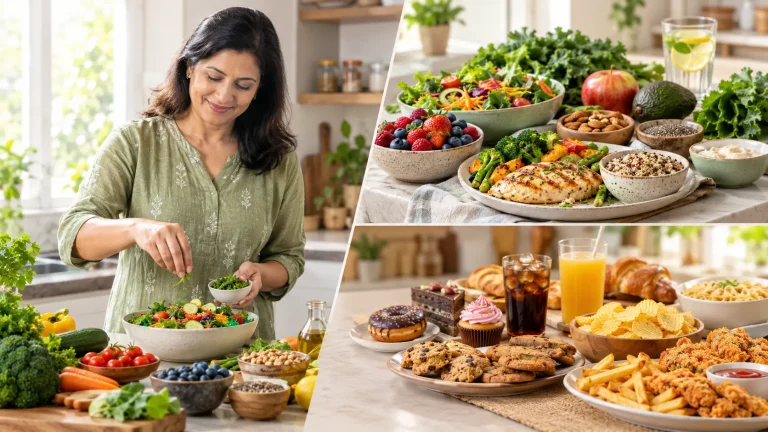
A well-planned diet for teens can make all the difference, with the right mix of iron-rich foods and supporting nutrients.
1. Adequate amounts of iron, protein, folate and vitamin B12 are necessary to fully support the production of red blood cells.
2. Vitamin C combo, When you eat foods high in vitamin C with your meals, your body will be able to absorb a whole lot more of the iron.
3. Consistency, One iron rich meal will not cure anemia. tho, consistent daily habits over months will do.
4. Balanced, practical meals: Diet plans work best when they are based on foods that teens will eat and enjoy.
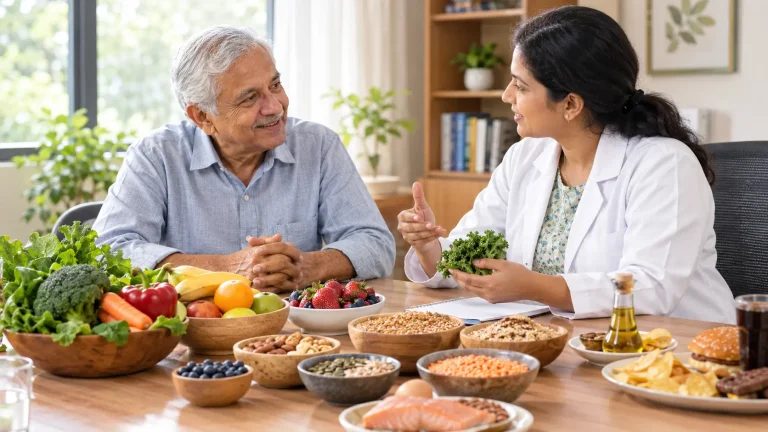
Iron-Rich Foods for Teenagers: The Best Foods to Support Healthy Hemoglobin Levels
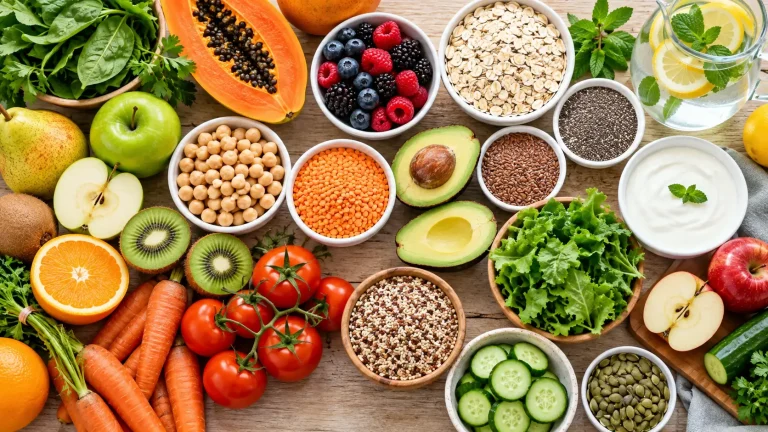
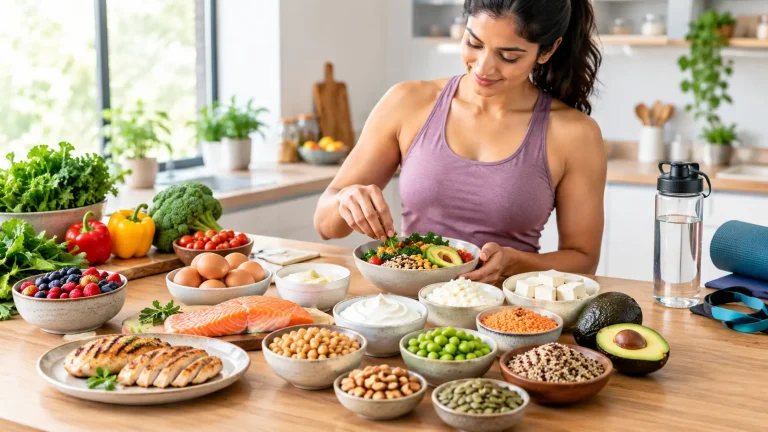
Everyday meals can be enhanced with iron-rich foods and, when teens know what to select and how to combine them, meals can be powerful sources of iron.
1. Meat, poultry and fish: These foods are packed with heme iron, which is much easier for your body to absorb than the iron found in plant foods.
2. Eggs: A good source of protein, but also a good source of iron for the day.
3. Beans, chickpeas and lentils: Lentils and pulses are a good plant source of iron, especially if eaten regularly.
4. Soy foods: Tofu and soy chunks are good sources of iron and protein useful for vegetarian and non-vegetarian diets.
5. Spinach and fenugreek leaves: good source of iron as well as folate which is important for the formation of healthy red blood cells.
6. Millets: Ragi and Bajra are traditional grains that are rich in iron and help add variety to your diet.
7. Nuts and seeds: Pumpkin and sesame seeds are easy to snack on, and they can help boost your daily iron intake.
8. Fortified foods: Iron fortified cereals or staples can help “fill in the gaps” when whole foods are insufficient.
The key to getting enough iron on a vegetarian diet is smart pairing.
Heme Iron vs Non Heme Iron: What’s the Difference and Which Is Best Absorbed?
The body does not process iron from food in the same way. Knowing these two forms makes picking and mixing foods much easier.
Heme iron: Found in meat, poultry and fish and absorbed several times more efficiently than iron from plant sources.
Non-heme iron: Found in legumes, grains, vegetables, nuts and seeds. If you don’t pair it properly it is less efficiently absorbed.
Non-heme iron absorption is affected by what else is eaten in the same meal. Non-heme iron is still good, it just needs to be paired smartly to enhance absorption. The intake of foods rich in vitamin C with foods that contain non-heme iron may help to bridge the absorption gap between the two.
Vitamin C and Iron Absorption: How the Right Food Combinations Can Help
Vitamin C can triple the absorption of non-heme iron over simply eating it alone. This simple practice of pairing can increase the amount of iron your body absorbs significantly.
1. Citrus Fruits: Oranges, lemons and amla are easy, powerful additions to iron-rich meals to improve absorption.
2. Vegetable pairings: Beans or lentils, tomatoes and bell peppers to increase your iron absorption.
Adding a little squeeze of lemon to a meal is an easy sustainable way to boost absorption.
Foods That May Interfere With Iron Absorption and How to Time Them Wisely
The iron absorption by your body can be affected by certain foods and drinks that you regularly consume. It’s a good idea to think about combinations of food and timing.
1. Tea and coffee: It contains tannins which greatly inhibit iron absorption if consumed too close to meals.
2. Too much calcium: Eating a lot of foods with calcium or taking supplements with calcium may prevent the absorption of iron from food.
3. Timing is important: Take tea, coffee or dairy about an hour before or after meals containing iron.
These foods need not be entirely eliminated, just separated from the main iron meals. Simple timing tweaks can go a long way in dietary iron uptake.
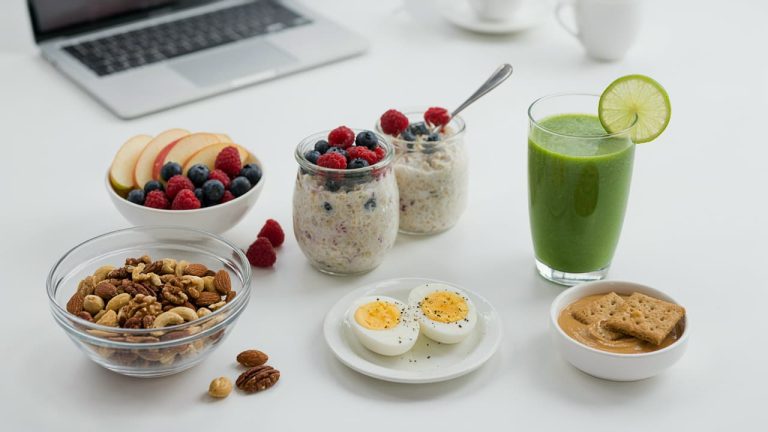
A Simple One-Day Diet Plan for Anemia.
1. Breakfast: Vegetable and egg or paneer paratha, and a glass of orange juice for the iron vitamin C combo.
2. Mid-morning snack: A small handful of soaked almonds and raisins, an easy between-meal snack, which also helps the iron
3. Lunch: Rice or rotis served with lentil curry, greens and a wedge of lemon to squeeze over the top.
4. Evening snack: Roasted chickpeas or a millet-based snack with fruit for sustained energy and iron.
5. Dinner: Balanced iron rich meal of grilled chicken, fish or tofu with mixed vegetable stir-fry.
6. Before sleep: A glass of milk (separate from main iron-rich meals to prevent interfering with absorption).
Can Diet Alone Correct Anemia? Understanding When Nutrition May Be Enough
Diet is extremely potent and in mild cases can be sufficient on its own. However, if a blood test reveals anemia, particularly if it is moderate to severe, diet alone is often not quick enough or enough to fix it. Studies on adolescent girls who were prescribed iron-folic acid supplements after diagnosis showed that most had significant improvements in haemoglobin at follow-up and pointed out that supplementation has a real role in addition to dietary change when it is properly indicated. Medical treatment is the more urgent immediate correction if necessary, and diet is the long term basis.
Do Teenagers Need Iron Supplements? When Supplementation May Be Recommended
Iron supplements are not something to be taken lightly or “just in case.” Iron accumulates in the body and taking supplements without a confirmed deficiency can cause its own problems including digestive discomfort and in some cases excess iron accumulation. Supplements should only be given after an actual blood test and evaluation by a medical professional. That said, iron-folic acid supplementation prescribed by a physician, often with dietary changes, is a standard and well-supported part of treatment in adolescents diagnosed with anemia.
How Qua Nutrition Can Help Manage Teenage Anemia Through Personalised Nutrition
Identifying exactly where a teenager’s diet is falling short, we make eating plans based on food preferences, family routines and any existing medical findings. It’s about practical, sustainable changes that teens can stick to long term, not restrictive short-term solutions. Guidance that’s tailored is more likely to actually work and stick over time in the event of changes in diet.
Conclusion
Anemia is common among teens, but it’s not something to just write off as normal tiredness. It has real, well-documented causes iron deficiency being the most common, but also menstrual blood loss, inadequate diet and other micronutrient gaps and equally real solutions. Most adolescent anemia is totally correctable with a diet rich in iron foods, smart combinations with vitamin C and knowing what inhibits absorption can work miracles and when combined with timely blood testing and when needed, medical treatment. The important thing is just to not ignore the early signs.
Managing anemia effectively starts with the right nutrition and that’s where we come in. At Qua Nutrition, our expert dietitians and nutritionists craft personalized diet plans for anemia tailored to your unique needs and health goals. Contact us today to take the first step toward better energy, stronger immunity, and lasting wellness.
FAQs
Q: Does idly help in fatty liver?
A: Yes, in the majority of cases. Idli is steamed and fermented, both softer cooking methods that don’t add fat. Combine with a protein-rich chutney or lentil side and serve in a moderate serving for a balanced meal.
Q: Is dosa good or bad for fatty liver?
A: Plain dosa prepared from fermented batter is good in moderation, especially when cooked with little oil. A plain rice dosa is not as good as a ragi, jowar or mixed-dal dosa, which has a lower glycemic load and the addition of sambar provides essential protein and fiber.
Q: Is poha good for fatty liver?
A: Yes but it’s all in the portion and preparation. Mostly refined carbs. A massive platter of poha, oil laden, with little else. A more balanced variation is a smaller dish laden with peanuts, veggies and a side of curd.
Q: If you have fatty liver, is fruit good for breakfast?
A: Whole fruit is usually ok, and even good, because the fiber in it slows down the absorption of sugar compared to juice. Pair a protein source, such as Greek yogurt, chia seeds or a handful of nuts with your fruit for a more balanced meal than just fruit.
Q: Which Indian breakfast is good for fatty liver and diabetes?
A: Foods that are low in glycemic load and high in protein tend to be good choices for both illnesses. Moong dal chilla with curd, ragi or jowar dosa with sambar and chickpea sundal with millet dosa all are really good options. In this situation, a personalized food plan is extremely helpful, because managing both diseases at once often requires more specific instructions.