
Stress is an unavoidable fact of life. Whether it comes from demands of family, work, or society at large, stress is experienced by most people at some point throughout their lives. Some people cope with this stress through “emotional” eating (not necessarily eating establish weight goals). Advances in science have shown how complex the connection is between what we eat and why.
This article is for anyone looking to understand why stress can lead to cravings, the biological mechanisms behind the emotional eating cycle, and how to break this cycle. Included are factual evidence-based mental health and nutrition support; approaches to managing stress that can be tried immediately; meal/snack ideas from Indian culture; and suggestions for how to use QUA Nutrition to help break the cycle of stress-eating once and for all.
What Is Stress-Eating (Emotional Eating)?
The behavior of eating due to stress is when a person eats based on how they feel emotionally and not necessarily because they are hungry. In most cases, comfort foods are sought out for the purpose of alleviating feelings of stress, boredom, isolation, or enjoyment. Although occasional eating for comfort is acceptable, continuous stress eating could potentially affect one’s weight, cause swings in mood, and disrupt one’s sleeping patterns; this ultimately results in a person feeling guilty about themselves, which causes them additional stress, and thus the cycle continues.
The Science: Why Stress Makes Us Eat
Stress-related eating can be explained by a combination of biological and psychological ways.
The following mechanisms contribute to how individuals eat in response to stress:
- Hypothalamic-pituitary-adrenal (HPA) axis and cortisol – When a person is stressed, the brain’s hypothalamus releases hormones, which in turn trigger an increase in cortisol production. The body’s increase in cortisol causes cravings for foods high in calories.
- Reward pathways – When we eat highly palatable foods, they act on dopamine and opioid receptors in our brain, creating feelings of pleasure that reinforce the behaviour. We associate food with feeling better when we are experiencing distress and continue to seek it out when we are feeling the same way.
- Energy management and blood glucose – Stress, combined with irregular eating patterns, can lead to low blood glucose levels and subsequent cravings for carbohydrates.
- Sleep and self-control – Stress tends to disrupt sleep patterns, which can impair the functioning of the prefrontal cortex (responsible for self-control) and increase susceptibility to temptation.
- Gut-brain interactions – The gut microbiome can send signals to the brain via three main pathways: neural, immune, and metabolic. Changes in diet and stress can affect the microbiome, which can alter both mood and cravings.
Understanding these five mechanisms helps us identify potential solutions to help combat stress-induced eating:
- Reducing cortisol reactivity
- Changing reward-like learning
- Stabilisation of blood glucose levels
- Restoring sleep
- Re-establishing habits of resilience
The Stress-Eating Cycle — A Quick Map
- Stress → 2. Emotional distress → 3. Reach for food (comfort food) → 4. Temporary relief (dopamine release) → 5. Guilt or physical consequences of eating → 6. More stress → Repeat.
Our goal is to interrupt this cycle of behaviour by providing interventions at multiple points in the chain: we want to prevent the escalation of stress, we want to provide healthier means of coping with emotions, we want to help change the food habits, and we want to help break the cycle of self-criticism that results from these behaviours.
Evidence-Based Mental Health Interventions
Mindfulness and Mindful Eating
- Notice the urge without acting. This is called urge surfing.
- Mindful Eating activities reconnects your brain with the feeling of hunger/fullness and can help you enjoy the food you eat while reducing impulsive snack eating.
Cognitive Behavioural Therapy (CBT)
- CBT confronts the thought patterns/ beliefs that lead to emotional eating. Example: ‘I deserve this.’ or ‘I can’t get through life without sweets.”
- Planning and experimenting with new behaviours decrease automatic behaviours.
Acceptance and Commitment Therapy (ACT)
- ACT teaches people to accept their uncomfortable feelings while focusing on what they values and commit to doing things that will help them. For example: Go for a walk instead of eating a snack.
Emotion Regulation Skills
- Labeling your emotion decreases its intensity.
- 5-4-3-2-1 method coupled with breath work, progressive muscle relaxation or two-minute cold-water splashes.
Stress Reduction Techniques
- Regular physical activity; quality of sleep; an organized social support system; and managing time help to alleviate the usual sources of stress and cortisol in our bodies.
Practical Micro-Tools To Try Now:
- 4-4-8 Breathing for 2 minutes.
- 10-Minute Walk
- Stop and smell/citrus and touch/fabric to for a brief moment when you need to.
Nutrition Interventions That Reduce Cravings And Stabilize Mood
Consistent Meal Timing
- To prevent blood sugar level drops (which affect cravings), strive for a scheduled eating pattern. Meals should be composed of balanced amounts of complex carbohydrates, proteins and fats.
Protein and Fiber for Feeling Full
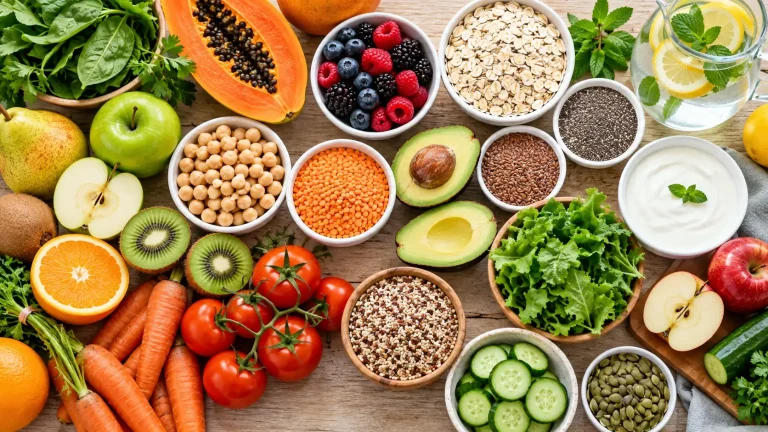
- Proteins (like eggs, lentils, paneer, yogurt, fish) act to suppress the production of hunger hormones, while fiber (from vegetables, legumes and whole grains) regulates blood glucose levels.
Healthy Fats and Omegas
- Foods (like flaxseeds, walnuts, fatty fish, and chia seeds) containing omega-3 fatty acids are thought to promote healthy brain function and improve emotional balance.
Reduce/Limit the Intake of Refined Carbs and Highly Processed Foods
- Consuming these foods can cause spikes in blood glucose followed by significant decreases; this cyclical nature of cravings creates an environment in which you constantly need food to replenish blood glucose levels.
Staying Hydrated and Snacking Wisely
- Many times, your body does not truly require food when it is actually thirsty. Always have water on hand. When you do snack, choose something healthy (e.g., combos of fruits/nuts, roasted chickpeas, roasted murmura with peanuts) instead of unhealthy treats.
Gut Health is Important!
- Your gut health may directly relate to your overall well-being. Fermented foods (culturally, items such as curd, dosa/idli batters), as well as prebiotic fibers, can help to promote a healthy microflora environment.
Micronutrients Can Affect Mood and Energy Levels
- Vitamin D, some of the B vitamins, magnesium and iron deficiencies have been associated with depressive/emotional fatigue. Identifying deficiencies through blood work will help you determine how best to replenish those needed vitamins and minerals.
Snacking in a way that’s friendly to your Family and lessens your cravings via these delicious Indian-inspired ideas!
- Lightly Roasted Makhana’s – A light crunchy filling made from roasted Makhana’s and seasoned with a pinch of Chaat Masala.
- Sprouted Moong (Chaat) with Tomatos, Onion, Lemon, Coriander.
- Besan Chilla (Chickpea Flour Pancak) folded with Vegetables.
- Yoghurt with Fruits sprinkled with Flaxseed.
- A handful of Mixed Nuts along with a small Piece of Jaggery (Sweetness from Sugar + Healthy Fats).
Behavioural Strategies To Rewire Habits
- Delay and distract. If you feel the urge to eat, delay it for 10 minutes. You could use your distraction plan (ie, do 10 squats, call someone, go for a walk, etc). There’s a good chance your urge will be gone in 10 minutes.
- Pre-commitment. Trigger foods must not be in sight or in your house. You can remove the temptation and replace it with healthier food options.
- Implementation intentions. For example, “After work and feeling stressed, I will journal for 10 minutes, followed by light dinner prep.” This strategy uses pre-established checks and balances for projects.
- Habit stacking. An example would be attaching a new habit to an existing habit such as deep breathing (two minutes of deep breathing) as soon as you arrive at work each day.
- Self-compassion. When you experience shame, think about how your thoughts can help you. Your self-criticism will continue to fuel your cycle of addiction, so being compassionate will help create lasting change.
A Sample Day (Practical, Balanced, And Realistic)
- Morning: Lemon water or vegetable with oats (1 boiled egg & Greek yogurt with fruit) and flaxseed.
- Mid-Morning: Sprouted Mung beans salad and Chai with little to no sugar.
- Lunch: Mixed Vegetable Dal and either brown rice or wheat Roti, salad and curd.
- Afternoon: Short walk (15-20 min) + Roasted Chana or fruit.
- Evening: Light snack of Besan Chilla or Vegetable Upma or Dahi Wada.
- Dinner: Grilled Fish or Paneer with Sabzi and 1-2 wheat Rotis, Quinoa or jeera rice.
- Night: Wind down for 20 minutes before going to sleep (no screens for 30 minutes before sleeping) followed by light stretching (15-20 minutes).
This schedule stabilizes blood sugars and enhances moods. It can be incorporated into an Indian family resting schedule or busy schedules and can be tailored to personal tastes.
How Online Therapy Sessions Help Break Stress-Eating
TalktoAngel’s online therapy sessions help address the emotional triggers behind stress-eating by offering professional support through evidence-based approaches like CBT and mindfulness. These sessions focus on managing stress, regulating emotions, and building healthier coping habits, making them a powerful complement to nutrition and lifestyle interventions for long-term well-being.
How Qua Nutrition Helps — Practical Support To Break The Cycle
QUA Nutrition combines nutrition and mental wellness to create highly customized action-oriented nutritional models. Here’s what QUA can do for you:
- Customisation of nutrition based on your own stressors, tastes (including Indian cuisine) and schedule, it’s not a “one-size-fits-all” approach.
- Behaviour modification/habit formation: trained coaches assist clients in developing ‘implementation intentions’, implementing mindful eating and developing relapse prevention plans.
- Nutrition and stress management are integrated; addressing both aspects of the stress-eating cycle is an important aspect of the program.
- Testing and data-based guidance to help create targeted nutrition and supplementation options are available to be included if desired (based on metabolic markers, nutrient status, and genetic or microbiomic insights).
- Short, actionable information: (1 minute training videos, quick recipes, snacks on-the-go) designed for busy people: ideal for professional and athletic lifestyles.
- Corporate and group programmes: QUA’s corporate wellness programs include programmes to improve and manage stress at work and help employees manage their emotional eating, helping to create healthier workplace cultures.
If you’d like, QUA can evaluate where your current eating habits, stressors and habits are and provide you with a custom 4-week plan with measurable outcome goals.
FAQs
Q: Are stress-eating and binge-eating interchangeable terms?
A: Stress-eating is not necessarily the same as binge-eating. Stress eating is typically infrequent and not as severe as binge-eating (which usually involves repeated episodes where people become unable to control their impulse to overeat). If you find yourself repeatedly unable to control your eating habits, you may benefit from a visit to your primary care provider.
Q: Can changing my Diet help feel less anxious?
A: It can help! Maintaining stable blood sugar levels along with sufficient protein intake, omega-three fatty acids, and specific micronutrients (B-vitamins and magnesium) can contribute to Mood stability. However, it is best done in conjunction with therapy, good sleep hygiene and physical activity.
Q: How Can I get rid of the urge to snack when stressed quickly?
A: You may want to wait 10 minutes before acting on the urge to snack and use distraction techniques (walking, calling a friend) during that time. You could also perform a 2-minute deep breathing exercise, drink a large glass of water, or do a quick activity like stretching before deciding if you still want to snack. If you ultimately decide to snack, try to choose healthier options (yogurt with fruit, roasted chickpeas) whenever possible.
Q: Can mindfulness alone be used to help fix emotional eating behaviours?
A: Mindfulness is a very powerful tool when it is used together with behaviourally oriented strategies (such as developing a meal plan), dietary changes and sometimes ongoing therapeutic support. Mindfulness is one of the many tools you can have in your “tool box.”
Q: How long before I can expect to see improvement?
A: Small improvements (such as less frequent impulsive snacking and getting better quality sleep) typically occur within 1-3 weeks when consistently practiced. Changing habits takes time; focus on making slow and steady progress rather than expecting immediate results.