Protein forms the base of a healthy diet. Protein helps your body build muscle, defend itself against diseases, and remain satiated after eating. But it’s common for many people to lack their protein requirements due to hectic lifestyles, consumption of ready-to-eat food, and a monotonous diet. However, you don’t need drastic changes to improve your intake. Here are some clever tricks that can help you to include more protein in your diet.
Why Protein Matters In Daily Nutrition
Before we get into some real hacks, it’s important to know why protein needs to be a key part of your diet.
Muscle Maintenance And Growth – Proteins provide the amino acids necessary for the repair and formation of muscles. Whether you hit the gym, walk daily, or just try to remain healthy with age, proteins are necessary.
Appetite Control and Satiety – Eating high-protein food will make you stay full for longer and prevent overeating. Thus, it becomes easy for you to maintain a healthy weight.
Recovery and Immune Support – Proteins play a significant role in repairing not only your muscles but also increasing your immunity since they assist in producing antibodies. Protein deficiency causes inadequate recovery and makes one susceptible to diseases.
How Much Protein Do You Really Need?
The amount of proteins that your body requires is dependent on several factors as below:
Age – Children and teenagers require more protein for their growth and development, while older people greatly benefit from increased protein consumption to prevent any muscle loss.
Activity Level – Athletes and physically active people are required to have a high intake of protein.
Health Goals – Your protein consumption should be modified according to whether you want to lose weight or build muscle.
On an average, adults need 0.8–1.2 grams of protein per kilogram of their body weight. Active people need even more, 1.6 to 2 grams. For instance, if you are a physically active person weighing 70 kilograms, you need 110-140 grams of protein.
Easy Hacks To Add More Protein To Breakfast
Breakfast is a mood-setter, and getting some protein early will help regulate your energy and hunger.
Start Your Day With Eggs: Eggs are very nutritious and easy to prepare. Scrambled, boiled, or even eggs made into an omelet along with vegetables make a highly nutritious meal. Two eggs contain about 12 grams of protein.
Add Greek Yogurt To Meals: The protein content of Greek yogurt is almost double that of traditional yogurt. Greek yogurt can be incorporated into your parfait or smoothie or even be used as a dipping sauce. Greek yogurt has about 15 to 20 grams of protein per cup.
Include Protein-Rich Smoothies: Protein smoothies could be made quickly by mixing protein powder, milk, nut butter and fruits. This makes an excellent breakfast during your hectic mornings.
Upgrade Your Oatmeal: You may enhance the nutritional value of oats by adding chia seeds, flax seeds or protein powder. This will help increase the protein content of the oats. You can also add nuts or nut butter.
Protein-Boosting Lunch Ideas
Following a good start in the morning, your next chance to maintain the same protein consumption comes during lunchtime.
Add Lean Chicken or Fish: Grilled chicken breast and salmon is an easy way of obtaining protein from food sources, without having too much fat. Chicken breast of 100 grams provides around 30 grams of protein.
Include Beans and Lentils: Plant proteins like beans and lentils along with fiber are good proteins. One cup of lentils provides you around 18 grams of protein.
Build High-Protein Salads: Incorporate quinoa, boiled eggs and chickpeas to give salads nutritional value and increase their protein content. Adding pumpkin or sunflower seeds also enhances protein in salads.
Smart Protein Additions For Dinner
Dinner is considered the ideal time to have increased portions of protein in your diet.
Choose Protein-Rich Main Courses: Go for meats, tofu, or paneer as your main dish. All these are very good sources of protein and keep you full.
Add Legumes To Side Dishes: Use lentils or beans in your curry, stew, or stir fries. This will give you about 8-10 grams of protein.
Use Protein-Packed Ingredients in Soups: Include barley, quinoa and shredded chicken in your soup. Soups are an excellent way to combine protein with vegetables for balanced nutrition.
High Protein Snack Hacks
Snacks are usually the source of a low protein intake, but here are some tips on how to increase your protein intake through snacks.
- Roasted Chickpeas – Healthy, tasty and a great source of protein.
- Nuts and Seeds – Almonds, walnuts, pumpkin and sunflower seeds are healthy as well as easily available snacks.
- Greek Yoghurt – This is a quick snack that doubles as dessert, when topped with fruit.
- Boiled Eggs – Simple, portable, and rich in protein.
- Protein-Rich Homemade Snacks – Energy balls made of oats, nut butter, and protein powder will be a great option for busy days.
Vegetarian And Vegan Protein Sources
As a vegetarian or vegan, you can always ensure you get enough protein if you choose correctly.
- Lentils – High in proteins and fibers; suitable for soup and curries.
- Beans – Black beans, kidney beans, and chickpeas are some examples.
- Quinoa – A plant-based complete protein meal, ideal in salad preparations.
- Nuts and Seeds – Nuts and seeds are great options for snacks.
- Plant-Based Protein Options – Tofu, tempeh, and seitan are some of the meat alternatives.
Common Mistakes When Increasing Protein Intake
Even though increasing protein consumption is an advantage, it is crucial to understand common mistakes that you may end up making that might affect your efforts. Some of the common mistakes are:
- Relying Only On Supplements – Whole foods should be your primary source of protein, with powders used as support.
- Ignoring Hydration – As you increase the amount of protein intake, your body requires more water.
- Consuming Excessive Processed Protein Foods – Although protein bars and shakes are incredible sources of protein, they contain added sugars and preservatives.
Tips For Maintaining Balanced Nutrition
Balancing your nutrition is essential if you want your protein consumption to positively impact your overall health. The following tips help you to achieve balanced nutrition.
- Pairing Protein With Fiber And Healthy Fats – It not only helps in promoting good digestion, but it also makes you feel full.
- Portion Control – Combining protein with vegetables and grains helps in preventing overeating.
- Meal Planning Strategies – Planning your meals in advance will help you to take protein on a regular basis.
Boost Your Protein Intake With High-Protein Meals
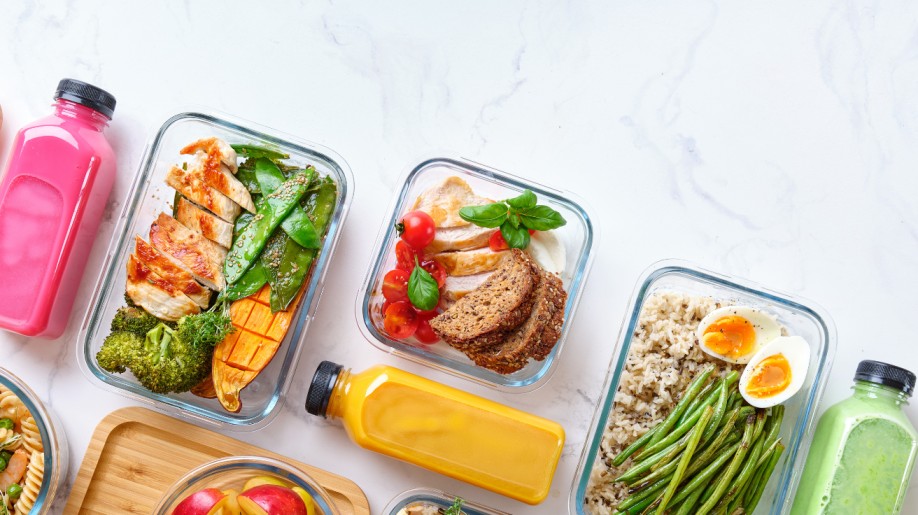
Adding more proteins to your diet does not necessarily mean radical steps. Simple modifications such as including eggs in your breakfast, beans at lunch time, or even nuts during snacks can do wonders. The emphasis should be on proteins in order to keep the muscles fit, regulate hunger, and boost immunity levels.
If you are in need of a personalised guidance that is specific to your lifestyle and nutrition goals, then Qua Nutrition is your best option as they provide a personalised nutritional program that is much more than just generic guidance. Under the expert supervision, you will be able to manage the right amounts of protein and food consumption according to your daily activities. Using the proven techniques together with proper food choices, Qua Nutrition will enable you to stay healthy and energetic all day.
FAQs
Q: What are the best high-protein foods?
A: Eggs, chicken, fish, beans, lentils, Greek yogurt and nuts are some of the best choices.
Q: Can I get enough protein without meat?
A: Indeed, plant-based sources, such as lentils, beans, quinoa, tofu, and tempeh, contain enough protein.
Q: Is protein powder necessary?
A: No, whole foods should always be given priority, while powders might act as supplements.
Q: How much protein should I eat daily?
A: On an average, the recommended amount of protein is 0.8 to 1.2 grams of protein per kilogram of body weight for an adult, while people who engage in physical activities need much more than that.
Q: What are healthy high-protein snacks?
A: Healthy high-protein snacks include Greek yogurt with fruits, roasted chickpeas, nuts/seeds, hard-boiled eggs, and protein balls.