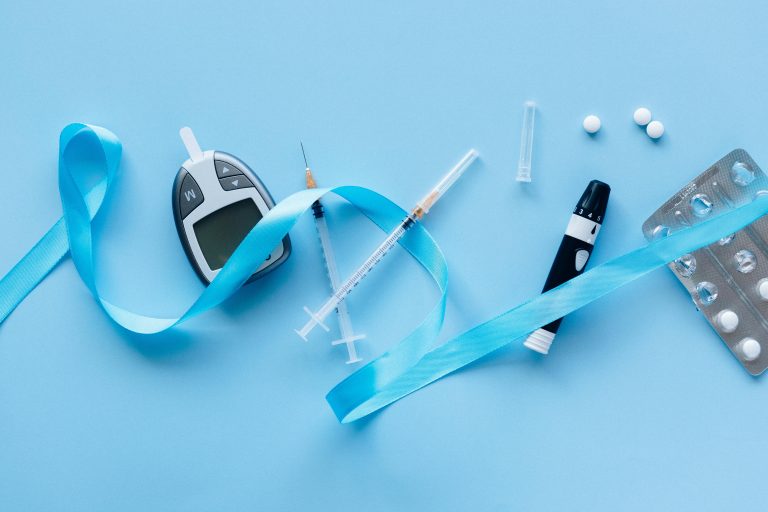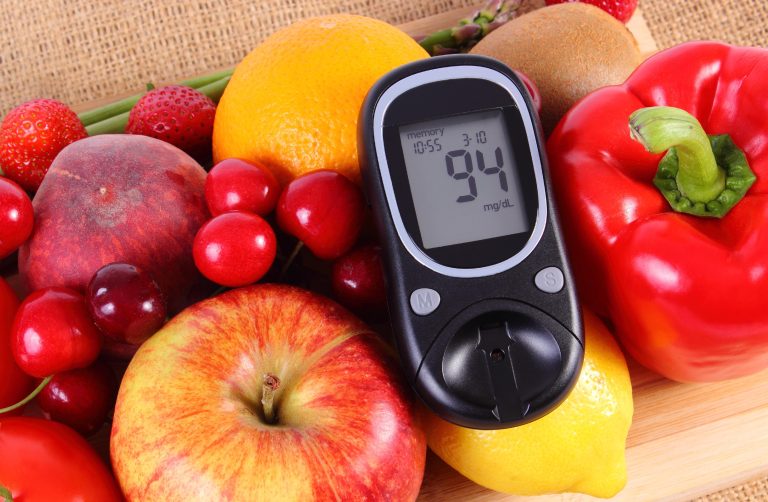

Blood sugar- or blood glucose- is the body’s primary source of energy for every cell, including the cells in your brain and muscles, to function properly. When blood sugar levels become too high or too low, the body begins to show early warning signs.
Recognizing these signs early is important not only for those who deal with diabetes but anyone who wants to maintain healthy energy levels, focus, and long-term metabolic health.
We will discuss blood sugar regulation, symptoms of high and low blood sugar, and the role nutrition plays in stabilizing it.
What Is Blood Sugar and Why Does It Matter
When you consume carbohydrates — such as rice, bread, fruit, or sugary treats — your body must convert the carbohydrates into glucose. When glucose enters your bloodstream, a hormone named insulin, produced by your pancreas, assists in transporting the glucose into your cells to use as fuel for energy.
Finding the right balance is crucial. If your body does not respond correctly to the insulin (called insulin resistance) or does not produce enough of it, you may develop a high blood sugar level (hyperglycemia). Conversely, if you miss a meal or take an excessive amount of insulin, your blood sugar may drop to a low level (hypoglycemia).
Over time, blood sugar imbalance can lead to type 2 diabetes, obesity, fatigue, and a hormonal imbalance, which can all affect your levels of energy, mood, and long-term health.
Understanding Normal Blood Sugar Levels
| Condition | Fasting Blood Sugar (mg/dL) | Post-Meal (2 hours after eating) |
|---|---|---|
| Normal | 70–99 | <140 |
| Prediabetes | 100–125 | 140–199 |
| Diabetes | ≥126 | ≥200 |
(Source: American Diabetes Association)
Even small changes within the normal range can create a distinct change in mood, attention, and energy – the focus is on understanding your body’s present state.
Signs of High Blood Sugar (Hyperglycemia)
Hyperglycemia, or high blood sugar, is a condition in which the body contains excess glucose and insufficient insulin. It can build up over time, often unnoticed in the early stages, most often in people with prediabetes.
Increased thirst and urination
When glucose accumulates in the blood, the body works harder to excrete the surplus sugar through urine. This also leads to dehydration, making you feel thirsty.
Fatigue and weak feelings
Your body does not process glucose into usable energy. This means you may feel tired even after a night’s sleep or eating a meal.
Vision Impairment
Elevated sugar levels can create swelling in the lens of your eye, which alters your vision temporarily.
Slow Rate of Recovery
High glucose can impact circulation and your immune system, which can also lead to a slower rate of healing following a cut, bruise, or other infection.
Unintended Weight Loss
If your body can’t use glucose correctly, it breaks down muscle and fat for energy, leading to weight loss even if you are eating normally.
Increased Appetite (Polyphagia)
While there may be plenty of sugar in the bloodstream, the cells are not getting enough sugar, causing you to feel constantly hungry.
Tingling or Numbness
Chronic high blood sugar can cause damage to the nerves, especially in the hands and feet (diabetic neuropathy).
Signs of Low Blood Sugar (Hypoglycemia)
Blood glucose levels of less than 70 mg/dL are considered hypoglycemia or low blood sugar. Although people taking insulin or oral hypoglycemic medications typically have this disorder, anyone deprived of food, conducting strenuous physical activity, or consuming excess caffeine or alcohol can also experience hypoglycemia.
Trembling and Sweating
When blood glucose levels drop, your body reacts by releasing adrenaline. This manifests itself as trembling, cold sweats, or a racing heart.
Intense Hunger or Cravings
The brain uses glucose as its source of energy. Thus, a drop in blood glucose may initiate physiological responses and intense hunger, especially for sugar, as the body seeks to restore a level of balance.
Dizziness and Confusion
If your glucose levels dip too low, your brain will not have enough fuel, and it will make you feel dizzy, foggy in your thinking, or even confused.
Irritability or Mood Swings
If your blood sugar drops precipitously, it can lead to feelings of anxiety, irritability, or even aggression (sometimes called a “sugar crash”).
Headache or Fatigue
In the absence of glucose to supply brain cells, throbbing headaches and fatigue may occur.
Loss of Consciousness or Seizures (Severe Hypoglycemia)
In more severe forms of hypoglycemia left untreated, you may pass out or experience seizures, which is a medical emergency that requires attention immediately.
Scientific View: How Your Body Reacts to Blood Sugar Swings
The human body constantly strives to stabilize blood sugar levels via homeostasis. Blood glucose regulation occurs primarily between the hormones insulin and glucagon, which function very much like a seesaw in terms of bodily responsibility for regulating glucose levels.
- When blood sugar is high: Insulin facilitates the storage of excess glucose in the muscles and liver.
- When blood sugar is low: Glucagon signals glucose to be released from the liver.
However, things often interfere with this system, such as your dietary choices, stress, sleep and sedentary lifestyles. These things lead to metabolic dysfunction. Research also indicates that chronic hyperglycemia contributes to increased insulin resistance and inflammation, and recurrent hypoglycemia challenges the adrenal system, affecting mood and cognitive function.
How to Manage and Stabilize Blood Sugar Naturally
Maintaining healthy blood sugar levels is important for energy, mood, and long-term metabolic health. Here’s how you can support it naturally through everyday choices.
1. Eat Balanced Meals.
Each meal should incorporate:
- Protein: Chicken, fish, tofu, eggs
- Healthy fats: Avocado, nuts, seeds, olive oil
- Complex carbs: Oats, millets, whole grains
- Fiber: Vegetables, fruits, legumes
Balanced meals will help you avoid sudden surges or crashes in your sugars.
2. Eat on Time
Inconsistent eating can trigger hypoglycemia. Keep to an eating schedule every 3-4 hours to maintain stable glucose levels.
3. Get Sleep
Sleep impacts insulin sensitivity and also increases cravings for sugar. Aim to get 7 – 8 straight hours of sleep every night.
4. Stay Active
Exercise promotes more usable insulin sensitivity and glucose utilization by muscles. Simply taking a 20-minute walk after meals will reduce spikes in blood sugar after meals.
5. Manage Stress
Stress can release cortisol—a hormone that will increase blood sugars. Meditation, yoga, and the breath can be used to manage stress and cortisol levels.
6. Stay Hydrated
Dehydration concentrates levels of glucose in your blood. Aim to drink 2-3 liters of water a day.
Why Qua Nutrition For Diabetes Management
At QUA Nutrition, we appreciate that achieving blood sugar stability is not a ‘one size fits all’ process. Your metabolism, lifestyle, genetics, and gut health all play a role in how you process glucose. Here’s how our diabetes nutritionist can help you succeed:
1. Personalized Blood Sugar Management Plans
Our nutritionists examine your health history, genetic trends, and foods you eat to help develop a customized eating plan that will keep your glucose levels steady.
2. Emphasis on Root Causes
Instead of focusing just on symptoms, we will examine reasons your blood sugar fluctuates (stress, hormonal dysfunction, meal timing, etc.) and then take a holistic approach to fixing it.
3. Integration with Fitness and Sleep
We will design your plan around your workouts and your sleep pattern, helping your body utilize energy properly.
4. Real-Time Guidance/Tracking
Our clients receive ongoing feedback and adjustments via online consultations, helping keep them on track with informed food choices.
5. Preventative Nutrition
Even if you don’t identify as diabetic, QUA can help you prevent prediabetes and improve insulin sensitivity through science-based meal strategies.
Personalized Nutrition for Lasting Energy and Diabetes Prevention
Your blood sugar levels indicate how you live – the food you consume, your level of activity, how well you sleep, and how you cope with stress and emotion. Understanding the signs and symptoms of excess and low blood sugar is the first step in taking ownership of your health.
At QUA Nutrition, we help you understand your body based on science and develop an individualized plan that regulates blood sugar levels, helps prevent diabetes and creates more energy in your daily life; in other words, we help you live a more energized and balanced life.
Ready to take control of your health? Contact us now and book an appointment with our expert nutritionist.
FAQs
Q: What are the signs that my blood sugar might be high or low early on?
A: If you sometimes feel unreasonably thirsty, tired, or dizzy — or also have mood swings or your urination has increased considerably — all are reasonable early indicators. It is always best to monitor regularly to confirm.
Q: Can a healthy person have fluctuations in blood sugar?
A: Yes! Even people who do not have diabetes can experience high or low spikes due to inadequate sleep, significant stress, missed meals, or eating refined carbohydrates. Fluctuations over time might increase your risk for insulin resistance.
Q: What foods can help stabilize blood sugar?
A: Foods that are high in fiber (e.g., oats, legumes, veggies, nuts, etc.) will slow the absorption of glucose. Combining carbs with protein or healthy fats can also help maintain stable levels.
Q: How can I keep from having a sudden drop in sugar after consuming sweets?
A: Pair sweets with a protein (i.e., yogurt, nuts, etc.) and do not eat sweets on an empty stomach. Short walks after meals help your body begin to use up the glucose consumed.
Q: How can QUA Nutrition assist me if I have a diagnosed diabetes or prediabetes?
A: QUA Nutrition provides diabetes-related meal plans based on your blood glucose patterns, as well as lifestyle and medications. Our nutritionists can assist you in learn how to stabilize your sugar levels, improve your energy, and decrease complications over time.