
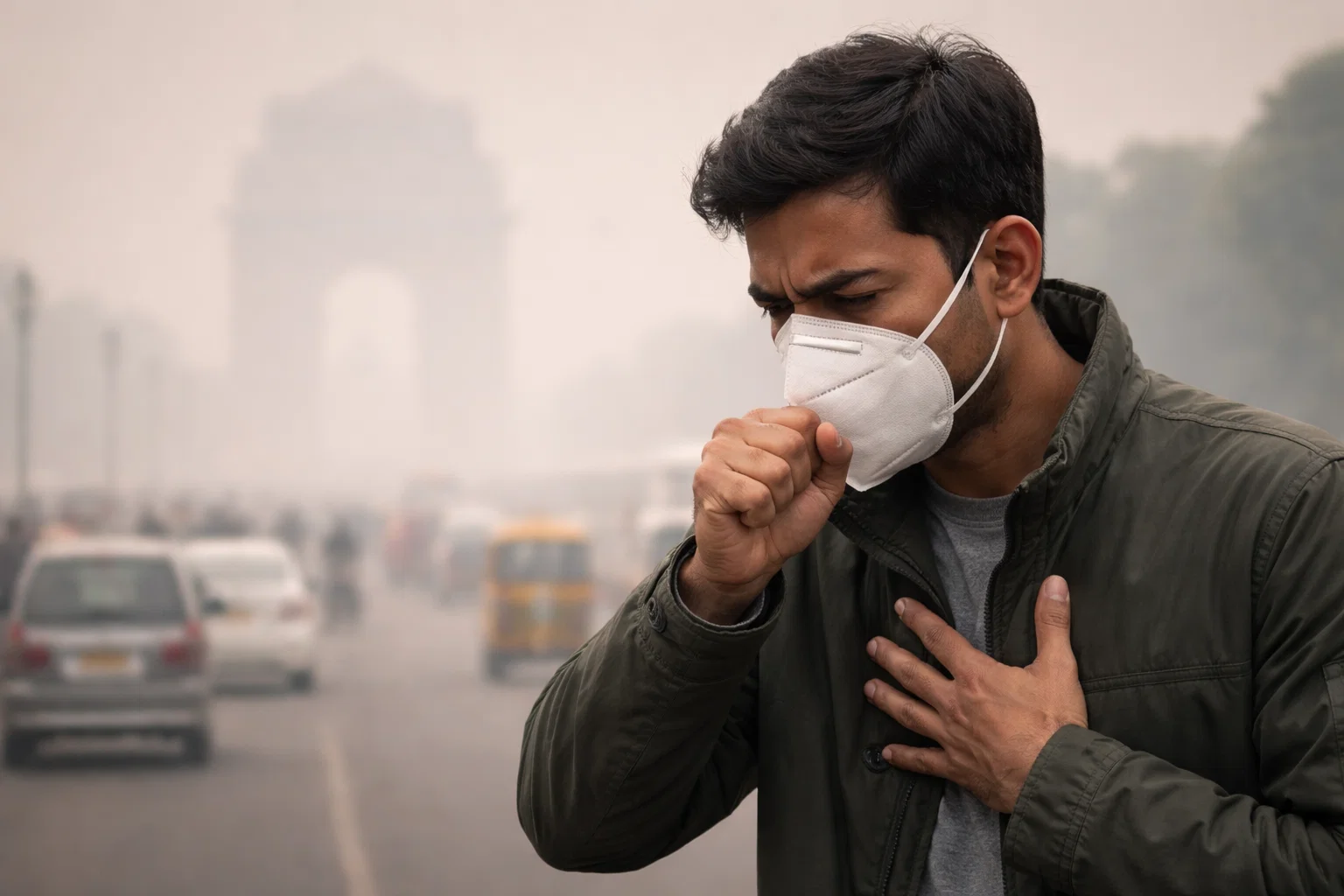
Delhi’s air pollution has changed from a seasonal issue to a year-round public health crisis. Air Quality Index (AQI) levels often go beyond “severe” limits. Residents breathe air that poses a serious threat to lung health. Whether during morning walks or daily commutes, polluted air becomes an unavoidable part of life in Delhi.
The lungs are among the first organs impacted by air pollution. Increasing cases of asthma, chronic bronchitis, and other respiratory illnesses in Delhi and NCR emphasize the urgent need for awareness and preventive action. Understanding how air pollution impacts lung health and what you can do to protect yourself is crucial for long-term well-being.
Understanding Air Pollution in Delhi
Human activities, together with environmental factors, create air pollution conditions, resulting in rising levels of harmful pollutants in Delhi’s atmosphere.
Major sources of air pollution include:
- Vehicular emissions: Diesel and petrol vehicles produce nitrogen oxides and particulate matter through their high volume of emissions.
- Construction dust: Infrastructure projects currently under construction produce significant quantities of PM10 and PM2.5 particles.
- Industrial pollutants: The power plants and manufacturing units located near Delhi discharge both sulphur dioxide and hazardous gases into the environment.
- Crop stubble burning: The practice of burning crop stubble during winter months in neighboring states results in severe deterioration of Delhi’s air quality.
- Seasonal weather conditions: Pollution particles become trapped at ground level because of temperature inversion and low wind conditions.
Pollutants That Damage Lung Health
Delhi air contains multiple pollutants that harm respiratory functions and damage lung tissues through their direct effects on human health. Major pollutants include:
- PM2.5 and PM10: Fine particulate matter reaches the lungs and penetrates deep into lung tissue.
- Nitrogen dioxide (NO₂): Exposure to nitrogen dioxide causes airway inflammation and reduces lung capacity.
- Sulphur dioxide (SO₂): Sulphur dioxide irritates the airways and worsens asthma symptoms.
- Ground-level ozone: This substance destroys the lung lining and decreases breathing ability.
How Air Pollution Enters and Affects Your Lungs
Polluted air enters your body when you breathe. This allows tiny particles to move from your nose and throat into your respiratory system. Larger particles usually get caught in the upper airway, but smaller PM2.5 particles can reach the bronchi and alveoli, where oxygen exchange occurs.
Exposure to pollutants in the lower airways is harmful. These particles can enter the bloodstream and cause inflammation throughout the body, including areas outside the lungs. With repeated exposure, the body collects harmful particles. This buildup can damage lung tissue and make breathing more difficult by reducing elasticity.
Short-Term Impact of Air Pollution on Lung Health
Short-term exposure to poor air quality can lead to respiratory symptoms, such as:
- Persistent cough and wheezing
- Shortness of breath during everyday activities
- Chest tightness and discomfort
- Throat and nasal irritation
- More frequent respiratory infections
These symptoms often get worse on days with high AQI readings. This can lead people to confuse them with seasonal allergies or viral infections.
Long-Term Impact of Air Pollution on Lung Health
Long-term exposure to polluted air can cause serious lung damage. This includes:
- Reduced lung capacity: Makes physical activity harder
- Chronic bronchitis: Leads to ongoing airway inflammation
- Asthma: Worsens, especially in children and young adults
- Increased risk of COPD (Chronic Obstructive Pulmonary Disease): Causes long-term breathing difficulties
- Lung inflammation and scarring: Results in permanent respiratory damage
Who Is Most at Risk in Delhi?
Certain groups of people are at higher risk from air pollution. Their bodies react differently to pollution. They might already have health issues or face long-term exposure.
Children and Teenagers
Children’s lungs are still growing, which makes them especially sensitive to pollution. If a child is exposed to pollution consistently during their early years, it can restrict lung growth and lead to chronic respiratory problems later in life.
Elderly Population
Older adults are more susceptible to pollution. Their immune systems weaken over time, and many already have health issues.
People with Asthma and Respiratory Disorders
Individuals with asthma have increased sensitivity in their airways. This can lead to more frequent asthma attacks, a greater need for medication, and a lower quality of life.
Outdoor Workers and Daily Commuters
People who work outdoors or commute daily face higher risks to their respiratory health. Spending long hours outside during busy traffic times can worsen these risks.
Signs Your Lungs Are Suffering Due to Air Pollution
The early signs of lung stress from pollution are hard to notice. Knowing these symptoms early on can prevent lasting lung damage. Common signs include:
- Frequent breathlessness
- Chronic or recurring cough
- Reduced stamina and fatigue
- Sleep disturbances due to breathing problems
- Recurrent chest infections
People who ignore these signs could face increased lung damage that can result in long-term breathing issues.
How to Protect Your Lungs from Delhi’s Air Pollution
Practical steps to protect lung health from air pollution include ways to lower exposure to harmful particles. These methods should keep the air quality good both outside and inside. Make sure you:
Use Protective Masks
People can use N95 or N99 masks to block tiny particles when they wear their masks correctly, especially when the air quality becomes dangerous.
Limit Outdoor Exposure During High AQI
The air quality becomes most polluted during early morning and late evening hours of winter. The monitoring of AQI levels should guide people about when they can safely go outside.
Improve Indoor Air Quality
- Use Air purifiers equipped with HEPA filters
- Maintain proper ventilation systems
- Avoid indoor sources of pollution, like burning incense sticks and smoking
Role of Diet and Nutrition in Lung Protection
Nutrition is vital for fighting oxidative stress from pollution. People can protect themselves from oxidative stress caused by pollution by consuming antioxidant-rich fruits and vegetables such as berries, citrus fruits, spinach, and bell peppers.
- Vitamins C, D, and E: Support immune and lung function
- Omega-3 fatty acids: Reduce inflammation
- Hydration: Helps thin mucus and supports lung detoxification
Breathing Exercises and Lifestyle Practices for Lung Health
Small and consistent habits, like breathing exercises and mindful lifestyle choices, can go a long way in keeping your lungs stronger. Keep a note of the following:
- Pranayama and breathing techniques: Enhance oxygen intake and lung capacity
- Indoor exercise alternatives: Yoga, stretching, and bodyweight workouts
- Avoid smoking: Prevents additional lung damage
Long-Term Measures to Minimize Lung Damage
Protecting lung health in a high-pollution environment like Delhi requires more than short-term precautions. Long-term protection of lung health requires consistent practices that enhance respiratory capacity, support immune function, and limit exposure to air pollutants. You can:
- Build lung capacity through controlled breathing and fitness.
- Strengthen immunity with consistent nutrition and sleep.
- Adopt sustainable lifestyle choices and support clean energy initiatives.
Supporting Lung Health Through Proper Nutrition
Delhi’s air pollution is a serious and increasing danger to lung health. However, informed choices and preventive measures can significantly lessen the harm. Awareness, prompt action, and lifestyle changes, especially those that focus on nutrition, are essential for protecting your respiratory system in a polluted environment.
As a leading nutrition clinic in India, Qua Nutrition specializes in personalized diet plans, sports nutrition, weight management, and clinical nutrition. With clinics in major Indian cities and online consultations for clients around the world, Qua Nutrition assists individuals in improving immunity, supporting lung health, and managing health risks from pollution through expert nutritional care.
FAQs
Q: How does Delhi's air pollution damage the lungs?
A: Air pollution causes inflammation and oxidative stress. It reduces lung function because of constant exposure to harmful particles and gases.
Q: What are the early signs of lung damage from pollution?
A: Chronic cough, shortness of breath, chest tightness, and frequent respiratory infections.
Q: Can air pollution cause permanent lung damage?
A: Yes, long-term exposure can lead to conditions like COPD and lung scarring that cannot be reversed.
Q: Is PM2.5 more dangerous than other pollutants?
A: Yes, because it goes deep into the lungs and enters the bloodstream.
Q: How can I protect my lungs while living in Delhi?
A: Limit exposure, wear masks, improve indoor air quality, follow a lung-supportive diet, and practice breathing exercises.
Q: Do air purifiers help protect lung health?
A: Yes, they do, especially indoors, by reducing levels of particulate matter.
Q: Can diet improve lung health in polluted environments?
A: A diet full of nutrients helps lower inflammation and damage from pollution.
Q: How long does it take for the lungs to recover from pollution exposure?
A: Recovery depends on how long a person is exposed, their age, and lifestyle. However, consistent preventive care can improve lung function over time.