
It’s no secret that good gut health lays the groundwork for overall total health and happiness, but many people don’t realize how integral gut microbes (the colonies of bacteria and fungi living in your intestines) are to how you feel and function on a daily basis.
In addition to needing probiotics, or the “soldiers” of gut health, we also need prebiotics, or the “commanders” of gut health. The purpose of prebiotics is to tell probiotics (the “soldiers”) where to go and what to do.
What Are Prebiotics?
Prebiotics are fibers that provide nourishment to beneficial bacteria in the digestive tract. After the prebiotics pass through the stomach and small intestine without breaking down, they are then fermented by the bacteria in the large intestine, producing short-chain fatty acids (SCFAs), which include butyrate, acetate, and propionate.
Importance of SCFAs
SCFAs are considered critical to human health because they provide nutrients for colon epithelial cells and reduce inflammation. They also assist with maintaining the integrity of the intestinal barrier, activate immune responses, and play a key role in regulating metabolism and controlling appetites.
Overall, SCFAs are essential for maintaining communication between the gut and the rest of the body via the gut microbiome.
Prebiotics vs Probiotics: What’s the Difference?
| Feature | Prebiotics | Probiotics |
|---|---|---|
| What it is | Food for beneficial bacteria | Live beneficial bacteria |
| Source | Fiber in foods | Fermented foods, supplements |
| Primary role | Feeds good bacteria | Adds good bacteria |
| Digested? | Not by us; by microbes | Live cultures that colonize |
Both are critical — but prebiotics determine which microbes thrive in your gut.
How Prebiotics Improve Gut Health
There are trillions of bacteria in your gut, and for a healthy digestive system, it is important to maintain a balanced ecosystem within the gut. Prebiotics are one of the ways to support this balance:
Encourage Growth of Beneficial Bacteria :Prebiotics support the growth of beneficial bacteria in the intestines like Bifidobacteria and Lactobacilli, that are associated with good health.
Help with Regularity: Prebiotics increase stool consistency and help keep feces moist so that bowel movements occur regularly.
Increase Nutrient Absorption: The short-chain fatty acids produced by prebiotics can increase absorption of minerals such as calcium and magnesium which are important for bone health and metabolism.
Decrease Inflammation: Inflammation in the gut is linked to many chronic illnesses. Prebiotics reduce inflammatory signaling from the gut.
Help Control Blood Sugar Levels: Some prebiotics are digested slowly, which helps regulate blood sugar levels.
Gut-Brain Connection: Research shows that the gut produces neurotransmitters, which can affect our mental state. Prebiotics may promote positive mental health through feeding the beneficial bacteria in the gut microbiome.
Top 15 Prebiotic Foods for Gut Health
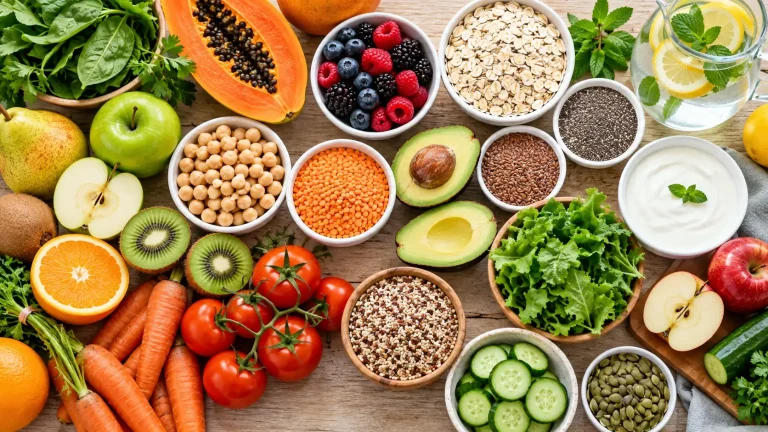
The following is a list of prebiotic foods that have a substantial and scientifically supported basis and should be added to your diet:
Chicory Root: Chicory root is among the best sources of inulin, a strong prebiotic fiber. It is found to enhance the growth of Bifidobacteria, frequently used as a substitute for coffee. Use as directed, but if starting out with chicory root, consume it in small quantities; eating too much too soon can create unwanted excessive gas
Jerusalem Artichoke: Jerusalem artichokes, also known as “earth apples,” contain high levels of inulin; they are particularly tasty when prepared via roasting or sautéing.
Garlic: Is a great source of prebiotic fibers that help feed and promote the abundance of beneficial microbiota in our gut. Garlic is also high in antioxidants and contains several antibacterial compounds.
Onions: Onions contain both raw and cooked sources of prebiotic fiber.
Leeks: Milder than onions, leeks make a good addition to soups, salads, and many other recipes.
Asparagus: A seasonal vegetable that provides prebiotic fiber, vitamins A, C, and K.
Bananas: Green bananas are particularly rich in resistant starch, a type of prebiotic fiber that survives digestion and becomes available to feed our gut microbiota.
Oats: Oats contain both beta-glucan and resistant starch. Both types of fiber are very beneficial to our gut, as well as our heart.
Barley: Beta-glucan is abundant in barley; in fact, barley is quite high in these fibers, and they slowly release carbohydrates.
Apples: Apples have pectin, which is a type of fiber that has a prebiotic effect and supports the production of SCFAs in our gut.
Flaxseeds: Have both fiber and omega-3 fatty acids; these can be blended into smoothies or yogurt to get more fiber.
Seaweed: Early research indicates that seaweed can promote greater diversity among microbes in our gut.
Legumes: Legumes (beans, lentils, chickpeas) contain both fiber and resistant starch and are often included in gut-promoting diets.
Konjac or Glucomannan: Is very low in calories, a soluble fiber with prebiotic properties, and is often found in Asian foods such as shirataki noodles.
Whole Grains: Whole wheat, brown rice, and many whole-grain products contain multiple prebiotic fibers.
How to Eat Prebiotic Foods Daily (Meal Plan Ideas)
Here Are Practical Ways To Introduce Prebiotic Foods into Your Daily Diet:
Breakfast:
– Banana Slices W/Flaxseed On Oatmeal
– Whole Grain Garlic Spinach Toast
Lunch:
– Chickpea Salad W/Onion, Leek, & Apple
– Brown Rice Bowl W/Asparagus & Roasted Garlic
Snacks:
– Raw Vegetables+Dip – Hummus
– Apples or Slightly Green Bananas
Dinner:
– Roasted Jerusalem Artichokes W/Herbs
– Barley Risotto W/Sautéed Leeks and Garlic
Prebiotic Foods + Probiotics: A Winning Combo
By combining pre and probiotics you create synbiotics, or food products that feed both the good bacteria (pro) that they add to our gut microflora and the prebiotics (con) that supply fuel for the proliferation of these good bacteria.
Here are some examples:
- Yogurt- Bananas
- Kimchi- Garlic
- Buttermilk- Oats
These types of combinations support the development of a balanced microbial community, thus increasing your gut health.
How Do You Know If You Need More Prebiotics?
Be on the lookout for these indicators:
- Abnormal bowel movements
- Repeated occurrences of gas or bloating
- Cravings for sugary foods
- Lack of energy and/or difficulty sleeping
- Repeated occurrences of infections
These symptoms can all be caused by different things; however, in many cases, adding more prebiotics to your diet can be beneficial.
Potential Side Effects & How to Avoid Them
When you begin taking prebiotics, it is common to experience some temporary gas and bloating – particularly if your fiber intake has been low. Here are some tips to relieve discomfort:
- Increase your consumption of prebiotic foods gradually
- Drink plenty of fluid
- Consume prebiotics with probiotics
- Eat smaller servings of prebiotic foods initially
How QUA Nutrition Helps with Gut Health
At QUA Nutrition, our nutritionist for gut health utilizes a scientific and tailored approach to renewing your gut health and not merely alleviating your symptoms.
Here’s how we can support you:
- Personalised Gut Microbiome Assessment: Your microbiome is a vast and distinctive ecosystem and is exclusive to you, just as your fingerprint is. With a gut microbiome test, we are able to evaluate your unique microbial profile and determine which types of prebiotic foods your body needs the most.
- Customised Nutrition Plans: We recognise that everyone’s needs are different; there is no ‘one size fits all’. Based on your assessment, we will create a custom meal plan that includes prebiotic foods in order to assist you in reaching your goals of improved digestion, weight management, immune support, and mood enhancements.
- Evidence-Based Monitoring: By way of regular follow-ups, assessments, and feedback cycles, we are able to measure the positive effects of our programs on your gut health as well as your health overall and make adjustments to your plan as necessary.
- Ongoing Support and Education: We will provide you with the knowledge about your food selections (why they will work for you), the timing of your food selections, and the best means to combine foods so that you can be able to make informed food choices.
- Sustainable Lifestyle Management: We will work with you continuously to develop or encourage sustainable lifestyle habits about your gut health. Examples of these habits would include stress management, sleep, dietary diversity, and procedures that support optimal digestion.
Prebiotic Foods for Special Goals
Manage Your Weight
Prebiotics can assist with slowing down your digestion, helping to improve your appetite regulation, and providing you with a longer feeling of fullness.
Support Your Immune System
80% of your body’s immune system is found in your gut. Giving your beneficial bacteria the right food is a great way to support your immune system.
Healthy Skin
New research is suggesting that the health of your digestive system may be related to your skin problems i.e., acne and eczema. Prebiotic foods can help your body reduce inflammation.
Mental Health
The gut-brain axis connects your gut microbes (bacteria) with your nervous system. A balanced gut may help support your mood.
FAQs
Q: What's the difference between prebiotic foods and probiotic foods?
A: Prebiotics are fibers that provide fuel for healthy gut bacteria, while probiotics are living (beneficial) microorganisms. In order for prebiotics to help probiotics thrive, both types of food must work together.
Q: Are there any prebiotic supplements available on the market?
A: There are numerous prebiotic supplements, including inulin, oligofructose, and resistant starch; however, food-based sources of prebiotics are typically richer in vitamins, minerals, and/or antioxidants than supplements, making them the preferred source of prebiotics for everyday use.
Q: How much prebiotic food should I consume?
A: There is no set amount of prebiotic food which everyone should aim to consume; general recommendations suggest aiming for 20-30g of total dietary fiber per day (including many different types of prebiotic sources) to promote a healthy gut ecosystem.
Q: Will I experience intestinal gas or bloating when I first start eating prebiotic food?
A: Most likely, however, this happens primarily if your body is not accustomed to consuming high-fiber foods. It is recommended to introduce additional fiber gradually into the diet and drink plenty of fluids while doing so.
Q: When will I begin experiencing positive results from prebiotic food?
A: Most individuals experience improved bowel habits in the first 1-2 weeks; however, more profound changes related to mood, immune function, and energy will usually not be noticed until 4-8+ weeks after beginning a consistent diet of prebiotic foods.