Worldwide mental health issues such as depression and anxiety are on the rise. While therapy and medications are important in treating these conditions, science is showing that there is another powerful factor determining our emotional well-being, and that is our gut. Yes, the trillions of microbes living in your gut send direct signals to your brain, affecting your mood and mental health, through the gut-brain axis.
In this blog, we will look at how the gut and brain are connected, how gut health affects depression and anxiety, and most importantly, how nutrition can be used to heal through the gut.
What is the Gut-Brain Axis?
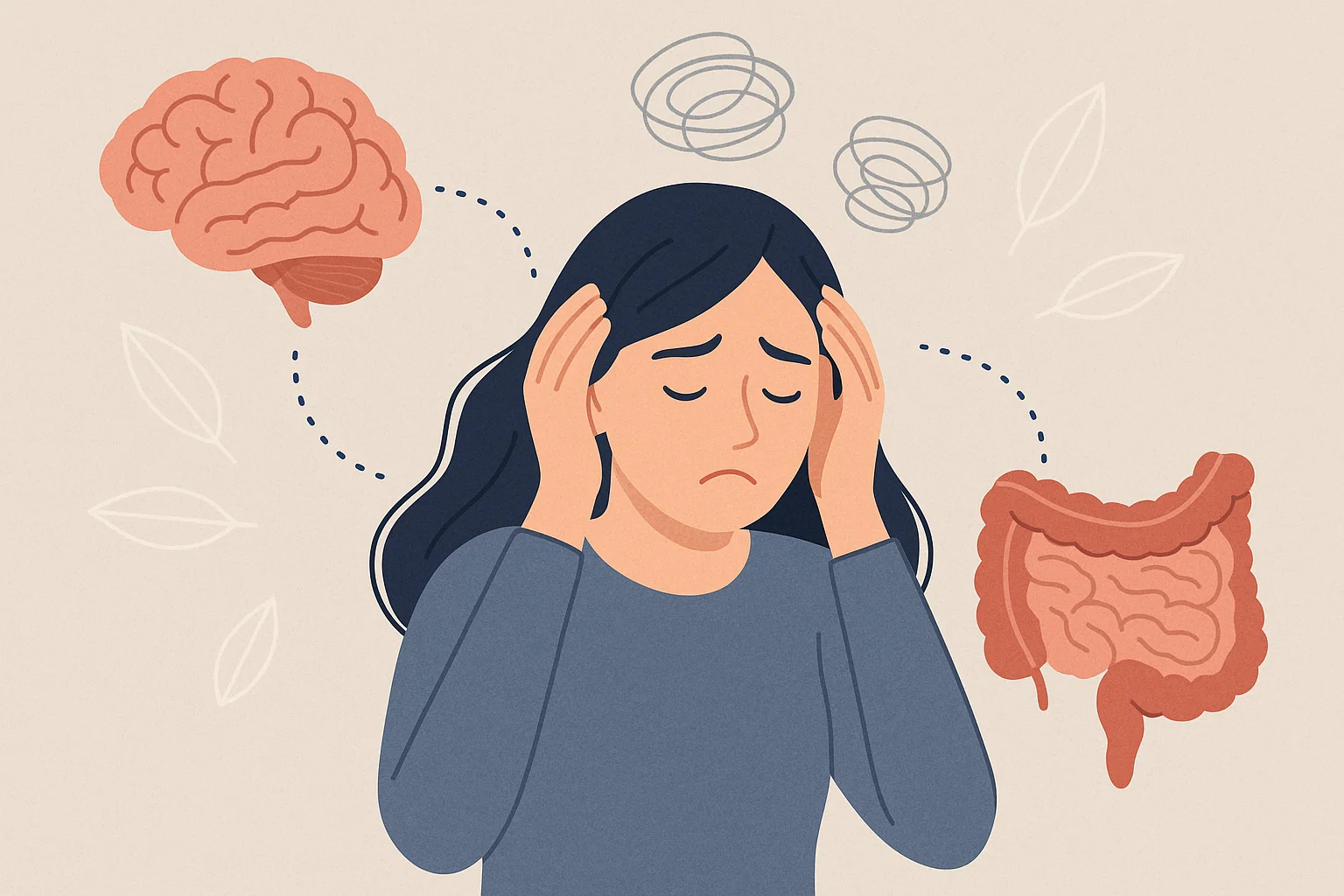
The gut-brain axis describes the bidirectional communication channel between your gut (the digestive system) and your brain. This connection is not merely symbolic; it is a biological connection.
- Vagal Nerve Connection: The vagus nerve is essentially an information highway between the gut and the brain.
- Neurotransmitter: Your gut makes many of the same neurotransmitters that your brain makes. For example, around 90% of the serotonin (the “happiness hormone”) that you create is made in your gut.
- Gut Microbiome: The trillions of bacteria in your intestines are creating chemicals, vitamins and metabolites, and these can affect mood, stress response, and cognitive function.
In basic terms: if we take care of our gut health, then our brain processes better. When we miss the mark on gut health (e.g. from a poor diet, stress, antibiotics, sickness, etc.), this can then unleash mental health challenges.
Gut Health and Mental Disorders: What Science Says
An increasing amount of research suggests that disturbances in the gut microbiome (dysbiosis) are correlated with mental health conditions such as depression, anxiety, and even neurodegenerative diseases. What does science say?
- Depression and Gut Microbes
- In one study conducted and published in Nature Microbiology, researchers noted that depressed individuals often had lower levels of some beneficial microbes, such as Coprococcus and Dialister.
- Low microbiome diversity is strongly correlated with the presence of depressive symptoms.
- Anxiety and Stress Response
- Gut bacteria has an effect on the hypothalamic-pituitary-adrenal (HPA) axis, which modulates the release of stress hormones such as cortisol.
- When gut bacteria are out of balance, it can amplify an already overstimulated stress response and worsen anxiety symptoms.
- Neuroinflammation
- Unhealthy gut bacteria can promote gut permeability or “leaky gut,” and allow inflammatory molecules to spill into the bloodstream.
- Mood disorders and brain impairment are also correlated with chronic inflammation.
- The Role of Short-Chain Fatty Acids (SCFAs)
- Healthy gut bacteria produce SCFAs (such as butyrate), which provide nutrition for brain cells, aid in the digestion of neurotransmitters, and mediate inflammation.
- Lack of SCFAs has been linked to symptoms of depression and anxiety.
Symptoms of Poor Gut Health Affecting Mental Well-being
How do you know if your gut might be contributing to symptoms of depression or anxiety? Watch for the following indicators:
- Bloating, gas, or indigestion
- IBS-like symptoms
- Food intolerances or sensitivity
- Fatigue or brain fog
- Changing mood, irritability, or unexplained anxiety
- Cravings for sugar and processed foods
Healing Depression and Anxiety from the Inside Out
The good news is you can help support your mental health by taking care of your gut health. While this does not replace medical or psychiatric care, a combination of nutrition and lifestyle changes, along with professional treatment, can be beneficial.
Here’s how:
- Eat a gut-friendly diet
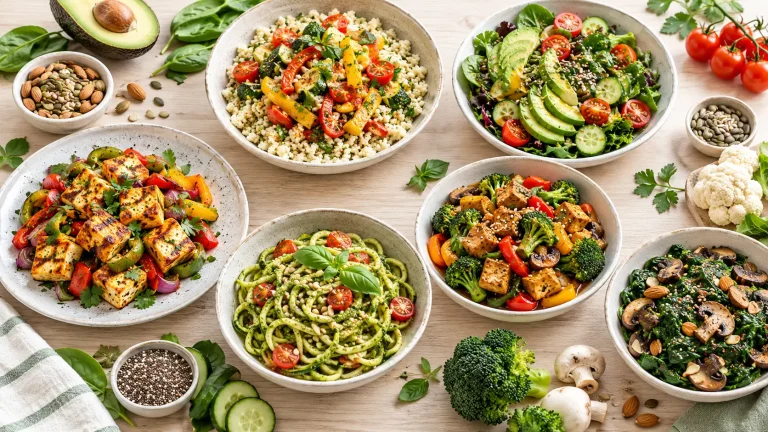
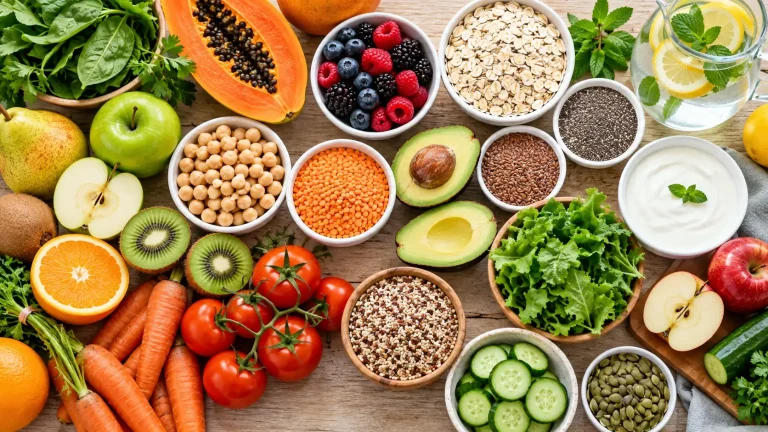
- Food with fiber: Beneficial bacteria thrive on fiber-rich foods such as whole grains, vegetables, beans, lentils, and fruits.
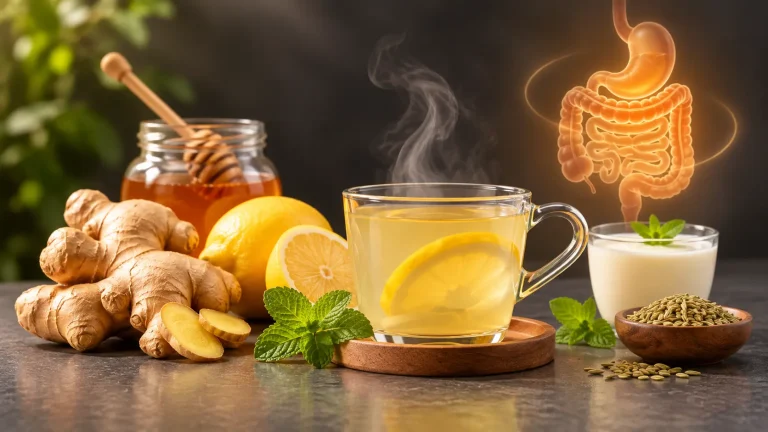
- Probiotics: Foods fermented with bacteria, such as yogurt, kefir, kimchi, sauerkraut, and miso, will provide beneficial “good” bacteria.
- Prebiotics: Foods high in prebiotics, such as garlic, onions, bananas, asparagus, and oats, can provide food for healthy microbes.
- Foods high in polyphenols: Green tea, dark chocolate, berries, and olive oil are all items that will reduce inflammation and improve gut health and diversity.
- Omega-3 Fatty Acids
The omega-3 fatty acids found in fatty fish (like salmon, sardines, and mackerel), chia seeds, and walnuts can reduce inflammation and support the functions of neurotransmitters. Research has found that omega-3s can decrease symptoms of depression.
- Reduce Sugar and Processed Foods
Meals and beverages high in sugar and refined carbohydrates can promote the proliferation of harmful bacteria and raise inflammatory markers, exacerbating symptoms of depression.
- Regulating Stress
The gut-brain axis can become disrupted by chronic stress. Mindfulness, yoga, deep breathing, and exercise are effective methods to regulate the nervous system and support gut function.
- Getting Good Quality Sleep
Sleep of poor quality alters the gut microbiome, and gut imbalance alters sleep, which feeds a vicious cycle. You should try to aim for a consistent 7-8 hours of good quality sleep.
- Nutrition for Your Unique Microbiome
Everyone has their own microbiome. What works for you may not work for someone else. Your approach to personalized nutrition should account for your body, genes, and lifestyle for the best results over time.
How QUA Nutrition Can Help
At QUA Nutrition, we are passionate about healing from the inside out, so our dietitians and nutritionists develop customized plans addressing areas of need for both gut and brain health:
- Gut Microbiome Testing: We evaluate your gut bacteria profile to identify if gut bacteria are helping or harming your mental health.
- Customized Probiotic & Prebiotic Plans: Designed for your body, not based on generic recommendations.
- Food Plans With Anti-inflammatory Properties: Focused on balancing the microbiome while reducing neuroinflammation.
- Genetic Testing: To understand how you respond to your DNA based on mood, gut health, and nutrient absorption.
- Lifestyle & Recovery Planning: Beyond food, we’ll optimize sleep, stress, and exercise routines to balance the gut-brain axis.
Working with our experts will help you move toward a healthier gut and a calmer, more resilient mind.
Bridging the Gut and Mind for Holistic Healing
The link between your gut and your brain is real. Science now demonstrates that our brain, depression, and anxiety are not simply “all in your head”; they can start in your gut. You can regain balance with gut-friendly nutrition, lifestyle changes, and a personalized plan, and experience meaningful improvements to your mental health.
While nutrition plays a vital role, mental and emotional support is equally important. Counselling can help address underlying emotional triggers, stress, and unhealthy eating patterns that often accompany gut imbalances or mood disorders. Platforms like TalktoAngel — an online counselling platform—connect you with experienced psychologists and counsellors who specialize in stress, anxiety, depression, eating disorder treatment, etc., helping you build a healthier relationship with both food and your emotions.
At QUA Nutrition, we assist you in regaining control of your health from the inside out—so you can thrive, not just survive.
FAQs
Q: Can improving gut health actually help with depression and anxiety?
A: Yes. While gut health is not the only factor, studies indicate that balancing the microbiome can improve mood, reduce anxiety, and improve brain function overall.
Q: How long do I need to wait before I see changes from improving gut health?
A: This varies significantly. Some start feeling better within a few weeks of changing gut health, while others experience changes over the course of months. The severity of the imbalance and adherence to gut-directed diet or nutrition a huge factors in the length of time to see changes.
Q: Should I stop taking my medication if I am focusing on my gut health?
A: No. Absolutely do not stop taking any prescribed medication without consulting your doctor. The gut health strategies would serve as an adjunct and not replace any medical treatment.
Q: What foods are the worst for gut health and mental health?
A: Super processed foods, refined sugar, artificial sweeteners, and too much alcohol can all disrupt the gut bacteria and worsen mood symptoms.
Q: Is QUA Nutrition the same as generic diet advice?
A: At QUA, every plan is customized to the individual. We use genetic, microbiome, and lifestyle data to develop strategies specific to you, rather than guessing what might work for you.