
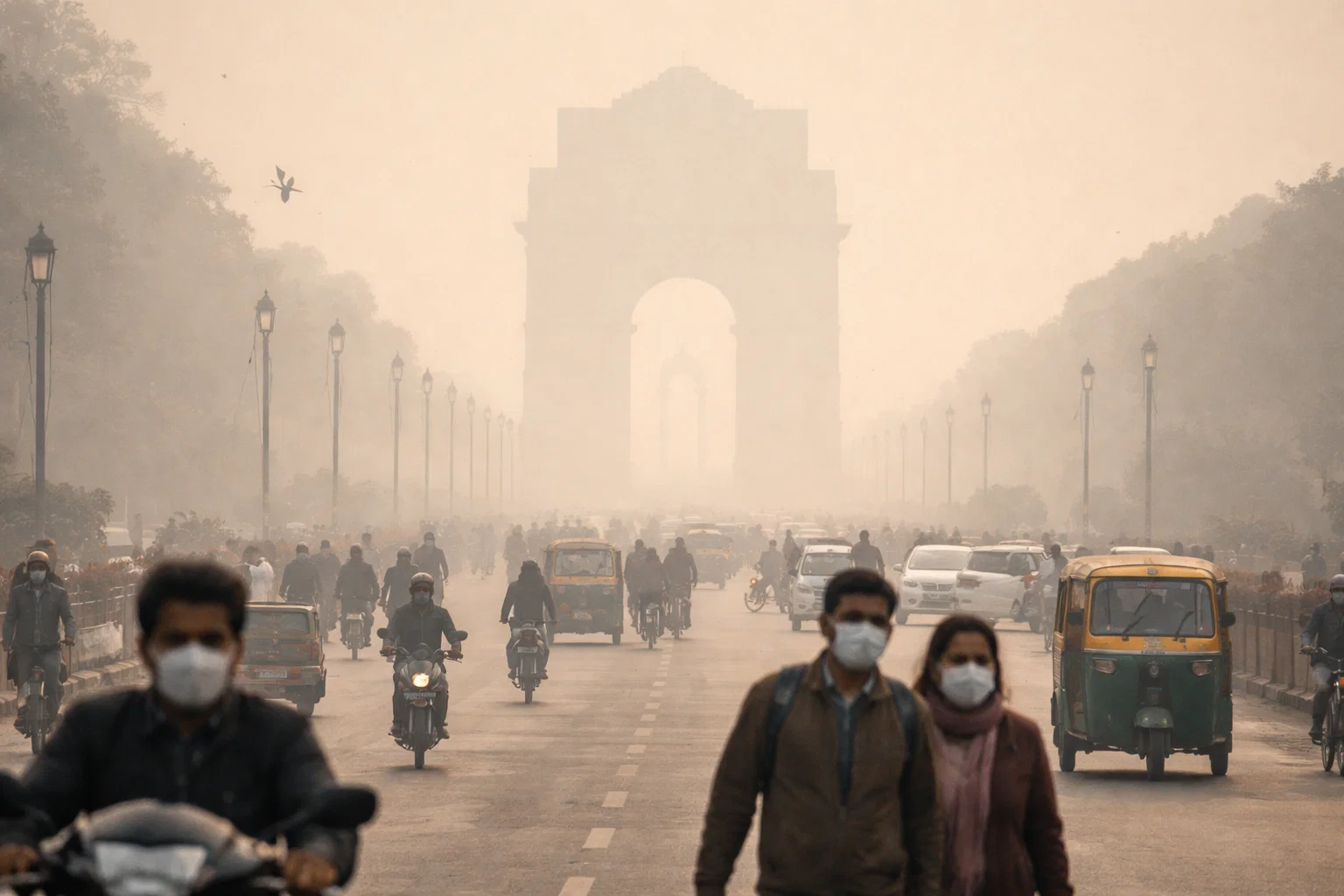
Delhi air pollution has turned into a year-round health issue instead of a temporary seasonal one. Although winter smog shows the most obvious effects, the air quality for Delhi residents is often unhealthy all year long. Vehicle emissions, construction dust, industrial activities, and seasonal crop burning combine to create long-term exposure to harmful pollutants.
At Qua Nutrition, we understand that it is not only about avoiding polluted air. The appropriate dietary options are capable of reinforcing the natural defense mechanism of the body, lowering inflammation, preserving lung tissue, and helping to recover from the pollutant-induced stress in a shorter period.
Understanding Delhi’s Air Pollution
To understand how to survive air pollution in Delhi, it is important to know what causes it and how it affects the body at a cellular level. Pollution exposure is cumulative, which means daily habits matter more than occasional precautions.
Major Causes of Air Pollution in Delhi
Delhi’s pollution problem is driven by multiple overlapping sources that intensify during certain months.
- Vehicular emissions from dense traffic
- Construction and road dust
- Crop residue burning in nearby states
- Industrial emissions
- Firecrackers combined with low wind movement in winter
Each of these sources contributes to higher particulate matter levels in the air.
Key Air Pollutants You Should Know
Different pollutants affect health in different ways, making awareness essential.
- PM2.5 and PM10 penetrate deep into the lungs and bloodstream.
- Nitrogen dioxide (NO₂) irritates airways and worsens asthma.
- Sulphur dioxide (SO₂) affects lung function.
- Ozone (O₃) damages lung tissue and reduces oxygen exchange.
Health Risks Linked to Prolonged Air Pollution Exposure
Long-term exposure to polluted air not only affects the lungs. It creates inflammation across multiple systems in the body.
Respiratory complications like asthma, bronchitis, and chronic cough are common health hazards. Most individuals complain of eye irritation, sore throats, congestion in the nose, and headaches. Pollution is another risk factor leading to cardiovascular risks by causing inflammation and oxidative stress. As time passes, immunity becomes weak, resulting in frequent infections and low recovery. Mental health is also affected, and stress, anxiety, and fatigue are recorded during extreme pollution times.
This is why nutrition-focused prevention is a core part of pollution survival strategies.
How to Monitor Air Quality in Delhi
Monitoring air quality updates in Delhi helps people plan their activities safely and avoid unnecessary exposure. Understanding AQI levels reveals potential risks. An AQI below 50 is good, while levels above 200 are unhealthy. An AQI above 300 presents serious health risks. Reliable AQI apps and government platforms offer real-time updates. People should limit outdoor exposure when the AQI rises, especially vulnerable groups. Mid-afternoon hours are usually safer than early mornings and late evenings when pollutants stay close to the ground.
Outdoor Protection Tips During High Pollution Days
Exposure to the outdoors cannot be prevented at all, but there are easy preventive steps that can drastically decrease exposure.
Use the Right Face Mask
Wearing the correct mask is essential during high-pollution days.
- N95 or N99 masks filter fine particulate matter.
- Masks should fit snugly around the nose and mouth.
- Replace masks regularly to maintain effectiveness.
Avoid Peak Pollution Hours
Certain times of day and locations increase exposure.
- Avoid early morning walks during high AQI days.
- Reduce time spent in heavy traffic zones
- Plan outdoor tasks during lower AQI windows
Indoor Air Protection Strategies
Indoor spaces offer partial protection, but indoor air quality also requires attention.
Improve Indoor Air Quality at Home
Creating a cleaner indoor environment reduces overall pollutant load.
- Use air purifiers with HEPA filters.
- Clean floors and surfaces regularly
- Avoid smoking, incense, or strong chemical cleaners indoors.
- Ventilate homes during lower AQI periods
Nutrition Tips to Combat Air Pollution Effects
Nutrition is one of the strongest tools to protect the body against pollution-related damage. At Qua Nutrition, diet plans are designed to reduce inflammation, support detoxification, and strengthen immunity.
Foods That Help Detox and Protect Lungs
Certain nutrients help neutralize oxidative stress caused by pollutants.
- Vitamin C-rich fruits such as amla, oranges, kiwi, and guava
- Leafy greens like spinach, fenugreek, and moringa
- Cruciferous vegetables, including broccoli and cabbage
- Omega-3 fatty acids from walnuts, flaxseeds, and fatty fish
Immunity-Boosting Foods During High Pollution
Supporting immunity becomes critical during prolonged exposure.
- Turmeric with black pepper for anti-inflammatory support
- Ginger and garlic for respiratory health
- Citrus fruits for immune defense
- Nuts and seeds for zinc and vitamin E
Qua Nutrition customizes intake based on age, activity level, and existing health conditions.
Stay Hydrated
Hydration supports toxin elimination and respiratory comfort.
- Drink adequate water throughout the day.
- Prefer warm fluids during high pollution days
- Herbal teas like tulsi and ginger help soothe the airways.
Lifestyle Changes to Reduce Pollution Impact
Lifestyle habits influence how the body responds to pollution exposure.
Avoid smoking and secondhand smoke completely. Practice breathing exercises and pranayama indoors to improve lung efficiency. Prioritize quality sleep, as immune repair occurs during rest. Manage stress through mindfulness or light activity, as stress worsens inflammation and lowers immunity.
Medical Care and When to See a Doctor
Certain symptoms should never be ignored during high pollution periods.
Watch for persistent cough, wheezing, chest tightness, breathlessness, frequent infections, or severe fatigue. Preventive health checkups, lung function tests, and timely vaccinations help reduce long-term damage. Early intervention is key.
Long-Term Measures to Protect Yourself
Protection can only be achieved in the long run and not in the short term.
Frequent lung health examinations, nutrition to build immunity, a sustainable lifestyle, and contributing towards pollution control efforts will all help in achieving positive results. Long-term plans at Qua Nutrition are aimed at enhancing metabolic health, the gut-lung connection, and antioxidant defense systems.
Staying Strong Against Delhi Air Pollution with Qua Nutrition
Air pollution is an actual issue in the city of Delhi, but the effects on human health can be controlled. The risks can be significantly lowered in the long term by proper lifestyle choices, setting up protective behaviors, and nutrition-focused practice.
Qua Nutrition is a top nutrition clinic in India, with centers in major cities and online consultation services for international clients. We specialize in sports nutrition, weight management, and clinical nutrition. Qua Nutrition offers personalized diet plans that help people remain strong, even in tough environments like Delhi.
FAQs
Q: What measures can I take for myself with regard to air pollution in Delhi daily?
A: Monitor AQI, avoid contact, use N95 masks, and eat a nutritious diet.
Q: What is the best mask for Delhi Air Pollution
A: N95 or N99 masks provide good protection against particulates.
Q: Which are the foods reduce the effects of air pollution?
A: Foods rich in vitamin C, like fruits, leafy vegetables, omega-3 foods, turmeric, and nuts.
Q: Are air purifiers effective in Delhi homes?
A: Yes, especially HEPA-based purifiers if used correctly.
Q: Will air pollution affect the immune system?
A: Yes, prolonged exposure does heighten inflammation and lower immunity.
Q: What is the AQI range that is dangerous for health?
A: AQI values over 200 are unhealthy, and values over 300 are hazardous.
Q: How to Improve Indoor Air Quality in a Natural Way
A: Regular cleaning, ventilation, avoiding smoke exposure, and optimal nutritional intake.