
Do you think that type 2 diabetes is something that you only need to worry about later in life? That assumption is quickly changing. More and more people are being diagnosed in their 30s, and the reasons go far beyond family history.
The truth is that the lifestyle choices you make in your 30s have a lot to do with your health status. Spending long hours at your desk, skipping exercise, eating fast food and having deadlines all day is quite normal in your 30s. While you may not even know it, this lifestyle is likely pushing your body to insulin resistance.
In this blog, we will be looking at why type 2 diabetes is increasingly developing in people at a younger age and what you need to watch out for.
Understanding Type 2 Diabetes
Type 2 diabetes is a gradual onset disorder without symptoms in its early stages. It is essential to know how it manifests itself in the body in order to understand the need for prevention and early diagnosis.
What Happens in the Body With Insulin Resistance
The hormone insulin is responsible for transporting glucose from your bloodstream into your cells to be used as an energy source. In case of insulin resistance, glucose will remain in the bloodstream, which will result in high blood sugar levels, causing damage to your blood vessels and other organs.
How Type 2 Diabetes Differs From Type 1
Type 1 Diabetes is an autoimmune disease where the immune system destroys the insulin producing cells. Type 2 diabetes results from a combination of lifestyle and genetic elements and develops gradually. This is different from Type 1 since Type 2 diabetes is preventable through healthy lifestyles.
Why It Typically Develops Gradually Over Time
Insulin resistance builds up gradually, in most cases over years. Due to this slow build-up, many people at the age of 30 may be at risk of developing Type 2 diabetes and they may not even know it.
Why Type 2 Diabetes Is Rising Among People In Their 30s
Type 2 diabetes among young age groups is associated with lifestyle changes, diet and stress. Some of the contributing factors include:
Sedentary Jobs And Reduced Physical Activity
The nature of modern jobs means many people spend more time at their desks, which leads to less activity. This makes individuals less sensitive to insulin and causes obesity.
Rise Of Processed Foods And Poor Dietary Patterns
With people having busy schedules, convenience foods and drinks are consumed in large amounts. Such food types make their blood glucose levels high.
Increasing Rates Of Obesity And Abdominal Fat
Being overweight, particularly around the waist increases the chances of developing type 2 diabetes. The abdominal fat prevents insulin from functioning properly, leading to insulin resistance.
Chronic Stress, Poor Sleep, And Work-Life Imbalance
Stress hormones such as cortisol mess up with blood sugar regulation. Lack of sufficient rest also leads to a metabolic disruption which in turn increases the risks of developing diabetes.
Genetics And Family Medical History
Whereas lifestyle is important, genetic predisposition is equally significant. If you have a family history of diabetes, then you stand at higher chances of developing diabetes.
Who Is At Higher Risk?
It is not true that all individuals aged 30 are equally at risk of this disease. There are certain criteria which make an individual prone to the risk of developing type 2 diabetes.
Family History Of Diabetes
If your parents or siblings have diabetes, your chances of developing it increase significantly.
Being Overweight Or Having A Large Waist Circumference
Abdominal obesity is the biggest factor that can predict insulin resistance and type 2 diabetes.
History Of Gestational Diabetes Or PCOS
There is a higher probability for women to get type 2 diabetes if they had gestational diabetes in their pregnancy period or PCOS.
Sedentary Lifestyle And High-Stress Careers
Jobs that involve sitting for long hours along with stress will increase the risk of developing diabetes at age 30+.
Early Warning Signs You Shouldn’t Ignore
Type 2 diabetes usually occurs without much warning, but there are symptoms that you need to look out for.
Frequent Thirst And Urination
Your kidneys overwork due to high levels of sugar in the blood, hence resulting in frequent urination and increased thirst.
Unexplained Fatigue And Weight Changes
The inability to absorb glucose results in reduced energy in the body, and thus causing tiredness and unexplained weight loss or weight gain.
Slow Healing Wounds And Blurred Vision
High levels of glucose in the blood damage blood vessels, hence making the healing process slow and impairing your vision.
Why Symptoms Are Often Mistaken For Normal Stress Or Fatigue In Your 30s
These symptoms resemble those of normal everyday stress, and thus they are often overlooked.
Why Early Diagnosis Matters
Early detection of type 2 diabetes can help you avoid complications.
Long-Term Complications Of Undiagnosed Or Unmanaged Diabetes
If not treated, diabetes can cause cardiovascular diseases, renal failure, nerve damage, and vision loss.
Common Diagnostic Tests (Fasting Blood Sugar, HbA1c)
Some simple blood tests will reveal if your blood sugar levels are within normal limits.
Recommended Screening Age And Frequency For At-Risk Adults
People with risk factors must get screened after they reach their late 20s or early 30s once per year or every two to three years.
How To Prevent Type 2 Diabetes In Your 30s
There are several practical ways that will allow you to reduce your chances of getting diabetes.
Dietary Changes
By reducing your intake of refined carbohydrates and sugars, you will balance your glucose levels. Eating plenty of fiber, choosing protein and healthy fats allows for improved glucose control. Controlling portions and using mindful eating makes sure you do not consume too many calories.
Physical Activity
Exercise increases insulin sensitivity, promoting maintenance of a healthy body weight. Simple exercises such as fast walking, biking or weight lifting can go a long way. Finding ways to stay physically active amid the tight working schedule will help you stay fit and healthy.
Lifestyle And Stress Management
Restful sleep regenerates your body’s ability to regulate hormones properly. The management of stress through meditation, yoga, or pursuing hobbies can lower cortisol levels. Moderate consumption of alcohol and giving up smoking is another step towards protecting your health.
Regular Monitoring
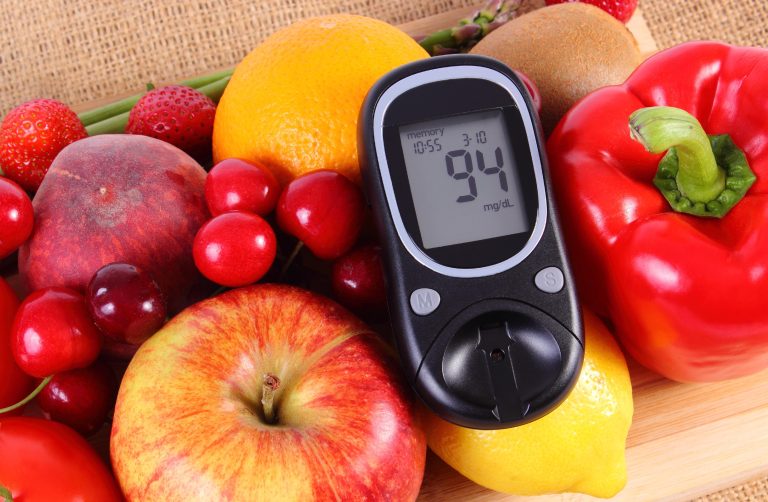
Health check-ups and blood glucose monitoring will assist you in being aware of possible problems. Consulting with a dietitian for diabetes will enable you to have personalized advice that is specifically for you. It’s not just blood sugar monitoring, as keeping track of your blood pressure, your cholesterol levels, and even your weight will decrease your risks in general. Clinics such as Qua Nutrition provide personalized nutrition counseling that can complement medical care and help you adopt sustainable lifestyle changes.
Common Myths About Type 2 Diabetes And Age
Misunderstandings about diabetes may hinder individuals from taking appropriate measures. Debunking these myths will help you make the right decisions.
Myth: Type 2 diabetes affects only older adults
Fact: Increasing cases in individuals aged 30 disprove the misconception.
Myth: Skinny individuals cannot have diabetes.
Fact: It is possible for someone to develop diabetes due to heredity and other factors despite his/her healthy weight.
Myth: If diabetes is present in the family, you will surely have it too.
Fact: Prevention measures can greatly decrease the chances of having the disease.
Myth: Nothing can be done once you are diagnosed with diabetes.
Fact: Early diagnosis can help reversing it or halt its progression.
Conclusion
The early onset of type 2 diabetes is caused by factors such as sedentary work, unhealthy eating habits, stress, and genes. Being aware of the early symptoms, focusing on healthy lifestyles, and screening regularly can help you reduce the risk of developing diabetes.
Taking little steps such as eating healthy, exercising, controlling stress, and tracking your health will greatly help you prevent diabetes. Taking preventive actions now will ensure a better future. Working with experienced nutritionists at Qua Nutrition can help you further prevent the disease through personalized diet programs.
FAQs
Q: Can diet completely cure seasonal allergies?
A: No. Diet can help reduce inflammation and support the body’s response to allergens, but it cannot eliminate an underlying allergy. For personalized guidance, Qua Nutrition can help you understand the right approach for your symptoms.
Q: How long does it take for dietary changes to ease symptoms?
A: This varies by individual, but most people who see benefit from dietary changes notice gradual improvement over several weeks of consistent eating patterns, rather than immediate relief after a single meal.
Q: What is oral allergy syndrome?
A: It is a reaction some pollen allergy sufferers have to specific raw fruits, vegetables, or nuts, caused by proteins in these foods resembling pollen proteins the immune system already reacts to. Symptoms are usually mild and limited to itching or tingling in the mouth, and cooking the food often resolves the reaction.
Q: Are probiotics helpful for allergy relief?
A: Probiotics could support a healthy gut, which can help with immune function and allergy symptoms. However, probiotics don’t work the same way for everyone, and no specific supplement is proven to relieve allergies. Fermented foods as part of a varied diet are a reasonable, low-risk way to support gut health during allergy season.
Q: Should I avoid all high-histamine foods during allergy season?
A: No. Complete avoidance is not required unless you notice a clear personal pattern between specific foods and worsened symptoms. Moderating intake of aged, cured, and processed high-histamine foods during peak allergy weeks is a reasonable approach for most people.