
Healthy hair starts from within. While hair care products can improve shine and texture, true hair growth depends on the vitamins you consume. Your scalp, follicles, and hair strands need micronutrients to grow, remain strong, and resist damage. Stress, poor diet, pollution, and hormonal imbalances often lead to deficiencies that show up as hair thinning, slow hair growth, brittle strands, or sudden hair fall. The right vitamins, however, can nourish your follicles, boost hair density, and support long-term hair health. This guide looks at the important vitamins and nutrients for hair growth. We cover the best food sources, offer supplement advice, and provide lifestyle tips to help you have healthier, thicker hair.
Why Vitamins Matter for Hair Growth
Hair growth is a biological process reliant on the right amount of vitamins. Vitamins have an important role in healthy hair:
- Strengthen hair follicles
- Support keratin production
- Stimulate blood circulation in the scalp
- Reduce oxidative stress
- Stimulate faster and denser hair growth
- Prevent breakage and dryness
A lack of even one vitamin can cause hair to thin or fall out. The best way to keep hair healthy is by eating a balanced diet.
Signs of Hair-Growth Vitamin Deficiency
Deficiencies often show early signs through changes in hair and scalp health. These changes can act as warning signals that your body is lacking essential nutrients. So look for:
- Excessive hair fall
- Slow hair growth
- Dry, brittle, or thinning hair
- Dandruff or flaky scalp
- Increased hair breakage
If you experience any of these, then it’s time to consider taking a nutritional consultation to determine your vitamin deficiencies.
Essential Vitamins That Promote Hair Growth
These vitamins are vital to hair strengthening, scalp health, and hair growth. Any lack in any one of them can slow hair growth and lead to hair issues. Essential vitamins for hair growth are as follows:
Vitamin A: “The Scalp Nourisher”
Vitamin A helps the scalp produce sebum, a natural oil meant to keep hair healthy. Without enough sebum, hair can become dry and brittle. This can lead to breakage.
Best sources include:
- Carrots
- Sweet potatoes
- Spinach
- Kale
- Pumpkins
- Mangoes
- And eggs
Too much vitamin A can cause hair loss, so it’s important to take it in a balanced amount.
Vitamin B: “The Hair Regeneration Powerhouse”
Biotin (B7) and other B vitamins are responsible for regenerating cells, giving them energy, and forming keratin, the hair protein.
Best sources include:
- Whole grains
- Eggs
- Nuts and seeds
- Milk and yogurt
- Leafy greens
- Lentils
- Meat and poultry
A lack of vitamin B can make hair thinner and cause fatigue, which slows down cell renewal and affects hair quality.
Vitamin C: “The Collagen Booster”
Vitamin C is an extremely strong antioxidant and protects the hair follicles from damage. It is also needed by the body for the production of collagen, a protein that strengthens hair strands.
Best sources include:
- Citrus fruits
- Berries
- Guava
- Kiwi
- Bell peppers
- Amla
It further helps the absorption of iron, which is another very important nutrient for hair.
Vitamin D: “The Follicle Activator”
Low levels of vitamin D have been correlated with hair loss, alopecia, and inactive follicles. It induces the formation of new hair follicles and supports overall scalp health.
Best sources include:
- Sunlight exposure
- Fortified dairy products
- Egg yolks
- Mushrooms
- Fatty fish
People often don’t know they are deficient in vitamin D, but it is very important for hair growth.
Vitamin E: “The Damage Repair Vitamin”
Vitamin E works by lessening oxidative stress and improving circulation in the scalp. Its strong antioxidant nature protects hair against the environment, making strands shinier and healthier.
Best sources include:
- Almonds
- Sunflower seeds
- Spinach
- Avocado
- Olive oil
Vitamin E works wonders for dry or damaged hair.
Supporting Nutrients for Hair Growth
Besides vitamins, the body needs certain nutrients and minerals to keep hair strong and healthy. These nutrients work together to nourish hair from root to tip.
Iron: Iron deficiency is one of the leading causes of hair loss. Iron is a critical nutrient that helps produce red blood cells and enables them to transport oxygen to the hair roots.
Best sources include:
- Beetroot
- Spinach
- Lentil
- Chickpeas
- Eggs
- Lean meat
- Jaggery
Low iron levels lead to thinning and weakened hair strands.
Zinc: Zinc helps repair hair tissue and keeps the oil glands around hair follicles healthy. This supports strong and healthy hair growth.
Best sources include:
- Pumpkin seeds
- Nuts
- Chickpeas
- Milk
- Whole grains
Zinc deficiency can cause sudden or patchy hair fall.
Protein: Hair is made of keratin, a kind of protein. Not getting enough protein can result in weak, thin hair and slow growth.
Best sources include:
- Eggs
- Chicken and fish
- Paneer and tofu
- Lentils
- Greek yogurt
- Nuts and seeds
Make sure to include a good source of protein in every meal.
Top 10 Superfoods for Hair Growth
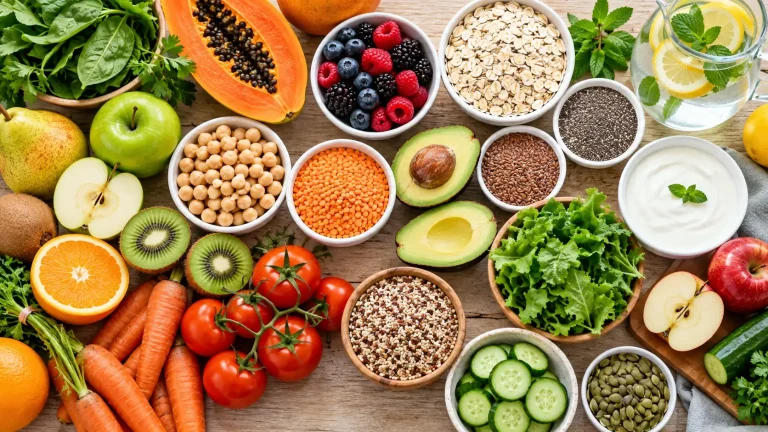
Including nutrient-rich foods in your diet can support healthier hair. These superfoods are packed with essential vitamins, minerals, protein, and healthy fats that nourish hair from root to tip, improve scalp health, and promote steady, long-term hair growth. The superfoods include:
- Eggs
- Spinach
- Salmon
- Greek yogurt
- Almonds
- Avocado
- Sweet potatoes
- Pumpkin seeds
- Berries
- Lentils
These foods provide a balanced blend of vitamins, minerals, protein, and healthy fats that nourish hair from root to tip and support scalp health.
How Supplements Help in Hair Growth
When your diet is not providing enough nutrients needed for your hair, supplements are the answer. Supplements work in different ways:
- Restoring vitamin deficiencies: Supplements can help provide vitamins and minerals your body might be lacking, which will allow hair to grow stronger and healthier.
- Strengthening hair density: With the right nutrients, hair follicles will become stronger, making hair look fuller.
- Reducing breakage: Nutrients from supplements keep hair strands flexible and less prone to splitting or breaking.
- Promoting a healthy scalp: A nourished scalp supports strong roots and reduces dryness, flakiness, or irritation.
- The most typical supplements include biotin, vitamin D, zinc, collagen peptides, and multivitamins for hair to address hair concerns.
When Should You Use Vitamin Supplements?
Vitamin supplements can be helpful when your body isn’t getting enough nutrients from food or when special situations affect hair health. You might think about using them in these situations. Before taking any supplement, always consult a nutritionist to check whether your body really needs these supplements:
- Rapid Hair Loss: Taking the right nutrients can help regrow hair in cases of rapid or excessive hair loss.
- Nutritional Deficiencies in Blood Tests: If blood tests show that your diet lacks enough vitamins or minerals, then you need supplements to restore your vitamin and mineral levels.
- Postpartum Hair Loss: New mothers typically experience hair thinning after delivery, but by using supplements, new mothers can replenish their bodies with the nutrients needed to grow back healthy hair.
- Thyroid Hormone Imbalance: When the thyroid isn’t functioning properly, it can negatively impact how healthy or how frequently your hair grows. Using supplements can promote healthier hair and provide support when thyroid imbalances exist.
- Limitations Within Vegetarian Diets: Vegetarian diets limit the availability of some nutrients, particularly vitamins B12, iron, and/or zinc. Using supplements can help you achieve all the essential nutrients your body needs.
- Poor Nutrient Absorption: In addition to extreme physiological stress, individuals suffering from conditions like stress may be unable to absorb these vital nutrients. If this is the case, supplements will ensure that they get the nutrients their body requires to maintain healthy hair.
Consulting with a registered dietitian for hair loss can give you expert advice as to which supplements are recommended for your medical condition, how many to take, and how best to take them to achieve optimal results.
Choosing the Right Hair Growth Supplement
Look for supplements that have biotin, vitamins A, C, D, E, B-complex vitamins, and zinc. It’s also good to check for iron and omega-3. Choose trusted brands, read ingredient labels, and avoid fillers and high doses.
Safety Precautions
Avoid self-medicating with high-dose supplements. Don’t prescribe yourself high doses. Be aware of side effects from excessive vitamin A, E, or biotin. Always check for allergies. Consult a nutritionist if you are pregnant, breastfeeding, or dealing with health issues. A balanced diet for healthy hair works best even without supplements.
Hair Care & Lifestyle Changes
In addition to proper nutrition, using healthy hair care practices and habits is important for keeping hair strong. What you eat and how you treat your hair are both important, as they work together to support hair growth and prevent damage.
Foods to Avoid for Healthy Hair
Certain foods can cause inflammation, affect your scalp, and weaken hair follicles. To protect your hair, avoid or reduce:
- Excess sugar: This can lead to scalp inflammation and weak hair.
- Deep-fried foods: Unhealthy fats can clog follicles and slow growth.
- Highly processed snacks: Preservatives and fats can damage hair and reduce nutrient absorption.
- Alcohol: This can dehydrate the scalp, making hair brittle and slow to grow.
- Too much caffeine: It may block iron absorption needed for strong hair.
- Refined carbs: These can spike blood sugar and cause inflammation.
- Very low-calorie diets: They can starve hair follicles, leading to thinning and hair loss.
Cutting down on these foods helps keep a healthy scalp and supports hair growth.
Hair-Friendly Habits To Promote Hair Growth
Simple daily habits can make a big difference in your hair health. Try incorporating:
- Gentle oil massages to improve blood circulation in the scalp
- Mild shampoos and conditioners that are suitable for your hair type
- Avoiding too much heat styling, like straightening or curling
- Regular trimming to prevent split ends
- Protective hairstyles that lower the chance of hair breakage
Small changes in your daily routine and good nutrition can lead to healthier hair over time.
Treating Your Hairfall Starts from the Inside.
Healthy hair starts inside your body. The right vitamins, especially vitamins A, B-complex, C, D, and E, along with essential minerals like iron and zinc, can significantly improve hair growth, strength, and shine. A nutrient-rich diet, consistent lifestyle habits, and the right supplements can help you regain strong hair. At Qua Nutrition, nutritionists for hair health look at your lifestyle, deficiencies, medical history, and hair problems to create a personalized diet plan for healthy hair that delivers real, lasting results. Whether you are dealing with hair thinning, ongoing hair loss, or just want healthier hair, Qua Nutrition offers a science-based plan designed for you. Do you want stronger, healthier hair from within? Call us now to get your personalized nutrition plan for hair growth with Qua Nutrition today and begin your transformation!
FAQs
Q: Which vitamin is the most important for hair growth?
A: Biotin (Vitamin B7), Vitamin D, and Vitamin C are among the most important. Together, they support follicle strength, collagen formation, and active hair growth.
Q: Does biotin really help with hair growth?
A: Yes, biotin improves keratin production, which strengthens hair and reduces breakage. It is especially helpful if you have a biotin deficiency.
Q: Can vitamin D deficiency cause severe hair fall?
A: Absolutely. Low Vitamin D is strongly linked to excessive hair shedding, thinning, and conditions like alopecia.
Q: Are gummy vitamins effective for hair growth?
A: Gummy vitamins can help if they contain enough essential nutrients. However, many gummies have added sugar, so choose carefully.
Q: Is it safe to take biotin every day?
A: Most people handle daily biotin well, but high doses should only be taken with guidance. A nutritionist can suggest the safest and most effective dosage.