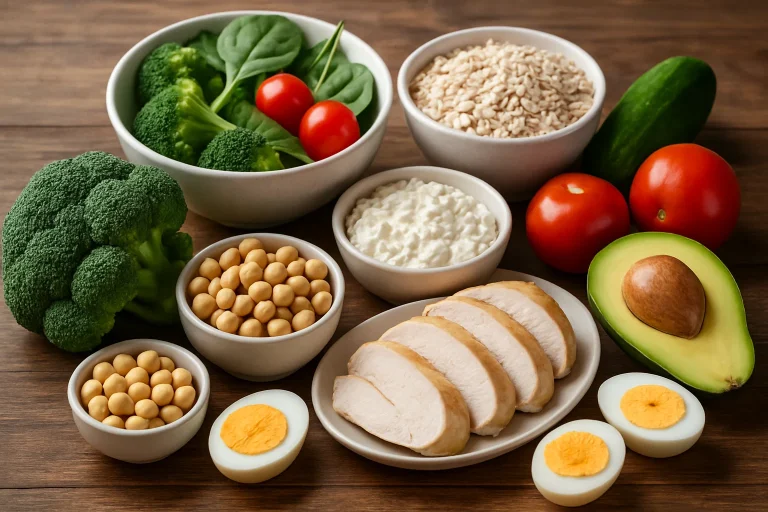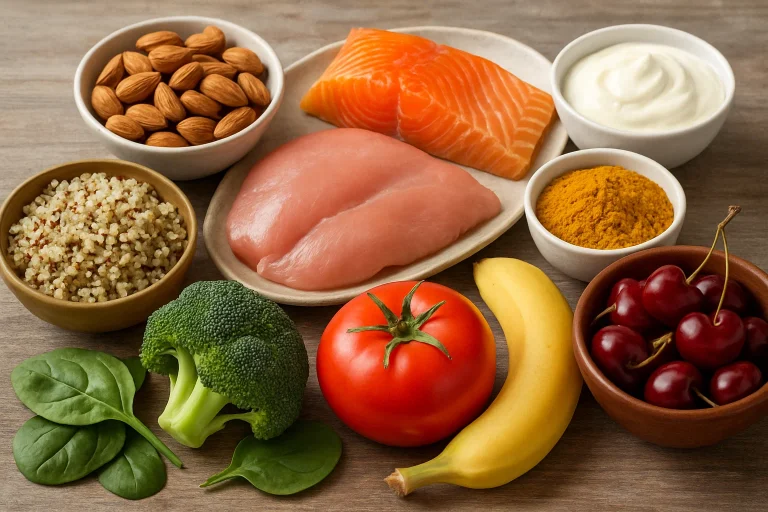
Breastfeeding is a very personal and often difficult experience for a new mother. Even though milk is a beautiful way to connect with your baby and provide them with essential nutrients, it’s a common concern. The good news is that a healthy, balanced diet for breastfeeding mothers can make a big difference, helping you recover from childbirth and giving your child a great start in life. A healthy diet is the cornerstone of a successful and satisfying breastfeeding experience, even though milk production largely operates on a supply-and-demand basis; the more the baby feeds, the more milk you produce.
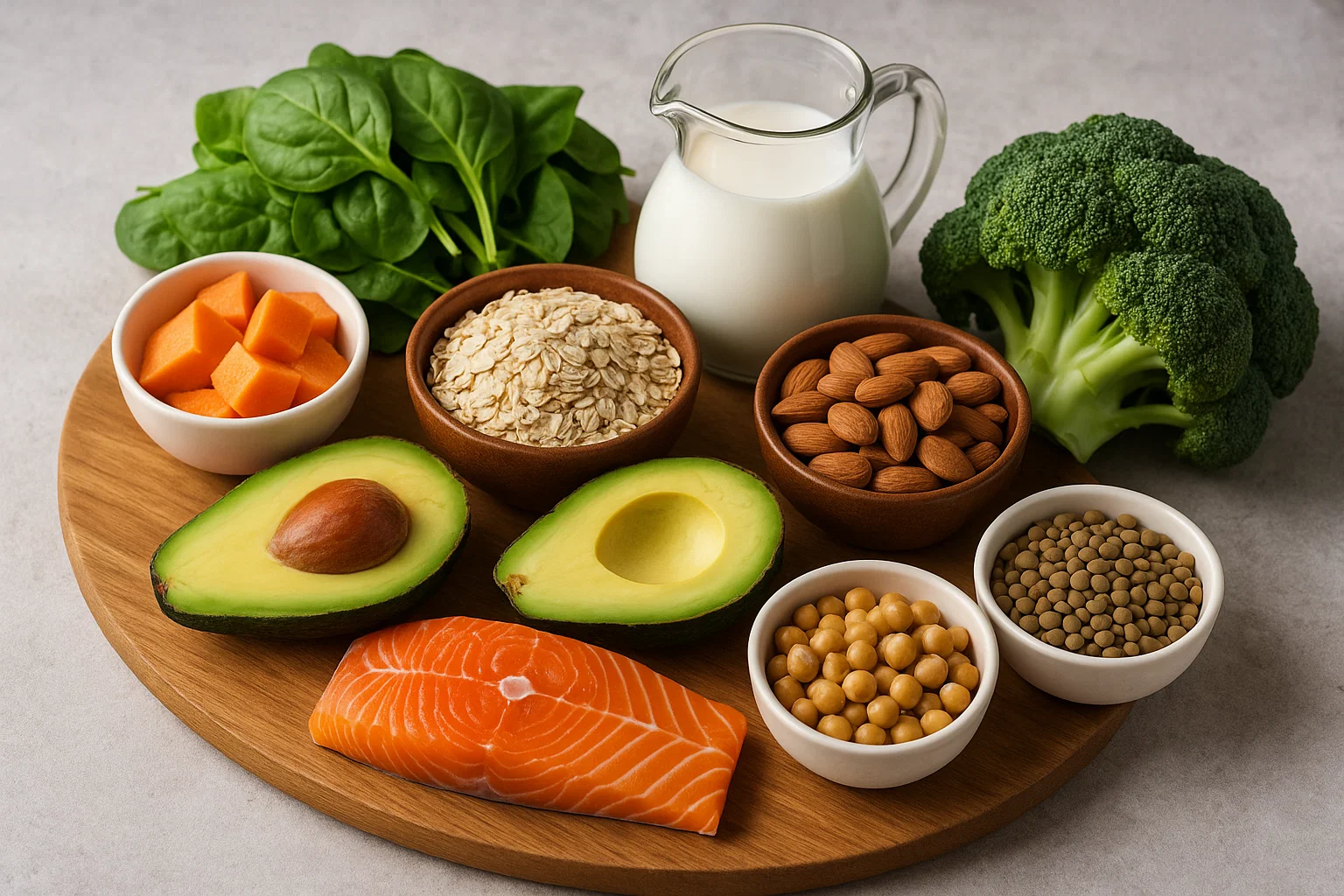
A variety of traditional foods, commonly referred to as galactagogues, have been used for centuries to promote lactation. While no single food works like magic, these nutrient-rich options can provide valuable benefits for both mother and baby. Some of the foods to increase breast milk that can be included in your diet are as follows:
Fenugreek Seeds: This is a popular solution for boosting milk supply. Phytoestrogens, which are compounds derived from plants and have the ability to stimulate the milk glands, are abundant in fenugreek seeds.
Fennel Seeds: Fennel seeds, which are often taken after meals, aid in digestion and are believed to increase milk production. They are believed to help reduce colic and gas in babies.
Oats: An excellent source of iron, essential for avoiding postpartum anemia. Oats are simple to cook and can be enjoyed as a filling porridge in the morning.\
Green Leafy Vegetables: Spinach, fenugreek leaves, and dill are rich in calcium, iron, and folate. These nutrients are crucial for a nursing mother’s healing and for supplying necessary vitamins to the infant.
Cumin Seeds: An essential component in Indian cooking, cumin seeds are commonly used to enhance milk production and assist digestion.
Lentils and Legumes: Beans, chickpeas, and different dals (lentils) are outstanding sources of protein, fiber, and iron. These nutrients are vital for a breastfeeding mother’s energy and for the infant’s development.
Garlic: Known for its health benefits, garlic is often recommended to boost lactation. A little garlic incorporated into your dishes can be beneficial, but pay attention to how much you use, as it can subtly change the flavor of your breast milk.
Ghee and Healthy Fats: Healthy fats that are essential for the mother’s energy levels are provided by a moderate amount of ghee. Additionally, these fats improve the quality of breast milk, which is crucial for the development of the baby’s brain.
Dry Fruits and Nuts: Almonds, cashews, and walnuts make great snacks for new mothers. They are rich in calcium, iron, healthy fats, and protein, all of which support milk production.
Carrots and Beetroots: These vibrant root vegetables are high in iron and beta-carotene. You can add these vegetables to your diet in the form of juices or stir-fries.
Tips To Boost Milk Supply
Although a healthy diet is crucial, lifestyle decisions can affect the amount of milk produced. By developing a few simple habits, you can significantly increase and maintain your supply.
Stay Hydrated: Since the main ingredient in breast milk is water, it is imperative that you stay hydrated. Keep a water bottle with you at all times and try to consume 8 to 10 glasses of water each day. Herbal teas and natural juices can also be included in your fluid intake, in addition to water.
Prioritize Rest: Lack of sleep and stress can negatively impact your ability to produce milk. Although it may be difficult, try to rest whenever your child is sleeping. Never hesitate to ask friends and family for help with daily tasks.
Eat Frequently: Instead of eating three large meals a day, choose smaller, more frequent meals and snacks throughout the day. This keeps your energy levels steady and gives your body a steady flow of nutrients, which supports regular milk production.
Encourage Frequent Feeding: The most effective way to boost milk supply is to breastfeed or pump often. The more you empty your breasts, the more your body is signaled to produce milk.
Manage Stress: Elevated stress levels can interfere with the hormones responsible for milk production. Find small ways to relax and de-stress, whether it’s a short walk, a warm bath, or simply a few minutes of quiet time.
How a Diet for Breastfeeding Helps in Promoting Milk Production
A breastfeeding mom’s diet doesn’t just nourish her; it directly fuels the production of breast milk. The body requires extra calories, approximately 300 to 500 more per day, to produce milk without depleting the mother’s own nutrient stores. A balanced diet for breastfeeding mothers ensures that these calories come from a variety of sources, providing the right mix of macronutrients (carbohydrates, proteins, and fats) and micronutrients (vitamins and minerals).
Proteins are the building blocks for your baby’s growth, while healthy fats are essential for brain development. Carbohydrates provide the necessary energy to get through the day, especially with the demands of a newborn. While the foods listed above are known as galactagogues, they work best when combined with regular and frequent milk removal. The nutritional content of your diet ensures that your body has everything it needs to respond to the supply-and-demand signals, producing milk that is both abundant and rich in nutrients.
Foods You Should Avoid While Breastfeeding?
Some foods can be better eaten in moderation, but the majority are safe to eat. It’s important to remember that every baby is different, and you can observe how they react to different foods.
Caffeine: Limit your intake of strong tea, coffee, and soda. An excessive amount of caffeine might disrupt your baby’s sleep and make them fussy and irritable.
Alcohol: It is best to avoid alcohol altogether. If you choose to have a drink, wait at least a few hours before breastfeeding or pumping to allow the alcohol to clear your system.
High-Mercury Fish: High levels of mercury detected in certain fish, such as king mackerel, swordfish, and shark, can enter breast milk. Choose fish with low mercury levels, like trout and salmon, as they are great sources of healthy fats.
Allergens and Irritants: In rare cases, some foods might cause a reaction in your baby. The most common trigger is cow’s milk protein. If your baby shows signs like fussiness, rashes, or excessive gas after you consume particular foods, try removing those items from your diet for a few days to see if their symptoms improve.
When to Consult a Nutritionist
A nutritionist for breastfeeding mothers can provide crucial support if you have a specific health concern or are worried about your milk supply. Seeking advice from a certified nutritionist is recommended if:
- You worry about your milk supply even after following all the advice.
- You follow particular dietary guidelines (e.g., vegetarian, vegan) that require thoughtful meal preparation to make sure you receive all essential nutrients.
- You require a customized diet plan because of a pre-existing medical condition, such as diabetes or a thyroid issue.
- You seek help from a nutritionist for postpartum for a tailored meal plan to aid your postpartum recovery and achieve your weight management goals safely and effectively.
Common Questions New Moms Have
Does eating more help me lose weight?
Breastfeeding does burn calories, but that doesn’t mean you can eat anything. A balanced diet will give you energy and help you shed pregnancy weight gradually and healthily.
Should I avoid spicy foods?
It’s a myth that spicy food will always bother your baby. Most babies are fine with it. Pay attention to your baby’s reaction, and if you notice a correlation, you can simply reduce the spice level for a few weeks.
Is it true that soft breasts mean no milk?
No, this is a misconception. Breasts tend to feel softer and less full a few weeks into the breastfeeding journey as your supply regulates. Your body is just getting more efficient at producing milk.
How does my diet affect my baby’s digestion?
While some foods may cause gas in your baby, they are not a common cause of fussiness. Most digestive issues are a normal part of a baby’s developing system.
Can a breastfeeding diet help with postpartum recovery?
Absolutely. A diet high in protein, iron, and healthy fats is essential for postpartum recovery, strength restoration, and fatigue management.
Motherhood is an amazing journey, full of unique joys and challenges. You and your child can have a smooth and satisfying breastfeeding experience if you prioritize rest, maintain proper hydration, and concentrate on eating a healthy, balanced diet. Remember, every mother and child is different, and what works well for one may not be right for another. Our nutritionist for breastfeeding at Qua Nutrition can design a personalized diet plan to support you through this special phase. The first step to being confident, happy, and healthy is eating a healthy diet. Your health is just as important as that of your child. Let Qua Nutrition assist you in choosing the right diet plan that supports milk production and postpartum recovery. Contact us now to book an appointment.
FAQ
Q: Which Foods Help Increase Breast Milk Supply?
Fenugreek seeds, fennel, oats, leafy greens, lentils, garlic, cumin, nuts, and healthy fats like ghee are known to support lactation.
Q: How Does Diet Affect Breast Milk Quality And Quantity?
A balanced diet provides the extra calories and nutrients needed for milk production, helping ensure your baby receives rich, nourishing milk.
Q: Are There Foods I Should Avoid While Breastfeeding?
Limit caffeine, alcohol, and high-mercury fish. Watch for allergens like cow’s milk if your baby shows signs of discomfort or fussiness.
Q: Can Lifestyle Habits Impact Milk Supply?
Yes. Staying hydrated, resting well, eating frequent meals, and breastfeeding or pumping often all help maintain and boost milk production.
Q: When Should I Consult A Nutritionist?
Seek expert guidance if you’re concerned about supply, follow a special diet, have a medical condition, or want a personalized postpartum recovery plan.
Author

Get Free Nutrition Consultation
Talk to our experts and get personalized guidance for your health goals.