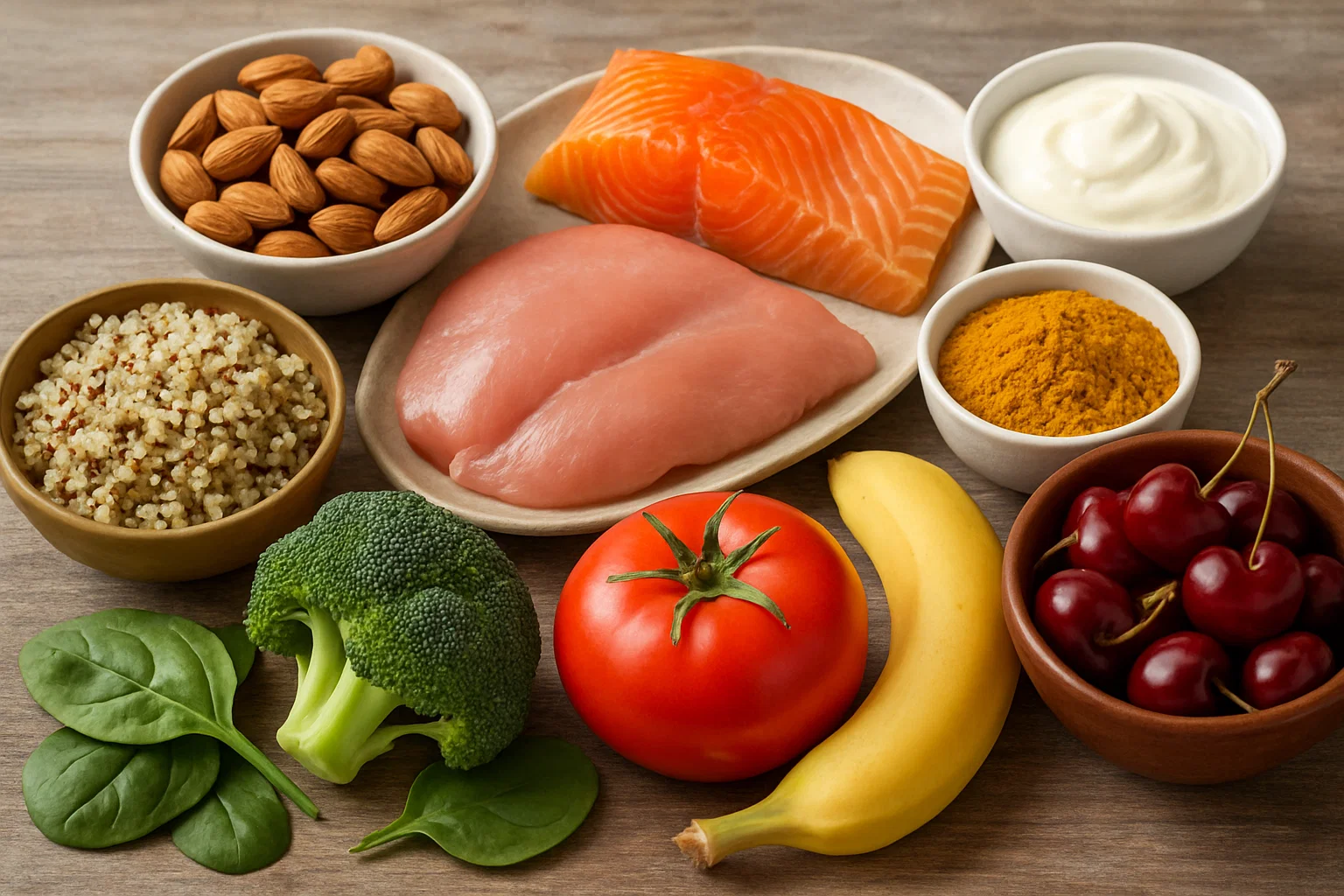
Muscles getting sore after a workout is not something new. But that should never let you down and keep you strained for days. Having the right food can help you avoid soreness in your muscles. But, do you know what food you should consume for sore muscles?
This blog is an attempt at understanding the right foods that should help you address sore muscles.
Understanding Muscle Soreness and Recovery
When you exercise or put your muscles through an intense or unfamiliar activity, the muscle experiences microscopic tears. This process is not evil. It is necessary to build your muscles. However, it triggers inflammation in your body.
This inflammation is what causes the tender, achy sensation known as delayed onset muscle soreness (DOMS). This would typically peak 24-72 hours after exercise. The recovery process involves several key factors. These include repairing damaged muscle tissue, replenishing energy stores, reducing inflammation, and restoring fluid balance.
During this recovery process, your body requires proper nutrition. With no adequate nutrition, your muscle recovery will take considerably longer. You may also experience the soreness increase further.
Key Nutrients That Help Muscle Recovery
Having understood what helps you in muscle recovery, it should now be ideal to look into the key nutrients that can be helpful in effective muscle recovery.
Protein and Amino acids
Protein is considered to be the cornerstone for muscle recovery. It consists of amino acids that help your muscles to repair and build themselves. Your body cannot produce essential amino acids, and thus you need to supply them through food. Research suggests that consuming 20-40 grams of high-quality protein within two hours of exercising can optimise muscle recovery.
Anti-inflammatory Compounds
Foods rich in antioxidants and anti-inflammatory compounds can help manage this response. Antioxidants neutralise free radicals produced during intense exercise. Otherwise, you may end up finding your muscles further damaged and thus further increase the inflammation.
Carbohydrates for Energy Replenishment
The muscles use up carbs stored in your body. These should be replenished soon. Consuming carbohydrates triggers insulin release, which helps shuttle nutrients into muscle cells and kickstarts the recovery process.
Electrolytes and Minerals
Exercises can cause your body to lose electrolytes. These include sodium, potassium, and magnesium. These minerals are crucial for muscle contraction, nerve function, and fluid balance. Imbalances can lead to muscle cramps, fatigue, and impaired recovery.
Best Foods for Sore Muscles
Well, after finding what nutrients you need, it should not be difficult to see what foods you should have for sore muscles. However, the following guide should be helpful for you in making the right choice.
Fatty fish
The fatty fish is a good choice as a rich source of omega-3 fatty acids. Salmon, mackerel, sardines, and other cold-water fish are a few great options for the best fatty fish. These fats have potent anti-inflammatory properties and can significantly reduce muscle soreness after exercise.
Berries
We discussed the antioxidants when looking for nutrients for muscle recovery. Berries are a natural and perfect source of antioxidants and anthocyanins. Blueberries, strawberries, blackberries, and other berries are a few excellent options for a rich source of antioxidants.
Eggs
Eggs are a gold standard for protein. They consist of all essential amino acids in optimal proportions. One egg provides about 500 mg of leucine, contributing significantly to the 700-3,000 mg recommended for optimal muscle building.
Leafy greens
The leafy greens are a powerful source of multiple nutritional compounds. They’re rich in magnesium, which is essential for muscle function and can help reduce cramping and soreness. These greens improve blood circulation and enhance oxygen delivery.
Turmeric
Turmeric contains curcumin, a powerful anti-inflammatory compound that has shown remarkable effects on muscle recovery. Studies in elite athletes demonstrate that curcumin supplementation can reduce muscle soreness, lower inflammatory markers in the blood, and speed recovery between training sessions.
Onions
Onions have been observed to reduce the arthritis symptoms in mice. It should help you reduce the inflammation. Latest studies have proved their ability to help you address muscle recovery more effectively.
Post-Workout Meal Ideas
Well, several meal ideas should provide you with exceptional muscle recovery.
Let us check out a few meal ideas that should be practical.
Quick Recovery Snacks
These snacks should be taken within 30 to 60 minutes after your exercise. Some good options that you would find practical include
- Greek yoghurt with berries and a drizzle of honey
- Chocolate milk (provides both whey and casein proteins plus carbs)
- Banana with almond butter
- Protein smoothie with tart cherry juice, spinach, and banana
- Hard-boiled eggs with a piece of fruit
Complete recovery
If you are looking for a complete recovery, dietitians and nutritionists recommend consuming these foods within two hours.
The following options are pretty helpful for long-term muscle recovery
- Grilled salmon with roasted sweet potato and steamed broccoli
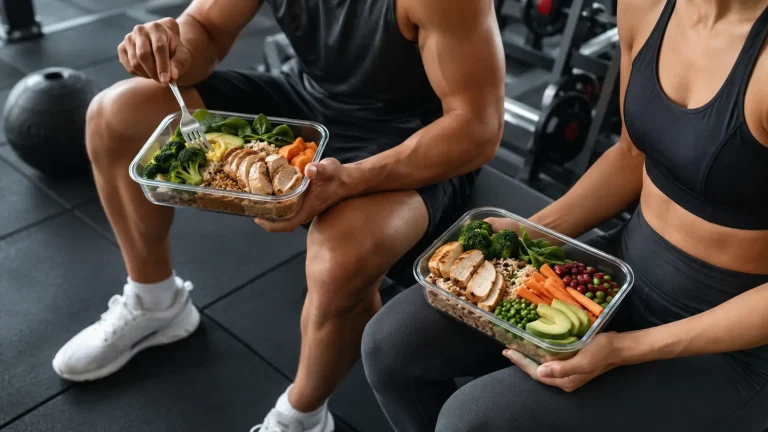
- Quinoa bowl with grilled chicken, mixed vegetables, and avocado
- Omelette with spinach and mushrooms, served with whole-grain toast
- Turkey and hummus wrap with mixed greens and vegetables
- Tuna salad with mixed greens, chickpeas, and olive oil dressing
Foods and Habits to Avoid
At Qua Nutrition, our nutritionists recommend avoiding a few foods if you want complete muscle recovery and not aggravate the soreness in your muscles.
Processed and Fried Foods
Highly processed foods and those high in saturated fats can actually increase inflammation in the body. This can be counterproductive to your healing process. These foods do not have any nutrition. Instead, they prolong the soreness.
Excessive Added Sugar
Carbs are suitable for your body and muscle recovery. However, excessive sugar can cause a rapid spike in your blood sugar levels. This can interfere with the steady nutrient delivery your muscles need for optimal recovery.
Skipping Meals
Perhaps the biggest mistake you can make for muscle recovery is simply not eating enough or skipping the post-workout meal entirely. Your body needs consistent fuel to carry out repair processes, and depriving it of nutrients during the critical recovery window can significantly slow healing.
Additional Recovery Tips
Apart from the food, there are several tips that you should follow. They should help you in a better recovery.
- Timing matters – You should consume the carbs and proteins within two hours of the exercise. This will help optimise the recovery process.
- Hydration is the key – Proper hydration helps in proper nutrient absorption and removal of waste materials. It can also help maintain the blood volume.
- Sleep – Sleep does play a significant role in muscle recovery. The body produces growth hormone when you sleep. Aim for 7 to 9 hours of sleep.
When to See a Professional?
There are a few key signs that would necessitate a visit to a professional.
- Persistent soreness – Some muscle soreness is common, but if it is persistent, that may be a serious concern. This could indicate injury rather than normal exercise-induced muscle damage.
- Nutritional guidance – If you have specific dietary deficiencies or restrictions, we recommend consulting a nutritionist for muscle gain for help. At Qua Nutrition, we have experts who offer you the best possible experience.
- Supplement Considerations – Supplements may be a good source of nutrients. However, supplements can interact with medications and aren’t regulated for quality and safety like medications are. Our experts at Qua Nutrition help you find the right supplements.
Eat Right Food For Proper Recovery
Recovering from muscle soreness need not be a challenging task. Follow the proper diet and nutrition. You can help your muscles heal quickly. Combine good food choices with adequate hydration, quality sleep, and appropriate rest. You’ll find yourself bouncing back from challenging workouts faster and feeling stronger than ever.
At Qua Nutrition, we understand that every individual’s nutritional needs are unique. It is more so when it comes to supporting athletic performance and recovery. Our team of experienced nutritionists can help you develop a personalised diet plan. These plans support muscle recovery, in tune with your specific health goals and lifestyle needs. Contact us today!
FAQs
Q: What Should You Eat Soon After A Workout?
A: Greek yoghurt with berries, chocolate milk, or a banana with almond butter are excellent options that provide the nutrients to your muscles.
Q: How Much Protein Do You Need For Optimal Recovery?
A: You should consume 20-40 grams of high-quality protein within two hours of exercise for optimal muscle recovery. Your daily protein needs will be higher, typically 1.4-2.0 grams per kilogram of body weight for active individuals.
Q: Can Any Food Make Muscle Soreness Worse?
A: Foods high in added sugars, highly processed foods, fried foods, and excessive alcohol can increase inflammation in your body and potentially worsen muscle soreness.
Q: Are Supplements Necessary For Muscle Recovery?
A: Supplements are necessary only when your regular food does not provide enough nutrients. Choosing a planned diet will help avoid the use of supplements.
Q: Can Hydration Alone Speed Up Muscle Recovery?
A: No. Hydration helps in nutrient delivery and waste removal. But, it isn’t the sole means to assist in reducing muscle recovery.