Fatty liver disease, or hepatic steatosis, is highly prevalent due to today’s sedentary lifestyle, poor dietary choices, and increasing obesity/diabetes. It occurs when too much fat accumulates in your liver, impairing the organ’s function. Fatty liver is often silent in early presentations, but left unattended can lead to inflammation and fibrosis and eventually progress into cirrhosis.
The good news? Food can be your medicine. With dietary alterations, fatty liver can not only be managed but also more commonly reversed. This blog will review some of the best foods for fatty liver disease, substantiated by studies, with examples that you and your loved ones can initiate for superior nutrition.
Understanding Fatty Liver Disease
There are two main forms of fatty liver disease:
Non-Alcoholic Fatty Liver Disease, or NAFLD:
This is attributed to inappropriate dietary choices, obesity, insulin resistance, and a lack of physical activity. It is not associated with alcohol consumption.
Alcohol-Related Fatty Liver Disease, or AFLD:
As the name indicates, this is attributed to heavy alcohol intake that results in fat accumulation in liver cells.
Regardless of the type, diet is critical for reducing fat accumulation, protecting the liver, and promoting health in general.
Why Food Matters for Fatty Liver
The liver plays a key role in metabolism. Once fat builds up in the liver, it will eventually become unable to handle toxins, hormones, and nutrients. There are specific foods that can help lower liver fat, improve insulin sensitivity, reduce inflammation, and stimulate the regeneration of liver cells.
Research shows that a weight loss of 7–10%, through diet and exercise, can significantly improve outcomes in fatty liver (American Liver Foundation).
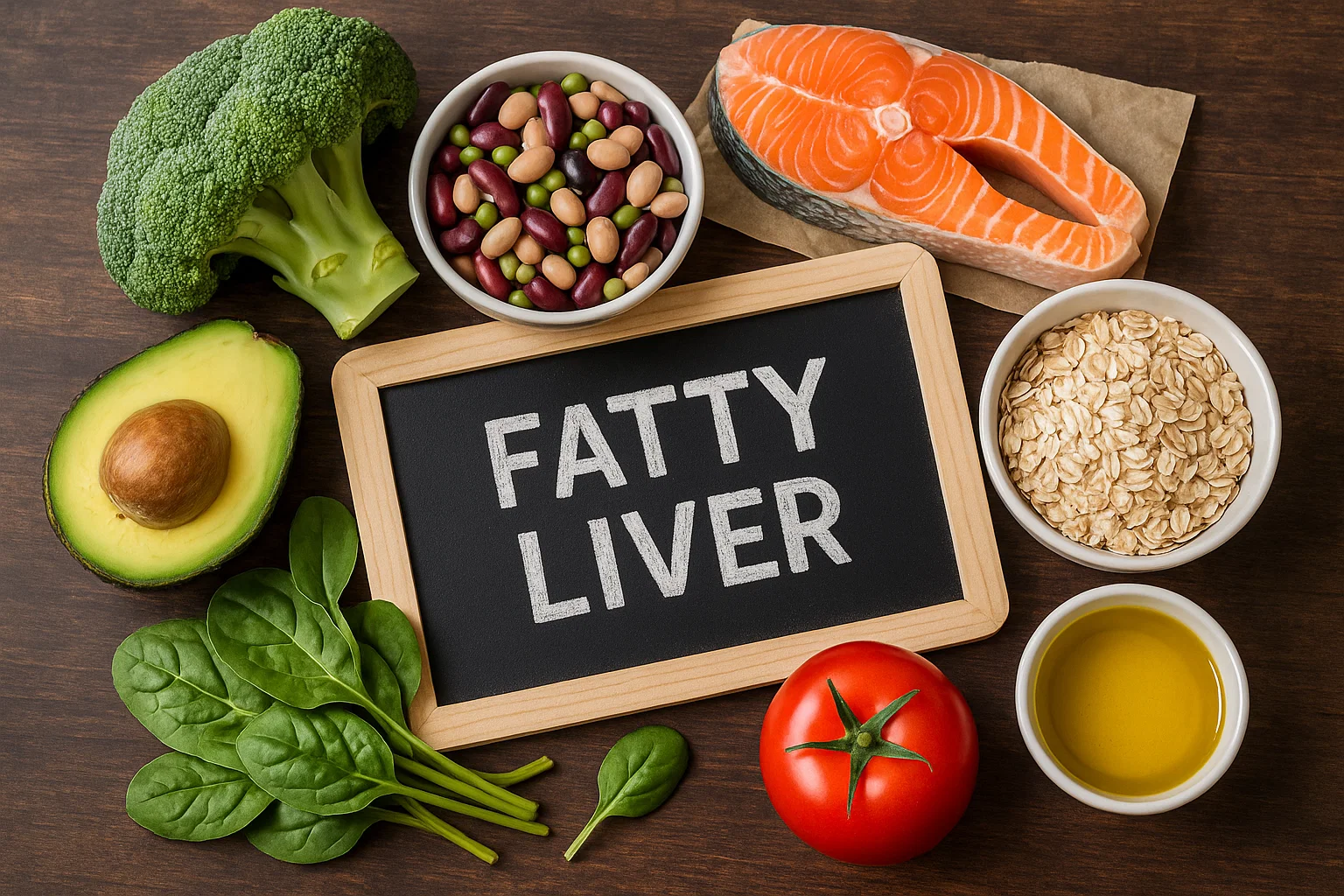
Best Foods to Eat for Fatty Liver
Let’s discuss the foods that research suggests can help with the health of the liver.
Fatty Fish (Omega-3-rich Foods)
- Reasons: Fatty fish such as salmon, sardines, mackerel, and tuna are rich in omega-3 fatty acids, which can reduce liver fat and liver inflammation. Omega-3 fatty acids help reduce triglycerides and improve insulin sensitivity as well.
- Research: Research has shown that omega-3 supplementation reduces liver fat in people with NAFLD.
- Tip: Try to eat fatty fish 2-3 times a week, or if you’re vegetarian, consider flaxseeds, chia seeds, or walnuts as an alternative.
Leafy Greens and Cruciferous Vegetables
- E.g. Spinach, kale, broccoli, cauliflower, and Brussels sprouts.
- Why it helps: Leafy greens are high in antioxidant nutrients and fiber, which both support liver detoxification and mitigate oxidative stress. Cruciferous vegetables are sources of sulforaphane, which prevents damage to liver cells.
- Tip: Include spinach in smoothies, broccoli in stir-fries, or kale as the base for a salad.
Whole Grains
- Examples: oats, quinoa, brown rice, whole wheat, barley
- Why it helps: Whole grains are a source of fiber, improve insulin sensitivity, aid weight management, and reduce fat accumulation in the liver
- Scientific evidence: Low glycemic index foods can stop sugar surges and reduce fat accumulation in the liver.
Coffee (Seriously!)
- Why it helps: Coffee is rich in antioxidants, primarily chlorogenic acid, which reduces inflammation and prevents progression of liver scarring (fibrosis). Consuming coffee has been connected to reduced risk of liver disease progression.
- Tip: Consider limiting your consumption to 2–3 cups per day, black or with minimal sugar.
Olive Oil
- Why it works: Olive oil contains beneficial monounsaturated fats that promote healthy liver enzyme levels, reduce hepatic fat deposition, and promote heart health.
- Science: A Mediterranean-style diet high in olive oil has been shown to reduce liver fat.
- Tip: Use cold-pressed olive oil for salad dressings or for light cooking.
Green Tea
- Why it helps: Green tea has a high catechin content that lowers liver fat by protecting against oxidative stress.
- Scientific evidence: Some studies suggest green tea extract could decrease body fat percentage and liver fat.
- Tip: 2 to 3 cups per day is optimal (and do not take too many supplements unless prescribed).
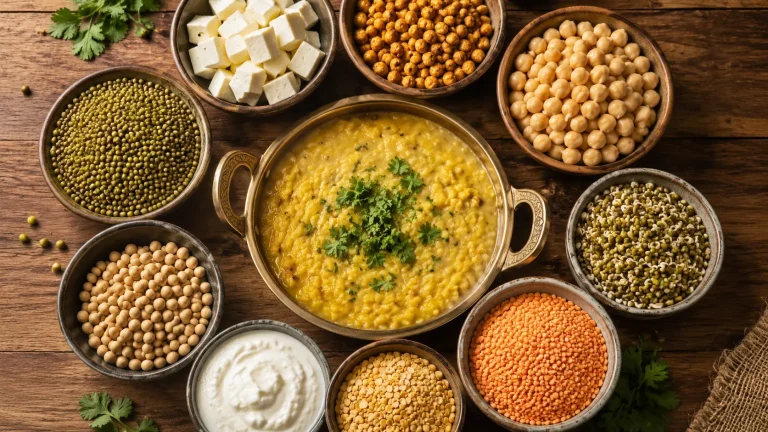
Legumes/Beans
- Examples: Lentils, chickpeas, black beans, kidney beans.
- What makes it beneficial: Full of fiber and plant-based protein, they will help stabilize blood sugar and lower fat storage.
- Tip: Add them to soups, curries, or salads!
Nuts
- Examples: Almonds, walnuts, and pistachios.
- Why it works: Nuts are full of healthy fats, antioxidants, and vitamin E, all of which may help improve liver enzymes and lower inflammation.
- Scientific evidence: Walnuts, in particular, may aid liver function in patients with NAFLD (nonalcoholic fatty liver disease).
- Recommendation: Snack on a small handful each day.
Low-Fat Dairy
- Examples: Skim milk products, Greek yogurt, cottage cheese
- Why: Dairy is high in protein and gut-healing probiotics, which lower insulin resistance.
- Tip: Choose low-fat and unsweetened.
Berries
- Examples: Blueberries, strawberries, raspberries.
- Why it helps: Berries are rich in antioxidants known as polyphenols, which help reduce oxidative stress and inflammation in the liver.
- Tip: Add berries to oatmeal or smoothies, or eat them as snacks.
Garlic and Onion
- Why it works: These contain sulfur compounds found in some amino acids that activate liver enzymes for detoxification. Garlic may also aid in fat reduction.
- Tip: Try using fresh garlic in your recipes rather than taking supplements.
Avocado
- Reason: A source of healthy fats, vitamin E, and glutathione that protect the liver.
- Scientific evidence: It is beneficial for the liver due to its anti-inflammatory properties.
- Tip: Add to salads, toast, and smoothies.
Turmeric (Curcumin)
- Why it helps: Curcumin—the active component of turmeric—is a potent anti-inflammatory and antioxidant. It helps reduce fat accumulation and fibrosis in the liver.
- Tip: Use it in curries, golden milk, or as a supplement if appropriate.
Foods to Limit or Avoid
It’s important to avoid unhealthy foods, just as it’s important to include healthy foods:
- Sweet drinks (soda, packaged juices)
- Refined carbohydrates (white bread, pastries)
- Fried foods and trans fats
- Processed meats
- Too much alcohol
Lifestyle Recommendations in Addition to Nutrition
- Engage in physical activity consistently (150 minutes of moderate activity per week).
- Stay hydrated.
- Ensure 7–8 hours of restful sleep each night.
- Work on stress management, as high cortisol can negatively impact fat accumulation.
Why Expert Advice Is Essential
Each individual is unique when it comes to their body and liver health. QUA Nutrition develops tailored nutrition plans for you, based on your medical history and your genetics, and your lifestyle. How does QUA nutrition assist you in managing fatty liver disease? We offer:
- Tailored diet for fatty liver, specifically for decreasing liver fat and improving overall health.
- Manipulate/optimize your micronutrients so your liver receives essential vitamins and minerals.
- Science-based recommendations regarding supplementation (in cases where omega-3s or probiotics, for example, are appropriate).
- Continued oversight and recommendations regarding the solid assessment of dietary changes as your liver health improves.
At QUA Nutrition, nutritionists for fatty liver offer diet recommendations based not only on science but also on expertise to help support the natural healing of your liver. Not a one-size-fits-all diet plan.
Your Path to Reversing Fatty Liver Starts Here With QUA Nutrition
Fatty liver disease is a lifestyle disease, but it can be reversed and treated with changes in your diet. Some of the healthiest foods for your liver consist of fatty fish, greens, whole grains, nuts, coffee, and olive oil, as long as sugar and processed food are consumed less frequently. Take control of your liver health. Start making small, sustainable changes today and give your body the nourishment it deserves. Contact us today! Small changes today can prevent big tragedies tomorrow.
FAQs
Q: Is Fatty Liver Reversible With Diet?
A: Yes, an individual can manage and reverse fatty liver disease (NAFLD) applicable to the first stage of the disease, by making dietary changes and exercising.
Q: Are Eggs Bad For Fatty Liver?
A: Eggs are acceptable in moderation. They contain protein, but caution should be taken regarding the yolk! It’s best to limit eggs if cholesterol is a concern.
Q: How Long Does It Take To Reverse Fatty Liver With Diet?
A: Most people will see improvement fairly quickly (3-6 months) if they consistently change their lifestyle, but it could take longer to reverse the symptoms of fatty liver.
Q: Is Intermittent Fasting Good For Fatty Liver?
A: Intermittent fasting is suggested by some studies to reduce liver fat and improve insulin sensitivity. It is wise to do so under the supervision of a professional.
Q: Do I Need Supplements For Fatty Liver?
A: Not always necessary (many people do quite well with food alone), but some people manage many of the same conditions with omega-3s, vitamin E, or probiotics.