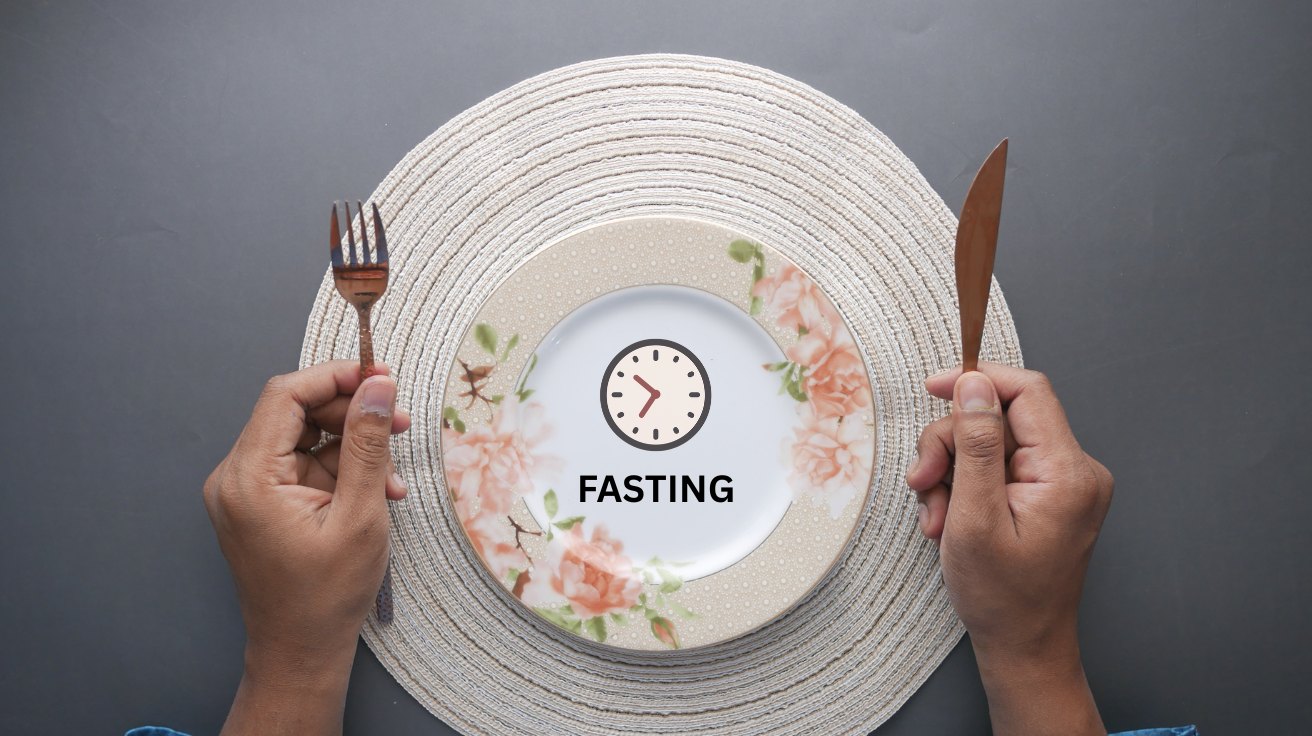
Ever skip breakfast after a big dinner and think, “Maybe this is actually helping me lose weight?”
Or perhaps you’ve heard from friends, “I dropped 7 kilos just by eating between noon and 8 pm!”
Intermittent fasting (IF) is one of the biggest nutrition trends in the world. It seems like everyone from celebrities and athletes to working professionals is trying it out.
But here’s the catch:
Does intermittent fasting work for Indians?
Can a lifestyle that is often filled with chai, family dinners, festivals, midnight snacks, and carb-heavy meals fit into an intermittent fasting routine?
Yes, but not everyone and not in the same way.
Let’s dive into the science of intermittent fasting, its benefits, risks and if it really fits into Indian lifestyles.
What is Intermittent Fasting?
Intermittent fasting refers to how long someone eats and how long someone doesn’t. In layman’s terms, intermittent fasting refers to eating and not eating over a period of time. Common methods of intermittent fasting are:
16:8 : You fast for 16 hours and eat for an 8-hour window (12 PM to 8 PM).
This is the most typical way that Indians approach intermittent fasting.
14:10: You fast for 14 hours and eat for 10 hours.
This is an excellent intermediate step for most people and is a good solution for people with busy schedules.
5:2 Diet: You eat in a traditional manner for 5 days and restrict calorie intake to fewer than 500 or 600 during the remaining 2 days.
Alternate-Day Fasting: You eat normally on the first day and have either a complete fast or consume a very small number of calories on the following day (less than about 300 kcals). This is the most difficult to adhere to.
Why Has Intermittent Fasting Become So Popular?
Since so many people find that it is easier to omit a meal instead of constantly keeping track of how much you eat.
No need to
- Obsessively count calories
- Attempting to spend a lot of money on supplements
- Make different foods for separate meals
- Eliminate Indian-type foods from my diet
However, just because it is popular, it does not make it true; let us see if this holds true by looking at the research.
What Happens to Your Body During Fasting?
Glucose is the main source of energy your body uses when you are eating. While you are fasting:
Insulin Levels Decrease: When you lower your insulin levels, your body can more easily tap into its stored fat. A number of studies show that intermittent fasting improves insulin sensitivity in overweight people.
Increased Fat Burning: When glycogen stores in your body are depleted, your body will begin to use fat for fuel through a process called “metabolic switching.”
Cellular Repair and Autophagy: Fasting may activate autophagy, your body’s natural way of cleaning up damaged cells and proteins. Autophagy has been shown to promote healthy aging and prevent disease in laboratory research.
Hormonal Changes: Fasting can help to raise:
- Hormone Growth
- Fat Oxidation
- Metabolic Flexibility
These improvements can be used to help with fat loss and maintain lean muscle mass.
Does Intermittent Fasting Actually Help With Weight Loss?
Sure, there isn’t anything magical about it. The primary cause intermittent fasting works is. Typically people tend to eat fewer calories on a routine basis.
According to a systematic review conducted by the New England Journal of Medicine, intermittent fasting can:
- Decreased body weight
- Increased insulin sensitivity
- Decreased abdominal fat
- Improve metabolism health markers
However:
Intermittent fasting is not necessarily better than traditional calorie restriction. The main factor influencing weight loss with both types of protocols is consistency.
If you are on a 16-hour fast, you can still eat:
- Fried snacks
- Sugar-laden chai or other sweetened beverages multiple times during your eating windows
- Excessive amounts of sweets
- Ultra-processed foods
Therefore, you will have difficulty losing weight.
Does Intermittent Fasting Work for Indians?
Here’s where the fun really begins! Indian cuisine is quite different. Our typical meals have:
- Rice
- Flat breads
- Legumes
- Sauces
- Curries
- Snacks
- Tea with sugar
- Traditional foods
- Eating late!
Fortunately, intermittent fasting can definitely be done by Indian people. If we adapt it properly. The hard part is not the act of fasting. The difficult part is ensuring that you get enough nutrients when breaking your fast.
The Biggest Mistake Indians Make
The common assumption is: “I missed breakfast today; I can eat anything I want afterwards.” Then you have all this:
Much more rice,
Fried snacks,
Sweets,
Sweet tea,
A large dinner
This completely misses the point of what you’re trying to achieve.
Intermittent fasting is not an excuse to pig out. You should still be conscious of the quality of food you are consuming.
What Should Indians Eat During Intermittent Fasting?
Your meals should include:
Protein
Protein helps:
- Preserve muscle mass
- Increase satiety
- Improve recovery
- Prevent overeating
Include:
- Eggs
- Paneer
- Fish
- Chicken
- Greek yogurt
- Tofu
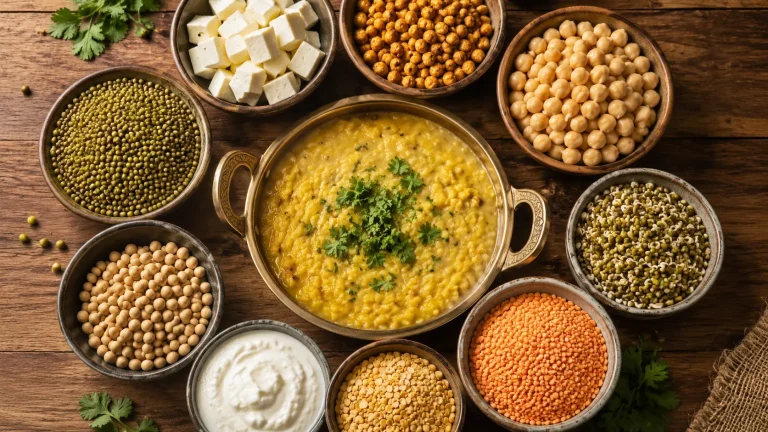
- Dal and legumes
Fibre
Fibre keeps you full and supports gut health.
Include:
- Vegetables
- Fruits
- Oats
- Chia seeds
- Beans
- Whole grains
Healthy Fats
Healthy fats slow digestion and improve satiety.
Choose:
- Nuts
- Seeds
- Avocado
- Olive oil
- Peanut butter
Complex Carbohydrates
Carbs are not your enemy.
Choose:
- Millets
- Brown rice
- Quinoa
- Whole wheat rotis
- Sweet potatoes
These provide sustained energy.
Is Skipping Breakfast Healthy?
Not all of the time. Having breakfast isn’t necessary. But neither is going without breakfast. If you’re going without breakfast, it creates:
- Severe hunger
- Headaches
- Difficulty concentrating
- Irritability
- Food cravings (in the form of excessive eating)
Then intermittent fasting probably isn’t for you. The best diet is the diet that works for you for the longest period of time!
Benefits of Intermittent Fasting
Beyond weight management, intermittent fasting also helps with several health issues. Here are the benefits of intermittent fasting:
- Reduce body fat and waist circumference through weight loss using intermittent fasting, which will also decrease the total amount of calories consumed.
- Studies have shown that intermittent fasting is associated with improvements in insulin sensitivity by lowering the amount of insulin produced while maintaining good glucose regulation, which helps to decrease the risk of developing conditions related to metabolic syndrome.
- Studies have shown that intermittent fasting is associated with improved metabolic health by reducing systolic and diastolic blood pressure, triglycerides, cholesterol levels, and inflammatory markers.
- Due to fewer meals, less preparation for meals, and the ability to eat whatever you like, many people prefer the way of eating associated with intermittent fasting, as it is less complicated than traditional diets.
- Although studies of humans are still in progress and there is no definitive evidence of longevity benefits from intermittent fasting, studies using animals indicate that fasting improves cellular repair, decreases oxidative damage, and promotes healthy aging.
Who Should Avoid Intermittent Fasting?
Intermittent fasting may not be an appropriate option for everyone. It’s important to avoid or speak to a health professional if you have experiencing the following:
Pregnant or nursing: You will have higher nutritional needs while in this phase
Underweight: Limiting your eating period may contribute to an already inadequate diet and additional nutritional deficiencies
Have a history of an eating disorder: Fasting can sometimes cause you to develop negative associations with food
Have diabetes: If you’re taking insulin, sulfonylureas, or oral medications to lower your sugar levels, it puts you at a greater risk for low blood sugar when fasting.
Teen and growing child: Your body requires regular and adequate nutrition, as well as regularity in your meal timing. Unless this is medically supervised, most forms of fasting are not recommended.
Does Intermittent Fasting Affect Muscle Mass?
Fear of losing muscle when losing weight is a common concern.
Here is the clarification:
Research shows that muscle loss during weight loss may not occur if:
- You have enough protein in your diet.
- You include strength workouts in your training regimen.
- You restrict calories moderately.
However, if you:
- Consume little to no protein.
- Do not participate in a strength training regimen.
- Do overly aggressive fasting, and you can lose muscle along with fat.
Intermittent Fasting for Women: Is It Different?
Agreed; hormonal differences create variability in how women respond.
- Fatigue
- Irregular menstrual cycles
- Mood swings
- Heightened cravings
Some will see better results when following an intermittent fasting regimen.
If you can adjust your approach, you may find success with a gentler approach:
- Using 12/12 or 14/10-hour intermittent fasting as a guide.
- Having a consistent meal schedule.
All of these approaches should help support the hormone and not create additional stress on it.
What is the Best Intermittent Fasting Schedule for Indians?
Choosing the right fasting window is crucial, and for Indians, it must align with traditional meal timings and lifestyle patterns.
14:10 Schedule
- Dinner: 8 PM
- Breakfast: 10 AM
Easy to maintain.
16:8 Schedule
- Lunch: 12 PM
- Dinner: 8 PM
Suitable for:
- Working professionals
- Individuals aiming for fat loss
- People are comfortable skipping breakfast
Avoid Extreme Fasting
Long fasts like:
- OMAD (One Meal A Day)
- 24-hour fasts
- Alternate day fasting
may increase:
- Hunger
- Nutrient deficiencies
- Fatigue
- Risk of overeating
The Truth: Intermittent Fasting Is Not a Shortcut
Most people have an expectation that fasting = weight loss. However, this is not the case because nutrition is not that simple! Other variables will affect your results, like:
- Quality of foods consumed
- Amount of proteins eaten daily
- Sleep
- Activity level
- Stress levels
- Consistency
Intermittent fasting can be a tool, but it is not magic or punishment, nor is it the only way to achieve better health.
How QUA Nutrition Helps You Follow Intermittent Fasting the Right Way
Every person has their own unique individual diet that will be right for them. Intermittent fasting might be successful for one individual while being unsuccessful for another.
That is the primary reason our nutrition specialists consider your:
- lifestyle
- work schedule
- travel schedule
- what you prefer to eat
- the way your family eats
- Your Medical history
- Diabetes
- PCOS
- Thyroid disorders
- gut health
- Your Body composition
At Qua Nutrition, we look at several measures of your body (including):
- body fat %
- lean muscle
- metabolic health
- Your Genetic and gut health information
With all this data, we develop a nutritional journey for you that is
- sustainable (you can continue with this journey for the rest of your life),
- based on science,
- tailored to YOUR needs, &
- focused on long-term health instead of short-term weight loss.
Whether or not you decide to use intermittent fasting, we are committed to helping you build a healthy lifelong relationship with food.
FAQs
Q: Is Intermittent Fasting Healthy for Indians?
A: The answer is yes! Healthy adults can safely use this method of eating provided they are following the proper guidelines. However, individuals with diabetes, pregnant or nursing women, or those who suffer from any medical condition should seek out a physician’s advice prior to initiating this eating plan.
Q: What Is The Ideal Intermittent Fasting Schedule for Indians?
A: For those looking for flexibility to continue eating the way they are accustomed, 14/10 and 16/8 fasting methods are the most convenient and workable options.
Q: Can I Drink Tea or Coffee When Intermittently Fasting?
A: The answer is yes! During the fasting period, you may drink black coffee, black tea, and green tea (without sugar or cream). Drinking sweetened beverages or beverages that contain cream will break your fast.
Q: Can I Have Rice While Intermittently Fasting?
A: Yes, you can have rice while you are intermittently fasting; your focus will be on when to eat, not on eliminating certain foods. Like all foods, make sure you monitor your food portion and add a protein and vegetable to make a healthy intermittent fasting meal.
Q: Is Intermittent Fasting Better Than Counting Calories?
A: Both methods can work well individually; therefore, whichever system consumes less of your time and promotes a healthy lifestyle will be your best option.