
University represents the most thrilling period of a person’s life. It is the time when students form everlasting relationships, begin their professional lives, and experience true independence. However, for those living in hostels, it becomes difficult to eat healthily.
As a dietitian, I have been approached by numerous college students, and most of them face the same issues when it comes to nutrition:
- Chronic tiredness
- Obesity and/or excessive weight loss
- Constant dyspepsia
- Poor focus in classes
- Insatiable appetite at night
- Pimples and dull complexion
- Weak immunity and frequent illnesses
It is interesting that these issues are not hostel problems. They are diet-related problems.
Here is the good news: there is no need to use fancy kitchen equipment or expensive organic foods to lead a healthy lifestyle.
Why Nutrition Matters More During College
Your brain and body are constantly working hard throughout college.
You go to classes, study for tests, play sports, run projects, spend time with others, and sometimes sleep as little as you can. All of this increases your body’s need for:
- Protein for growth and repair of muscles
- Complex carbohydrates for sustained energy
- Good fat for good brain functioning
- Vitamins and mineral for the immune system
- Fiber to digest food
- Water for concentration and performance
Research shows that eating a balanced diet with fruits, green vegetables, wholegrain foods, lean protein, and good fat is connected to good learning, improved mood, and lower chances of having some lifestyle diseases in the future.
Unfortunately, hostel eating practices might be completely different.
Common Nutrition Challenges Faced by Hostel Students
Many hostel-dwelling students encounter issues due to their environments and not necessarily the choices they make. Some issues often experienced by hostel students are:
1. Not Eating Breakfast
Being late for class means that many students don’t have time to eat breakfast and end up eating junk food or nothing.
Skipping breakfast can lead to an increase in hunger and the possibility of overeating during the day as well as loss in attentiveness and memory.
2. Eating Too Much Processed Food
Life in a hostel often means eating foods that are white bread, instant noodles, foods from bakeries, sugar drinks, and packed foodstuff.
The foods used have a high index of processed carbohydrates and are lacking in important nutrients.
3. Not Getting Enough Protein
Most of the food served in hostels is full of either rice or chapatti but is very low in protein. Low protein intake leads to: Increased level of hunger
- Poor recovery after workouts
- Hair loss due to lack of protein
- Wasting of muscles
- And less satiety achieved from eating.
4. Eating during the night
Studying late often comes along with unhealthy snacks, such as pizza, chocolate, chips, or instant noodles. Eating high-calorie foods during these night hours, day after day, will negatively affect metabolism, sleep quality, and energy levels.
5. Insufficient hydration
Dehydration is a common cause of confusion, with thirsty students thinking that they are hungry.
The Ideal Diet Plan for College Students Living in Hostels
A balanced diet at a hostel does not have to be too complicated. It is essential to include all the types of food at different times of the day.
Morning
- Drink 1-2 glasses of water
- Have 5-6 soaked almonds or walnuts
- Eat fresh fruits such as bananas, apples, oranges or guavas.
This helps rehydrate the body after a fast overnight and provides natural vitamins and healthy fats.
Breakfast
Do not skip breakfast.
Choose one of these combinations:
- Idli with sambhar
- Vegetable poha with nuts
- Upma mixed with vegetables
- Oats and milk with fruits
- Whole grain bread with peanut butter
- Boiled eggs with whole grain bread
- Dosa with chutney and sambhar
Tip: don’t forget to add a source of protein whenever possible!
Mid-Morning Snack
Opt for portable items. Options include:
- Fruit
- Buttermilk
- Plain yogurt
- Roasted legumes
- Mixed nuts
- Coconut water
These options help stave off hunger pangs until lunch time.
Lunch
An ideal balanced hostel lunch should consist of:
- Rice or roti
- Dal or rajma or chole
- Paneer, eggs, fish, or chicken (as applicable)
- Vegetable curry
- Salad
- Yogurt
This gives a combination of carbohydrates, proteins, fiber, and probiotics along with sufficient micronutrients.
Evening Snack
Instead of chips, opt for:
- Sprouts chat
- Roasted makhana
- Corn
- Fruit with peanut butter
- Hard-boiled eggs
- Greek yogurt
- Homemade sandwiches
These provide enough energy for the evening study sessions or workouts.
Dinner
Make sure dinner is healthy but not too heavy. Some great choices are:
- Vegetable dal
- Paneer with chapatti
- Rice with sambar
- Grilled chicken with vegetables
- Khichdi with curd
- Try to eat dinner at least two or three hours before sleeping.
Late night Study Snack
If you really feel hungry while studying, Choose:
- Milk
- Banana
- Fruit
- Nut mix
- Yogurt
- Roasted chana
- Steer clear of instant noodles, soda, or energy drinks.
Healthy Foods Every Hostel Student Should Always Keep
These require minimal preparation and are nutritious:
- Roasted chana
- Peanut butter
- Mixed nuts
- Seeds (pumpkin, sunflower, flaxseed)
- Protein-rich yogurt
- Fruits
- Oats
- Makhana
- Whole wheat bread
- Protein bars (occasionally)
- Boiled eggs
- Dry fruits
Keeping healthy options nearby makes better choices easier.
Smart Tips for Eating Healthy in Hostel
Prioritize protein. Try including protein in every meal. Examples:
- Eggs
- Dal
- Paneer
- Milk
- Yogurt
- Chicken
- Fish
- Soy products
Protein helps support muscle health, recovery, and satiety.
Fill Half Your Plate with Vegetables
Vegetables provide:
- Fiber
- Vitamins
- Minerals
- Antioxidants
These nutrients support immunity, digestion, and overall health.
Stay Hydrated
Aim for approximately 2–3 liters of water daily, adjusting based on climate, physical activity, and individual needs.
You can also include:
- Lemon water
- Coconut water
- Buttermilk
- Limit sugary beverages.
Don’t Fear Carbohydrates
Rice and chapati are not unhealthy. Choose appropriate portions and pair them with:
- Protein
- Vegetables
- Healthy fats
Balanced meals help maintain steady blood glucose and energy.
Limit Ultra-Processed Foods
Occasional treats are perfectly fine. But daily consumption of:
- Instant noodles
- Chips
- Sugary drinks
- Packaged desserts
- Fried fast foods
May increase excess calorie intake while providing relatively few nutrients. Aim for the 80:20 rule: eat nourishing foods most of the time while enjoying treats occasionally.
Budget-Friendly Healthy Eating Tips
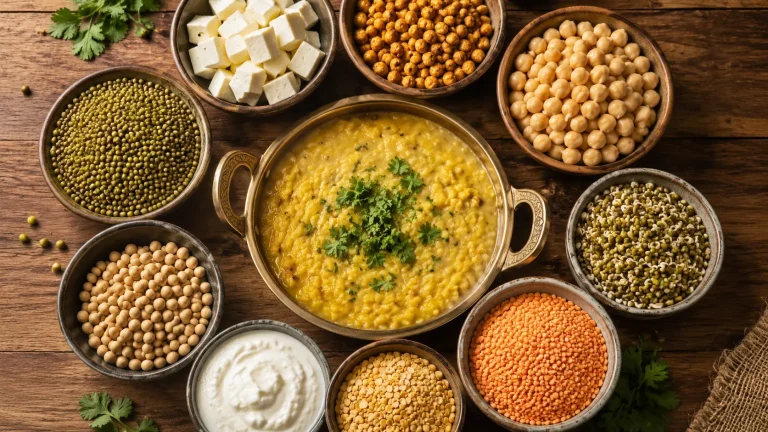
Students often believe that healthy food is costly. However, in actuality, healthy food can be very cheap. There are many affordable alternatives, such as:
- Eggs
- Dal
- Chickpeas
- Rajma
- Seasonal fruits
- Seasonal vegetables
- Peanuts
- Roasted chana
- Curd
- Oats
Buying food that is in season is an affordable choice, as well as healthy.
Nutrition Tips During Exam Season
Exams make people get stressed and that leads to unhealthy eating habits.
To better your eating habits, you must do the following.
- Don’t skip meals.
- Drink enough water.
- Eat something high in protein for breakfast.
- Eat at least some fruit every day.
- Cut down on the caffeine.
- Try not to eat only sweets to deal with fatigue.
Besides eating well, make sure you are getting enough sleep.
Your brain needs glucose all the time instead of energy boosts from different kinds of food.
Signs Your Diet Needs Improvement
If you experience these symptoms often, your diet may be in need of evaluation.
- Low energy levels
- Regular headaches
- Low concentration
- Hair loss
- Frequent illnesses
- Problems with the digestive system
- Constant cravings
- Changes in weight without doing anything
- Poor recovery after a workout
These symptoms can have many causes, so if they are ongoing, you should see a doctor. A nutrition analysis can be useful in detecting diet mistakes.
How QUA Nutrition Helps College Students
All students lead different lifestyles.
Some choose sports.
Some focus on test preparation.
Some want to gain weight and get fit.
Others want to lose weight, improve their health, or treat problems such as polycystic ovary syndrome.
At QUA Nutrition, we understand there’s no universal diet that works for everyone.
That’s why all our experts create personalized diets based on:
- How you spend your day
- What food you can buy at your place
- How much you can pay for meals
- Your body
- Your lifestyle
- Your diet
Our nutritionists offer practical and sustainable techniques instead of strict diets. Whether you’re eating at-home meals or ordering food online, we will help you to choose the right option for you.
Our main objective is to establish good habits.
FAQs
Q: What diet plan is appropriate for college students living in hostels?
A: A balanced diet would include grains, protein-rich foods, vegetables, fruits, milk products, healthy fats, and enough water. It would be a good idea to consume proteins and vegetables throughout all meals while limiting the amount of ultra-processed food consumption.
Q: How can hostel students eat healthily within limited financial resources?
A: Some of the affordable healthy food options are eggs, lentils, chickpeas, seasonal vegetables, and fruits. Meal planning and understanding the seasons can reduce the financial burden and thus improve nutrition.
Q: Is hostel food good enough?
A: Hostel food can be sufficient for good health but in some situations, it lacks variety and proteins. It’s possible to improve your food consumption with the help of adding fruits, yogurt, nuts, seeds, boiled eggs, sprouts, or a combination of the above as needed.
Q: What foods are recommended for students to consume while they prepare for their tests to stimulate concentration?
A: Choose meals that include whole grains, protein, vegetables, fruits, and healthy fats for a balanced diet. Drink sufficient amounts of liquids and do not skip meals, avoiding too much sugar and caffeine.
Q: Can expert nutritionists help college students living in dormitories?
A: Definitely. An experienced nutritionist can design a personalized diet plan according to the conditions of your hostel.