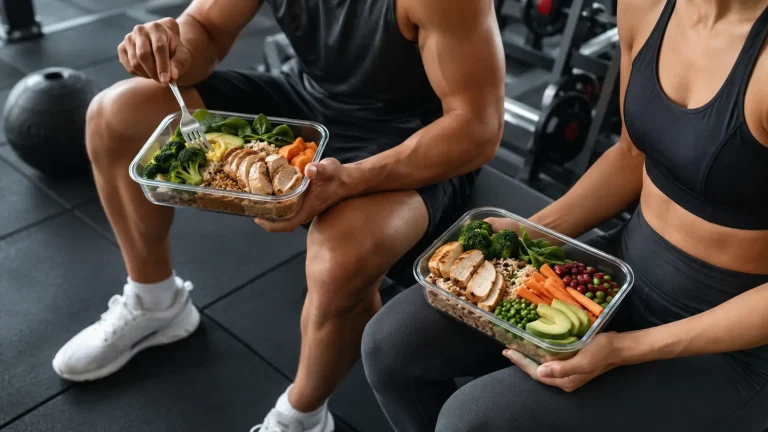
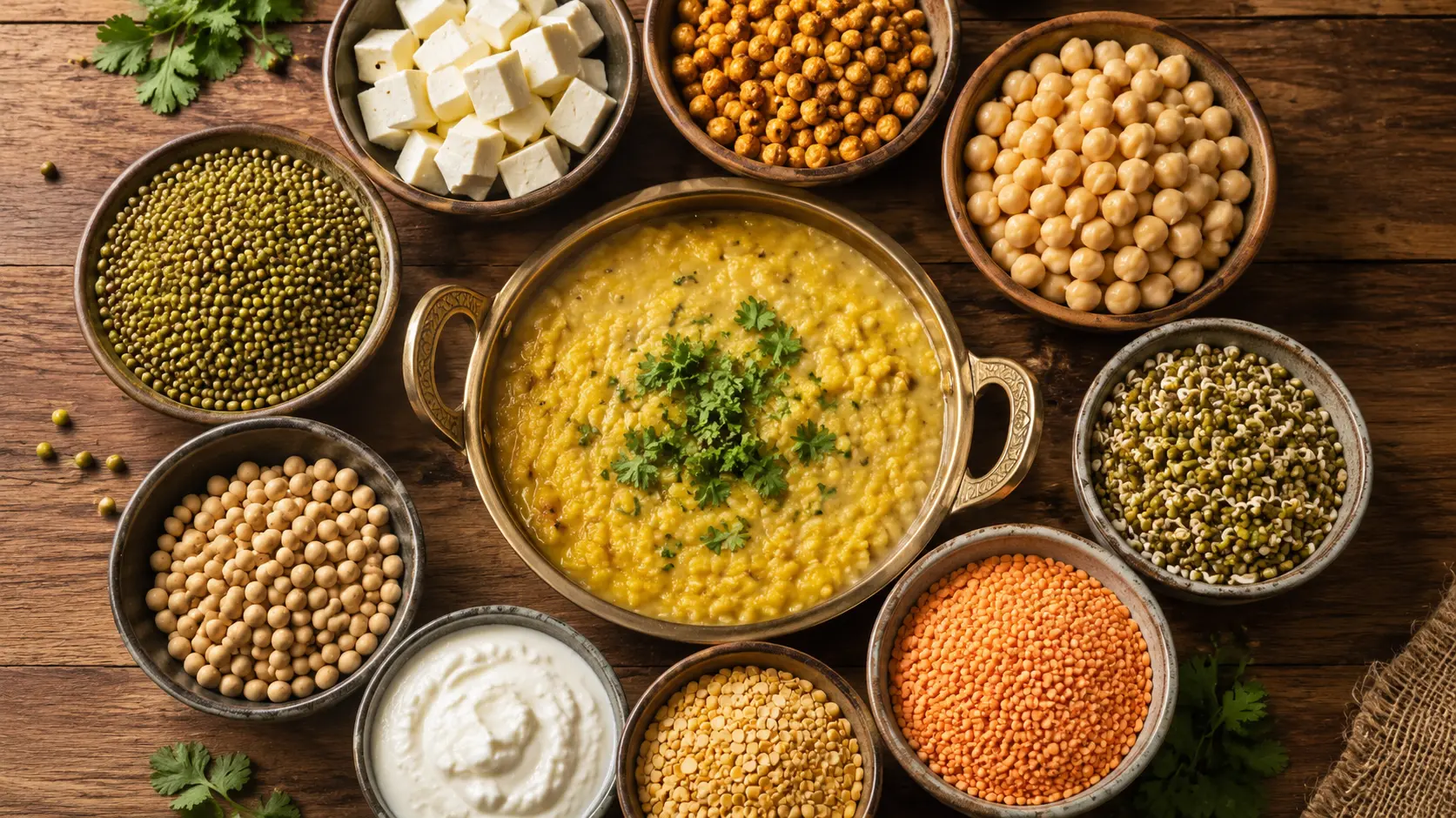
Protein is an essential nutrient for normal functioning of the body including building muscle, repairing tissue and producing enzymes and hormones. It is particularly important for people who regularly exercise to get enough good quality protein to build and maintain muscle mass in conjunction with resistance training. Protein powders are great, but a food-first approach that mixes different protein sources can help meet protein needs without relying too heavily on protein powders.
Boosting protein intake does not mean replacing traditional meals with expensive or unfamiliar foods for Indian homes. Dal, beans, peas, milk, curd, paneer, eggs, fish, chicken etc are some of the common protein rich foods. The trick is to choose the right portion sizes, to regularly include a source of protein and to keep a healthy balance in the diet as a whole.
What Is a High-Protein Indian Diet? Understanding Protein-Rich Eating for Better Health
A high protein Indian diet is a meal pattern where you eat enough protein throughout the day and still have carbohydrates, healthy fats, fibre, vitamins, minerals and fluids.
It’s not about any one food, it’s about the combination of several sources of protein at your meals. A nutrient rich diet consists of varieties of foods like pulses, beans, peas, lean meat, fish, eggs and milk and whole grains, cereals, millets and fresh vegetables.
A balanced high protein diet can thus include traditional Indian foods like:
– Rice or roti with dal
– Rajma or chana with roti
– Moong dal chilla with yoghurt
– Paneer and vegetables
– Egg with dosa, idli or whole grain toast
– Chicken with rice, roti and vegetable
– Rice and vegetables with fish curry
– milk or curd along with a meal or snack
– Soya products like tofu or soya chunks
It’s not just about eating more protein. It is to build meals with a deliberate place for protein.
How Much Protein Do You Need Every Day? Understanding Your Individual Requirements
A practical baseline for healthy Indian adults is 0.83 g protein per kg body weight per day. This amounts to about 50–55 g/day for an adult weighing 60–65 kg. Protein needs may be increased during periods of growth, pregnancy, lactation, older age, or regular resistance training and should be individualised based on the person’s needs and goals.
For those exercising for muscle development, protein intake must be considered with adequate energy intake and resistance exercise. Good quality protein is best as part of an overall eating pattern that supports training, recovery and muscle development.
Rather than trying to chase a ridiculously high protein intake, take a look at your current meals. Where breakfast is mainly carbohydrate, lunch is mainly rice and vegetables and dinner has only a small portion of dal, there may be scope to improve the distribution of protein.
Best High-Protein Indian Foods to Include in Your Everyday Diet
- Dal and legumes
Toor dal, masoor dal, moong dal, chana dal and urad dal are Indian staples for protein. They also contain fibre and other nutrients.
Make dal more than just a side dish. A big serving can be a great addition to lunch or dinner.
- Beans and Legumes
Beans like rajma, chickpeas, black chana, lobia and other beans can add protein and fibre to the meals.
Try rajma with rice, chana with roti or black chana salad or sundal. Combining pulses with cereals like rice with dal or roti with legumes can also offer a beneficial balance of complementary plant proteins.
- Milk, Curd & Paneer
Milk and dairy foods may contribute useful protein and contain nutrients like calcium.
Curd can be used in lunch as a raita or snack. Paneer can be made into paneer bhurji, grilled paneer, palak paneer or a vegetable-based paneer curry. Choose cooking methods that do not require a lot of added fat.
- Egg
For those who eat eggs, they are a convenient source of protein. They can be boiled, scrambled, made into an omelette or put into dishes like egg curry and egg bhurji.
Pair with vegetables and carbohydrates like dosa, idli, roti or whole grain bread for a more balanced meal.
- Seafood And Fish
Fish like rohu, sardines, mackerel and other varieties available locally, are good sources of high quality protein. Marine fish can also be a source of omega-3 fatty acids.
Omega-3 fatty acids are also found in nuts, oilseeds and marine fish.
- Chicken & Other Lean Meats
Chicken and other lean meat can make it easier for non-vegetarians to increase protein intake without depending solely on supplements.
Go for grilled, steamed, roasted or lightly cooked versions more often than deep-fried versions. Serve meat with vegetables, pulses and an adequate amount of rice, roti or millet.
- Soy-Based Foods
Soya chunks and tofu are good vegetarian sources of upping the density of protein. Soya chunks can be added to pulao, curries, vegetable preparations or cutlets. Tofu can be used in stir fries, curries and bhurji.
A variety of protein foods in the diet makes it more varied for vegetarians who do not rely on one food.
High-Protein Indian Vegetarian Diet: Best Plant-Based Protein Sources and Meal Ideas
“Vegetarians can get enough protein by combining different food sources, such as pulses, beans, peas, milk and dairy products.”
Here’s what a practical vegetarian day could look like:
- Breakfast : Moong dal chilla for breakfast with curd.
- Mid-morning : Milk/Yoghurt with fruits
- Lunch : Rice or roti + rajma + vegetable sabzi + salad
- Evening : Roasted chana or some suitable dairy-based snack
- Dinner : Paneer or tofu veg curry + roti + dal
- Bedtime : Milk, or curds At bedtime if necessary
The specific amounts are to be adjusted to the individual requirements for energy and protein.
High Protein Indian Non Vegetarian Diet: Protein-Rich Foods for Balanced Nutrition
Non-vegetarians have the added advantage of having eggs, fish, poultry, and meat, all of which are good sources of good-quality protein.
A possible workable pattern might be:
- Breakfast: Eggs with dosa or whole-grain toast and veggies
- Lunch: Rice / Roti + Chicken / Fish + Dal + Veggies
- Evening: Curd/ milk or some other protein-based snacks like chicken cutlet
- Dinner: Fish, chicken or eggs + roti/millet + vegetable sabzi
- Bedtime : Milk, or curds At bedtime if necessary
Rotating different protein sources during the week helps with variety and prevents meals from getting repetitive.
High-Protein Indian Breakfast Ideas: Easy and Nutritious Ways to Start Your Day
A simple place to get more protein without changing your diet much is at breakfast.
Try this one:
- Moong dal chilla with yoghurt
- Besan Chilla with Paneer Stuffing
- Adai with vegetable sambar
- Pesarattu with yoghurt
- Vegetable omelette with whole grain toast
- Roti with egg bhurji
- Paneer bhurji with roti
- Idli with generous amount of sambar
- Milk-based oats served with a side of curd or other protein source
It doesn’t matter if your breakfast isn’t entirely cereal-based. Add dal, dairy, eggs or any other protein source to make the meal more balanced.
Common High-Protein Diet Mistakes and How to Avoid Them
- Eating protein, but ignoring the bigger picture
Protein is just one part of a healthy diet. Continue to include vegetables, fruits, whole grains, millets, pulses and proper fats.
- Depends on One Protein Source
You can’t eat eggs, paneer or chicken every day. Cycle between pulses, beans, dairy, eggs, fish, poultry, soy and other suitable foods
- Complete Removal of Carbohydrates
A balanced diet can include carbohydrate rich foods like rice, roti, millets etc. It’s not about getting rid of a whole food group, it’s about portion size and quality of food.
- Excess Fat to Add
Too much oil, butter or cream turns a protein-rich food into a calorie-dense food. Choose oils and fats wisely and in moderation, and avoid foods high in saturated fats.
- Swap out Whole Foods for Ultra-Processed Products
Protein bars, packaged shakes and other products can be convenient, but shouldn’t automatically replace nutritious whole foods. Limit high-fat, high sugar, high salt and ultra processed foods and choose fresh or minimally processed foods.
Practical Tips for Following a High-Protein Indian Diet Without Complicating Your Meals
- Make sure your main meals include a definite source of protein.
- Rotate vegetarian and non-vegetarian protein sources, as needed.
- Have cereals and pulses together regularly.
- Incorporate vegetables into protein-rich meals.
- Include fruits in the overall diet.
- Make most of your foods whole foods.
- Use oils and other added fats sparingly in cooking.
- Don’t assume you need protein powder.
- Match portion sizes to your individual energy and protein needs.
- Resistance exercise should be combined with adequate protein intake according to muscle maintenance or development.
How QUA Nutrition Can Help You Build a Personalised High-Protein Indian Diet
A high protein diet is not about stuffing yourself with protein at every meal. The right amount will depend on your age, body composition, activity level, health status and individual goals. Qua Nutrition’s nutritionists can help you develop a personalized Indian diet that is protein-adequate and maintains the right balance of carbohydrates, healthy fats, fiber, vitamins and minerals.
It’s all about making protein-rich eating practical and sustainable, whether it’s muscle gain, fat loss, fitness improvement or general nutrition.
You can have familiar foods like dal, legumes, paneer, curd, eggs, fish, chicken, soy and other locally available foods in your plan according to your dietary preferences. The portion sizes and combinations of the meals can be changed to suit your nutritional needs, lifestyle and food habits.
Rather than following a generic high protein meal plan, personalized nutrition guidance can help you understand how much protein you need, where to get it from, how to distribute it across your meals and how to build a balanced Indian plate around it.
The trick is that you don’t have to give up the foods you love to increase your protein intake, with the right approach. That is, making better choices from the foods you already have in your kitchen.
Conclusion
You do not have to give up your traditional food for a protein rich Indian diet. In fact, many of the foods already available in Indian kitchens can help to provide a protein-rich diet. Construct meals around a variety of protein sources such as dal, beans, peas, dairy, paneer, soy, eggs, fish and poultry. Eat plenty of vegetables and fruits, mix cereals and pulses, use fats in moderation and limit ultra-processed foods.
Most importantly, don’t just think about protein. The healthiest high protein diet is one that also provides enough fibre, micro nutrients, healthy fats, carbohydrates and fluids to support the whole body.
Good quality protein is most effective for muscle health when paired with suitable resistance exercise. For most healthy people, a balanced food-first approach can achieve adequate protein without supplements being the central feature of the meal.
FAQs
Q: Is the Indian diet protein deficient by nature?
A: Not necessarily. Pulses, beans, dairy, eggs, fish, poultry and soy are protein-rich foods in Indian diets. For some the bigger challenge may be the quantity, distribution and variety of these foods throughout the day.
Q: Do vegetarians get sufficient protein from an Indian diet?
A: Yes. Pulses, beans, peas, milk and dairy products can all contribute to meeting protein requirements when included in a suitably planned diet.
Q: Is dal sufficient to meet all protein requirements?
A: Dal is a good source of protein but you don’t have to depend on one food. The combination of pulses with cereals and the incorporation of other foods such as dairy, soy, eggs or other suitable sources can improve variety and the overall protein quality.
Q: Are eggs good for a high protein diet?
A: Yes. Eggs are a good source of high quality protein and can be part of a well-rounded diet for those who eat them.
Q: Is paneer a good source of protein?
A: Paneer can be a useful protein source especially in vegetarian diets. However, portion size and preparation do count, as paneer can also pack a lot of fat and calories.
Q: Is it possible to eat rice on a high protein diet?
A: Yes. Rice can be a part of a balanced high-protein Indian diet. Pair it with dal, beans, fish, chicken, eggs, paneer or some other protein source, and vegetables.