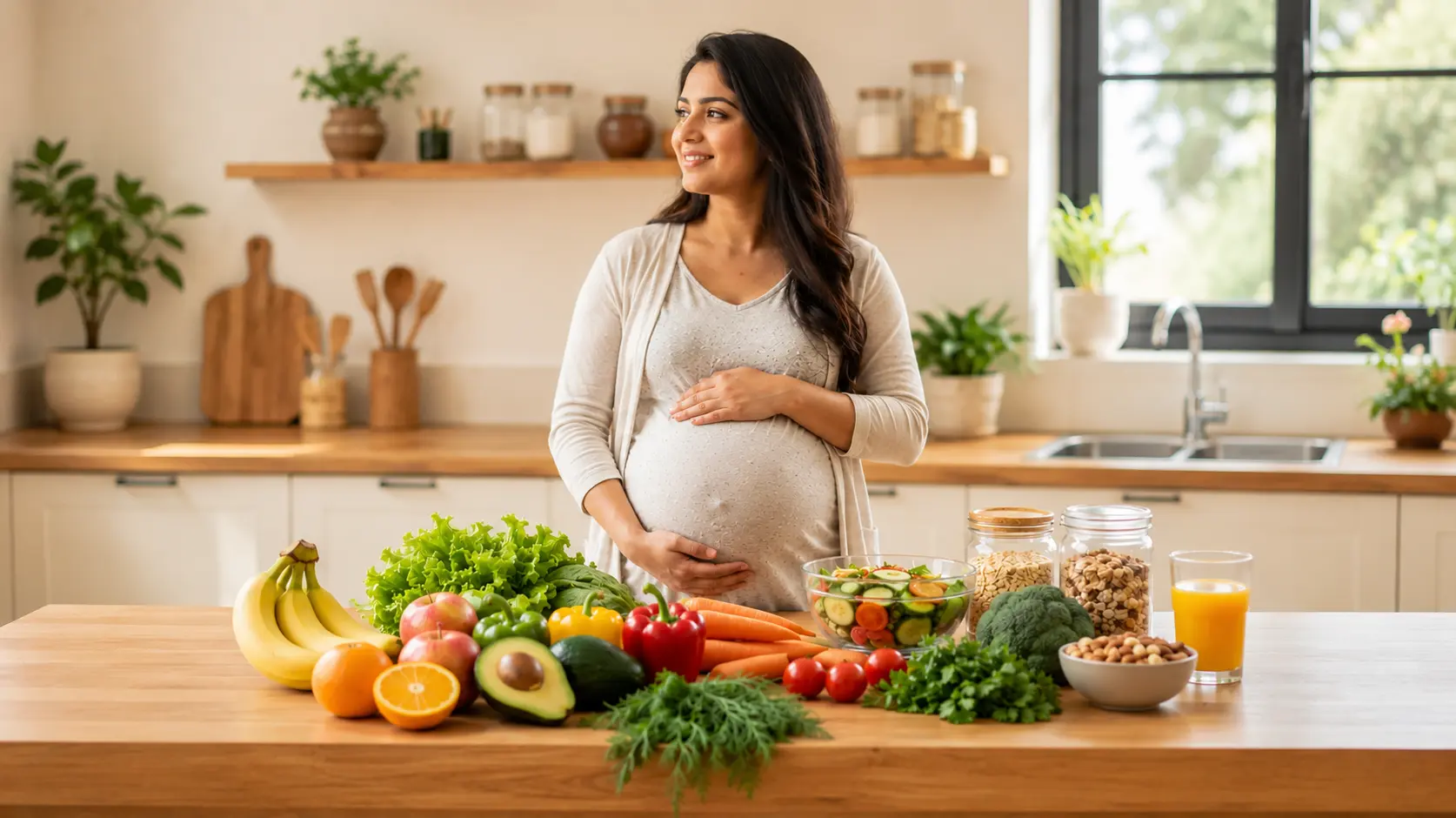
Pregnancy is undoubtedly one of the most important transformations in a woman’s life and nutrition forms an integral part of making this journey a successful one. The food that you consume throughout this nine-month period doesn’t just help nourish your own body but also helps build and develop the baby inside your womb. Nutritional needs are different in every trimester of pregnancy, which means that there is something unique about every trimester of pregnancy.
Eating right supports both mother and baby by reducing complications, boosting energy and preparing the body for delivery. This trimester wise plan has been prepared based on inputs provided by Qua Nutrition regarding how to adjust your diet during the stages of pregnancy along with nutrient requirements and dietary suggestions.
Why Diet Matters During Pregnancy
Pregnancy nutrition is not only about taking enough food but also the quality of foods consumed.
- Supporting The Baby’s Growth And Development – Proteins, folic acid and iron contribute to the development of the organs, tissues and the nervous system of the fetus.
- Preventing Pregnancy Complications – Eating healthy prevents many pregnancy related complications such as gestational diabetes, pre-eclampsia and anemia.
- Maintaining Mother’s Health – Proper nutrition maintains energy levels in pregnant women, improves their body immunity and digestive system, which weakens during pregnancy.
A well-thought-out diet will ensure proper health of the mother and baby during pregnancy.
Essential Nutrients Needed Throughout Pregnancy
It is crucial to first mention the nutrients that will be required through all the trimesters before moving to the specific requirements for each of the trimesters.
- Folic Acid – Avoids defects in the neural tube and supports the development of the brain.
- Iron – Produces additional blood and avoids anemia.
- Calcium And Vitamin D – Build strong bones and teeth.
- Protein – Builds tissues as well as muscles.
- Omega-3 Fatty Acids – Support the development of the brain and eyes.
These nutrients make up the base of good nutrition during pregnancy.
First Trimester Diet Plan (Week 1-12)
The first trimester is characterized by fast cell growth and formation of organs; hence, nutrient density is very important.
Nutrient Priorities
Concentrate on folic acid, iron, proteins and vitamin C to support early development and immunity.
Foods to Focus On
Select easily digestible foods that prevent nausea such as ginger tea, citric fruits, whole grain, and lentil.
Sample Meal Ideas
- Breakfast – Oatmeal with berries and chia seeds.
- Mid Morning Snacks – Banana with peanut butter.
- Lunch – Brown rice and dal with sautéed spinach.
- Evening Snacks – Ginger tea with whole grain crackers.
- Dinner – Grilled chicken/paneer with steamed vegetables.
Tip – Prevent morning sickness by eating several small meals throughout the day, and keep ginger or lemon water handy.
Second Trimester Diet Plan (Week 13-27)
The second trimester is often called the “golden period” of pregnancy with reduced nausea and increased appetite.
Nutrient Priorities
Calcium, omega‑3 fatty acids, iron, and magnesium become more important as the baby’s bones and brain develop.
Foods To Focus On
Include dairy products, leafy greens, fatty fish (low‑mercury options like salmon), nuts, and seeds.
Sample Meal Ideas
- Breakfast – Greek yogurt with granola and walnuts.
- Mid Morning snack – Smoothie with spinach, banana and flaxseeds.
- Lunch – Whole wheat chapati with fish or tofu curry.
- Evening Snack – Roasted almonds and dates.
- Dinner – Quinoa with mixed vegetables and lentils.
Tip – Increased appetite is normal. Select healthy snacks that do not result in extra weight gain and use magnesium‑rich foods like pumpkin seeds for treating leg cramps.
Third Trimester Diet Plan (Week 28-40)
The final trimester prepares both the mother and baby for delivery; energy requirements increase, and digestion process slows down due to the enlarging uterus.
Nutrient Priorities
Protein, healthy fats, fiber, potassium and probiotics are the key nutrients for strength, digestion and labor preparation.
Foods To Focus On
Whole grains, lentils, yogurt, bananas and leafy greens should dominate your plate.
Sample Meal Ideas
- Breakfast – Multigrain toast with avocado and boiled eggs.
- Mid Morning Snack – Yogurt with fresh fruit.
- Lunch – Millet khichdi with vegetables and curd.
- Evening Snack – Banana smoothie with flaxseeds.
- Dinner – Lentil soup with wholegrain bread and salad.
Tip – Probiotics found in yogurt or kefir are good for digestion; potassium-rich foods like banana fight bloating and fluid retention.
Foods And Substances To Avoid During Pregnancy
Certain foods may be dangerous to both mother and child. Some of these include the following.
- Raw Or Undercooked Meat, Eggs And seafood – Risk of infections.
- Unpasteurized Dairy And Soft Cheeses – May contain harmful bacteria.
- High‑Mercury Fish – Such as swordfish or king mackerel.
- Excess Caffeine And Alcohol – They can result in developmental problems.
- Processed, Packaged And Junk Food – High in sodium and unhealthy fats.
Avoiding these foods helps reduce any complications and ensures safer pregnancy outcomes.
Practical Tips For A Healthy Pregnancy Diet
Lifestyle practices should also be considered other than eating right.
- Eating Small And Frequent Meals – Helps to prevent nausea and aids in digestion.
- Staying Hydrated – Make sure you drink 8-10 glasses of water daily.
- Balancing Proteins, Healthy Fats And Complex Carbs – Helps in maintaining your energy levels stable.
- Working With A Doctor Or Registered Dietitian – Helps in creating a personalized plan according to your health needs.
All the above factors contribute significantly to your overall health during pregnancy.
For accurate advice on diet for pregnancy, consult expert dietitians and nutritionists, who will guide you throughout the journey.
Maternity Nutrition Programs At Qua Nutrition
At Qua Nutrition, we believe that pregnancy is a unique journey for every mother and nutrition should reflect that individuality. Each pregnancy is different from another, that is why at Qua Nutrition, the maternity nutrition plans have been designed with your specific requirements in mind during each trimester of your pregnancy. From providing help with nausea in the first trimester, building strong bones and immune system in the second trimester to preparing the body for labor in the third trimester, our experts offer you diet plans backed by science and research.
It is our holistic approach that makes us stand out from the crowd. It is not merely a chart that we provide you with but a guide on how to eat right, combine foods and make lifestyle changes that blend effortlessly into your schedule. Our goal is to ensure that both you and your baby receive the best possible care through nutrition. With our counseling and support, you will definitely carry your pregnancy confidently and smoothly.
Nourishing Every Trimester: Key Takeaways
Pregnancy is a period that demands conscious nutrition throughout all three trimesters. The first trimester emphasises folic acid and iron, the second focuses on calcium and omega‑3s and the third prioritises protein, fiber and probiotics. A trimester‑wise plan ensures that both mother and baby receive the right nutrients at the right time.
At Qua Nutrition, we believe every pregnancy is unique. A personalised doctor‑guided diet plan ensures that you meet your nutritional needs while supporting a healthy and happy pregnancy.
FAQs
Q: Can I drink tea or coffee during pregnancy?
A: Caffeine in moderation (one cup per day) is fine but its over consumption needs to be avoided.
Q: Is it safe to eat spicy food during pregnancy?
A: Yes, but in moderate amounts since spices cause heartburn and therefore must be balanced with other foods such as yogurt.
Q: Do I need supplements in addition to a balanced diet?
A: While supplements are often advised, one should consult with their doctor before taking them.
Q: What foods help with morning sickness?
A: Ginger, lemon juice and some snacks such as crackers and citrus fruits can be helpful.
Q: How can I manage healthy weight gain during pregnancy?
A: It is vital that you consume nutritious food, avoid junk food and exercise in consultation with your doctor.