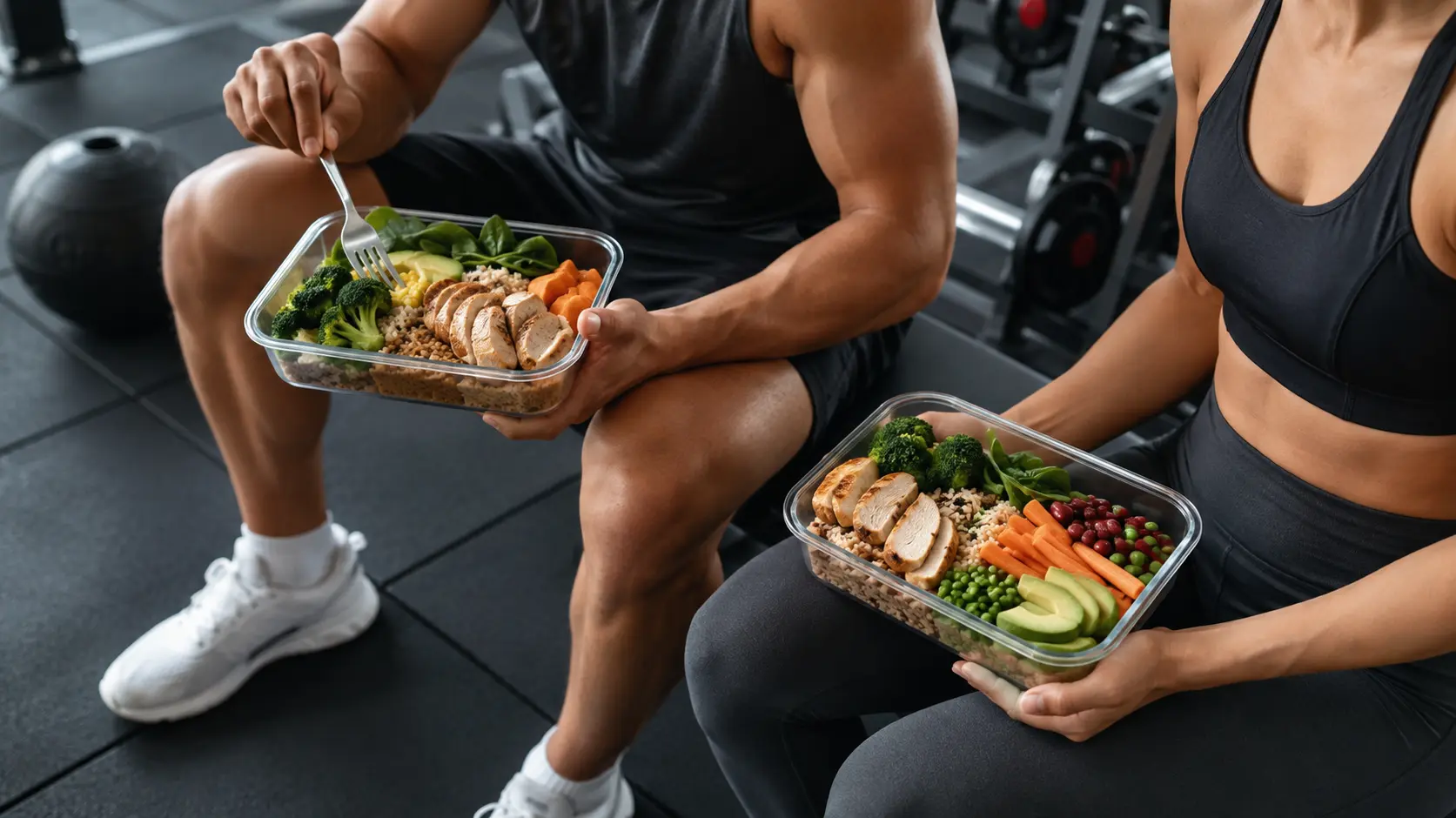
What is it that makes the top Olympic athletes stand out from the rest? Not only their training, nor God-given talent. The truth that many do not realize is that your diet is as important as the intensity of your training.
We have trained athletes of all levels at Qua Nutrition and one thing we have learned is that you cannot out-train a bad diet. But most aspiring athletes still see nutrition as an afterthought. In this all-encompassing guide, we’re pulling back the curtain to see how Olympic athletes eat and how you can use these principles for your own athletic journey.
Why Olympic Athletes Take Nutrition Seriously: The Role of Diet in Performance, Recovery, and Success
Let’s start with a hard truth: small changes to nutrition can have a huge impact on health, training, and performance.
Most casual gym-goers don’t realize what Olympic athletes know: food is fuel, food is medicine, food is a performance enhancer. Eating strategically isn’t just about fueling your body for today’s workout, it’s:
- Maintaining consistently high training performance
- Speeding up recovery from tough sessions
- To keep your immune system healthy and prevent getting sick
- Enhancing cognitive function, reaction times, and focus
- Achieving the body composition for optimal performance
There is no magic diet or food, but there are many ways in which eating well can help athletes at all levels of performance to achieve the specific goals of their training and competition programs,” says the International Olympic Committee.
The question isn’t whether you should care about sports nutrition. The question is, are you going to take the competitive advantage that proper nutrition gives you?
The Foundation: Understanding energy and macronutrients?
Energy Balance is Important
Generally, people think of calories in a simplistic way: eat less, weigh less. But with athletes it’s a much more nuanced thing. Elite athletes know that energy balance is the basis of everything.
Your body needs energy to:
- Sustain organ function and health
- Growth and development
- Food for digestion
- Performing daily tasks AND training demands
What a lot of athletes get wrong is they think they need to eat more because they train hard. Indeed, there are wide variations in energy needs based on:
- Your basal metabolism
- Muscle and bone mass
- Daily levels of activity
- Intensity and duration of exercise
- Your particular athletic goals
This is why generic diet plans don’t work. Everybody’s body is different. You are uniquely trained. And so should your nutrition.
Smart Macronutrient Strategy
Olympic athletes don’t just count calories; they strategically allocate their carbohydrates, proteins and fats based on their training demands.
- Carbohydrates: The Athlete’s Best Friend
Carbs are your primary fuel source, particularly when you’re training hard. This is where the strategy comes in: elite athletes modulate their carbohydrate intake based on the training load:
- Low training load days (3-5g/kg body weight)
- Moderate training days (5-7 g/kg body weight)
- High intensity/endurance days (6-10 g/kg body weight)
This “smart” carb approach is better than “high carb all the time” because it:
Matches training demands to real training Prevents unnecessary weight gains Maximizes training quality Preserves muscle glycogen stores
- Protein: The Recovery Foundation
Here’s a stat that surprises many athletes. Your protein needs don’t change on a hard training day or a recovery day.
Olympic athletes are aiming for 1.6-2g of protein per kilogram of body weight each day and importantly, they spread it out throughout the day. A 70kg athlete would aim for 112-140g protein daily, divided into 3-4 meals/snacks.
Why? Muscles respond better to a constant supply of protein rather than a single, large serving after a workout.
- Fats: The Frequently Forgotten Essential
Fats aren’t the enemy, the bad fats are. Elite Athletes Focus On:
- Monounsaturated fats (olives, avocados, nuts)
- Polyunsaturated fats (oily fish, seeds)
- Omega 3 fatty acids (needed for brain function and the reduction of inflammation)
They cut down on saturated and trans fats, which are calorie-dense but nutrient-poor.
The Performance Meal Wheel A Practical Nutrition Blueprint for Energy, Recovery and Athletic Success
Don’t use complicated macros and confusing percentages. The Performance Meal Wheel is a simple visual framework used by successful Olympic athletes.
Every well-rounded meal should have:
1/3 FUEL (Carbs)
- Whole grain pasta, rice, quinoa
- Potatoes and vegetables with starch
- Breads and good carbs
1/3 RECOVERY (Protein & Healthy Fats)
- Poultry and lean meat
- Fish and seafood
- Dairy, beans, legumes, and plant-based proteins
- Nuts, Seeds and Healthy Oils
1/3 SUPPORT (Vegetables & Fruits)
- Aim for 4+ servings a day
- Eat a variety of colors (different colors have different micronutrient profiles)
- Don’t forget the green vegetables
HYDRATE WITH LIQUIDS
- Water as Primary source
- Electrolytes drink while/after heavy exercise
The beauty of it? This framework learns from your training. On high-intensity days, make your FUEL half your plate. On your rest days, you should reduce the amount of carbs you have, but keep the protein and support foods the same.
Training and Competition Nutrition: Why Meal Timing Matters for Athletic Performance
Olympic athletes know that when you eat is just as important as what you eat.
Pre-Workout Nutrition
- 2-4 hours prior to training:
Eat a Balanced Meal (Using the Performance Meal Wheel)
Provide adequate carbohydrates for fuel
Keep fat and fiber moderate to avoid GI distress.
Make sure you drink a lot
- 1-2 hours prior (if necessary):
Top up your carbohydrates (30-60g)
Easy-to-digest choices such as bananas, toast with jam or sports drinks
- During Training
It is an approach based on duration:
- Less than 1 hour sessions : Only water
- 1-2.5 hours : 30-60g carbohydrate/hour
- 2.5+ hours: Up to 90g carbohydrate/hour, plus easily digestible protein for 3+ hour sessions
- Post Training Recovery (The Critical Period)
Within 1 hour of workout, aim for:
- Carbohydrates: 0.5-1g per kilo of bodyweight
- Protein: 0.3g / kg body weight
- Fluids: 1.5x your body weight loss (over 3-4 hours). Example: A 70kg athlete who lost 0.5kg would need 1050mL of fluid.
The Real Challenge: Understanding Low Energy Availability in Athletes and Its Impact on Performance
Here’s what Olympic teams know, but most athletes don’t: the biggest performance killer isn’t lack of training, it’s not enough energy in.
When energy intake is less than actual requirements (intentional or unintentional) athletes experience:
Immediate effects:
- Low energy
- Bad mood and concentration
- Higher risk of injury
- Greater risk of disease
Long-term effects (if prolonged):
- Performance degradation
- Injuries to the bone
- Repeated / Long illness
RED-S: Relative Energy Deficiency in Sport: Loss of menstruation in females
Reduced body weight and muscle
This is a common situation that many athletes inadvertently create for themselves by either increasing volume without changing nutrition or trying to lose weight too quickly.
This is why working with a qualified sports nutritionist is not a luxury, but essential prevention.
Hydration for Athletes: The Often-Overlooked Performance Factor Every Athlete Should Understand
Fluid deficits as small as 2% of body weight can have a significant impact on performance. However dehydration is endemic in athletes.
How to Keep Yourself Hydrated
- Take a large water bottle and refill it often.
- Have a large glass of water with each meal
- Put reminders on your phone throughout the day.
- Color of urine (clear/pale yellow = hydrated)
- Rehydrate after exercise with drinks containing sodium (isotonic sports drinks)
The Homemade Sports Drink Recipe
Many athletes are surprised to learn they can make effective isotonic drinks at home:
- Option 1 : 200ml fruit squash + 800ml water and a pinch of salt
- Option 2: 500mL fruit juice + 500mL water + pinch of salt (Pro tip: Add the salt to warm water first to dissolve)
Common Sports Nutrition Mistakes Athletes Make and How to Avoid Them
Mistake 1: Following Generic Diet Plans
Why it doesn’t work: Your nutritional needs are specific to your body, training load, sport and goals.
The fix: Partner with a sports nutritionist to personalize YOUR plan to YOUR data.
Mistake 2: Overlooking Micronutrients
Many athletes miss out on calcium, iron, vitamin D, B vitamins, and more when they’re focused on macros. Athletes at risk for deficiencies include:
- Vegetarians and vegans
- Athletes with limited intake of dairy
- Female athletes
- Those training indoors and those at altitude
The fix: Eat a colorful diet. Supplementation should only be considered if assessed by a professional.
Mistake 3: Diving Into Supplements Before Nailing the Basics
The truth is that 95% of athletes don’t need supplements. They need better food options.
The ranking:
- Corrected total energy intake
- Macronutrients In The Right Proportions
- Scheduled meal timing
- THEN look at evidence based supplements if needed
Mistake 4: Implementing major changes right before competition
Don’t experiment with new foods, new training fueling strategies or new supplements on competition day. During training, elite athletes train their entire nutrition plan.
Changing Body Composition the Right Way: Nutrition Strategies for Athletes
Olympic athletes schedule their training based on whether they want to lose body fat or gain muscle mass.
Losing Body Fat (Safely)
- Create a small deficit of 300-500 kcal per day by:
- Eating smaller portions (not skipping meals)
- Choose lower-fat options
- Reducing intake of energy-dense, nutrient-poor foods
- Keeping carbohydrate around training
- High protein (preserves muscle)
- Critical principle: sufficient energy is necessary for long-term health.
Building Muscle Mass
Create a small surplus of 300-500 kcal/day by:
- Adding small, manageable amounts at meals rich in protein
- Energy dense foods (nuts, oils, avocados)
- Pre-bed snack with high protein (casein content important)
- Properly fueled for every training session and post training session
Your Next Step: How a Sports Nutrition Expert Can Personalise Your Diet for Better Performance
We’ve provided you with the structure that Olympic athletes follow. But the truth is that principles and perfect execution of them are two different things.
That’s the problem most athletes have. They know nutrition is important, they want to do well but without tailored advice they either:
- Make bad decisions that cap their earnings
- “Trying to be perfect” can lead to disordered eating patterns
- Spend money on unnecessary supplements
- Miss performance because they don’t eat as they train
At Qua Nutrition, we create personalized, evidence-based diet plan for athletes to help transform their performance.
What We Do Differently
- Evidence-Based Approach: Our plans are based on sport science research, not trends
- Fully Personalized : We assess YOUR needs, not cookie cutter solutions
- Practical Implementation: We assist you to actually implement the plan with real world strategies
- Performance Focused : All recommendations are for your athletic goals
- Ongoing Support: Nutrition needs evolve with training changes
Conclusion
The nutritional approach for the Olympic athletes is not complicated, but is based on proven principles that have guided the performance of elite sport for decades. These are not secrets. They include strategically distributing macronutrients based on training load, timing your meals for optimal recovery, and proper hydration and micronutrient intake. These are science-based tactics any committed athlete can adopt.
So what’s the real difference between athletes who get transformational results and those who plateau? It’s about having a personalized nutrition plan that evolves with their training and goals. Generic diet plans don’t work because your body is different. Your training needs are specific. Your goals are special.
The question is not whether Olympic-level nutrition is important. It does so. So the question is this: Are you ready to stop guessing and start strategizing?
FAQs
Q: Does idly help in fatty liver?
A: Yes, in the majority of cases. Idli is steamed and fermented, both softer cooking methods that don’t add fat. Combine with a protein-rich chutney or lentil side and serve in a moderate serving for a balanced meal.
Q: Is dosa good or bad for fatty liver?
A: Plain dosa prepared from fermented batter is good in moderation, especially when cooked with little oil. A plain rice dosa is not as good as a ragi, jowar or mixed-dal dosa, which has a lower glycemic load and the addition of sambar provides essential protein and fiber.
Q: Is poha good for fatty liver?
A: Yes but it’s all in the portion and preparation. Mostly refined carbs. A massive platter of poha, oil laden, with little else. A more balanced variation is a smaller dish laden with peanuts, veggies and a side of curd.
Q: If you have fatty liver, is fruit good for breakfast?
A: Whole fruit is usually ok, and even good, because the fiber in it slows down the absorption of sugar compared to juice. Pair a protein source, such as Greek yogurt, chia seeds or a handful of nuts with your fruit for a more balanced meal than just fruit.
Q: Which Indian breakfast is good for fatty liver and diabetes?
A: Foods that are low in glycemic load and high in protein tend to be good choices for both illnesses. Moong dal chilla with curd, ragi or jowar dosa with sambar and chickpea sundal with millet dosa all are really good options. In this situation, a personalized food plan is extremely helpful, because managing both diseases at once often requires more specific instructions.