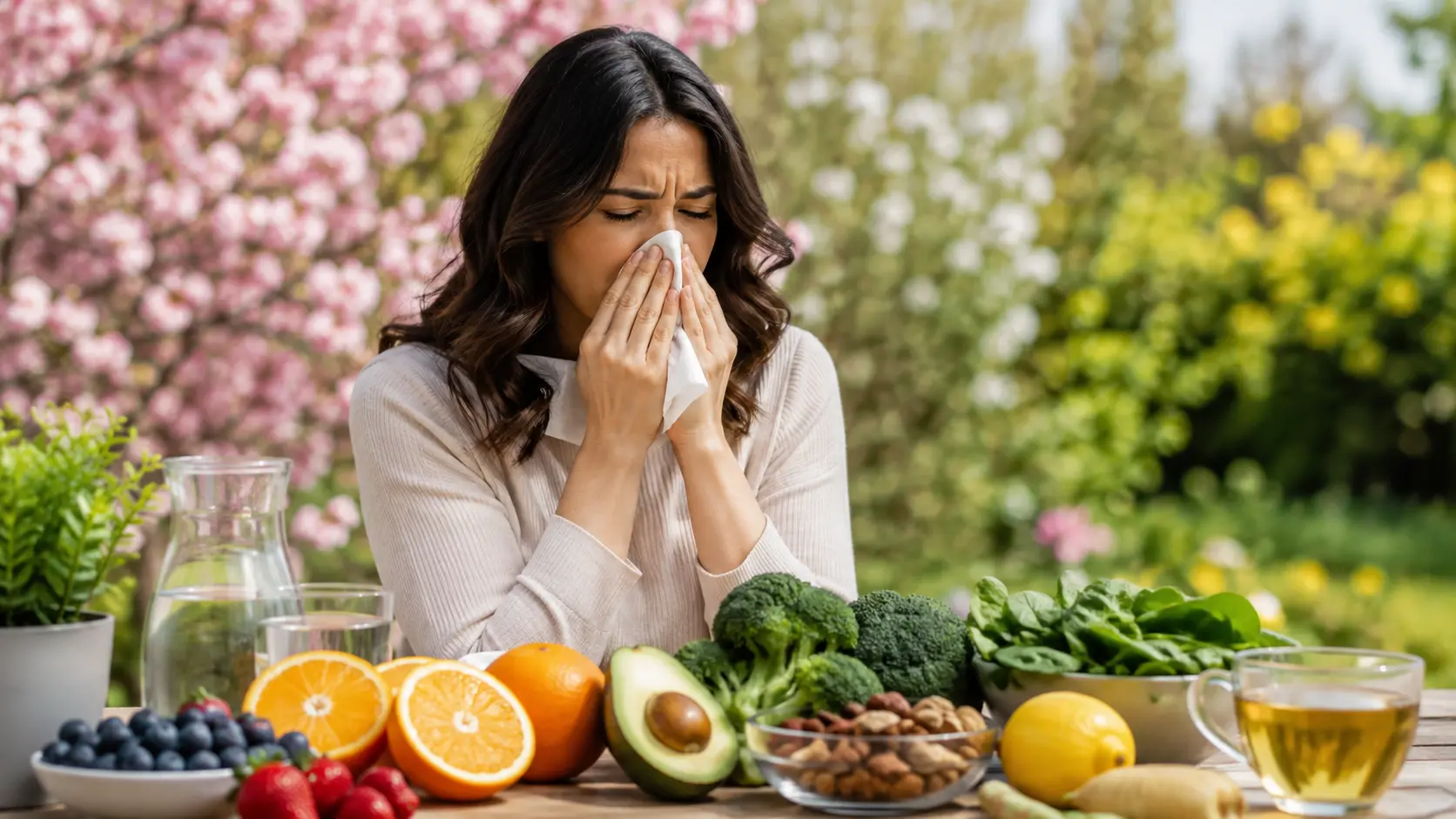
Sneezing that starts as soon as spring pollen counts rise, congestion that continues through autumn, and itchy eyes that return every year can make seasonal allergies difficult to manage. Seasonal allergies affect a huge share of the population. For many people, they are more than a mild inconvenience, disrupting sleep, work, exercise, and everyday activities for weeks or months at a time. It is natural to wonder whether a diet for allergy relief can help reduce symptoms and make allergy season easier to manage. This blog looks at the connection between diet and allergy symptoms, and where food is best in addition to medication and allergen avoidance.
What Causes Seasonal Allergies?
Seasonal allergies occur when the immune system mistakes a harmless substance, usually pollen from trees, grasses, or weeds, for a genuine threat. The body responds by producing antibodies and releasing histamine and other inflammatory chemicals, which trigger the classic symptoms. Different plants pollinate at different times of year, so triggers shift with the seasons: tree pollen tends to dominate in spring, grass pollen through summer, and weed pollen, ragweed in particular, into early autumn. Whatever the season, the resulting symptoms tend to look similar. These include sneezing, nasal congestion, itchy or watery eyes, a runny or blocked nose, and a kind of low-grade fatigue that people often do not immediately connect to their allergies.
The Link Between Diet and Allergy Symptoms
Allergic reactions involve inflammation, and what you eat can influence the body’s overall inflammatory response. Dietary components can regulate allergic inflammation through effects on the immune system directly and on gut bacteria, which produce compounds that influence inflammation in the lungs and nasal passages. The gut microbiome plays a genuinely important role here: a diet low in fibre and high in processed food tends to support a less favourable gut bacterial balance, which research links to more severe allergy symptoms, while fibre-rich, plant-forward diets tend to do the opposite.
As for whether specific foods can reduce histamine response, the honest answer is: partially, and some foods have stronger support than others. Compounds like quercetin have been shown to reduce histamine release and calm inflammatory pathways, and some human studies on quercetin supplementation have reported modest improvements in eye and nasal allergy symptoms. A seasonal allergy diet is not a replacement for treatment, but it can be a useful part of an overall approach to managing symptoms.
Foods for Seasonal Allergies: What to Include
The right foods can support your body during allergy season by helping manage inflammation, supporting immune function, and promoting a healthy gut. While no single food can cure seasonal allergies, including a variety of nutrient-rich options may help support overall allergy management. Here are some foods worth including in your diet:
Anti-Inflammatory Foods
Fatty fish like salmon and mackerel are rich in omega-3 fatty acids, linked to lower overall inflammation and improved skin barrier function in allergic conditions. Turmeric and ginger both contain well-studied anti-inflammatory compounds, curcumin in particular, that may help calm the low-grade inflammation that worsens allergy symptoms. Leafy greens and colourful vegetables complete this group, supplying antioxidants that support the body’s overall inflammatory balance.
Natural Antihistamine and Quercetin-Rich Foods
Onions and apples are among the richest natural sources of quercetin, the flavonoid most closely studied for its ability to stabilise the cells that release histamine during an allergic reaction. Berries and citrus fruits bring both quercetin and vitamin C to the table, a genuinely useful combination for allergy season. Broccoli and capers, less commonly mentioned but worth including, are rich in quercetin.
Gut-Supportive Foods
Fermented foods like yogurt, kefir, and kimchi support a healthier gut microbiome, which has real downstream effects on immune regulation and inflammation. Prebiotic fibre sources, garlic, bananas, and oats among them, feed the beneficial bacteria already present in the gut, helping that ecosystem stay balanced through allergy season and beyond.
Vitamin C and Immune-Supporting Foods
Citrus fruits, bell peppers, and kiwi are excellent sources of vitamin C. Vitamin C supports normal immune function and has been studied for its potential role in regulating histamine levels, although it should not be considered a substitute for antihistamine medication.
Foods That May Worsen Allergy Symptoms
Just as some foods may help ease seasonal allergy symptoms, others can make them noticeably worse. Two separate mechanisms are involved here, one tied to histamine load and the other to cross-reactivity between pollen and specific foods. Knowing which foods fall into each category makes it far easier to spot patterns in your own symptoms.
- High Histamine Foods: Aged cheese, processed and cured meats, and alcohol, particularly wine and beer, may worsen symptoms for some people who are sensitive to histamine or histamine-rich foods. However, individual tolerance varies, and a low-histamine diet is not routinely recommended for seasonal allergies.
- Oral Allergy Syndrome Triggers: People with pollen allergies sometimes react to raw fruits and vegetables whose proteins closely resemble pollen proteins the immune system already recognises.
- Birch Pollen Cross-Reactions: Commonly triggered by raw apples, cherries, and almonds.
- Ragweed Cross-Reactions: Commonly triggered by melons and bananas.
- Cooked Versions Are Usually Safe: Cooking can alter the proteins responsible for many oral allergy syndrome reactions, so some people can tolerate the same food when it is cooked. However, this is not true for every food or every person.
- Refined Sugar and Heavily Processed Foods: A diet high in refined sugar and heavily processed foods may contribute to an overall less balanced dietary pattern, so limiting these foods can support general health during allergy season.
Additional Lifestyle Tips to Manage Seasonal Allergies
Diet works best as part of a broader approach, not as a replacement for one. A few simple habits, alongside the right foods, can help reduce the symptoms of seasonal allergies. A few simple habits can also make allergy season easier to manage:
- Stay Hydrated: Helps thin mucus and eases congestion, something easy to overlook during allergy season
- Keep Windows Closed: Reduces how much pollen actually makes it indoors
- Shower After Going Outside: Removes pollen from skin and hair before it has a chance to trigger symptoms indoors
- Check Pollen Levels: Helps you plan outdoor activities around lower pollen windows
- Consider Allergy Medication: A conversation with a doctor or allergist about antihistamines is worth having if symptoms are more than mildly disruptive, since medication and diet work better together than either alone
Sample Allergy-Friendly Meal Ideas
Incorporating the foods above into an actual routine is often the hardest part of any nutrition advice. The meal ideas below combine anti-inflammatory, quercetin-rich, and gut-supportive ingredients into meals that are easier to prepare and repeat through allergy season. None of these require special ingredients, just a bit of planning around what is already in your kitchen.
- Breakfast: Greek yogurt with berries, a drizzle of honey, and a sprinkle of chia seeds
- Lunch: Grilled salmon salad with mixed leafy greens, bell peppers, and an olive oil dressing
- Dinner: Stir-fried broccoli and vegetables with turmeric and ginger, served alongside grilled chicken or tofu
- Snacks: Apple slices with a small handful of walnuts, or citrus fruit with whole-grain crackers.
Managing Seasonal Allergies with Qua Nutrition
Diet is a genuinely useful tool for managing seasonal allergy symptoms, with important connections with inflammation, gut health, and specific compounds like quercetin and vitamin C. It is not, however, a cure or a replacement for medical treatment when symptoms are significant. The most effective approach combines nutrition with allergen avoidance and, where needed, medication guided by a doctor. At Qua Nutrition, we work with clients to build personalised nutrition plans that support this personalised approach to seasonal allergy management. A balanced diet can also help support immune function, overall wellbeing, and the body’s natural response during allergy season. Understanding which foods may support allergy relief and identifying any personal food triggers can make dietary changes more practical and sustainable.
FAQs
Q: Can diet completely cure seasonal allergies?
A: No. Diet can help reduce inflammation and support the body’s response to allergens, but it cannot eliminate an underlying allergy. For personalized guidance, Qua Nutrition can help you understand the right approach for your symptoms.
Q: How long does it take for dietary changes to ease symptoms?
A: This varies by individual, but most people who see benefit from dietary changes notice gradual improvement over several weeks of consistent eating patterns, rather than immediate relief after a single meal.
Q: What is oral allergy syndrome?
A: It is a reaction some pollen allergy sufferers have to specific raw fruits, vegetables, or nuts, caused by proteins in these foods resembling pollen proteins the immune system already reacts to. Symptoms are usually mild and limited to itching or tingling in the mouth, and cooking the food often resolves the reaction.
Q: Are probiotics helpful for allergy relief?
A: Probiotics could support a healthy gut, which can help with immune function and allergy symptoms. However, probiotics don’t work the same way for everyone, and no specific supplement is proven to relieve allergies. Fermented foods as part of a varied diet are a reasonable, low-risk way to support gut health during allergy season.
Q: Should I avoid all high-histamine foods during allergy season?
A: No. Complete avoidance is not required unless you notice a clear personal pattern between specific foods and worsened symptoms. Moderating intake of aged, cured, and processed high-histamine foods during peak allergy weeks is a reasonable approach for most people.