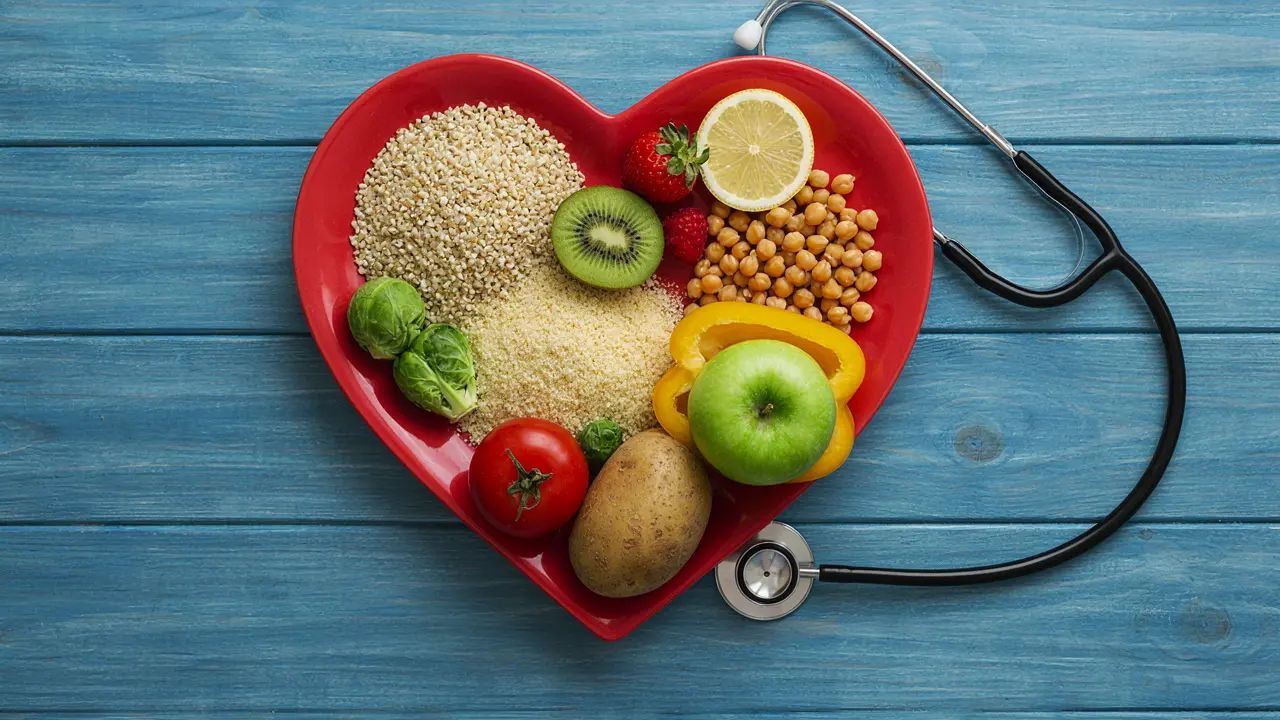
There is waxy-like fat cholesterol in the blood and in every cell in your body. Despite its bad image, cholesterol is necessary for making cell membranes, producing hormones and making vitamin D.
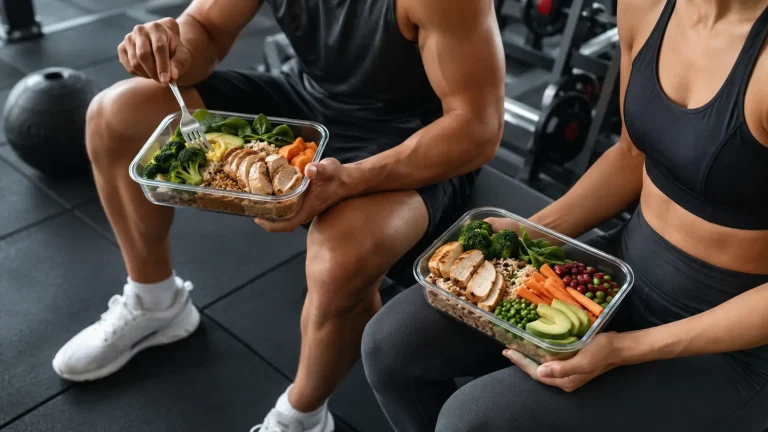
To control your cholesterol by your nutrition, you need to understand how your diet affects your lipid profile, specifically your LDL cholesterol and triglycerides. Research indicates that consuming a healthy diet of whole grains, healthy fats and fiber-rich foods can enhance cardiovascular health. It’s not about killing cholesterol, but about nutrient density and meal combinations rather than a single dish.
Cholesterol Explained: What Your Cholesterol Levels Really Mean for Heart Health
Cholesterol is not a poison, it is essential for life. The liver has to make 900 mg of cholesterol per day for the needs of the body. This is when there is too much of some kinds of cholesterol in your body.
Low-Density Lipoprotein (LDL): This is often referred to as “bad cholesterol” as high levels can increase the risk of cholesterol building up in the arteries, which increases the risk of heart disease and stroke. Diet and lifestyle are important to controlling LDL and heart health.
HDL cholesterol: HDL cholesterol is the “good” cholesterol. It removes LDL cholesterol from your arteries and brings it to your liver to be eliminated. Higher levels of HDL protect against heart disease.
Triglycerides: Fat in the blood. High triglycerides, particularly with high LDL or low HDL, increase cardiovascular risk. Diet, especially processed carbohydrates and added sugars, plays a huge role in triglyceride levels.
Effective cholesterol treatment is more than just total cholesterol. Your doctor will test your LDL, HDL and triglycerides to evaluate your cardiovascular health.
How Does Your Diet Affect Cholesterol Levels? Understanding the Food–Cholesterol Connection
Diet is a great way to naturally control cholesterol.
Saturated fats : Saturated fats in fatty meats, full-fat dairy and tropical oils raise LDL cholesterol. In moderation as part of a well-rounded diet, they’re fine, but too much of them raises your risk of heart disease.
Trans Fats: the most dangerous kind. These synthetic lipids are present in many processed and fried foods due to the partially hydrogenated oils they contain. Trans fats routinely raise LDL and inflammation and lower HDL cholesterol. Where possible they should be avoided.
Unsaturated fats : Both monounsaturated and polyunsaturated fats are good for the heart and lower LDL cholesterol. These include avocados, almonds, seeds, olive oil and fatty fish. Replace saturated fats with unsaturated fats rather than adding fat to meals.
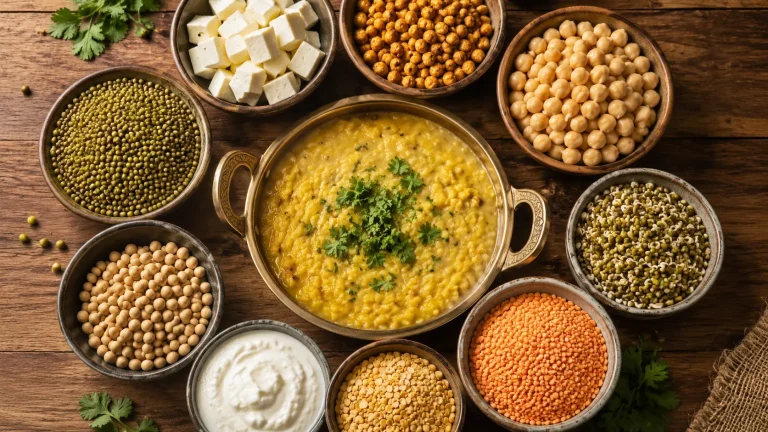
Dietary Fibre: Fibre helps to regulate cholesterol as it reduces its absorption in the intestine. Dietary fibre is found in whole grains, fruits, vegetables, beans and legumes.
Whole Grains: Good for Cholesterol with Fibre and Minerals. You can tell that brown rice, whole wheat, oats, and barley are preferred over refined grains.
Fruits and vegetables : Fruits and vegetables are a good source of fibre, antioxidants, potassium and phytochemicals, all good for the heart. Because of their nutrient density they are a must in a cholesterol-friendly diet.
Nuts and seeds: Seeds and nuts are a source of heart-healthy unsaturated fat, plant protein and fibre. A small handful (30g) daily provides great benefits with few calories.
Added sugar: Weight gain and high triglycerides are caused by added sugars and calories. Cut back on sugary drinks, sweets and processed foods to control weight and triglycerides.
It’s better to improve your diet than to stress over certain foods.
Can Fibre Help Lower Cholesterol? Understanding the Role of Soluble Fibre
Food fibre is an indigestible carbohydrate of vegetable origin. Fibre is not just a “wasted” food component. It’s a key regulator of health and cholesterol.
Types of Fiber : Soluble fibre (which dissolves in your digestive tract to form a gel) Insoluble fibre increases stool bulk. Both are important, but soluble fibre is more effective at reducing cholesterol.
How soluble fiber works: Soluble fiber binds to the particles of cholesterol in your digestive system and prevents their re-absorption into the bloodstream. This lowers LDL cholesterol. It affects the metabolism of bile acids. Your body uses cholesterol to make NEW bile acids, which lowers your blood cholesterol.
Beta-Glucan: A soluble fibre found in oats and barley that helps to reduce LDL cholesterol. Studies indicate that ingesting 3 to 4 grams of beta-glucan per day will lower LDL cholesterol. This is about a cup of muesli or barley a day.
Sources of food: Soluble fibre is found in dal, beans, chickpeas, apple, berries, guava, amala, broccoli, spinach, brinjal, psyllium husk and whole grains. Target multiple fibre sources throughout the day.
Gradually introduce fibre over a period of 2-3 weeks to change your digestive system. Sudden increases could be bloated or hurt. Fibre should be taken with 8-10 glasses of water a day.
Foods to Limit or Avoid for Healthier Cholesterol and Better Heart Health:
- Foods rich in saturated fat:
Limit fatty meats, processed meats such as bacon, sausage and salami and high fat dairy products. Enjoy high fat sweets, cream based dishes and butter or ghee once in a while. Choose lean meats, low-fat dairy and low-fat cooking.
- Trans and Hydrogenated Fats :
Look for food labels that say no partially hydrogenated oils. These bad fats are found in many commercial baked goods, fried snacks and processed foods. It’s also why “moderation” is not as good as near-total avoidance.
- Deep-fried items
Trans fats are found in fried snacks, chips, French fries and fast food, often fried in toxic oil. Choose baked, air-fried, or roasted options instead.
- Processed and ultraprocessed foods
Packaged snack foods, most baked goods, processed meats and ready to eat fried foods are full of saturated fats, trans fats, added sugars and sodium all of which are bad for your cholesterol and health.
- Added Sugar and Refined Grains
Sugary drinks, sweets, cakes, pastries and maida rapidly increase blood sugar and triglycerides. Replace sugary drinks with water, herbal tea or plain tea. Choose whole wheat roti instead of maida-based roti. Choose whole grain snacks instead of processed baked goods.
10 Best Foods to Include for Healthy Cholesterol Levels
- Oats : Oats contain beta-glucan, a soluble fibre that may help lower : cholesterol absorption and encourage lower LDL cholesterol.
- Barley : Barley beta-glucan helps increase intestinal viscosity and decrease cholesterol absorption, supporting healthier LDL cholesterol levels.
- Psyllium Husk: Psyllium contains soluble fibre that binds to bile acids in the intestine, which increases their excretion and helps to lower LDL cholesterol levels.
- Almonds: Almonds also contain monounsaturated fatty acids and phytosterols that help promote healthier LDL cholesterol levels, especially when eaten in place of foods higher in saturated fat.
- Walnuts: Walnuts contain ALA omega-3 fatty acids and polyphenols which are good for cardiovascular health and to get better blood lipid profiles.
- The avocado : Avocados are high in monounsaturated fat, oleic acid, which helps support healthier LDL cholesterol levels when it replaces foods higher in saturated fat.
- Chick pea : Chickpeas contain soluble fibre that can help manage cholesterol levels by lowering the amount of cholesterol absorbed in the intestines, offer protein, and enhance satiety.
- Edamame / Soy beans : Soy protein and isoflavones may provide plant protein and healthy unsaturated fats, and may also help modestly reduce LDL cholesterol.
- Sesame Seed : Sesamin and sesamol are naturally occurring lignans in sesame seeds that may promote healthier lipid metabolism and cardiovascular health
- Pistachio : The monounsaturated fats and the phytosterols in pistachios can help to maintain healthier levels of LDL cholesterol when they are eaten in place of high-saturated-fat snacks.
A Heart-Healthy Indian One-Day Meal Plan for Better Cholesterol
Breakfast: Steel cut oats upma with carrots, peas, green beans, mustard seeds and curry leaves. Serve with a small apple or amla.
Midmorning Snack: 1 medium guava or fresh fruit with 1 Tablespoon of mixed seeds.
Lunch: Wholesome portion of spinach and tomato curry with brown basmati rice and rajma (kidney beans) and a fresh green salad with light olive oil dressing.
Evening snack: Roasted chickpeas and a handful of pumpkin seeds.
Dinner: Brown wheat roti with veg dal (any type), broccoli and beetroot stir fry and grated carrot and beetroot salad.
The day includes whole grains, legumes, lots of vegetables, healthy fats and limiting saturated fat and refined carbohydrates. Eating enough fiber every day has long-term benefits. Indian families are crazy about tasty traditional meals.
Simple Indian Food Swaps to Help Improve Your Cholesterol Profile
Making small, sustainable changes to everyday meals can help improve the overall quality of your diet without giving up familiar Indian foods and flavors.
- Maida paratha → Whole-wheat roti :
It increases fiber and nutrient content while reducing reliance on refined carbohydrates.
- Sugary cereal → Oats porridge with fruit :
Provides sustained energy along with beta-glucan, a soluble fiber that supports healthy LDL cholesterol levels.
- Fried samosas → Roasted chana :
Reduces exposure to unhealthy fats while adding fiber and plant-based protein.
- Refined bakery snacks → Fruit + a handful of almonds :
Provides natural sweetness, fiber, and heart-friendly unsaturated fats instead of refined flour and added sugar.
- Frequent white rice meals → Brown rice, millets, or legume based dishes :
Provides higher-fiber alternatives with more sustained nutritional value.
- Processed meat in sandwiches/curries → Dal, beans, fish, or lean poultry :
Helps reduce saturated fat intake while maintaining adequate protein.
- Butter heavy cooking → Appropriate amounts of olive oil or other plant-based oils :
Replaces a major source of saturated fat with oils containing more unsaturated fats.
Practical Everyday Tips for Managing Cholesterol Through Food and Lifestyle
- Increase fibre intake to 25-30g per day gradually over 2-3 weeks to avoid stomach upset.
- Adding salads or sautéed greens to every meal does make a difference.
- Select whole grains instead of refined grains.
- Eat nuts, seeds, oils, and fish. Cut down on saturated fat.
- Read food labels to keep saturated and trans fats to a minimum.
- Limit your portions, especially of calorie dense nuts and oils.
- Buy less packaged food and cook more from scratch at home.
- At least 150 minutes of moderate movement per week to lower cholesterol.
- Controlling your weight even 5-10% of weight loss helps cholesterol.
`10. Dietary modifications should be an adjunct to medical therapy and not a replacement.
How QUA Nutrition Can Help You Build a Personalised Cholesterol-Friendly Diet
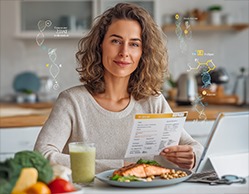
The best way to control dietary cholesterol is to give individual instructions. Qua Nutrition looks at your diet, what you eat and lifestyle. We explain your lipid profile values and what dietary adjustments will help you the most.
Our nutritionists plan cholesterol friendly Indian diet plans using commonly eaten foods and eating habits. Instead of draconian “diet lists, ” we emphasise sustainable changes. We take a holistic strategy to weight and lifestyle management because physical exercise, stress management and sleep quality influence cholesterol metabolism.
By checking your diet regularly and making changes, you can stay on track with your health goals. If you’re confused by your cholesterol stats, overwhelmed by conflicting dietary advice or want professional help that is tailored to your tastes and health condition, our staff can help you achieve sustainable heart health.
Contact Qua Nutrition today to book your personalized consultation and start managing cholesterol with evidence-based nutrition.
Building Healthier Cholesterol Habits One Meal at a Time
It’s less important to avoid foods with cholesterol than to eat a balanced, heart healthy diet. Foods rich in unsaturated fats like oats, barley, fruits, vegetables, beans, legumes, nuts, seeds, fish etc can help lower lipid levels. Limiting saturated and trans fats, deep fried foods, refined grains, added sweets and highly processed foods can also improve cardiovascular health.
Small, practical food choices can make these changes easier without losing Indian flavours. Cholesterol can be controlled over time by having a good diet, exercising often, controlling your weight and getting medical help. The key is to be consistent and eat well rather than focus on one meal or vitamin.
FAQs
Q: Do oats lower bad cholesterol?
A: Yes. Eating about 3 to 4 grams of beta-glucans a day, found in oats (a cup of cooked oatmeal), may help lower LDL cholesterol. For best results, combine oats with a healthy diet pattern, not as a stand alone solution.
Q: What fruits are good for high cholesterol?
A: Apples, berries, amla, guava, papaya and pomegranate among others contain soluble fiber and antioxidants in abundance. The key is consistency: Try to get 2-3 servings of fruit a day, and choose whole fruits over juices when you can.
Q: Can I eat rice with high cholesterol?
A: Yes, but try to eat brown rice or other whole grains more often than white rice. White rice raises blood sugar fast and makes triglycerides worse. Add legumes to rice for a complete protein and helpful fiber as well.
Q: Can nuts lower LDL cholesterol?
A: Definitely. The unsaturated fats found in nuts, seeds and oils can help lower LDL cholesterol when they replace saturated fats. A small handful a day (30g) is ideal, larger amounts just add calories with no extra benefit.
Q: So I have to stop eating eggs entirely?
A: No. Eggs have cholesterol but are nutrient dense with high quality protein and good stuff . Most studies have shown that eating an egg with a fiber containing food, such as whole wheat bread, does not significantly raise blood cholesterol in most people. Most people can safely eat 1 to 2 eggs three to four times a week.