Healthy, glowing skin isn’t the result of skincare products alone. Cleansing, moisturising, and sun protection are all important, but nutrition is also a major factor in skin health.
The skin is the body’s largest organ and acts as a protective barrier against environmental pollutants, harmful microbes, and UV radiation. It also plays a role in temperature regulation and in preventing excessive water loss.
Several nutrients are involved in maintaining healthy skin (vitamins A, C and E, zinc, selenium, essential fatty acids and antioxidants). They all play a part in collagen production, skin barrier function, tissue repair and protection against oxidative stress.
A well-balanced, nutrient-rich diet will help to keep your skin hydrated, supple and in general good condition. The best way to do this is to eat a wide variety of fruit and vegetables, nuts and seeds, and healthy fats as part of your normal diet.
Let’s look at 10 foods that can help with healthy, glowing skin.
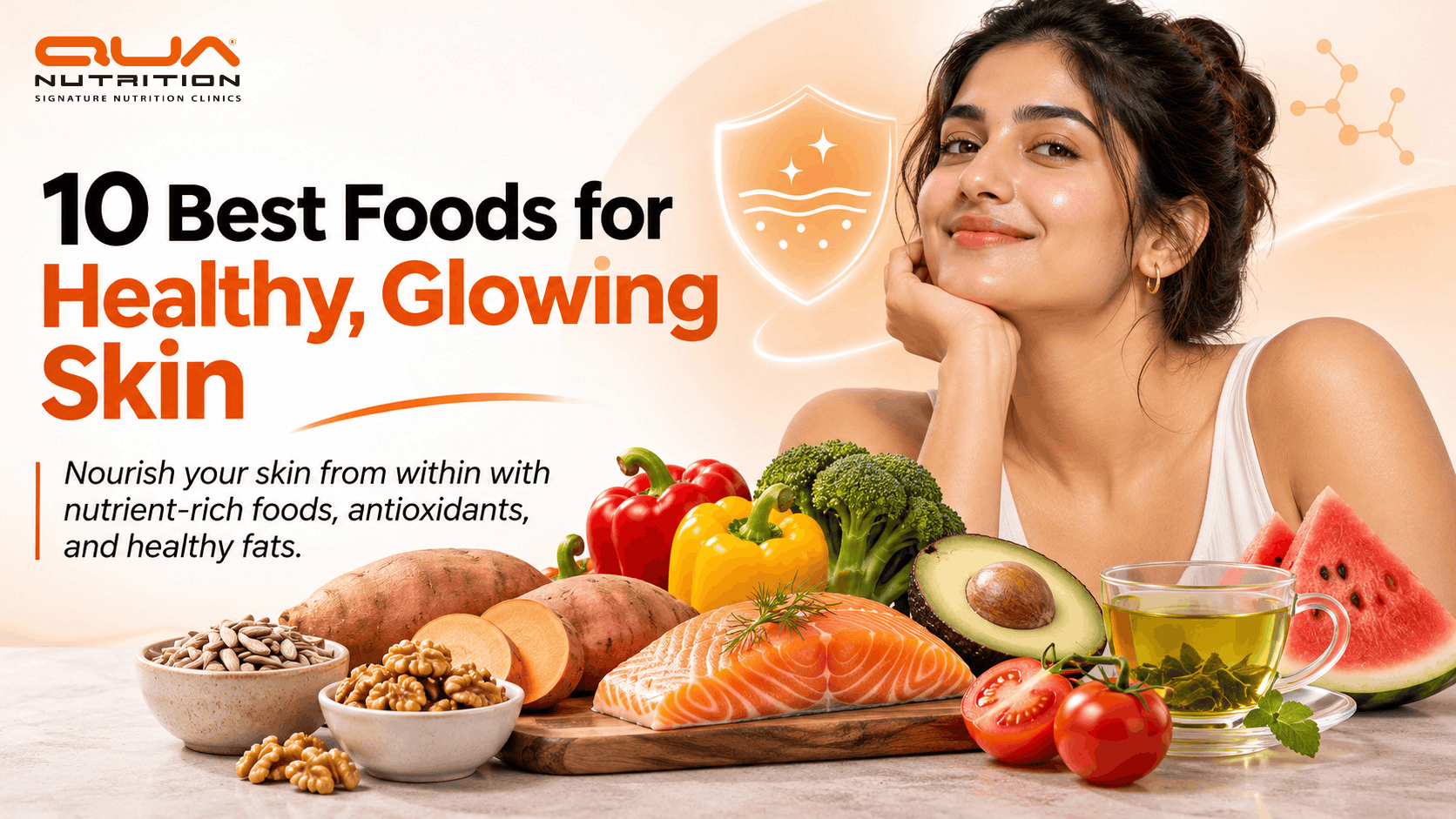
10 Best Foods to Eat for Healthy, Naturally Glowing Skin
Healthy, glowing skin starts from within. While a good skincare routine is important, the foods you eat also play a significant role in supporting skin health, hydration, elasticity, and natural collagen production.
A balanced diet rich in antioxidants, essential fatty acids, vitamins, and minerals helps support the skin barrier, protect cells from oxidative stress, and maintain normal skin function. Nutrients such as vitamins A, C and E, omega-3 fatty acids and zinc are particularly important for maintaining healthy skin.
From nutrient-rich nuts and seeds to colourful vegetables and hydrating fruits, incorporating the right foods into your daily diet can support long-term skin health.
Here are the 10 best foods for naturally glowing skin, their nutritional benefits and simple ways to include them in your everyday diet.
1. Sunflower Seeds: A Vitamin E-Rich Food for Healthy Skin
Sunflower seeds are a nutrient-dense food providing vitamin E, selenium, zinc, and the good fats. All of which are going to be beneficial to skin health.
Vitamin E is a fat-soluble antioxidant which helps to protect cell membranes from the damaging effects of free radicals (oxidative damage). It works in conjunction with other antioxidants to help support the skin’s natural defences.
Sunflower seeds also contain the essential fatty acids that help to maintain the skin barrier and reduce transepidermal water loss.
Key nutrients: Vitamin E, selenium, zinc, and the good fats.
How to include them: Add one tablespoon of unsalted sunflower seeds to your breakfast bowls, salads, smoothies, or your own homemade trail mixes.
2. Walnuts: Omega-3 Fatty Acids for Skin Barrier Health
Walnuts are excellent for their content of polyunsaturated fats, particularly alpha-linolenic acid (ALA), which is the plant-based omega-3.
Omega-3s are involved in normal cell membrane function and the regulation of inflammatory processes in the body. Adequate intake of essential fatty acids is important for the integrity of the skin barrier and for overall skin health.
Walnuts also contain vitamin E, polyphenols, and minerals, which all contribute to antioxidant protection.
Key nutrients: Omega-3s, vitamin E, copper, and polyphenols.
How to include them: Have a small Walnut soaked as a snack or add chopped walnuts to your oatmeal, salads, and smoothies.
3. Fatty Fish: Omega-3-Rich Foods That Support Skin Health
Fatty fish (salmon, sardines, mackerel, Indian bangda, etc.) are excellent sources of the omega-3s (particularly EPA and DHA).
These essential fatty acids are involved in the regulation of inflammation and in the structure and function of skin cell membranes. They may also play a role in the maintenance of skin barrier function and in skin hydration.
Fatty fish also provide high-quality protein, vitamin D, and selenium, which are all important for normal tissue maintenance and general health.
Key nutrients: EPA, DHA, vitamin D, selenium and high-quality protein.
How to include them: Include grilled, steamed, or lightly cooked fatty fish in your diet twice a week (depending on individual requirements).
Vegetarian alternative: flaxseeds, chia seeds and walnuts (plant-based omega-3s).
4. Sweet Potatoes: Beta-Carotene for Skin Cell Health
Sweet potatoes are high in beta-carotene (a plant pigment) which the body will convert into vitamin A as and when it needs it.
Vitamin A is essential for normal skin cell growth, differentiation and maintenance and is also important for the normal function of epithelial tissues (skin being the prime example).
Beta-carotene is an antioxidant and helps to protect cells from oxidative stress.
Sweet potatoes also contain vitamin C, potassium and dietary fibre, so are a very nutritious addition to a healthy diet.
Key nutrients: beta-carotene, vitamin A, vitamin C and potassium.
How to include them: enjoy them as a snack, either boiled, baked, or roasted. You can also include them in vegetable curries, salads, and soups.
5. Bell Peppers: Vitamin C for Collagen Production and Skin Health
Bell peppers (especially the red and yellow ones) are a very good source of vitamin C and carotenoids.
Vitamin C is essential for collagen synthesis. Collagen is a structural protein which gives the skin its strength and integrity. Sufficient vitamin C is required for normal collagen formation and for wound healing.
Bell peppers also contain antioxidants which help to protect the cells from oxidative damage.
Key nutrients: Vitamin C, beta-carotene and other carotenoids.
How to use them: Add the coloured bell peppers to your salads, your vegetable stir-fries, your sandwiches and your homemade soups.
6. Avocados: Healthy Fats and Vitamin E for Skin Hydration
Avocados are high in monounsaturated fat, vitamin E and a range of other beneficial plant compounds.
Healthy dietary fats are important for maintaining a normal skin barrier and for the absorption of the fat-soluble vitamins. Vitamin E is an antioxidant and helps to protect the cells against oxidative stress.
Avocados also contain vitamin C (which is involved in collagen synthesis), folate and potassium.
Regular inclusion of appropriate amounts of avocado as part of a balanced diet will contribute to overall nutrient intake and skin health.
Key nutrients: monounsaturated fats, vitamin E, vitamin C and folate.
How to include them: Add to wholegrain toast, salads, smoothies or your own homemade dips.
7. Broccoli: Antioxidant-Rich Nutrition for Healthy Skin
Broccoli is a highly nutritious cruciferous vegetable containing vitamin C, vitamin K, folate, fibre and a range of antioxidant compounds.
Vitamin C is involved in collagen formation and a range of other plant derived compounds (including sulforaphane) have been studied for their potential to provide protection against oxidative stress and against UV induced skin damage.
Broccoli also contains carotenoids which are part of the body’s antioxidant defence system.
Key nutrients: Vitamin C, vitamin K, folate and sulforaphane precursors.
How to include them: add lightly steamed broccoli to salads, vegetable stir-fries, soups or any other mixed vegetable dish.
8. Tomatoes: Lycopene and Antioxidants for Skin Protection
Tomatoes are a significant dietary source of lycopene (a carotenoid with antioxidant properties).
Lycopene helps to protect cells against oxidative stress. It’s been suggested that regular consumption of lycopene-rich foods may provide some degree of protection against UV-induced skin damage.
Tomatoes also provide vitamin C, potassium, and a range of other carotenoids which all contribute to skin health.
However eating tomatoes doesn’t in any way replace sunscreen or other sun protection.
Key nutrients: lycopene, vitamin C, beta-carotene and potassium.
How to use them: in salads, soups, chutneys, and vegetable curries (use fresh tomatoes). Cooking them with a little oil will increase the bioavailability of the lycopene.
9. Green Tea: Antioxidant Benefits of Catechins for Skin Health
Green tea contains naturally occurring polyphenols known as catechins, particularly epigallocatechin gallate (EGCG).
These compounds have antioxidant and anti-inflammatory properties and have been looked at for their potential to protect skin cells from the stresses of the environment.
Some research does suggest that green tea polyphenols may help to mitigate certain effects of UV exposure. The evidence as to their direct effect on visible skin ageing and hydration in humans is still very much in its infancy.
Green tea can be a useful addition to a healthy dietary pattern if you’re consuming it without any excessive added sugar.
Key nutrients and compounds: Catechins, EGCG, and other polyphenols.
How to use it: Have one cup of unsweetened green tea as part of your normal day if you can tolerate it.
10. Watermelon: A Hydrating Fruit That Supports Skin Health
Watermelon is a very hydrating fruit – high in water content and therefore a useful addition to your daily fluid intake.
It contains lycopene, beta-carotene, and vitamin C, which contribute to antioxidant protection and to normal skin function.
Adequate hydration is important for normal skin function and vitamin C is essential for collagen synthesis.
Watermelon also contains citrulline, an amino acid which is involved in nitric oxide metabolism and blood vessel function.
Watermelon itself won’t hydrate your skin or get rid of wrinkles, but it can be part of a well-balanced diet and will contribute to your fluid intake.
Key nutrients: water, lycopene, beta-carotene, vitamin C and citrulline.
How to use it: Eat fresh watermelon as a mid-morning snack, in a fruit bowl or as part of a meal.
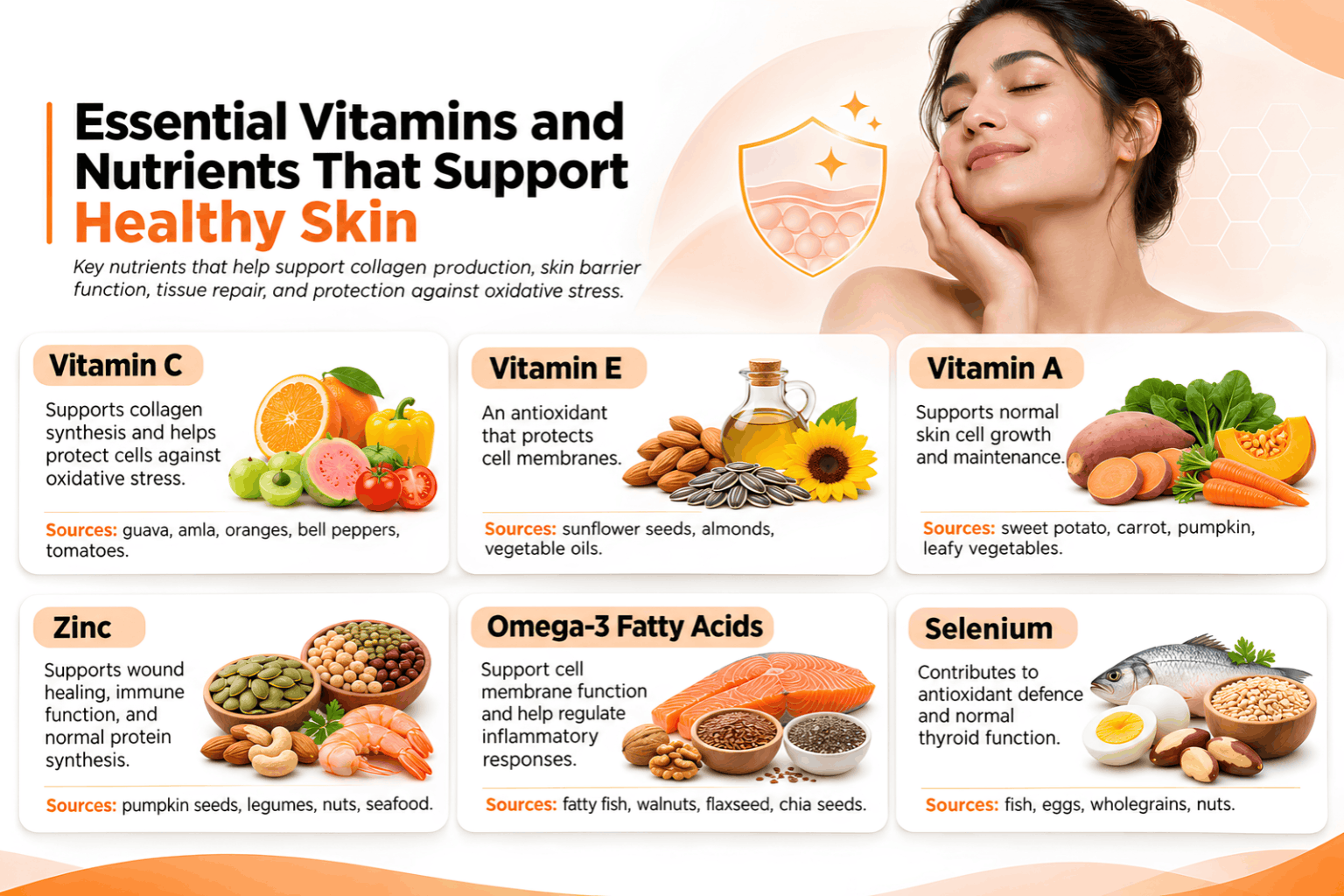
Essential Vitamins and Nutrients That Support Healthy Skin
Beyond individual foods, understanding the nutrients that are responsible for skin health can go a long way to helping you make better food choices.
- Vitamin C: Supports collagen synthesis and helps to protect the cells against oxidative stress. Sources include guava, amla, oranges, bell peppers, and tomatoes.
- Vitamin E: an antioxidant that protects cell membranes. Found in sunflower seeds, almonds, and vegetable oils.
- Vitamin A: for normal skin cell growth and maintenance. Sources are sweet potato, carrot, pumpkin and leafy veg.
- Zinc: for normal wound healing, normal immune function and normal protein synthesis. Sources: pumpkin seeds, legumes, nuts and seafood.
- Omega-3 fatty acids: support cell membrane function and help to regulate inflammatory responses. Sources include fatty fish, walnuts, flaxseed and chia seeds.
- Selenium: contributes to antioxidant defence and to normal thyroid function. Sources are fish, eggs, whole grains and nuts.
7 Healthy Lifestyle Habits to Improve Skin Health Naturally
Nutrition is only one aspect of healthy skin. Healthy skin is also the result of consistent lifestyle habits
- Stay well hydrated: drink enough water throughout the day according to your own individual needs, your level of activity, and the weather.
- Prioritise quality sleep: aim for approximately 7–9 hours each night to allow for normal recovery and good health.
- Use sunscreen: Apply a broad-spectrum SPF 30 or higher sunscreen and reapply as directed, especially if you’re going to be out in the sun for a long period of time.
- Eat a balanced diet (fruits and vegetables, whole grains, protein sources, nuts and healthy fats).
- Limit excessive added sugar: reduce your intake of sugar-sweetened beverages and highly processed foods.
- Don’t smoke: smoking leads to oxidative stress and speeds up visible skin aging.
- Keep active: regular exercise is good for the heart and in general good for you.
How Qua Nutrition Supports Skin Health Through Personalised Nutrition
At Qua Nutrition, we know that healthy skin is a result of several factors, including nutritional status, hormonal balance, lifestyle, gut health and individual dietary needs.
Our approach is all about looking at the nutritional factors that may impact skin health rather than just looking at individual foods or some kind of generic beauty diet.
Through personalised nutrition guidance, Qua Nutrition aims to:
- Assess nutritional requirements: look at the diet and work out any potential nutritional deficiencies that could be impacting the skin.
- Identify the dietary deficiencies: recognise inadequate intake of vitamins C and E, zinc, vitamin A and the essential fatty acids.
- Develop individualised nutrition plans: Recommend practical, nutrient-dense meal plans according to individual preference, dietary patterns and lifestyle.
- Support gut and metabolic health: promote balanced eating patterns that support both metabolic and gut health.
- Monitor nutritional progress: look at the dietary changes and nutritional adequacy to promote sustainable improvements.
For people with chronic acne, atypical dryness of the skin, changes to the hair and skin, or with suspected nutritional deficiencies, a tailored assessment may help to determine whether dietary factors are in any way playing a part. A medical assessment by a dermatologist may also be required.
At Qua Nutrition we genuinely believe that healthy skin starts with understanding your body’s nutritional requirements. We aim to make personal nutrition a viable part of your long-term wellness journey.
Nourish Your Skin from Within: The Importance of a Balanced Diet
Healthy glowing skin is the product of consistent care, balanced nutrition and healthy lifestyle habits. Skincare products will of course help to protect and maintain the skin externally, but it’s the nutrients we get through our food that actually support the structure and function of the skin and its natural ability to repair itself.
Foods such as sunflower seeds, walnuts, fatty fish, sweet potatoes, bell peppers, avocados, broccoli, tomatoes, green tea and watermelon all contain the vitamins, minerals, healthy fats and antioxidants that are essential to good skin health.
Rather than go in for a single superfood or some expensive supplement, just eat a varied, nutrient-dense diet that meets your own individual needs.
Remember, healthy skin is not about getting a certain complexion. It’s about having a healthy, well-nourished skin barrier and being generally well from the inside out. Nourish your body consistently, protect your skin every day, and let good nutrition become part of your skincare regime.
Frequently Asked Questions About Foods for Glowing Skin
1. What food is best for healthy, glowing skin?
There’s no one best food for glowing skin. A mix of fruit, veg, nuts, seeds and omega-3s will provide the nutrients that support collagen production, skin barrier function and antioxidant protection.
2. Which vitamins are important for skin health?
Vitamins A, C, and E are all important for skin health. A is involved in normal skin cell development, C is essential for collagen synthesis, and E provides antioxidant protection. Sufficient intake of zinc and selenium will also contribute to normal skin function.
3. Can drinking water improve skin health?
Adequate water intake is important for maintaining normal hydration and for the proper functioning of the body as a whole. Drinking too much water however doesn’t necessarily result in better skin. Individual fluid requirements will vary depending on body weight, activity level and climate.
4. Do omega-3s help with skin health?
Omega-3s are involved in normal cell membrane function and the regulation of inflammatory responses. Fatty fish, walnuts, flaxseed and chia seed are all good sources which can be incorporated into a balanced diet to support skin health.
5. How long does it take for dietary changes to improve skin health?
The time required varies depending on individual nutritional status, skin condition, genetics, hormonal factors and lifestyle habits. Consistent dietary improvements may support skin health over time, but visible changes are not guaranteed. Persistent acne, rashes or other skin concerns should be evaluated by a dermatologist.