Colds and flu are common during cooler and wetter months, when people spend more time indoors and come into closer contact with others. During this time, eating nutrient-rich food becomes especially important. A balanced diet provides the body with nutrients to support the immune system and fight infections. While no particular food can prevent colds or flu, the right food choices can help maintain your health and support recovery when you fall ill. Including fresh fruits, vegetables, whole grains, and protein-rich foods in your meals is a good place to start. Here are some foods and nutrients to include in your diet for nutrition for cold and flu season.
How Nutrition Affects Your Immune System
Your body needs a wide range of nutrients to keep the immune system functioning properly. Vitamins, minerals, and protein help immune cells develop and fight infections. Vitamin D, zinc, and iron support these functions, while protein helps repair body tissues. Gut health also plays a part in immunity. Foods such as fruits, vegetables, whole grains, and fermented products provide fibre and other nutrients that support gut health. A lack of certain nutrients can weaken immune function. Include a variety of foods in your daily diet to get the nutrients your body needs rather than relying on a single food.
Nutrients for Cold and Flu Season
During cold and flu season, certain nutrients are particularly important for immune function. Some help immune cells fight infections, while others support gut health and normal body functions. Here are some nutrients to include in your diet:
- Vitamin C: Oranges, guava, amla, lemons, and bell peppers are good sources of vitamin C, which helps immune cells function properly. Regular intake may slightly shorten the duration of a cold, although it does not prevent most people from catching one.
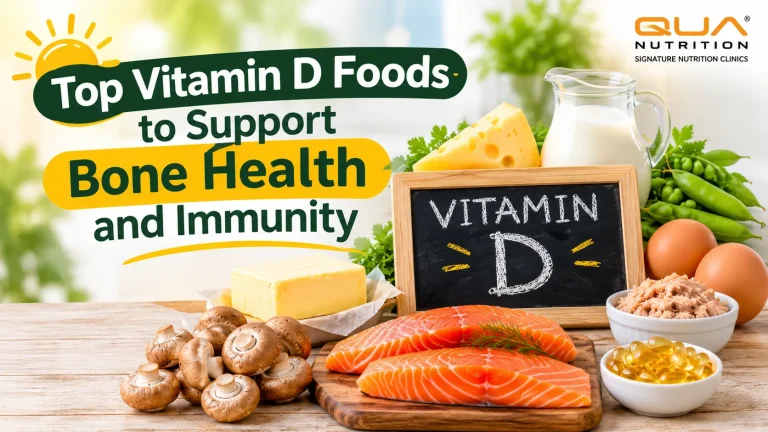
- Vitamin D: This vitamin supports immune function. Low vitamin D levels have been associated with a higher risk of respiratory infections. People with low vitamin D levels may benefit from supplements, but taking more than the recommended amount can be harmful.
- Zinc: Zinc helps immune cells develop and function. Foods such as pumpkin seeds, beans, nuts, and dairy products are good sources of zinc.
- Protein, Iron and Selenium: Protein helps the body produce antibodies and repair tissues. Iron supports immune cell function, while selenium helps protect cells from damage. Include eggs, pulses, fish, nuts, and whole grains in your diet.
- Antioxidants and Omega-3 Fats: Fruits and vegetables provide antioxidants that protect cells from damage. Fish, walnuts, and flaxseeds are sources of omega-3 fats, which help regulate inflammation.
Best Immunity-Boosting Foods When You Have a Cold and Flu
Eating a variety of nutritious foods helps you get the vitamins, minerals, and other nutrients your body needs. Include fruits, vegetables, protein-rich foods, and sources of fibre in your daily meals. Here are some options for immunity-boosting foods to consider:
Fruits and Vegetables
Citrus fruits, amla, and guava are rich in vitamin C. Bell peppers, spinach, and broccoli add vitamin C, folate, and fibre. Berries and other colourful fruits and vegetables are rich in antioxidants. Aim for a different colour at each meal and choose whole fruit over juice.
Immune-Supporting Spices and Herbs
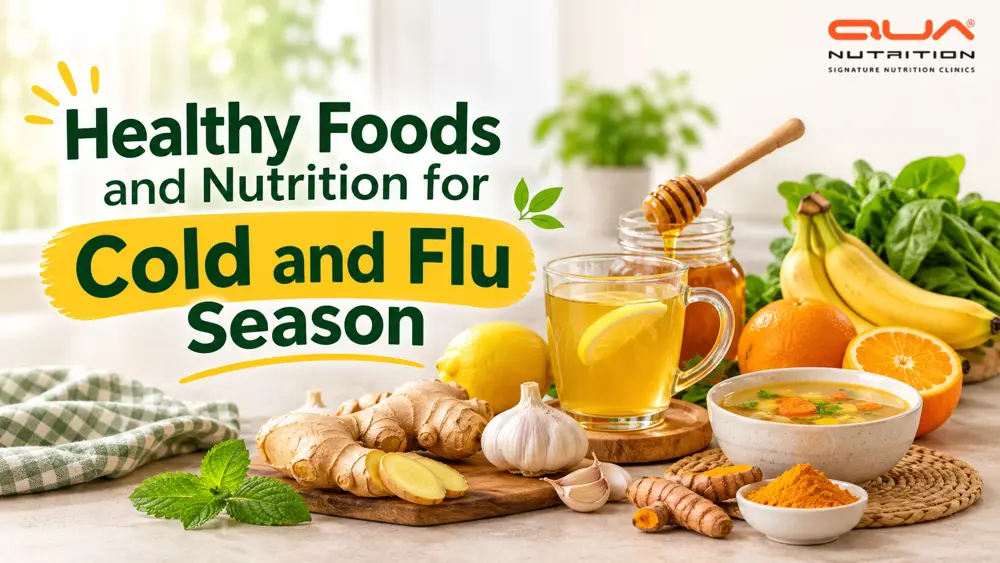
Ginger, turmeric and garlic are traditional foods during colds, and tulsi, black pepper and cinnamon add flavour and warmth. Research on their effects on colds is limited, so treat them as pleasant additions to a good diet.
Protein and Zinc Sources
Eggs, chicken and fish provide protein and zinc, and fatty fish also provide vitamin D. Legumes, nuts and seeds, such as dal, chickpeas, almonds and pumpkin seeds, work well for vegetarians.
Gut-Friendly Foods
Curd, yogurt and other fermented foods provide live bacteria. Fibre-rich whole grains, such as oats, millets and brown rice, feed the gut bacteria that support immunity.
What to Eat and Drink When You Have a Cold or Flu
When you have a cold or flu, eating well and drinking enough fluids can support your recovery. Choose foods that are easy to digest and comfortable to eat, especially when your appetite is low. Here are some food choices:
- Warm Fluids: Soups, broths, herbal teas, and turmeric milk can provide comfort and soothe a sore throat.
- Simple Meals: Khichdi, dal, porridge, or plain rice with curd are good options when you don’t feel like eating much.
- Proper Hydration: Fever and a runny nose can increase fluid loss. Drink water, coconut water, or oral rehydration solutions as needed.
- Relief for Cough and Congestion: Warm drinks may soothe an irritated throat. Honey mixed with warm water or tea can help relieve a cough in adults.
- Fruits and Vegetables: Include fruits such as bananas, oranges, and papaya, along with cooked vegetables, to get essential vitamins, minerals, and fibre.
Foods and Drinks to Limit During Cold and Flu Season
Your food choices also matter when you’re trying to maintain a balanced diet. Try to limit the following:
- Sugary drinks and sweets offer little to no nutritional value.
- Alcohol can interfere with sleep and leave you tired.
- Caffeinated drinks like coffee or tea can also affect sleep when consumed before bedtime.
- Highly processed and fried foods may provide fewer nutrients than a balanced meal.
- Excessive salt from chips, salted nuts, and packaged foods can increase your daily sodium intake.
One-Day Meal Plan for Immunity Support
This one-day meal plan offers a range of nutritious choices, with vegetarian and non-vegetarian options for each meal.
| Meal | Vegetarian | Non-Vegetarian |
| Breakfast | Vegetable oats or ragi porridge with walnuts and an orange | Boiled eggs with whole wheat toast and fruit |
| Lunch | Dal, mixed vegetables, millet roti and curd | Light fish curry, vegetables and brown rice |
| Snack | Guava or roasted chana, with ginger-tulsi tea | Guava or a handful of almonds, with ginger-tulsi tea |
| Dinner | Vegetable khichdi with a bowl of soup | Chicken and vegetable soup with a small portion of rice |
Lifestyle Habits That Support Immunity
Eating well supports immune health, but your daily habits also play an important role. Getting enough sleep, staying active, and managing stress can also help keep your immune system working well. Try to follow these simple practices in addition to a balanced diet:
- Get Enough Sleep: Aim for seven to nine hours each night, as poor sleep can affect immune responses.
- Manage Stress: Walking, breathing exercises, and hobbies can help you manage everyday stress.
- Stay Active: Make time for regular moderate exercise, such as brisk walking.
- Maintain Good Hygiene: Wash your hands regularly to reduce the spread of germs.
Getting Personalized Guidance
Nutritional needs vary depending on a person’s age, health conditions, medications, and lifestyle. A child, an older adult, and someone with diabetes may require different dietary plans. Ryan Fernando, founder of Qua Nutrition, believes that nutrition plans should be based on individual needs rather than general recommendations. Qua Nutrition offers personalised nutrition plans that target your health history, food habits, and goals. For personalised nutrition guidance during cold and flu season, book a consultation with a qualified nutritionist. Seek medical attention if you have a high fever, a fever lasting more than three days, difficulty breathing, chest pain, or confusion. You should also consult a doctor if symptoms last longer than a week or worsen after initially improving.
Common Myths About Food, Colds and Flu
Food and illness are often surrounded by beliefs that are passed around at home and online. The table below shows three common beliefs and what the evidence actually says:
| Myth | Fact |
| Vitamin C pills prevent colds. | Regular intake slightly shortens colds in some people but does not stop most people from catching them. |
| Dairy makes more mucus. | There is no good evidence that milk increases mucus, though it may feel thicker for some people. |
| Starve a fever and feed a cold. | Your body needs fluids and nourishment whenever you are ill. |
Eating Well to Support Your Immunity During Cold and Flu Season
During cold and flu season, try to include a variety of immunity-boosting foods in your daily meals. Fresh fruits, vegetables, whole grains, eggs, fish, nuts, and seeds all provide nutrients your body needs. Foods rich in vitamin C, zinc, and other essential nutrients help maintain normal immune function. If you catch a cold or flu, warm soups and light meals may be easier to eat, while drinking enough fluids helps prevent dehydration. No single food or supplement can prevent infections, so focus on eating a balanced diet and maintaining healthy daily habits. In addition, get enough sleep and stay physically active. For advice on nutrition and maintaining a balanced diet, speak to our team. Contact Qua Nutrition to learn more about our nutrition services or book a consultation.
FAQs
1. What are the best foods to eat during cold and flu season?
Some of the best immunity-boosting foods include citrus fruits, amla, guava, leafy greens, eggs, fish, legumes, nuts, curd, and whole grains.
2. What should I eat when I have a cold or flu?
Choose warm soups, khichdi, dal, porridge, and plenty of fluids. Small meals may be easier to manage when your appetite is low.
3. Does vitamin C prevent colds?
Vitamin C does not prevent colds in most people. However, regular intake may slightly reduce how long a cold lasts.
4. Should I avoid dairy when I have a cold?
No. There is no good evidence that dairy increases mucus production. You can continue eating dairy if you tolerate it well.
5. Can food boost immunity quickly?
No single food or supplement can improve immunity overnight. A balanced diet, enough sleep, and regular physical activity help support immune health.