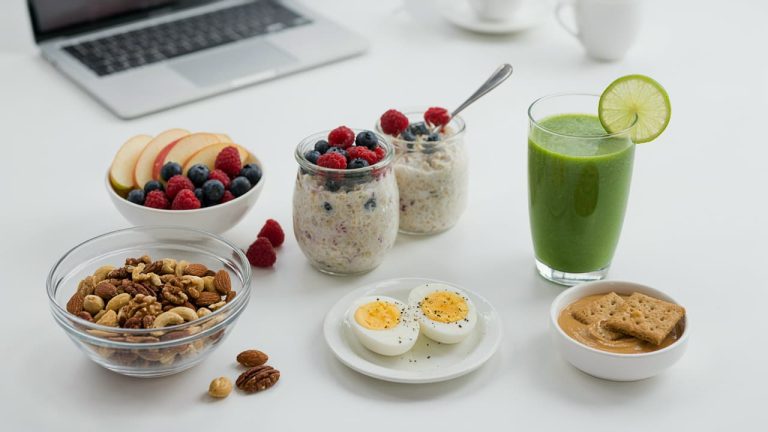
The advice you were given for fatty liver probably revolved in the evening. Less fried food. No drinking. Lighter meals at night. Breakfast is an unusual event. Breakfast doesn’t feel like a “risky” meal, so most Indians eat sugary tea, refined-flour parathas, bottled juice and deep-fried snacks every day without a second thought.
Non-alcoholic fatty liver disease (NAFLD) is associated with obesity, insulin resistance and a high intake of refined carbs, added sugar and bad fats. Nutrition scientists have long connected the condition to processed, sugary and fried foods, and to poor weight management. One of the easiest ways to start fixing that pattern is with breakfast. You do it every day, after all, and the beauty of a regular habit is that small tweaks to it can pay big dividends over months.
Breakfast sets the metabolic tone for the day and is a high-leverage meal for fatty liver. A breakfast high in sugar and low in protein results in hunger and cravings by mid-morning, leading to snacking on processed foods before lunch. A good breakfast will delay the need to eat fatty liver inducing food and keep blood sugar levels on an even keel.
What Should a Fatty Liver-Friendly Breakfast Look Like? Building a Balanced Morning Meal
There are usually four things going for a liver-friendly breakfast:
1. Low glycemic load: foods that do not cause abrupt spikes in blood sugar as insulin resistance is one of the key ways fat gets stored in the liver
2. Adequate Protein: contributes to maintenance of lean body mass during weight loss and enhances satiety without extra saturated fat
3. Fiber: Found in whole grains, vegetables, and legumes, it slows down sugar absorption and promotes gut and metabolic health
4. Little added sugar and little added fat: conventional dietary advice advocates limiting added sugar to a small proportion of daily calories, and keeping cooking oil or ghee low, rather than eliminating either.
15 Indian Breakfast Ideas for Fatty Liver: Healthy, Nutritious, and Easy Options
1. Moong Dal Chilla + Vegetable Stuffing + Curd
A savory pancake of lentils and grated veggies with curd on the side. It’s high in protein and fiber and the curd adds probiotics and more staying power.
2. Veg Oats Upma + Egg
Oats provide soluble fiber that delays sugar absorption, and the egg provides protein – a combo that keeps you feeling full into the morning.
3. Sambar Ragi Dosa
Finger millet has a lower glycemic index than refined rice and the dal based sambar adds both protein and fiber to balance the meal.
4. Adai + Sambar with Veggies
Multi-lentil dosa, inherently higher in protein than a regular rice dosa, with a veggie-loaded sambar for added fiber.
5. Curd + Vegetable Millet Upma
Swapping semolina for millets reduces the glycemic load significantly, while adding curd on the side adds protein without the need for extra cooking.
6. Besan Chilla with Veg Stuffing
Chickpea flour is loaded with fiber and is slow-digesting as well, and when you add vegetables to it, you get volume and nutrition without sugar or refined carbs.
7. Vegetable Poha + Peanuts + Curd
A smaller protein-boosted take on a classic – peanuts offer crunch and protein, curd rounds out the meal and the vegetables add fiber that regular poha lacks.
8. Jowar Veg Dosa + Sambhar
Sorghum dosa batter has a higher fiber content and less of an influence on blood sugar than a refined-rice dosa, particularly when consumed with sambar.
9. Dal Dosa with Vegetable Sambar
The batter has several lentils in it which really ups the protein factor compared to a regular dosa. It is fermented which makes it simple to digest.
10. Vegetable Egg Uttapam with Sambar
A thick pancake topped with vegetables and egg blended into the batter – rich protein and the sambar on the side adds fiber and further balances the plate.
11. Egg + Broken Wheat Vegetable Upma
Broken wheat has higher fiber content than polished grains and the egg adds protein to this truly balanced breakfast.
12. Moong Dal Idli with Vegetable Sambar
Steamed and fermented, this is protein rich and uses some moong dal instead of rice in the classic idli batter, which gives you a milder glycemic reaction and greater lasting power.
13. Sundal with chickpeas + Dosa with millet
Sundal (cooked, mildly spiced chickpeas) is a heavy hitter protein and fiber addition along with a lower glycemic millet dosa – a strange but very effective combination.
14. Vegetable Upma with Quinoa + Curd
Quinoa has more fiber than semolina and is a complete protein, and a side of curd adds probiotics and additional protein.
15. Chia Seeds + Greek Yogurt + Berries + Overnight Oats
A no-cook recipe that includes soluble fiber from oats, protein from Greek yogurt, omega-3s and fiber from chia seeds, and antioxidants from berries-prepared the night before for really busy mornings.
None of this requires any special “diet food.” That means rethinking the same foods you already eat with better ratios, smarter pairings, and softer cooking methods.
How to Build a Balanced Indian Breakfast for Fatty Liver: A Simple Plate Approach
For any breakfast (even if it’s not on the list above), use this simple structure:
Protein + Fiber Rich Carb + Vegetables + As little additional fat as possible
If a dish lacks protein or fiber, have a side dish like curd, a boiled egg, a small bowl of sprouts or a lentil-based sambar, instead of eating the carb-heavy dish alone. Almost each of the options above already follows this pattern: a base meal combined intentionally with a protein or fiber source, not eaten on its own. That combination is providing more nutritional benefit than any one “superfood” switch ever could.
Best High-Protein Foods for Breakfast to Support Weight Management and Liver Health
Vegetarian: moong dal, besan, mixed dals, curd, greek yogurt, chick peas, sprouts
Non-Vegetarian: eggs (most people can take whole eggs in moderation; if you have specific concerns about lipids, ask your doctor)
Why this matters: protein slows gastric emptying and blunts the blood sugar response of the meal, which is directly relevant to the insulin resistance that drives fat formation in the liver. It also increases your feeling of fullness, which helps lessen the temptation to nibble on refined or sugary meals before lunch.
What Are the Best Carbohydrates for Fatty Liver? Choosing Better Breakfast Carbs
In our bodies, not all carbs are the same. Lower glycemic load and increased fiber are the priority for fatty liver:
Best options: Millets (ragi, jowar, bajra), oats, broken wheat, full moong, quinoa
Limit: Intake of products made of white rice , semolina (suji/rava) and maida
Why: refined carbs are quickly digested and absorbed, creating sudden rises in glucose and insulin, a pattern strongly related to increased insulin resistance and liver fat over time. Conversely, whole grains and millets release glucose more slowly, reducing the pressure on the insulin response with each meal.
Sugar and Fatty Liver: What to Watch Out for in Your Morning Breakfast
In particular, fructose, found in table sugar, packaged fruit juices, sweetened tea/coffee and many packaged cereals, is metabolized directly by the liver and in excess promotes fat storage in the liver. This is one of the more obvious diet-related ties to NAFLD, and it’s also one of the easier ones to overlook, because sugar in your tea or coffee doesn’t really feel like a “food choice” the way something sweet does.
Seek out :
1. Sugar in tea/coffee (even 2-3 cups a day adds up over a week)
2. Packaged fruit juices (whole fruit is healthier, it has fiber that delays the absorption of sugar)
3. Sweetened morning cereals and flavored yogurts
4. Sheera or various sweets consumed during breakfast, made with jaggery or sugar syrup
The aim should be to keep added sugar to a tiny, intentional amount, with most nutritionists recommending far less than 25-30g a day for an average adult, and breakfast drinks can easily make up a substantial portion of that if not tracked.
Oil, Ghee, and Butter for Fatty Liver: How Much Fat Is Appropriate? >/h2>
Fat is not the enemy – it is the excess and the wrong kind. A high fat diet is often one in which a considerable proportion of the energy we get each day comes from extra cooking oils, ghee or butter, far more than is necessary for flavor and cooking. A paratha drenched in ghee or a dosa with a hefty tempering can wipe off a good part of a day’s fat intake even before the day has begun.
Practical approach
1. Use oil for tempering/cooking, not for a pool on the plate
2. Use steaming, boiling or light sautéing in place of deep frying
3. Ghee is fine in little measured amounts – it’s the amount that is the problem, not the item itself
4. Hidden fat sources: Pre-fried snacks, bakery goods and packaged foods often have more additional fat than a home-cooked dish, even if they don’t taste oily.
Common Breakfast Mistakes to Avoid When Managing Fatty Liver
1. Assuming “vegetarian” inherently equals liver-friendly: A sugar-heavy tea and a maida paratha are vegetarian and can still work against you. The problem is the refined carbs and sugar, not the absence of meat.
2. Drinking fruit juice as a health drink: Juicing removes the fiber that would decrease the absorption of sugar. Eat the fruit as is, preferably with a protein source.
3. Assuming “healthy” dishes are one size only: A big bowl of upma or poha, even without sugar, is still a big dosage of refined carbohydrate. The problem isn’t the food, it’s generally the portion quantity.
4. Forgoing breakfast to “save calories”: This can backfire to overeating later in the day and doesn’t address the underlying insulin resistance generating fatty liver, in fact, it can make blood sugar swings worse, not better.
5. Eating the same “safe” cuisine every day, no diversity: Even a decent breakfast needs to be rotated – different grains, different proteins and different veggies offer a wider spectrum of nutrients than any meal can supply by itself.
Can Losing Weight Help Fatty Liver? Understanding the Role of Healthy Weight Loss
Yes, weight loss is consistently one of the most effective therapies to reduce liver fat, especially when it is progressive rather than quick. A rate of about half a kilogram a week, using a nutritionally complete diet rather than crash dieting other unregulated weight-loss procedures, often works best.
In certain situations, rapid weight loss can actually put further stress on the liver, which is one more reason an organized, steady approach rather than an aggressive one tends to perform better for fatty liver especially. For many persons, even a small weight loss (5-10% of body weight) has been related with measurable reductions in liver fat. This is a realistic and motivating target rather than an all-or-nothing goal.
When Does Personalisation Matter? Creating the Right Fatty Liver Diet for Your Individual Needs
General suggestions such as this article can get you most of the way there but fatty liver is not one ailment with one diet plan. When personalized nutrition is more important:
You have diabetes, high triglycerides or thyroid difficulties, along with fatty liver You have raised liver enzymes or a specific stage of NAFLD noted by your doctor You’ve tried generic “eat healthy” recommendations without seeing results
You need a strategy that works with your particular food preferences, timetable and any other health issues you may have.
A one size fits all breakfast list is a start, not a replacement for a strategy developed around your real test results and lifestyle.
Conclusion
Indian food can still be a part of a fatty liver friendly breakfast. Focus on protein, fiber-rich carbs, veggies, appropriate portion sizes, and low added sugar and fat.
You can add some balance to your breakfast by choosing simple selections like moong dal chilla with curd, ragi dosa with sambar, or vegetable poha with peanuts. Limit sweetened drinks, fried foods, refined-flour goods and highly processed foods all together.
There is no best breakfast for everyone. Choose meals you enjoy, keep variety and portion sizes in check, and make small persistent modifications that support your liver and general metabolic health.
At QUA Nutrition, our specialized dietitians and nutritionists help you create a personalized diet plan for fatty liver. Our expert team will guide you throughout your journey toward better nutrition and overall health.
FAQs
Q: Does idly help in fatty liver?
A: Yes, in the majority of cases. Idli is steamed and fermented, both softer cooking methods that don’t add fat. Combine with a protein-rich chutney or lentil side and serve in a moderate serving for a balanced meal.
Q: Is dosa good or bad for fatty liver?
A: Plain dosa prepared from fermented batter is good in moderation, especially when cooked with little oil. A plain rice dosa is not as good as a ragi, jowar or mixed-dal dosa, which has a lower glycemic load and the addition of sambar provides essential protein and fiber.
Q: Is poha good for fatty liver?
A: Yes but it’s all in the portion and preparation. Mostly refined carbs. A massive platter of poha, oil laden, with little else. A more balanced variation is a smaller dish laden with peanuts, veggies and a side of curd.
Q: If you have fatty liver, is fruit good for breakfast?
A: Whole fruit is usually ok, and even good, because the fiber in it slows down the absorption of sugar compared to juice. Pair a protein source, such as Greek yogurt, chia seeds or a handful of nuts with your fruit for a more balanced meal than just fruit.
Q: Which Indian breakfast is good for fatty liver and diabetes?
A: Foods that are low in glycemic load and high in protein tend to be good choices for both illnesses. Moong dal chilla with curd, ragi or jowar dosa with sambar and chickpea sundal with millet dosa all are really good options. In this situation, a personalized food plan is extremely helpful, because managing both diseases at once often requires more specific instructions.