The primary factor for women’s overall health is a healthy menstrual cycle. However, to ensure a healthy menstrual cycle, nutrition is one of the most important factors to consider. Many women face the issue of irregular periods and mood swings at times.
Proper guidance from a nutritionist or dietitian will help ease PMS. They can help you with a nutrition plan that works in tune with your hormones, lifestyle, and even your genetic risk factors.
At Qua Nutrition, dietitians use a scientific, personalised approach for the purpose. We consider your age, lifestyle, medical history, and even genetic reports to design nutrition plans to support menstrual health and long-term disease prevention.
What Causes PMS? Understanding the Hormonal Connection
PMS or premenstrual syndrome is primarily caused by the fluctuations in oestrogen and progesterone during the luteal phase (the two weeks before your period). These hormonal fluctuations can affect neurotransmitters like serotonin. These can influence mood, appetite, and sleep.
Poor diet, high stress, lack of sleep, and other nutritional deficiencies can aggravate symptoms of PMS. These can result in issues such as cramps, irritability, and water retention. A dietitian for women can help you use the best nutrition to address these concerns. Proper hormone metabolism and gut health are essential for managing PMS, and nutrition plans can be highly effective here.
Common PMS Symptoms That Nutrition Can Help Manage
Most PMS symptoms can respond to changes in nutrition. However, it is essential to apply them over consistent cycles.
Some of the common symptoms that can be addressed with nutrition include
- Bloating and water retention
- Breast tenderness
- Headaches and cramps
- Fatigue and low energy
- Food cravings, especially for sugar and salt
- Mood swings, anxiety, and irritability
A balanced diet would include whole grains, fruits, vegetables, lean protein, and healthy fats. It can help regulate the blood sugar, support fluid balance, and calm inflammation, all of which can ease these symptoms.
Essential Nutrients That Help Reduce PMS Symptoms
A few specific nutrients are quite essential for reducing PMS symptoms.
- Magnesium – It supports muscle relaxation, reduces cramps, and also helps reduce anxiety.
- Vitamin B6 – It helps produce neurotransmitters, which help address mood swings and irritability.
- Calcium – It may reduce mood changes, fatigue, and cramps.
- Omega 3 fatty acids – These are found in fatty fish. It helps reduce inflammation and menstrual cramps.
- Iron – It is a very important option for preventing fatigue and replenishing the losses during the menstrual bleeding.
Dietitians at Qua Nutrition also review your blood tests and, where relevant, genetic markers related to nutrient metabolism and hormone pathways to fine‑tune these nutrient targets for you.
Best Foods to Eat for PMS Relief
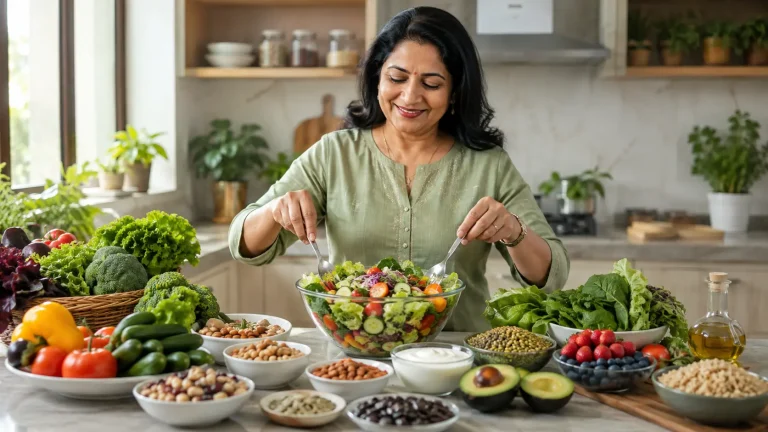
The food plate that focuses on a PMS-friendly diet should ideally include whole and minimally processed foods.
- Leafy greens like spinach, kale, and fenugreek are rich in iron, calcium, and magnesium.
- Whole grains such as oats, quinoa, millets, and brown rice provide steady energy and better mood stability.
- Fatty fish like salmon and sardines are rich in omega‑3s that help with pain and inflammation.
- Nuts and seeds (pumpkin, flax, sunflower, almonds) for magnesium, zinc, and healthy fats that support hormone balance.
- Fruits, especially bananas and berries, are rich in fibre, potassium, and antioxidants that reduce bloating and oxidative stress.
Personalised plans from Qua Nutrition include these food groups according to your symptoms, cultural food preferences, and health conditions such as PCOS, thyroid issues, or a family history of hormone‑related cancers.
Foods That May Worsen PMS Symptoms
Some of the foods that can make the PMS symptoms worse include
- Sugary snacks and refined carbs can spike and crash blood sugar, worsening fatigue, mood swings, and cravings.
- Excess salt encourages water retention and bloating.
- Ultra‑processed foods high in trans fats and additives may drive inflammation and period pain.
- Too much caffeine may increase anxiety, breast tenderness, and sleep disruption in some women.
- Heavy, greasy meals can aggravate digestive discomfort and nausea.
A dietitian helps you identify your personal triggers and suggests realistic swaps rather than strict restrictions.
Dietitian-Recommended Nutrition Tips to Manage PMS Naturally
A dietitian would typically recommend the following food options for managing PMS naturally.
- Eat regular, balanced meals with complex carbs, lean protein, and healthy fats. This can prevent energy dips and cravings.
- Increase magnesium‑rich foods (pumpkin seeds, nuts, leafy greens, whole grains) in the luteal phase to ease cramps and mood symptoms.
- Focus on anti‑inflammatory foods like fatty fish, turmeric, ginger, nuts, and colourful vegetables.
- Stay well hydrated with water and herbal teas such as chamomile, ginger, or peppermint.
- Limit caffeine and alcohol, especially in the week before your period.
At Qua Nutrition, these tips are integrated into a tailored meal plan, and your dietitian adjusts your PMS strategy over time based on cycle tracking, symptom diaries, and lab or genetic findings.
A Sample PMS-Ready Diet To Try Out
A general one-day PMS-ready diet that you can check out can include
- Breakfast: Oats cooked with milk, topped with banana, chia seeds, and a few almonds (for fibre, magnesium, and B‑vitamins).
- Mid‑morning: A bowl of papaya or berries and a handful of pumpkin seeds.
- Lunch: Brown rice or millet with dal, spinach or methi sabzi, a small serving of curd, and salad with carrot and cucumber
- Evening snack: Herbal tea (chamomile or ginger) with a small portion of roasted chana or nuts
- Dinner: Grilled fish or paneer with sautéed vegetables and quinoa. Add a teaspoon of turmeric to dal or curry for its anti‑inflammatory effect.
- Bedtime: Warm turmeric milk or herbal tea if sleep is disturbed.
A dietitian would personalise portion sizes, vegetarian or non‑vegetarian options, and timing to suit your schedule, health conditions, and goals (such as weight management or sports performance).
Lifestyle Habits That Complement a PMS Diet
Of course, nutrition is quite important when it comes to managing PMS and its symptoms. However, along with the diet, experts also recommend a few lifestyle habits. They can help handle the symptoms.
A few lifestyle modifications that Qua Nutrition recommends include
- Regular physical activity, such as walking, yoga, or light strength training, can reduce cramps and improve mood.
- Stress‑management practices such as deep breathing, meditation, and adequate sleep help stabilise hormones and reduce the intensity of PMS.
- Avoid smoking and excessive alcohol. They can worsen inflammation and hormonal imbalance.
Dietitians at Qua Nutrition often coordinate PMS nutrition strategies with lifestyle coaching so that diet, movement, and stress management work together.
When to Consult a Dietitian for PMS Management?
The diet we covered above should help you manage PMS quite effectively. However, there may be a few times when you may need to consult a dietician.
We recommend getting in touch with a dietician if the PMS disrupts your daily life. There are times when you would find excessive PMS symptoms negatively impact your relationships and daily activities.
If you have conditions like PCOS, thyroid disorders, diabetes, and other ailments, it is highly recommended to consult a dietician. If you have any issues with nutrient deficiencies or confusion about food cravings, you can consider consulting a nutritionist.
Natural Supplements That May Support PMS Relief
If your food intake is inadequate, nutritionists recommend supplements that help with PMS symptoms.
- Magnesium (often combined with vitamin B6) has been shown to significantly reduce overall PMS scores, especially for pain and mood symptoms.
- Vitamin B6 may help with mood swings, irritability, and breast tenderness.
- Omega‑3 supplements can help relieve pain when dietary intake is low.
- Herbal options like chamomile, ginger, turmeric (curcumin), and chasteberry are often used for pain, bloating, and mood, though they should be taken under the guidance of a healthcare professional.
Common Nutrition Mistakes Women Make During PMS
In your attempt to address your PMS symptoms, you may also make a few mistakes. It is crucial to avoid these mistakes to live a PMS-free life.
- Skipping meals and then bingeing on sugary or salty snack foods.
- Relying on caffeine and energy drinks instead of balanced meals for fatigue.
- Under‑eating protein and healthy fats leads to poor satiety and more cravings.
- Ignoring hydration can worsen headaches and bloating.
- Not considering professional help, even when PMS is severe or linked to other conditions.
Cure PMS Naturally With the Right Food
You should understand one important factor when addressing your PMS symptoms. There is no quick fix to take action against it. It is all about understanding your body and its nutritional requirements.
Qua Nutrition’s expert dietitians specialise in women’s health, sports, weight management, and clinical nutrition, and can design a PMS‑friendly plan that fits your daily life and long‑term wellness goals.
FAQs
Q: What foods help relieve PMS symptoms naturally?
A: Foods rich in magnesium, B vitamins, omega‑3s, and fibre are best for controlling PMS. A few good examples are leafy greens, whole grains, nuts, seeds, fatty fish, fruits, and fermented dairy.
Q: What should you eat during PMS to reduce bloating?
A: You can consider potassium‑rich fruits like bananas, fibre‑rich vegetables, whole grains, and plenty of water. Avoid salty and processed foods.
Q: Which vitamins help reduce PMS symptoms?
A: Vitamin B6 and Vitamin D are known to help address the PMS symptoms more effectively and efficiently.
Q: Does magnesium help with PMS?
A: Magnesium combined with Vitamin B6 can significantly reduce the severity of PMS symptoms, including cramps, mood changes, and sleep problems.
Q: Can caffeine worsen PMS symptoms?
A: A high caffeine intake can increase anxiety, breast tenderness, and sleep disturbance in some women. It is advisable to avoid it.
Q: Is chocolate good or bad during PMS?
A: Small portions of dark chocolate (with higher cocoa and less sugar) can provide magnesium and antioxidants. However, you should avoid highly sugary, milk‑based chocolate bars.