When it comes to our body, hormones play an important role in regulating various of our bodily functions in women, including metabolism, mood, reproductive health, and energy levels. To put it in simple words, hormonal imbalances occur when there is too little or too much of a hormone in the bloodstream.
Hormonal imbalances can be caused due to poor diet, stress and/or medical conditions like Thyroid disruptions, Polycystic Ovarian Syndrome or PCOS or Menopause. The symptoms of having hormonal imbalances are irregular periods, fluctuations in weight, constant fatigue, issues concerning fertility and mood swings.
Connection Between Diet and Hormonal Balance
Following a strict diet influences hormone production and metabolism. There are certain foods that promote hormone synthesis and balance, while others can disrupt endocrine function. Some of the nutrient-dense foods include healthy fats, fiber, vitamins, and minerals that support hormone regulation by reducing inflammation, stabilizing blood sugar, and promoting healthy gut bacteria.
On the contrary, foods that are processed, high in sugar, and high in unhealthy fats can worsen the hormonal imbalances by triggering insulin resistance and inflammation.
Foods That Help Balance Hormones in Females
Food plays an important role in having a diet for hormonal imbalance, you can manage hormonal imbalances. Here are the foods that help balance hormones in females:
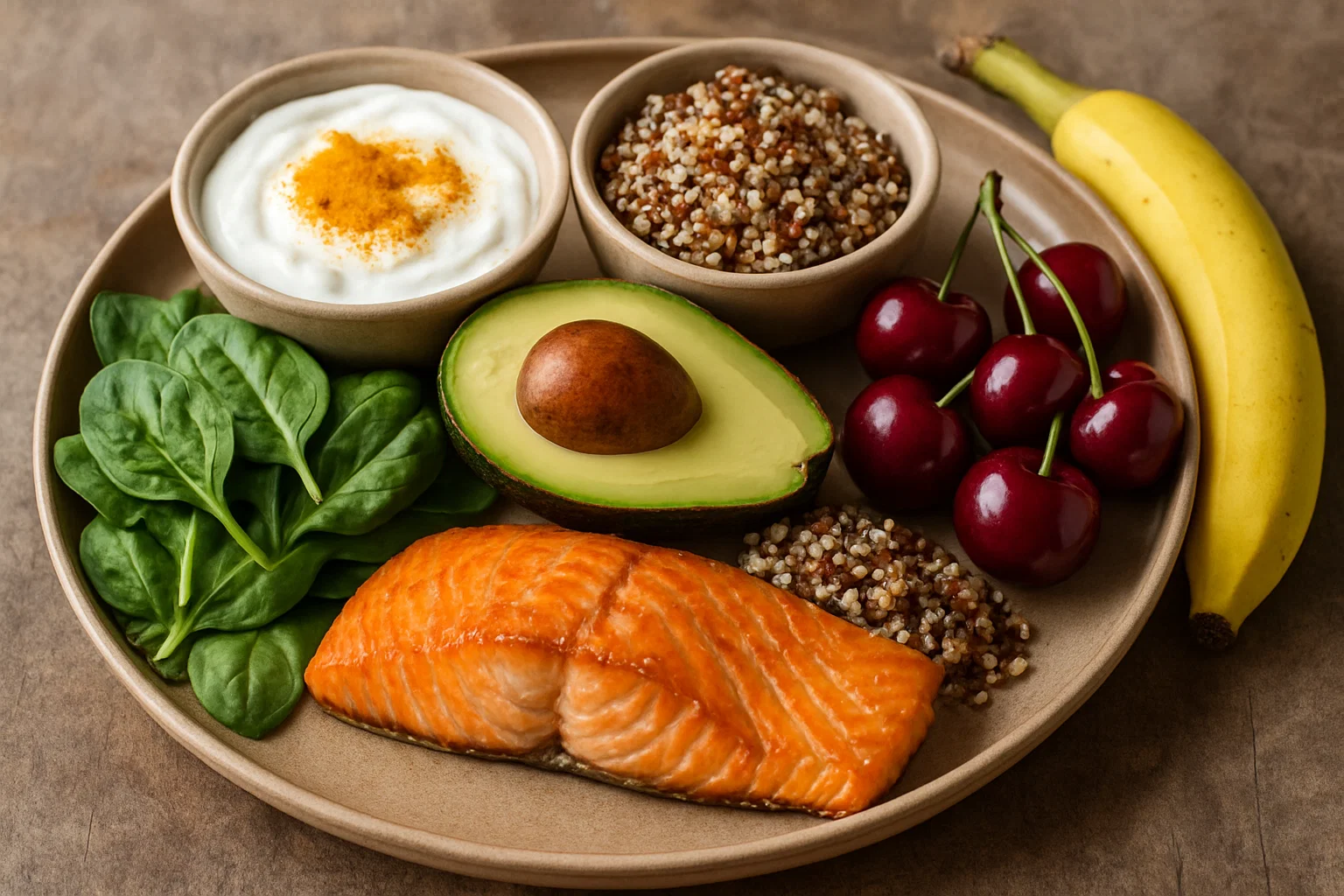
Flaxseeds – They are rich in lignans and have phytoestrogens that help to balance estrogen levels and can support hormone detoxification.
Fatty Fish – It includes Salmon, Mackerel, and Sardines. They provide us with omega-3 fatty acids, which reduce inflammation and support hormone production.
Leafy Greens – This includes Spinach, Kale, and Swiss Chard, which are packed with magnesium and are essential to regulate hormone levels and to stabilise mood.
Cruciferous Vegetables – This includes Brussels sprouts, Broccoli, and Cauliflower containing compounds that help to metabolise the excess estrogen.
Avocados – They are high in healthy fats and fiber and can support hormone synthesis and proper function.
Seeds and Nuts – Seeds like Pumpkin and chia seeds, and nuts like walnuts and almonds, offer our body essential fatty acids and zinc, which are important for hormone balance.
Berries – They are antioxidant-rich fruits that help us to combat stress that is oxidative stress and also inflammation in our body.
Probiotics – Fermented foods like kefir and yogurt enhance our gut health and are important for metabolizing and regulating our hormones.
Key Nutrients for Hormonal Balance in Women
A balanced hormonal health begins with proper nutrition. Important key nutrients are:
Omega 3 Fatty Acids – These are vital for reducing inflammation in our body, and they also support hormone synthesis.
Fiber – It helps to eliminate excess hormones in our body through digestion.
Magnesium – It regulates enzymes that are involved in our hormone production and also reduces PMS symptoms.
Zinc – It plays an important role in hormone production, especially when it comes to thyroid and reproductive hormones.
Selenium – It supports thyroid function and helps in maintaining hormonal balance.
Phytoestrogens – These are plant-based compounds that imitate and regulate estrogen activity for harmonious hormonal activity.
Foods and Habits That Disrupt Hormone Balance
Certain foods has the ability to disrupt your hormone balance, they are –
- Foods that contain excess sugar and refined carbs can lead to insulin resistance and disrupt our hormone levels.
- Fried and processed foods can increase inflammation and upset our endocrine function.
- Excessive consumption of caffeine and alcohol can affect adrenal hormones and hinder liver detoxification.
- Being exposed to endocrine disruptors like BPA in plastic can act as harmful hormones.
- Being in a state of chronic stress increases your cortisol levels, which can subsequently suppress reproductive hormones.
Lifestyle Tips to Support Hormone Balance
Some of the lifestyle tips to support hormone balance are –
- Prioritising quality sleep so that hormones are repaired and regulated well.
- Engage yourself in regular physical activity so as to improve your insulin sensitivity.
- Manage stress levels with the help of mindfulness, yoga, or meditation to lower one’s cortisol levels.
- Being properly hydrated throughout the day
- Following a balanced diet that includes whole foods.
- Excessive smoking and alcohol consumption must be avoided at all cost
- Regular health checkups to detect any issues early on.
Common Myths About Hormonal Health
Some of the myths and misconceptions associated with hormonal imbalances are –
- Myth: Only older women are affected by hormone imbalances
Reality: Women of all ages can experience hormonal fluctuations, which are caused by stress, diet, and health conditions. - Myth: Hormonal treatments are not safe.
Reality: Hormonal therapies that are conducted under medical supervision which are also personalised can be beneficial. - Myth: With weight loss comes hormone balance.
Reality: While weight management can help, diet quality and stress reduction are equally important as well. - Myth: Caffeine always worsens hormones.
Reality: Caffeine intake to an extent is safe but overconsumption is not. - Myth: Only reproductive health is affected by hormones
Reality: Hormones have the power to influence mood, energy, metabolism, and immune function.
When it comes to balancing hormones, it requires a more holistic approach, especially for women, that blends a nutrient-rich diet with a healthy lifestyle and effective stress management. Foods like flaxseeds, fatty fish, leafy greens, and probiotics provide essential nutrients that support hormonal harmony.
It is important to avoid disruptive foods and habits, all while embracing healthy practices that can improve physical and emotional well-being.
Qua Nutrition is one of the leading nutrition clinics in India, and we are renowned for our personalised approach to diet and wellness. With a team of expert dietitians and nutritionists, we specialize in sports nutrition, weight management, medical nutrition therapy, pediatric care, and even genetics-based nutrition planning. Our services include cutting-edge technology and thorough diagnostic assessments that allow for highly customised recommendations that address each person’s unique requirements. Our commitment to client success is reflected in our strong pan-India presence, expert knowledge, and ongoing support, helping people of all ages achieve lasting health improvements and optimal performance through tailored nutritional strategies.
FAQs
Q: What Are The Best Natural Foods To Balance Hormones In Women?
A: The best natural foods to balance hormones in women are fatty fish like salmon, leafy greens, fruits like avocados, and flaxseeds. These foods provide necessary nutrients, healthy fats, fiber, and protein. One can also include eggs and legumes for protein intake and veggies like broccoli in their diet.
Q: How Does Omega-3 Fatty Acid Help With Hormonal Balance?
A: Omega-3 fatty acids help balance hormones by reducing inflammation, modulating hormone production, and improving hormone-related conditions.
Q: Can Stress Management Improve Hormone Levels?
A: Yes, with stress management, one can improve their hormone levels by helping to restore balance in hormones like cortisol. Chronic stress can disrupt the body’s hormonal systems, but stress-reducing activities like exercise, mindfulness, and getting enough sleep can lower stress hormones and improve overall hormonal balance over time.
Q: What Foods Should Women Avoid To Prevent Hormonal Imbalance?
A: One should avoid processed foods, refined sugars, unhealthy fats, excessive caffeine, and alcohol. Limiting non-organic dairy and red meat is also advisable. A balanced, whole-food diet is key to supporting hormonal health.
Q: How Does Sleep Affect Female Hormone Health?
A: Poor sleep disrupts female hormone health by affecting reproductive hormones like estrogen, progesterone, and luteinizing hormone, which can lead to irregular menstrual cycles, fertility issues, and worsened PMS symptoms. It also increases the stress hormone cortisol, which further suppresses the reproductive system. Additionally, sleep deprivation can impact the balance of hunger hormones, leading to weight gain and cravings.