Motherhood is a beautiful journey, but it also comes with big physical and mental changes. Many new mothers feel pressure to quickly return to their pre-pregnancy weight, particularly due to false ideals promoted on the internet. In reality, recovering postpartum is a slow journey that requires patience, appropriate nutrition, proper rest, and durable lifestyle adjustments.
At Qua Nutrition, we believe in healing the body, keeping the hormones balanced, and rebuilding strength for postpartum weight loss, not restrictive diets or rigorous fitness regimes.
Understanding Postpartum Weight Gain and Recovery
Gaining weight during pregnancy is normal and necessary for the baby’s growth and development. Your body, in addition to the baby’s weight, also has extra fluids, blood volume, placental tissue, and fat reserves to support breastfeeding and healing. Some weight is lost right away after delivery, but the rest is often lost gradually over several months. The postpartum period is a time for the body to recover and heal. Your hormones are all over the place, your abdominal muscles need to be repaired, and your energy levels can be low for weeks. Most women expect immediate results, but healthy postpartum weight reduction is usually more gradual and sustained.
When Is It Safe to Start Losing Weight After Pregnancy?
The body needs time to heal after childbirth. Most health care experts recommend that new mothers wait until the six-week postpartum checkup before attempting any weight loss or exercise program. C-section mothers may need a little additional time to recover. If breastfeeding, avoid extreme calorie restriction, as it may affect milk supply and recovery. In general, a slow weight loss of about half to one kilogram a week is considered safe. You shouldn’t jump into dieting right away. The first goal is to get your body properly nourished and regain your strength.
Healthy Eating Tips for Postpartum Weight Loss
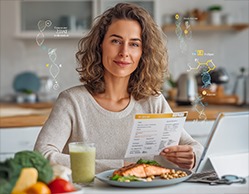
Postpartum nutrition should be balanced and provide continuous energy. Skipping meals can increase fatigue and cravings and make it difficult to control your weight. Eating regular meals and healthy snacks helps keep your blood sugar stable and prevent overeating later in the day.
The diet should contain protein foods, healthy fats, fiber, fruits, vegetables, and whole grains. Protein rebuilds muscle and repairs tissue, and fiber helps you digest food and control appetite. Whole foods also supply important minerals, including iron, calcium, folate, and omega-3 fatty acids, all needed post-birth. Avoid crash diets and severe eating plans that might slow down your metabolism, diminish energy, and slow down recovery.
Importance of Hydration After Delivery
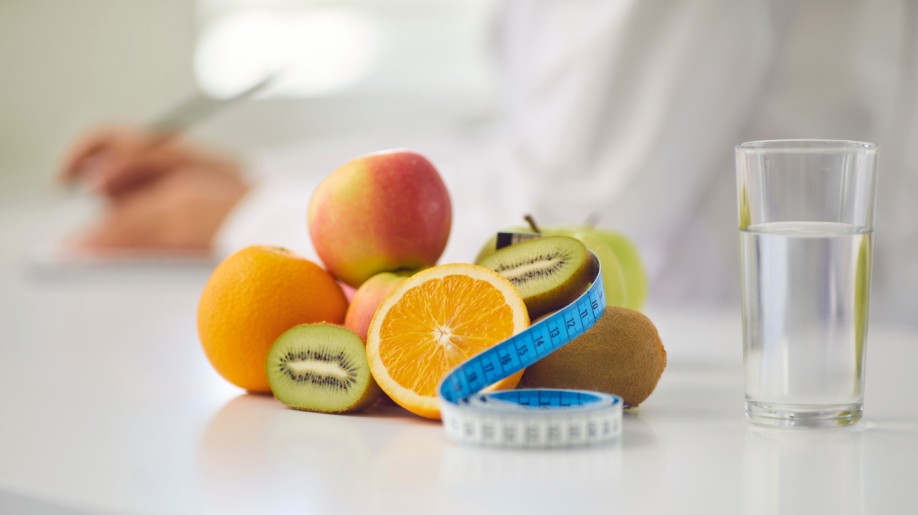
Staying hydrated is particularly important for post-partum healing and weight management. Breastfeeding mothers need extra fluids. This is because the body utilizes water to make milk. Dehydration can lead to weariness, headaches, constipation, and low energy levels. Drinking sufficient water during the day also helps to control appetite and promote metabolism. Many mothers mistake thirst for hunger and eat when they don’t need to. Having a water bottle nearby when you feed your baby can make it simpler to stay hydrated consistently. It is just as vital to limit sugary drinks, bottled juices, and excess caffeine.
Best Foods for Postpartum Recovery and Fat Loss
The healthiest postpartum foods are those that support the body and promote slow fat loss.
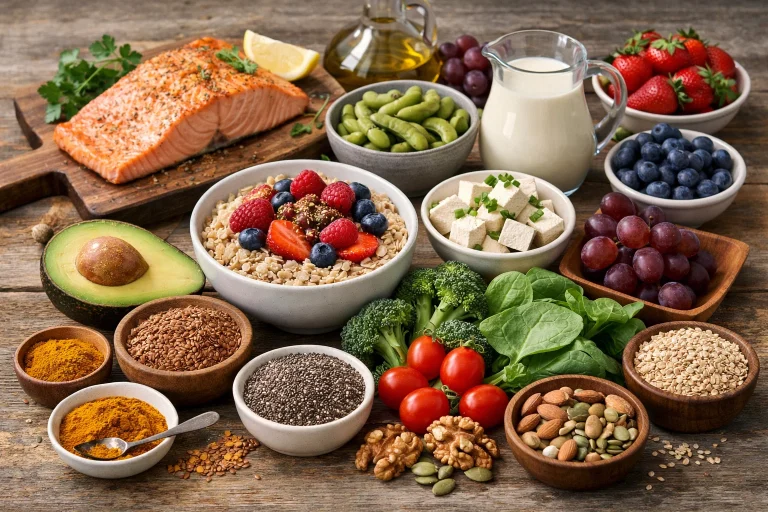
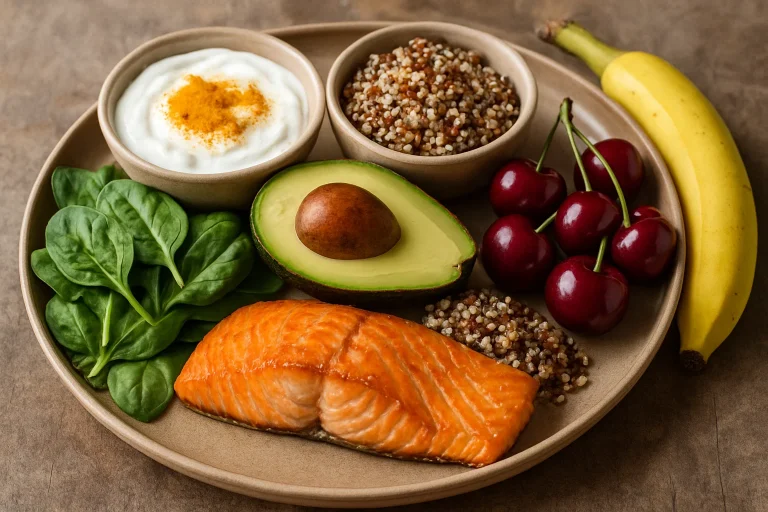
Whole grains like oats, brown rice, and millets give you lasting energy. A muscle-building diet involves eating protein-rich foods like eggs, lentils, salmon, paneer, curd, almonds, and lean meats, which can also make you feel full. Iron-rich foods are important since many women are low in iron after delivery.
Green leafy vegetables, dates, legumes, and nuts can help in recovery and increase energy levels. Healthy fats are also necessary for hormone balance and brain function. They are found in nuts, seeds, avocados, and oily fish.
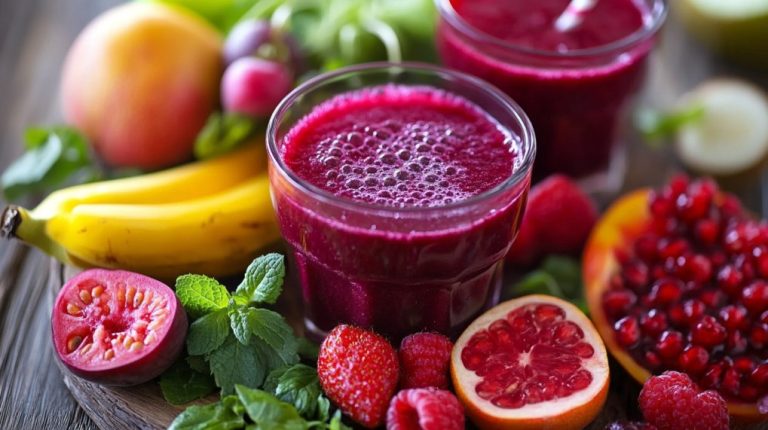
Daily consumption of fresh fruits and vegetables is important as they provide antioxidants, vitamins, and fiber, which help with healing and digestion. Simple home-cooked meals are generally better than packaged diet foods.
Safe Exercises for New Mothers
After pregnancy, exercise can help you lose weight healthily and boost your attitude and energy levels. But exercise should be started slowly and only with a physician’s approval.
Walking is one of the safest and easiest ways to get back into physical activity after giving birth. Gentle stretching, breathing exercises, strengthening of the pelvic floor, and postpartum yoga can also help rebuild strength gently. Over time, women can gradually add resistance training and low-impact activities to build muscular tone and enhance their metabolism.
How Breastfeeding Affects Weight Loss
Breastfeeding also burns extra calories. Many moms naturally shed some pregnancy weight while breastfeeding, although the rate varies from person to person. Some women lose weight rapidly; others hold onto additional fat stores until nursing shrinks them. Hormonal shifts in the body during lactation might also increase appetite; a balanced diet is important.
Aggressive dieting is also not a good idea for breastfeeding mothers, as appropriate nutrition is not only crucial to the production of milk but also to the health of the mother as well. Breastfeeding mothers should concentrate on eating nutritious meals and drinking lots of water, not on rapid weight loss. Weight loss after giving birth is usually more obvious in the first year.
Sleep, Stress, and Hormonal Changes After Pregnancy
One of the major concerns for new moms is sleep deprivation, and this has a big impact on weight loss. Sleep deprivation increases hunger hormones and cravings for high-calorie or high-sugar foods. It also affects the energy levels, making it difficult to accomplish daily activities.
Exhaustion and emotional stress can also be associated with weight gain. Cortisol, the stress hormone, can cause the body to retain extra fat, especially around the abdomen. Hormones also shift during the postpartum period, and this may impact metabolism, appetite, and mood. You may not be able to sleep through the night with a baby, but you can boost your recovery by relaxing whenever you can and accepting help from family members.
Common Mistakes to Avoid During Postpartum Weight Loss
One of the biggest mistakes that mothers make is trying to lose weight too rapidly. Extreme dieting, skipping meals, detox diets, and extreme workouts can hinder recovery and take energy levels down. Many women often compare themselves to exaggerated celebrity changes, not knowing the physical demands of postpartum rehabilitation.
Another error women make is not eating protein and consuming many processed snacks since they’re convenient. Lack of sleep, dehydration, and irregular eating patterns might also hinder growth. Postpartum weight loss should never interfere with physical recovery, mental wellness, or breastfeeding demands. Sustainable habits always work better than short remedies in the long run.
Realistic Weight Loss Expectations After Childbirth
Healthy postpartum weight loss takes time. Most women lose a lot of their pregnancy weight in the first few months, but it can take six months to a year or more to get back to their pre-pregnancy weight. Pregnancy affects the body permanently in some ways. Wider hips, softer abdominal muscles, and changes in body composition are normal. Motherhood isn’t about chasing impossible ideals. It’s about regaining strength, increasing vitality, and being healthy. Small, gradual progress is healthier and more sustainable than quick transformation. This step requires patience and consistency.
When to Consult a Dietitian or Doctor
Professional advice can be very helpful for moms who are struggling to lose weight or to recover from childbirth. A dietician can be a helpful resource if you’re concerned about nutritional deficiencies, nutritional nursing, emotional eating, thyroid difficulties, or if you simply can’t lose weight despite healthy practices. Consult a nutritional expert if you are extremely exhausted, have persistent pain, dizziness, or postpartum depression symptoms, or have any complications related to your delivery. With the right nutrition and medical care, postpartum recovery can be safer, healthier, and easier.
At Qua Nutrition, we offer tailored postpartum nutrition plans to assist new mothers in recovering, achieving long-term health, meeting their nursing needs, and controlling weight in a healthy way.
My Headline
Q: How long does postpartum weight loss take?
A: Most women gradually lose their pregnancy weight over six to 12 months, depending on lifestyle, recovery, hormones, and breastfeeding.
Q: Can breastfeeding help with weight loss?
A: Yes, breastfeeding burns more calories and may help you lose weight gradually after you have given birth to your baby.
Q: When can I start exercising after delivery?
A: Most women can start light activities at six weeks, but medical clearance is required.
Q: How can I lose belly fat after pregnancy?
A: You can lose postpartum belly fat over time with a balanced diet, modest exercise, enough sleep, and patience.
Q: Is it safe to diet while breastfeeding?
A: Women who are breastfeeding should avoid extreme diets since they can impact milk production and recovery.
Q: Why is postpartum weight loss difficult?
A: Hormonal changes, stress, lack of sleep, and less physical exercise can all play a part in delayed weight reduction following birth.
Q: What foods help with recovery after childbirth?
A: Protein-rich diets, whole grains, fruits, vegetables, healthy fats, and iron-rich foods can help in recovery.
Q: How many calories do breastfeeding mothers need?
A: Nursing mothers usually require about 400-500 more calories a day.
Q: What exercises are safe after a C-section?
A: Walking, breathing exercises, and simple postnatal movements are often the safest to start with after doctor consent.
Q: How much weight is normally lost after delivery?
A: Women typically lose the baby’s weight, fluids, and placental weight quickly after birth, and gradually shed fat over time.