South Indian food has a unique taste and has always been something that has fascinated gourmets from across all regions. Relishing the South Indian food and still managing your weight loss journey may not be something relatively easy. However, if you follow.
However, you can give serious thought to follow mindful choices, portion control, and personalised support. Your weight loss regimen should not be an arduous journey. Qua Nutrition offers tailored diet plans and expert counselling for South Indians aiming for sustainable weight management without sacrificing taste or tradition.
South Indian Diet Habits – An Overview
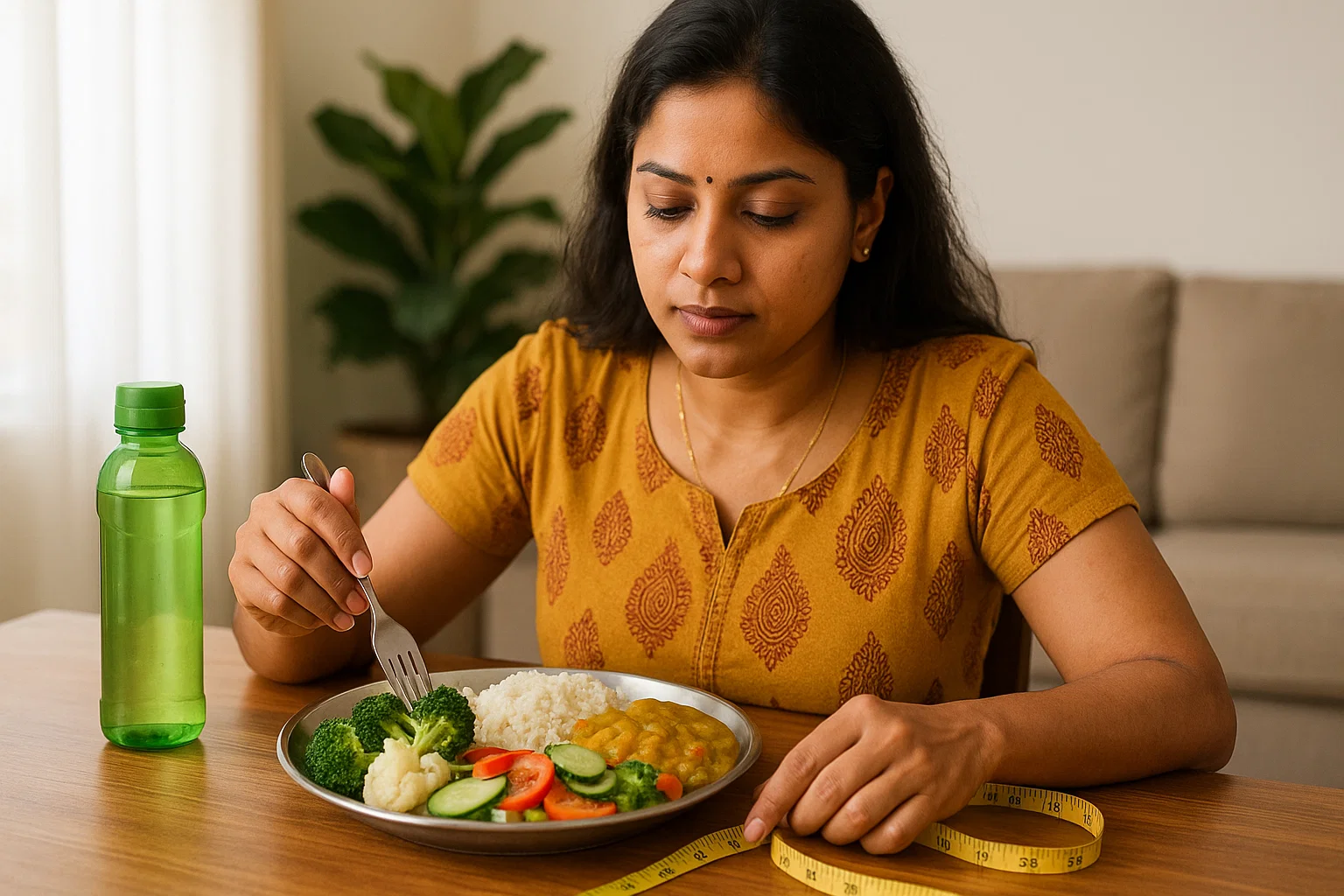
South Indian diets are rich in rice, lentils, vegetables, coconut, spices, and fermented foods like idlis and dosas. Meals typically include a balance of carbs (rice, Dosa, idli), protein (lentils, legumes, curd), and fiber from vegetables.
Even the climate here plays a significant role in the food choices. South Indians prefer lighter and low-fat meals. They can be highly preferred in the hot and humid climate.
Nutritional Guidelines for a South Indian Weight Loss Diet
Of course, the guidelines for weight loss diets are typical for almost every region. However, given the specific nature of the climate and food habits in the South Indian region, there are a few specific nutritional guidelines followed.
- Portion control is critical. Even healthy foods can lead to weight gain if eaten in excess.
- Focus on plant-based proteins such as dal, moong sprouts, chana, and paneer. Include lean meats like chicken or fish if non-vegetarian.
- Choose whole grains (brown rice, millets, quinoa) over refined grains.
- Use minimal oil and ghee—opt for steaming, grilling, and boiling rather than frying.
- Increase vegetable intake, especially locally grown and seasonal options.
- Stay hydrated with water, buttermilk, coconut water, and herbal teas.
Best Foods to Include in a South Indian Weight Loss Diet
Qua Nutrition recommends including the following items in a South Indian weight loss diet.
| Food | Key Benefits |
| Idli, Dosa (ragi/millet) | Low-calorie, steamed, high in fiber, easy to digest |
| Sambar, Rasam | Protein from lentils, loaded with vegetables, and low in oil |
| Upma, Pongal | Made with broken wheat or millets, high-fiber, filling |
| Curd, Buttermilk | Probiotics, calcium, protein, cool the body, aid digestion |
| Sprouts, Sundal | Plant-based protein, fiber-rich, great as snacks |
| Egg, Fish, Chicken | Lean proteins aid in satiety and help muscle maintenance |
| Local Fruits | Satiety, micronutrients, vitamins, antioxidants |
| Leafy greens | Fiber, iron, minerals, and low-calorie |
| Pulses/Legumes | Protein, high satiety, low-fat, nutrient-dense |
| Millets (ragi, foxtail, kodo) | Low GI, high fiber, keeps you full for longer |
Foods To Avoid Or Limit
Just as there are foods that you should include in a weight loss diet, there are a few specific food items that you should typically avoid.
- Deep-fried snacks (medu vada, bhaji)
- White rice (swap with brown rice or millets)
- Coconut-heavy curries or sweets (avial, payasam, jaggery sambhar)
- Butter-rich dishes (benne dosa)
- Sugary drinks, sodas, packaged juices
- Bakery products, biscuits, chips
Sample South Indian Weight Loss Diet Plan
A typical diet plan based on our expertise at Qua Nutrition can be on the following lines –
Morning
Warm water with lemon, optional black coffee/green tea.
Breakfast
- 2 boiled eggs/2 small idlis with sambar (Option 1)
- Moong dal sprout salad/1 Dosa with chutney (Option 2)
Mid-morning snack
Buttermilk, roasted peanuts, fresh fruit
Lunch
- Brown rice or millet
- Dal/sambar
- Stir-fried vegetables
- Grilled chicken/fish (if you are a vegetarian, you may have paneer/tofu)
Evening Snack
Masala chai (no sugar) or herbal tea, boiled egg whites, or roasted chickpeas
Dinner
- Millet dosa/wheat dosa + spinach/drumstick soup, grilled fish/chicken
- If you want a veg option, you can have multigrain rotis with dal/rajma curry
Post Dinner
Warm turmeric milk (optional protein powder)
Tips for Sustainable Weight Loss
If you want to maintain a stable weight loss journey, a diet plan alone may not be the best option. You should also follow a few tips to stay on the right track.
Qua Nutrition recommends a few tips that can be handy in this context –
- Practice portion control: use small plates, stop eating at 80% complete.
- Meal timing: Have dinner early, avoid late-night eating.
- Mindful cooking: Use healthy methods and fresh ingredients.
- Stay hydrated: drink enough water, limit high-calorie beverages.
- Regular activity: walk after meals, combine diet with exercise.
- Personalisation: adapt the plan based on your unique needs for best results with support from Qua Nutrition.
Role of Traditional South Indian Foods in Weight Loss
Traditional South Indian foods offer the best nutrition and flavour. It also provides you with the best gut health benefits. If you prepare them with minimal sugar and oil, they can be inherently healthy.
South Indian food typically contains steamed dishes (idli, puttu), fermented foods (Dosa, curd), vegetable curries, and millets. They provide the best nutrition to your body. However, in a weight loss journey, you should learn to balance tradition with modern nutrition science for optimal results.
Common Myths About Weight Loss in the South Indian Diet
Well, there are a few myths about the South Indian diet that spread misinformation. We will address a few of them and bust them.
Myth: “Rice is always bad for weight loss.”
Fact: Rice can be included with portion control and paired with higher protein foods or substituted with millets.
Myth: “South Indian food makes you fat.”
Fact: Steamed, vegetable-heavy dishes are naturally low in calories.
Myth: “All coconut-based foods hinder weight loss.”
Fact: Coconut is healthy in moderation. Limit quantity, but don’t ban it altogether.
Myth: “You must skip breakfast for weight loss.”
Fact: Skipping meals can lead to overeating. Opt for light, nutritious breakfasts instead.
How Can a Nutritionist Help?
Our nutritionists at Qua Nutrition offer full-fledged support in your journey to ensure a perfect weight loss regimen.
A few ways that we can help you include
- Personalised diet plans based on your goals, lifestyle, medical needs, and biomarkers
- Expert counselling and motivation for sustainable results
- Ongoing guidance, tweaks, and monitoring for progress
- Specialised support for athletes, children, corporate professionals, and clinical needs
- Regional and cultural adaptation of plans for South Indian preferences
Small Changes, Big Impact on Your Health
A healthy weight loss journey is not about drastic restrictions or abandoning cultural favourites. It’s about making mindful swaps, cooking smart, and getting the proper guidance.
Qua Nutrition helps South Indians meet weight goals with personalised plans that blend science and tradition for lasting success. Start your transformation today. Celebrate flavour and health together! Contact us now.
FAQs
Q: Which South Indian foods are best for weight loss?
A: Steamed dishes like idli, Dosa with minimal oil, sambar with loads of vegetables, sundal, brown rice, and millets are top choices.
Q: Can I eat rice and still lose weight?
A: Yes, with portion control and by pairing rice with vegetables and protein. For faster results, use brown rice or millets.
Q: What snacks are healthy in a South Indian weight loss diet?
A: Roasted chickpeas, nuts, fruits, sundal, and buttermilk are healthy and filling options.
Q: How do I personalise my South Indian diet plan for weight loss?
A: Work with a nutritionist for customised meal planning tailored to your needs, lifestyle, and medical history. Qua Nutrition specialises in this.
Q: How quickly can I lose weight with this approach?
A: Results depend on your plan, consistency, activity, and genetics. Sustainable weight loss may be 0.5–1 kg per week with expert support and the proper habits.