
Chronic inflammation in your body can be quite disturbing and annoying. In fact, a bit of inflammation is common as it is part of the body’s immune response. However, a chronic inflammation can be ongoing and negatively impact your quality of life. Over time, the inflammation can result in weight gain, obesity, insulin resistance, and lifestyle diseases.
One of the best ways to reduce inflammation is through anti-inflammatory foods for weight loss. At Qua Nutrition, we have always believed that the food we take influences every bodily function. This blog is an attempt at helping you find the best anti-inflammatory diet plan that help you lose weight.
What Is An Anti-Inflammatory Diet?
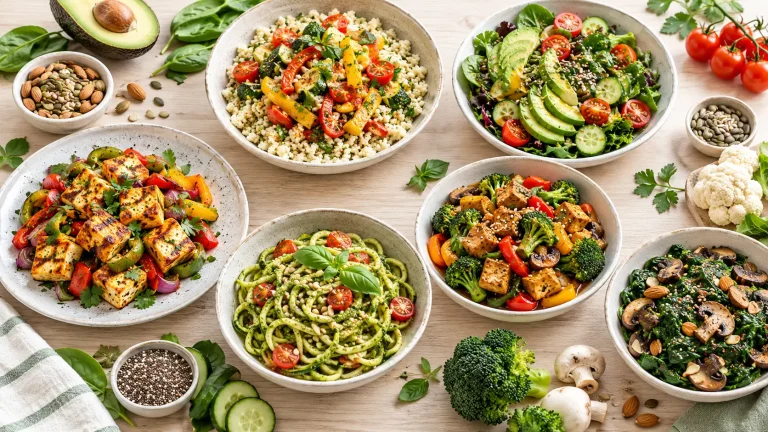
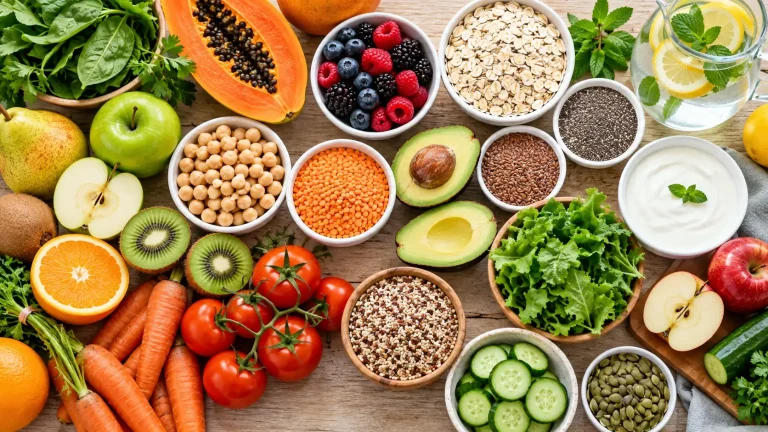
The anti-inflammatory diet is a food plan that claims to reduce inflammation and minimise the chances that it is aggravated. The food choice typically includes plenty of vegetables, fruits, whole grains, legumes, nuts, seeds, herbs, spices, and healthy fats. It is generally sourced from plants and includes fatty fish.
The anti-inflammatory diet plan includes the following –
- Focus on the whole foods with minimal processing
- Prioritising colorful fruits and vegetables for polyphenols and phytonutrients.
- Inclusion of omega‑3 fats from sources like fatty fish, walnuts, and flax or chia seeds.
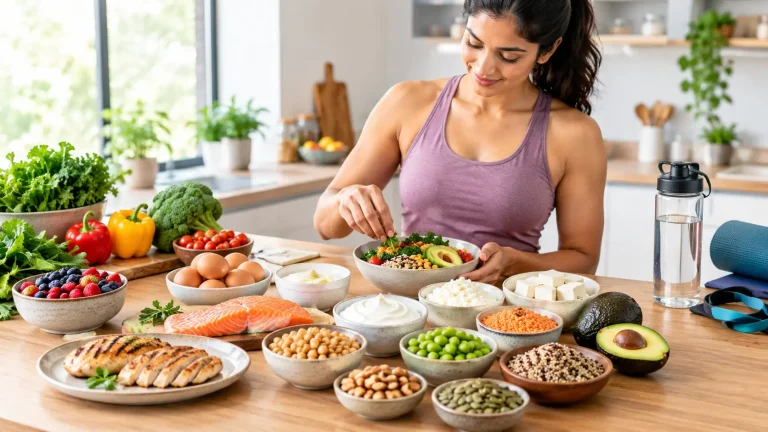
- Use of lean proteins and plant-based proteins to support muscle maintenance
The diet plan completely reduces refined sugar, deep-fried snacks, trans fats, excess refined flour, and heavily processed packaged foods.
How does inflammation affect metabolism and fat storage?
Inflammation and metabolism are interconnected. When your body is inflamed, the immune cells release cytokines, which interfere with the process of metabolism. This is typically called insulin resistance, where insulin fails to transport glucose to cells for energy.
This results in the collection of fat cells in the abdominal region. The visceral belly fat secretes inflammatory molecules into the bloodstream. The body begins storing fat instead of burning it. This would result in fatigue, cravings, and a struggle to lose weight.
The technique lies in having foods that calm inflammation. That is why Qua Nutrition recommends an anti-inflammatory eating pattern.
The 10 best anti-inflammatory foods for weight loss
Well, we will now move to understand the top 10 anti-inflammatory foods that help you in weight loss.
Fatty fish
Include fish like salmon, mackerel, and sardines in your diet. They are rich in long-chain omega‑3 fatty acids EPA and DHA. It helps in balancing the inflammatory effects of omega‑6 fats, lowering triglycerides, and supporting heart and brain health.
Leafy green vegetables
Leafy greens are low in calories and high in fiber. They can help reduce oxidative stress and inflammatory markers. The leafy greens also help improve gut health. The fiber content promotes a smoother digestion and keeps you full for longer.
Berries
Berries have anthocyanins and other polyphenols that have strong anti-inflammatory and antioxidant properties. They, too, are low in calories and high in fiber. These fruits can help avoid sugar cravings and thus keep your blood sugar levels in check.
Nuts
Nuts are a great source of fatty acids. They can be useful in preventing overeating. Walnuts have been rated to be the best source of plant-based omega‑3s (ALA). They support better cholesterol levels and reduced inflammatory markers.
Extra-virgin olive oil
It consists of monounsaturated fats and bioactive compounds like oleocanthal. They act as mild anti-inflammatory agents. Olive oil is known to lower systemic inflammation and improve cardiovascular and metabolic health.
Avocado
Avocado includes monounsaturated fats, fiber, potassium, and carotenoids. That should help you with a healthy inflammatory response. If you eat avocado regularly, you can have a lower body weight and BMI.
Cruciferous vegetables
Cruciferous vegetables contain compounds like sulforaphane. They help you reduce inflammation and support natural detoxification pathways. They are also high in fiber and micronutrients. That should make you feel full for longer periods.
Green tea
Green tea contains catechins like EGCG. It helps reduce inflammation and oxidative stress quite effectively. It also offers support for fat oxidation and metabolic rate. Replacing sugar-sweetened beverages with unsweetened green tea is a simple step for a really healthy life.
Turmeric
Turmeric is a natural anti-inflammatory food. You can regularly use turmeric in curries, soups, or “golden milk”. It can offer support for joint comfort, gut health, and overall metabolic wellness.
Chia and flax seeds
Chia and flax seeds are rich in fiber, plant-based omega‑3s (ALA), and lignans. Their high soluble fiber content helps stabilize blood sugar and support a healthy gut microbiome. You can add them to porridge, smoothies, salads, or curd.
Inflammatory Foods To Avoid For Effective Weight Loss
There are certain foods that increase inflammation. Reducing these foods should be the best way to help bring the inflammation levels under control.
- Refined sugar and sugary drinks: Sodas, energy drinks, sweets, and desserts spike blood sugar and increase inflammation.
- Refined carbs – White bread, biscuits, pastries, and maida-based snacks cause fat storage.
- Deep-fried fast foods – French fries, fried chicken, pakoras, chips, and similar items have unhealthy fats.
- Processed meats – Sausages, bacon, and some cold cuts have additives that may be highly inflammatory
Instead of avoiding them altogether, you can reduce their intake.
Sample 1-Day Anti-Inflammatory Weight Loss Meal Plan
Here is a sample one-day diet plan. Always remember that customizing the diet plan can get the maximum benefits since not everybody is the same; the needs and wants will be different.
Early morning:
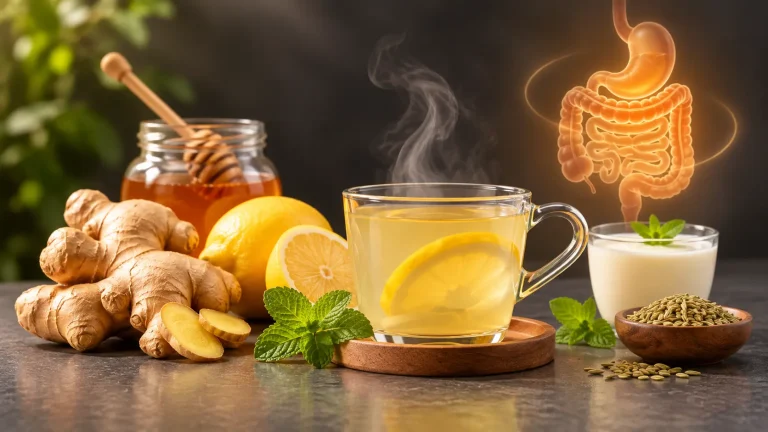
Warm water with a squeeze of lemon and a pinch of turmeric (optional) for gentle hydration and antioxidants.
Breakfast:
- Oats porridge cooked with low-fat milk or fortified plant milk, topped with chia seeds, chopped walnuts, and a handful of berries.
- Unsweetened green tea.
Mid-morning snack:
A small bowl of mixed fruit (papaya, apple, or berries) and 5–6 soaked almonds.
- Lunch:
- Large serving of mixed leafy green salad with tomatoes, cucumber, carrots, and a dressing of extra-virgin olive oil and lemon.
- Grilled salmon or grilled paneer/tofu for vegetarians.
- A small portion of brown rice or millet and a side of steamed broccoli or cauliflower.
Evening snack:
- Roasted chana or hummus with carrot and cucumber sticks.
- Green tea or herbal tea.
Dinner:
- Vegetable soup with cruciferous vegetables, carrots, and spinach, flavored with turmeric, ginger, and black pepper.
- Stir-fried mixed veggies with olive oil and a serving of lentils or dal.
Bedtime (if needed):
Haldi milk made with low-fat milk and a pinch of turmeric and black pepper, without added sugar, if it fits your calories and digestion.
How A Dietitian Personalize An Anti-Inflammatory Weight Loss Plan?
Of course, the best foods that we have outlined above should help you avoid inflammation. However, it is advisable to personalise the weight loss and anti-inflammatory diet plan to suit your specific needs.
A qualified dietitian for weight loss assesses your current diet, body composition, blood reports, sleep, stress levels, and activity pattern to design a realistic anti-inflammatory diet plan for weight loss. It should also be based on your cultural food habits.
At Qua Nutrition, our dietitians and nutritionists build personalized diet plans for diverse clients, athletes, professionals, children, and individuals with specific health conditions.
Lifestyle Factors That Reduce Inflammation And Support Weight Loss
Along with the food choices, lifestyle modifications also matter a lot.
- Regular physical activity: Moderate exercise improves insulin sensitivity, reduces visceral fat, and lowers inflammatory markers.
- Quality sleep: Poor sleep increases stress hormones and inflammatory markers, often leading to higher appetite and cravings.
- Stress management: Chronic stress keeps cortisol elevated, which can worsen inflammation and promote abdominal fat storage.
- Avoiding tobacco and limiting alcohol: Both are linked with higher systemic inflammation and increased risk of chronic disease
Common Mistakes When Following An Anti-Inflammatory Diet
Even with the best knowledge, there are times when you may end up committing a few mistakes that can be harmful.
- Overeating “healthy” fats: Nuts, seeds, olive oil, and avocado are beneficial, but large portions can exceed your calorie needs and limit weight loss.
- Ignoring portion sizes: Whole grains and “brown” foods can still lead to weight gain if portions are not controlled.
- Relying on packaged “anti-inflammatory” products: Many marketed products still contain added sugars, sodium, or unhealthy fats.
- Making drastic, unsustainable changes: Extreme restrictions lead to burnout; small, consistent improvements are more effective long term.
- Not considering individual triggers: Some people may react to certain foods (like gluten or specific FODMAPs), so a personalized approach is vital
Reduce inflammation, support sustainable weight loss
Chronic inflammation and weight gain are closely connected through hormones, blood sugar control, and fat distribution. Choosing the right food will help you achieve the best standards in achieving the perfect experience in handling inflammation.
At Qua Nutrition, our nutritionists design personalized diet plans based on your genetics, not guesswork. By understanding your DNA, we can truly know your body and take proactive steps for your health, even before issues arise.
FAQs
Q: Do anti-inflammatory foods help with weight loss?
A: Yes, anti-inflammatory foods help improve insulin sensitivity, regulate appetite hormones, and reduce the inflammatory signals that encourage fat storage. That way, they help in effective weight loss.
Q: What is the fastest way to reduce inflammation?
A: The key is to reduce ultra-processed foods and sugar and increase fruits, vegetables, and omega‑3-rich food. However, there are no overnight success formulas.
Q: Can inflammation cause belly fat?
A: Yes, inflammation and belly fat are complementary to each other. Visceral fat produces inflammatory cytokines like IL‑6, which raise CRP and worsen insulin resistance.
Q: How long does it take to reduce inflammation through diet?
A: Improvements in energy, digestion, and bloating can appear within a few weeks of consistently following an anti-inflammatory diet. However, it can vary by person.
Q: What are the top anti-inflammatory foods?
A: The best anti inflammatory foods include fatty fish, leafy greens, berries, extra-virgin olive oil, nuts, seeds, turmeric, and cruciferous vegetables.
Q: Is dairy inflammatory?
A: The dairy has no common effect on every individual. If you have lactose intolerance, the dairy can have negative impact.
Q: Can an anti-inflammatory diet help with PCOS?
A: PCOS is closely linked to insulin resistance, inflammation, and hormonal imbalance, and an anti-inflammatory diet can play a supportive role in management.